How do ancestral healing rituals help release generational trauma and connect with family lineage?

Ancestral healing through ritual creates a bridge between past and present, allowing us to consciously acknowledge and transform the unresolved wounds that flow through our bloodlines like underground rivers. These powerful practices work by engaging our whole being – mind, body, and spirit – in ceremonies that facilitate deep empathy, genuine forgiveness, and authentic community connection.
When we participate in ancestral healing rituals, we’re not just dealing with surface-level family drama or old stories. We’re working with patterns that have literally shaped our DNA, addressing trauma that lives in our cells and influences everything from our emotional responses to our physical health. Through guided visualization, meaningful offerings, meditation, and physical ceremonies, these rituals help us break free from repeating ancestral pain while honoring the strength and wisdom our ancestors also passed down.
The process involves creating sacred space where we can feel safe enough to touch these deep wounds, understand the context of our ancestors’ struggles, and consciously choose to heal what they couldn’t. This isn’t about blame or dwelling in the past – it’s about freeing ourselves and future generations from unconscious patterns that no longer serve us. When we engage in ancestral healing through ritual, we’re essentially becoming the healers our lineages have been waiting for, transforming inherited trauma into inherited wisdom and resilience.
Ancient Pagan Ancestral Rituals
Ancient pagan traditions understood something modern psychology is just beginning to grasp: our ancestors live within us, and healing our lineages requires more than just talking about trauma. These time-tested practices emerged from cultures that viewed death not as an ending but as a transition, where the wisdom and wounds of those who came before remained accessible to the living.
In Celtic traditions, the festival of Samhain marked the time when the veil between worlds grew thin, allowing direct communication with ancestral spirits for guidance and healing. Norse practitioners developed elaborate blót ceremonies, offering food, mead, and prayers to honor the álfar – ancestral spirits who could bless or curse their descendants based on how well they were remembered and honored. Germanic and Slavic peoples created elaborate household altars where ancestors were treated as active family members, consulted for major decisions and regularly fed through ritual offerings.
These weren’t superstitious practices but sophisticated understanding of how trauma and wisdom move through family systems across generations. The physical elements of these rituals – the drumming that shifted consciousness, the dancing that moved stuck energy through the body, the offerings that demonstrated respect and reciprocity – all worked together to create healing experiences that touched practitioners at cellular levels.
What made these ancient approaches so effective was their recognition that ancestral healing through ritual requires embodied practice, not just mental understanding. They knew that to heal generational wounds, you had to engage the same full-body, full-spirit experience through which those wounds were originally created and transmitted. Modern research on epigenetics is finally catching up to what our ancestors always knew: trauma changes us at the genetic level, and healing those changes requires practices that engage our complete being in transformative experiences.
A Guide to Healing Intergenerational Trauma Through Pagan Practice

Healing Ancestral Family Patterns: A Practical Guide to Ending the Cycle of Intergenerational Trauma
View Product →The beauty of pagan approaches to ancestral healing through ritual lies in their practical, down-to-earth methods that anyone can adapt to their own family situation and spiritual path. The first step involves creating intentional sacred space where you can safely encounter whatever emerges from your lineage – both the gifts and the wounds. This might be as simple as lighting a candle and calling in your protective spirits, or as elaborate as casting a full circle with elemental representations and invoking ancient gods who guard the pathways between worlds. The key is consistency and genuine intention rather than perfect execution of complex ceremonies.
Once your space feels sacred and protected, begin calling your ancestors by name if you know them, or simply addressing the generations who came before you with respect and curiosity. Many practitioners find particular power in connecting with matrilineal ancestors – the mothers, grandmothers, and great-grandmothers who carried and birthed each generation, often bearing the heaviest burdens of family trauma while also holding the deepest wells of strength and wisdom. As you speak their names or acknowledge their presence, pay attention to what arises in your body, emotions, and intuitive knowing.
Physical ritual acts become crucial at this stage because trauma lives in the body, not just the mind. Offerings of food, drink, flowers, or incense demonstrate respect while also giving your hands something to do as difficult emotions move through you. Chanting, whether traditional prayers or simple repetitive sounds, helps regulate your nervous system while creating vibrations that ancestors can feel and respond to. Anointing yourself with oils connects you to your body and creates sensory anchors for the healing work. Many practitioners find that incorporating movement – swaying, gentle dancing, or even just shifting positions – helps release stuck energy and trauma that has been held in the physical form for generations. The practice of ancestral healing through ritual becomes most powerful when done regularly rather than as a one-time event, allowing relationship and trust to build between you and your lineage over time.
Creating Sacred Ancestral Altars
Your ancestral altar becomes the heart of ongoing healing work, a physical anchor point where the spiritual and material worlds intersect in service of your lineage. Unlike altars created for deities or general spiritual work, ancestral altars serve as homes where your family’s spirits can rest, be honored, and participate in your daily life. Start by choosing a location that feels stable and respectful – somewhere you can maintain regularly without disruption, whether that’s a corner of your bedroom, a shelf in your living room, or even a small portable setup you can create and dismantle as needed.
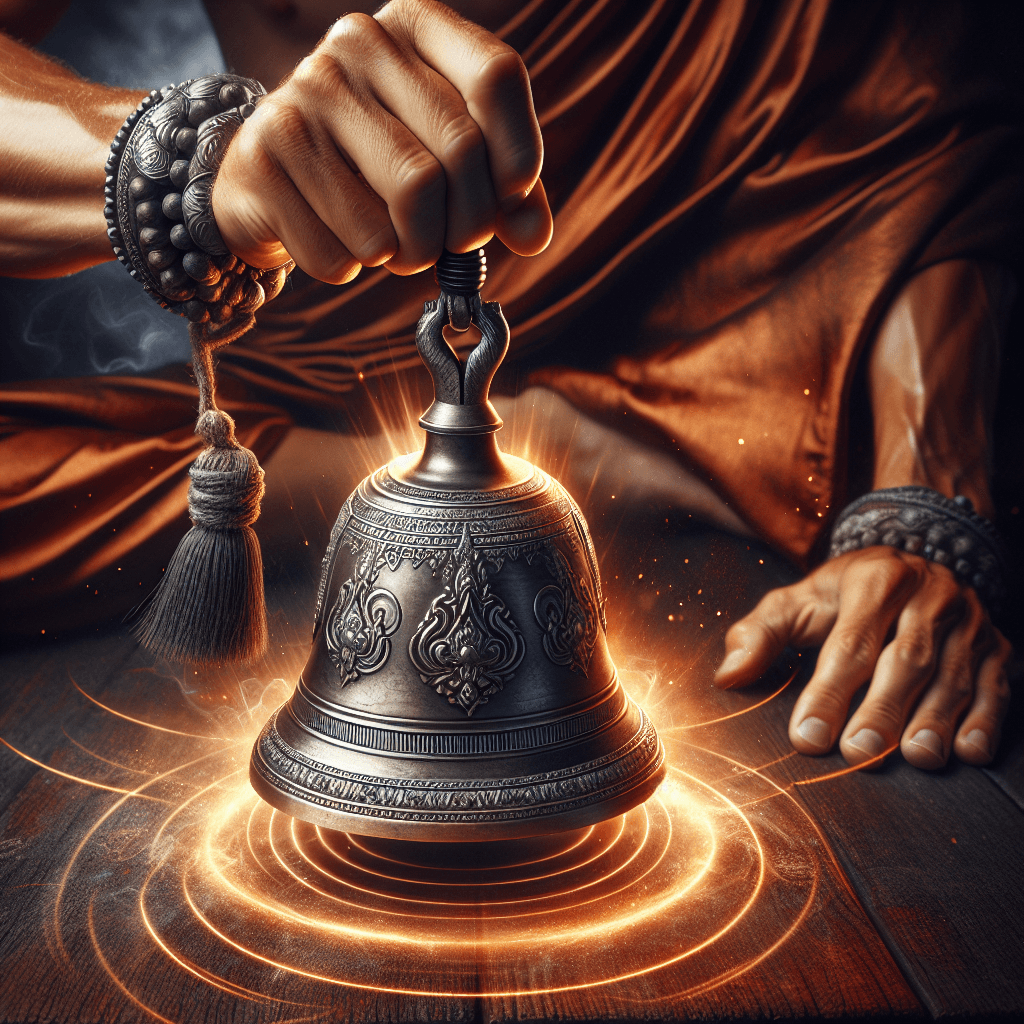
The foundation of your altar should reflect the elements that govern life and death: earth represented by stones, crystals, or soil from meaningful places; air represented by feathers, incense, or bells; fire represented by candles or oil lamps; and water represented by a small bowl that you can refill regularly. These elemental tools help create the sacred container necessary for safe ancestral contact while also providing practical elements for ritual work.
Photographs of deceased family members create obvious connections, but don’t limit yourself to formal portraits – consider including images of ancestral lands, family homes, or objects that represent your cultural heritage. If you lack photographs, draw simple figures or write names on paper to represent those you wish to honor. Personal items that belonged to ancestors carry their energy and create powerful focal points for connection – jewelry, tools, books, or even pieces of fabric from old clothing can serve this purpose beautifully.
The offerings you place on your ancestral altar should reflect both respect for your specific lineage and your own authentic spiritual practice. Traditional foods that your ancestors would have eaten, especially on special occasions, create particularly strong connections. Flowers, herbs, tobacco, or other plants sacred to your cultural background demonstrate ongoing care and attention. Regular maintenance of your altar becomes a form of ancestral healing through ritual itself – changing water, refreshing offerings, and spending quiet time in communication with your lineage creates the consistency that deep healing requires. Many practitioners find that their altar becomes a place where they receive guidance, comfort, and even warnings about family patterns that need attention.
Modern Applications
Contemporary practitioners of ancestral healing through ritual are discovering powerful ways to blend ancient wisdom with current understanding of trauma, psychology, and family systems. Therapists trained in family constellation work use group settings to physically map family dynamics, allowing participants to literally see and feel how ancestral trauma moves through generations while also experiencing the healing that becomes possible when family systems are witnessed and honored. Somatic therapists incorporate ancestral awareness into body-based healing practices, helping clients recognize how inherited trauma lives in their nervous systems, posture, and physical symptoms. Breathwork facilitators guide participants through journeys where conscious breathing creates altered states that allow direct contact with ancestral wisdom and healing.

Ancestral Medicine: Traditional Healing Across Generations (Ancestral Medicine: Wisdom of the Ancients Book 1)
View Product →What makes these modern approaches particularly powerful is their integration of community support with individual healing work. Online communities and virtual ritual spaces allow practitioners to share experiences and participate in group ceremonies even when separated by geography, creating the tribal support that ancestral healing naturally requires. However, the most effective contemporary practices maintain strong connections to embodied, physical ritual rather than becoming purely mental or digital experiences.
Many practitioners combine traditional techniques like altar maintenance and seasonal ceremonies with modern tools like guided meditation apps, ancestral healing workshops, and therapeutic support groups. The key insight driving these modern applications is recognition that ancestral healing through ritual isn’t about returning to the past but about transforming inherited patterns so future generations receive more wisdom and less trauma.
This work becomes particularly relevant as more people recognize how historical trauma from events like slavery, genocide, war, and displacement continues affecting families generations later. Rather than being stuck in victimhood or denial about family history, ancestral healing practices offer paths toward acknowledging difficult truths while reclaiming the strength, resilience, and wisdom that also flow through every bloodline. The most successful modern practitioners approach this work with both respect for traditional methods and willingness to adapt techniques for contemporary life, understanding that the goal isn’t perfect replication of ancient practices but effective healing of generational wounds.
Ancestral healing through ritual offers us the profound opportunity to become the ancestors our descendants will thank us for being. What wounds in your own lineage are calling for your attention and healing?