
How do you communicate with Slavic ancestral spirits using traditional folk methods and rituals?
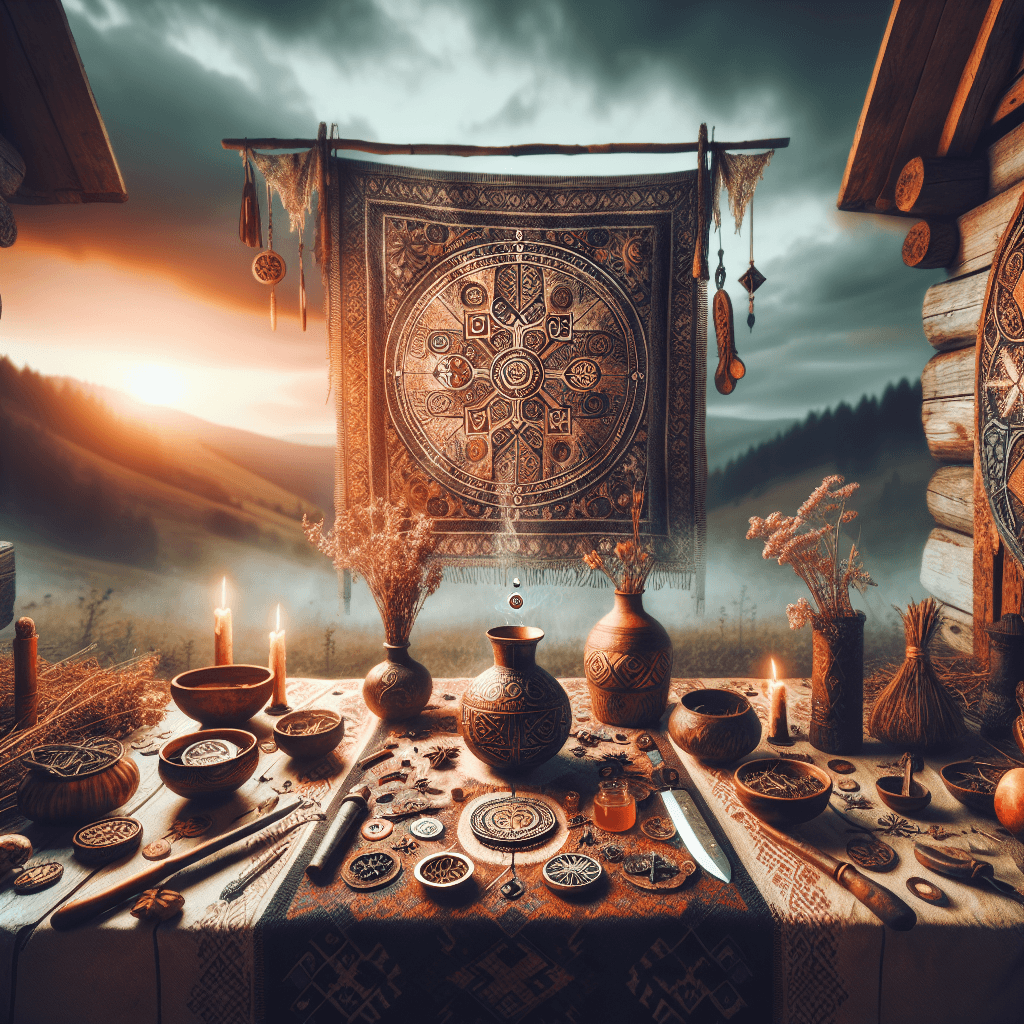
Slavic Ancestral Spirit Communication centers around the powerful ritual of Dziady, the Feast of the Ancestors, traditionally held during spring and autumn when the veil between worlds grows thin. This ancient practice involves lighting grave candles, sharing meals with the departed, and offering heartfelt chants and invocations to seek blessings and guidance from those who came before us. Families would invite their ancestors into their homes, acknowledging their continued role and influence within the family structure. The process requires genuine respect and dedication, as neglecting these ancestral connections was believed to invite misfortune into one’s life.
The traditional approach to Dziady involves setting a table with foods that your ancestors would have enjoyed, lighting candles to guide their spirits home, and speaking directly to them through invocations such as “Ancestors, join us, bless our kin.” Practitioners would leave offerings at graves or create home altars during the powerful transition periods of autumn and spring. These rituals often incorporated sunwise dances and libations performed during liminal times when the spiritual realm felt most accessible. Modern adaptations have expanded these practices to include the use of herbs, tarot cards for divination, and personal reflection on family lineage while maintaining the core principle of respectful communication with ancestral spirits.
Ancient Slavic Spirit Contact Methods
The ancient Slavs developed sophisticated methods for contacting spirits, including their ancestors, through carefully timed calendrical rituals that aligned with agrarian cycles and liminal moments such as solstices and dusk. These practices took place at sacred sites that held particular spiritual significance – groves where ancient trees whispered secrets, springs that bubbled with otherworldly energy, and hills that reached toward the heavens. The choice of location was never random; each site was selected for its natural connection to the spirit world and its ability to facilitate communication between the living and the dead.
Central to these ancient practices were communal banquets known as bratchina or mol’ba, elaborate gatherings where entire communities would come together to honor their ancestors through shared meals and offerings. These weren’t simple dinner parties – they were sacred events where the living and dead broke bread together across the veil of mortality. Participants would engage in sunwise circle-dances called khorovod, moving in harmony with cosmic forces to create an atmosphere conducive to spiritual connection. The rhythmic movement and collective energy generated during these dances helped participants enter altered states of consciousness where ancestral communication became possible.
Priests played crucial roles in these ceremonies, performing purifications to cleanse both space and participants, conducting auguries to interpret spiritual messages, and leading triadic invocations that followed specific ritual patterns. These religious leaders would pour liquor at the feet of sacred idols and offer honey-mead cakes while engaging in structured dialogues with the spirit world. The precision of these rituals reflected the ancient Slavs’ understanding that effective spirit communication required proper protocol and respect for otherworldly beings.
The ancient Slavs recognized various categories of spirits beyond ancestors, including water spirits like mavka and rusalka, forest dwellers such as lisovyk, and household guardians known as domovoy. Each type of spirit required different approaches and offerings, but all were invoked through combinations of gifts and chants that acknowledged their unique roles in the cosmic order. This comprehensive spiritual worldview meant that ancestral communication was part of a broader practice of maintaining relationships with all manner of otherworldly beings who influenced daily life.
Slavic Underworld Beliefs and Afterlife Traditions
Slavic cosmology presents a fascinating alternative to the rigid heaven-and-hell dichotomies found in many other spiritual traditions. Instead of fixed realms of reward and punishment, Slavic beliefs describe fluid spiritual dimensions that emphasize the cyclical nature of life and death, where ancestors continue to participate in family life from the other side. This worldview sees death not as a final ending but as a transition to a different form of existence where the departed maintain their connections to the living world and continue to influence the lives of their descendants.
The concept of the other side in Slavic tradition doesn’t represent a distant, unreachable realm but rather a parallel dimension that intersects with our physical world, especially during certain times and at specific locations. Ancestors were understood to watch over their living family members, offering protection, guidance, and sometimes warnings about potential dangers or important decisions. This ongoing relationship meant that families had responsibilities to their departed loved ones, including regular communication, offerings, and acknowledgment of their continued presence and influence.
Particularly complex were beliefs surrounding the unclean dead – those who died before their natural time, including unmarried maidens who became rusalki or vile. These spirits occupied a unique position in Slavic cosmology, being both venerated for their spiritual power and feared for their potential to return in dangerous or unpredictable ways. The premature nature of their deaths left them with unfinished business and unfulfilled desires that could manifest as either beneficial or harmful interactions with the living world.
To manage relationships with these potentially dangerous spirits, Slavic communities developed festivals like Semik, which served as spiritual release valves that acknowledged these beings while also establishing boundaries and eventually sending them back to their proper realm. These expulsion rituals demonstrated the sophisticated understanding ancient Slavs had of spiritual ecology – the need to maintain balance between different types of spirits and ensure that otherworldly energies didn’t overwhelm or negatively impact the living community. The fluid nature of these spiritual realms meant that ancestors and other spirits could pass between dimensions during liminal periods, making certain times of year particularly important for both communication and protection rituals.
Modern Ancestral Communication Practices
Contemporary practitioners of Rodnovery, the Slavic Native Faith revival movement, have breathed new life into ancient ancestral communication practices while adapting them for modern circumstances and understanding. These dedicated individuals work to maintain cultural continuity by celebrating traditional festivals, creating ancestral altars enhanced with meaningful herbs like chamomile, and incorporating contemporary tools such as tarot cards as conduits for spiritual communication. The revival isn’t about rigid historical reenactment but rather about capturing the essential spirit of ancestral connection while allowing for natural evolution and personal adaptation.
Modern practitioners honor their ancestors through seasonal celebrations that align with the agricultural calendar their forebears followed, recognizing that these timing patterns tap into natural energy cycles that facilitate spiritual communication. They engage in deep study of folklore and traditional stories, mining these cultural treasures for practical wisdom about ancestral practices while participating in community gatherings that recreate the communal aspects of ancient rituals. This approach acknowledges that spiritual practices gain power through shared experience and collective energy.
The challenge facing contemporary Slavic pagans lies in working with incomplete historical records, as much of the ancient knowledge was passed down through oral traditions that were disrupted by centuries of cultural suppression. However, this limitation has sparked creativity and intuitive exploration, as practitioners learn to blend scholarly research with personal spiritual experience and community wisdom. They’ve developed animistic connections to plants and stones, recognizing these natural allies as bridges to ancestral wisdom and spiritual guidance.


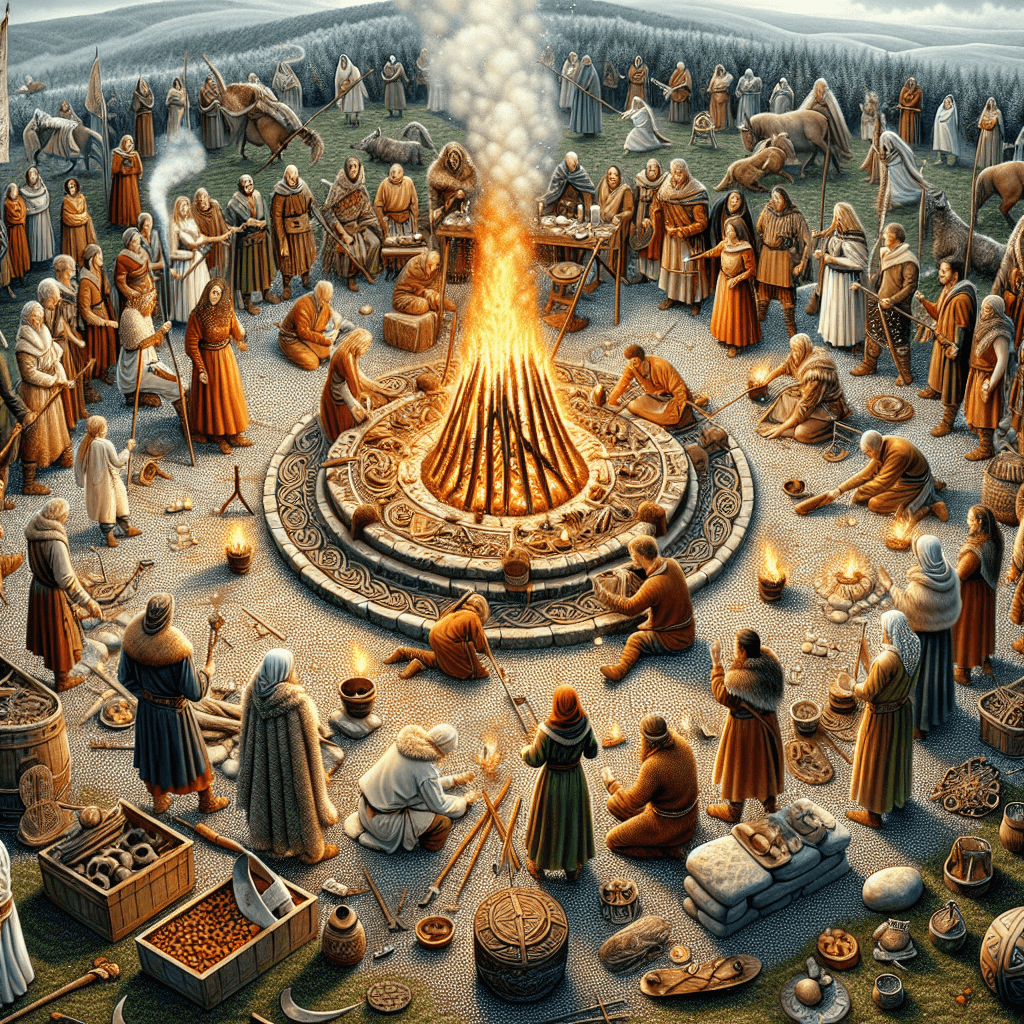
Organizations and informal groups have emerged to support education and ritual practice, helping individuals connect with their Slavic heritage while fostering harmony with nature and ancestral wisdom. These communities serve as modern versions of ancient tribal structures, providing support, knowledge sharing, and group energy for ritual work. They organize workshops, seasonal celebrations, and educational events that help preserve and transmit traditional knowledge while encouraging personal spiritual development. The emphasis remains on maintaining authentic connections to ancestral wisdom while allowing for the natural evolution of spiritual practices in contemporary contexts, ensuring that Slavic ancestral communication remains a living tradition rather than a museum piece.
Slavic Death Rituals Spirit
Death rituals in Slavic tradition emphasize the fundamental truth that ancestral relationships continue beyond physical death, with Dziady serving as the central practice that maintains these vital connections between the living and the departed. The ritual preparation begins with lighting grave candles that serve as beacons to guide ancestral spirits home, followed by the careful preparation of meals that honor the tastes and preferences of specific departed family members. These aren’t generic offerings but personalized invitations that acknowledge the individual personalities and relationships that death hasn’t severed.
The practice of inviting ancestors into the home through specific chants creates a sacred space where the boundaries between worlds become permeable, allowing for genuine communication and connection. These home invitations represent a profound statement about the nature of family in Slavic culture – that death doesn’t end membership in the family unit but simply changes the nature of participation. The deceased continue to hold their places at the family table, their wisdom and presence actively sought during important decisions and celebrations.
Communal banquets designed to feed ancestral spirits demonstrate the social dimension of death rituals, where entire communities participate in honoring the collective ancestor body that watches over and guides the living. These shared feasts create powerful group energy that amplifies individual efforts at ancestral communication while reinforcing social bonds and cultural identity. Annual feasts specifically dedicated to honoring the deceased ensure that no ancestor is forgotten and that the relationship between living and dead remains active and meaningful throughout the seasonal cycle.
The Slavic approach to death preparation includes ongoing ancestral work throughout life, reflecting an understanding that death is not a sudden severance but a gradual transition that requires preparation and conscious relationship building. This perspective sees the family as extending far beyond physical boundaries to include all those who have passed before, creating an extensive spiritual network of guidance and support. However, not all spirits of the dead were welcomed equally – the untimely dead, those who died before their natural time, were often feared for their unpredictable nature and potential for causing harm. Festivals like Semik served as community-wide efforts to manage these more dangerous spirits, using effigies that were ceremonially burned or drowned to redirect their energy away from the living community while still acknowledging their spiritual reality and power.
Slavic Ancestral Spirit Communication offers modern pagans a rich tradition of practices that honor the enduring bonds between the living and the dead while providing practical methods for seeking guidance and blessing from those who came before us. Are you ready to light a candle for your ancestors and discover what wisdom they might share with you across the veil of time?
Related Items:

Lilly Dupres
Owner & AuthorLilly Dupres, a lifelong practitioner of paganism, established Define Pagan to offer a clear definition of paganism and challenge misconceptions surrounding modern pagan lifestyles.


