

How do you perform daily lararium prayers and offerings in modern Roman polytheism?
Daily Lararium Ritual Practices in modern Roman polytheism involve dedicating a sacred space within the home to honor the Lares, Penates, ancestors, and other deities important to your household. The core practices include daily prayers and offerings performed typically twice a day, with additional weekly or monthly ceremonies reflecting traditional Roman religious calendars.
Daily ritual at the Lararium shrine usually consists of two main prayer and offering routines: one in the morning and one in the evening. In the morning, practitioners rise and approach their Lararium to greet the household gods, express gratitude, and ask for their protection over the day ahead. Evening prayers typically reaffirm thanks and prayers for safety through the night. Both rituals reaffirm the sacred bond between family and divine household spirits and renew the sanctity of the home.
Morning Prayer Lararium Offerings
The morning ritual serves as your spiritual foundation for the entire day, creating a sacred rhythm that connects you with the divine forces protecting your home. When you wake and approach your Lararium, you’re not just going through motions—you’re participating in an ancient tradition that has sustained families for millennia. The morning offerings typically begin with lighting a candle or oil lamp called a Lucerna, which represents the sacred flame of Vesta and brings divine presence into your living space. This simple act of illumination transforms ordinary morning activities into sacred communion with your household deities.
Your morning prayers should address the Lares directly, acknowledging their role as guardians of your specific dwelling place and family lineage. These household spirits have watched over your home since you established your Lararium, and they deserve recognition for their constant protection. The Penates, your household deities, also require morning salutations as they govern your family’s prosperity, health, and general wellbeing. Many practitioners find that speaking to these divine beings as honored family members creates deeper spiritual connections than formal, distant prayer language.
The physical offerings you present during morning rituals typically include symbolic food or drink placed in a patera and gutus—the traditional offering dish and cup used in Roman religious practice. Wine, water, or milk serve as liquid offerings, while small portions of bread, fruit, or salted flour represent sharing your household’s sustenance with the gods. Incense burned in an acerra purifies the space and carries your prayers upward to the divine realm. These offerings aren’t about the monetary value of what you give, but about the sincere intention behind sharing your resources with the spiritual beings who protect your home.
Contemporary practitioners often adapt morning rituals to fit modern schedules while maintaining traditional elements that honor the Lares and Penates. Some people recite specific Latin prayers learned from ancient sources, while others speak conversationally in their native language, expressing gratitude for safety through the night and requesting guidance for upcoming daily challenges. The key is consistency and genuine reverence rather than perfect adherence to historical protocols. Your ancestors and household spirits understand that modern life requires flexibility, but they still appreciate regular acknowledgment and offerings that demonstrate your commitment to maintaining sacred relationships within your home.
Essential Lararium Ritual Items
Setting up your Lararium requires specific ritual implements that serve both practical and symbolic purposes in your daily devotional practices. The statues or images of your Lares and Penates form the spiritual centerpiece of your household shrine, representing the divine presence of these protective beings within your living space. These representations can range from traditional Roman sculptures to simple drawings or symbols that resonate with your personal understanding of these deities. Many modern practitioners also include images of Janus, Vesta, Mercury, or other Roman gods who hold special significance for their family’s spiritual needs and cultural background.
The Lucerna or oil lamp represents one of the most important elements in your daily Lararium practices, as it embodies the sacred hearth fire that Vesta protects in every Roman home. Lighting this flame each morning and evening creates continuity with ancient traditions while providing focal point for your prayers and meditations. Some practitioners prefer traditional oil lamps for authenticity, while others use simple candles that serve the same symbolic purpose of bringing divine light into their sacred space. The consistent flame reminds you that spiritual forces remain active in your home even when you’re not actively engaged in ritual activities.
Your collection of offering vessels transforms ordinary household items into sacred implements for communicating with divine beings. The patera, a shallow offering dish, holds food offerings like bread crumbs, fruit pieces, or salted flour that you share with your household deities. The gutus serves as your ritual cup for liquid offerings of wine, milk, or water that honor the Lares and Penates during daily prayers. An acerra holds incense that purifies your ritual space and carries your intentions to the spiritual realm. A salinum keeps consecrated salt available for purification rituals and as offerings to deities who appreciate this precious mineral.
Personal touches make your Lararium uniquely meaningful to your family’s spiritual journey and ancestral connections. Many practitioners include photographs of deceased family members alongside traditional Roman deities, creating bridges between ancient religious practices and contemporary ancestor veneration. Small tokens representing your family heritage, profession, or personal spiritual path can find places on your Lararium alongside traditional ritual implements. The goal is creating sacred space that feels authentically connected to both historical Roman religious traditions and your current spiritual needs, allowing your household deities to feel welcomed and honored in your modern home environment.
Roman Household Shrines Lararium Practices
The placement and design of your Lararium reflects both ancient Roman architectural principles and practical considerations for modern living spaces. Traditional Roman homes featured Lararia in the atrium, near the hearth, or in dedicated alcoves where family members would encounter the household shrine during daily activities. Contemporary practitioners adapt these concepts by placing their Lararium in central locations like living rooms, kitchens, or hallways where family members regularly pass and can easily maintain daily ritual practices. The key is choosing locations that feel naturally sacred while remaining accessible for morning and evening devotions.
Your Lararium serves as the spiritual heart of domestic Roman religious practice, creating sacred space where divine and human realms intersect within your home. Unlike public temples dedicated to state religions, household shrines focus on intimate relationships between your family and protective spiritual beings who share your living space. This personal approach to Roman polytheism emphasizes daily communion with deities who understand your specific needs, challenges, and family dynamics. The Lares know your household routines, while the Penates understand your family’s hopes for prosperity and protection from harm.
Many practitioners find that their Lararium becomes a natural gathering point for family spiritual activities and discussions about Roman polytheist beliefs and practices. Children often show curiosity about the statues, offerings, and daily rituals they observe, creating opportunities for sharing knowledge about ancient Roman culture and contemporary pagan spirituality. Some families establish traditions where different members take turns leading morning or evening prayers, rotating responsibility for maintaining offerings, or researching historical information about specific deities honored at their household shrine.
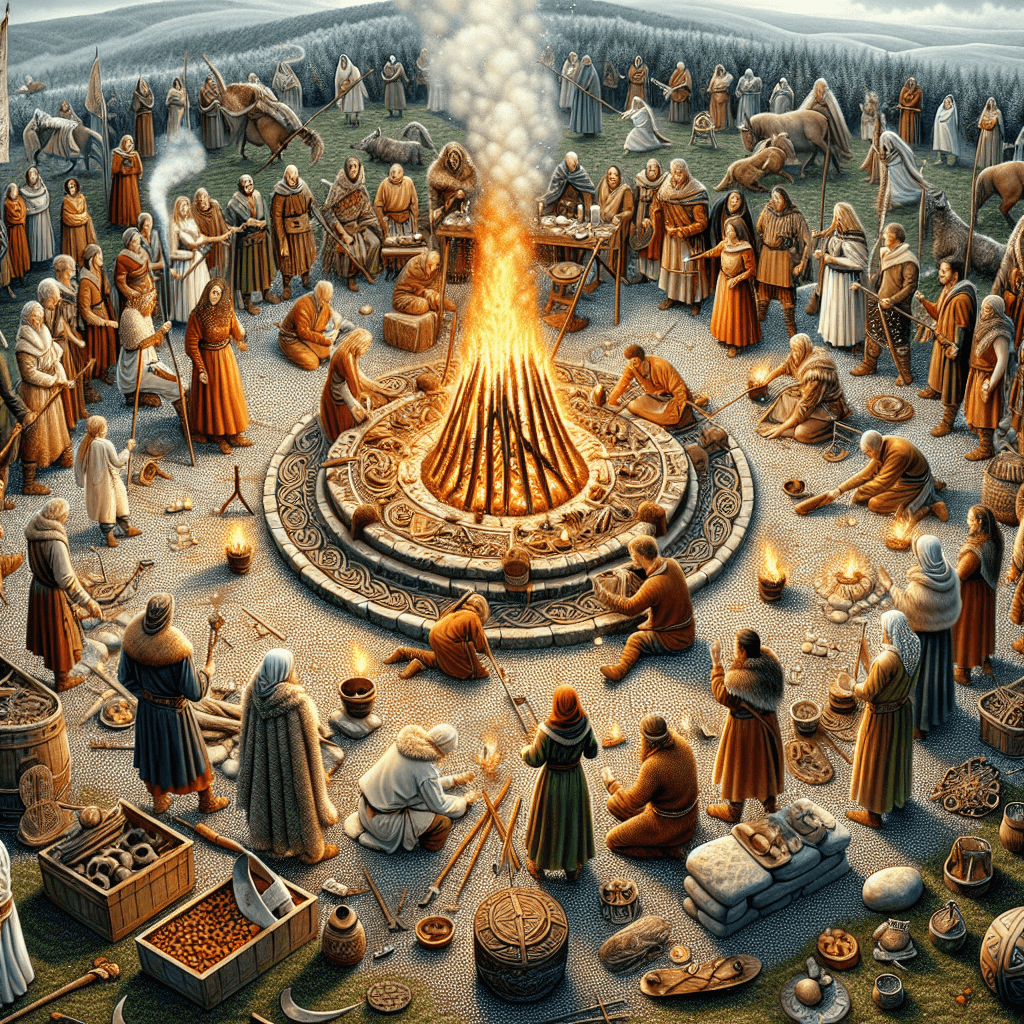


The flexibility of Lararium practices allows practitioners to maintain additional shrines or sacraria for specific deities who require more extensive devotional attention. If your household shrine becomes crowded with multiple divine beings, or if particular gods call for specialized worship practices, separate altar spaces can accommodate these spiritual relationships without disrupting your core daily rituals. Some practitioners maintain outdoor Lararia in gardens or patios, seasonal shrines for specific Roman festivals, or travel-sized portable shrines for maintaining spiritual connections while away from home. The adaptability of Roman household religion supports diverse approaches to honoring divine beings within contemporary pagan practice.
Weekly Lararium Ceremony Schedule
Expanding beyond daily offerings, weekly and monthly ceremonial cycles deepen your spiritual relationship with household deities while connecting your family’s religious practice to broader Roman calendar traditions. The traditional Roman religious calendar designated specific days for more elaborate household rituals, typically occurring three times monthly on the Calends, Nones, and Ides. These dates correspond to important lunar and civic calendar points that ancient Romans recognized as particularly auspicious for communicating with divine beings and renewing sacred contracts between families and their protective spirits.
Modern practitioners often incorporate weekly ceremonies that include more extensive ritual elements than daily morning and evening prayers. These expanded rituals might feature symbolic cleansing with water called ablutio, extended prayers to major Roman deities like Janus and Jupiter, formal salutations to ancestors and household spirits using traditional Latin phrases, and larger offerings that reflect seasonal abundance or special family celebrations. Weekly ceremonies provide opportunities for deeper meditation, longer conversations with divine beings, and more elaborate expressions of gratitude for ongoing protection and blessings.
The cyclical nature of weekly and monthly Lararium ceremonies creates rhythm and structure that supports consistent spiritual practice while allowing flexibility for modern scheduling constraints. Some families designate specific weekdays for their expanded household rituals, often choosing days that align with particular Roman deities or personal family traditions. Others prefer monthly observances that coincide with new moons, full moons, or specific dates that hold personal significance for their spiritual journey. The key is establishing sustainable patterns that honor both ancient Roman religious principles and contemporary lifestyle requirements.
These ceremonial cycles also provide natural opportunities for learning more about Roman history, mythology, and cultural practices that inform contemporary pagan spirituality. Preparing for monthly rituals might involve researching specific prayers, learning about seasonal festivals, or exploring historical sources that describe ancient household religious practices. Many practitioners find that deeper study enhances their appreciation for the sophisticated theological and philosophical foundations underlying Roman polytheism, while practical ritual experience creates personal relationships with deities that transcend academic knowledge. This combination of scholarly research and devotional practice creates rich spiritual experiences that connect modern pagans with ancient wisdom while addressing contemporary spiritual needs.
Daily Lararium Ritual Practices offer modern Roman polytheists meaningful ways to honor household spirits, ancestors, and protective deities within contemporary living spaces, creating sacred rhythms that connect ancient wisdom with current spiritual needs. What aspects of establishing your own household shrine feel most compelling as you consider bringing these time-tested practices into your daily spiritual routine?
Related Items:

Lilly Dupres
Owner & AuthorLilly Dupres, a lifelong practitioner of paganism, established Define Pagan to offer a clear definition of paganism and challenge misconceptions surrounding modern pagan lifestyles.


