Slavic Ritual Practices Guide: Essential Beginner Practices
Foundation Practices for Modern Practitioners
If you’re diving into this ancient spiritual path, start with the fundamentals that connected our ancestors to the natural world and the divine forces around them. This comprehensive Slavic Ritual Practices Guide begins with seasonal festivals, ancestor veneration, and simple offerings to gods and spirits. These foundational practices help you establish a genuine connection with Slavic spiritual heritage while honoring the cycles that governed daily life for centuries.
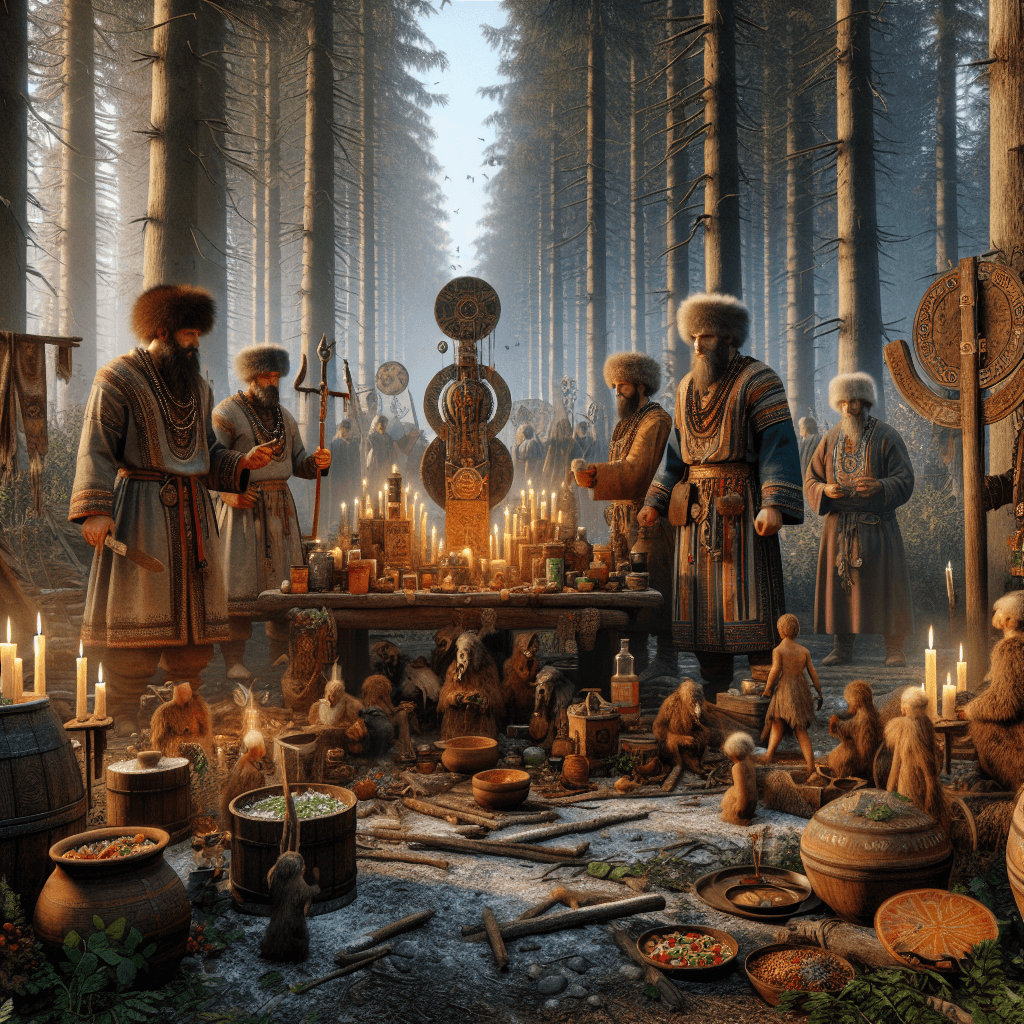
The core beginner practices center on making offerings to household spirits like the Domovoi, nature spirits such as the Leshy and Vila, and the ancient gods themselves. Traditional offerings include bread, salt, honey, and milk – simple yet powerful gestures that acknowledge the spiritual forces present in your life. Celebrating the Wheel of the Year through seasonal festivals creates a rhythm that aligns your practice with natural cycles, while honoring ancestors through candle lighting, food offerings, and storytelling maintains the crucial connection between past and present. Cleansing rituals involving springtime branch-whipping and water sprinkling purify both home and land, and participating in communal banquets called bratchina strengthens community bonds while honoring divine forces. These accessible practices form the backbone of authentic Slavic spirituality.
Ancient Slavic Seasonal Celebrations
The heartbeat of Slavic ritual life pulsed in rhythm with agricultural cycles and natural seasons, creating a spiritual calendar that guided communities through each turning of the year. Ancient Slavic seasonal celebrations weren’t just religious observances – they were essential community events that ensured survival, prosperity, and spiritual balance. The four major festivals that anchored this sacred year were the Spring Equinox known as Komoeditsa or Velja Noc, the Summer Solstice celebrated as Kupala Night, the Harvest Festival called Dożynki or Obzhynki, and the Winter Solstice festivities of Koliada. Each celebration marked a crucial transition point where the spiritual and physical worlds intersected most powerfully.
These seasonal celebrations served multiple purposes within Slavic communities. They functioned as agricultural markers, telling farmers when to plant, tend, harvest, and rest. They provided spiritual protection through rituals designed to ward off harmful forces while attracting beneficial ones. They strengthened social bonds as entire communities participated in shared ceremonies, feasts, and celebrations. Most importantly, they maintained the delicate balance between humans and the natural world, ensuring that people remained connected to the forces that governed their daily existence. The rituals performed during these times weren’t optional traditions – they were vital practices that communities believed directly influenced their survival and prosperity in the coming season. Modern practitioners can adapt these celebrations by focusing on their core spiritual principles while adjusting specific practices to fit contemporary life circumstances.
Traditional Spring Equinox Rituals
The Spring Equinox celebration of Velja Noc or Komoeditsa represented the most significant turning point in the Slavic ritual year, marking not just seasonal change but the actual beginning of a new cycle of life. This wasn’t simply about warmer weather arriving – it was about the fundamental forces of creation stirring back to life after winter’s dormancy. The ritual of whipping the land with fresh branches and sprinkling it with spring water served as both a physical and spiritual awakening ceremony. Practitioners would walk their property boundaries, gently striking the earth with birch or willow branches while speaking words of encouragement to seeds beginning their underground journey toward light. The spring water, often collected from newly flowing streams or melted snow, carried the pure energy of renewal and was believed to activate the sleeping fertility of the soil.
Home cleansing rituals during this period were equally important, involving the opening of wells that had been sealed during winter months and the thorough cleaning of houses, yards, and outbuildings. This wasn’t ordinary spring cleaning – it was a spiritual purification process that removed stagnant winter energy and prepared living spaces to receive the vital forces of the growing season. Families would prepare special festive breads enhanced with the first spring herbs like nettle, dandelion, or wild garlic, creating foods that embodied the season’s returning vitality. The practice of wearing masks or disguises during Spring Equinox celebrations served a dual purpose: welcoming beneficial ancestor spirits while frightening away lingering winter entities that might interfere with new growth. These masked figures would visit neighbors, performing blessings and receiving offerings of food and drink. Modern practitioners can adapt these rituals by creating their own spring awakening ceremonies, focusing on personal renewal, spiritual cleansing, and setting intentions for growth in the coming months.
Summer Solstice Sacred Ceremonies
Kupala Night represented the peak of natural power in the Slavic spiritual calendar, a time when the boundaries between worlds became permeable and magic flowed most freely through the natural landscape. This wasn’t just a celebration of summer’s arrival – it was recognition of the moment when earth’s creative forces reached their absolute zenith. The sacred fires lit on Kupala Night served multiple spiritual functions beyond their obvious symbolism of solar power. Young people would leap over these flames in pairs or individually, believing the fire’s purifying energy would burn away illness, bad luck, and spiritual impurities while blessing them with health, fertility, and protection. The height of one’s jump was thought to influence the height of grain crops, creating a direct magical connection between human action and agricultural abundance.
Water ceremonies during Kupala Night were equally significant, involving ritual bathing in rivers, lakes, or springs that were believed to possess special healing and cleansing properties on this night alone. These weren’t casual swims but deliberate spiritual practices where participants would immerse themselves while speaking prayers or intentions, allowing the water to wash away accumulated spiritual debris from the past year. The gathering of herbs and flowers reached critical importance during Kupala celebrations, as plants collected on this night were believed to possess maximum magical and medicinal potency. Practitioners would venture into forests and meadows before dawn, collecting specific herbs while speaking words of gratitude and intention. Divination rituals flourished during Kupala Night, with young women floating flower wreaths on moving water to predict marriage prospects, or dropping heated metal into water to read shapes that foretold the future. Modern practitioners can honor Kupala Night through fire ceremonies, water blessings, herb gathering expeditions, and divination practices that connect them with this powerful seasonal energy while respecting traditional methods and intentions.
Harvest Festival Spiritual Practices
The Harvest Festival known as Dożynki or Obzhynki represented the culmination of the agricultural year and the moment when communities celebrated the successful completion of nature’s most vital cycle. This wasn’t merely a celebration of abundant crops – it was a profound spiritual acknowledgment of the partnership between human effort and divine blessing that made survival possible. The practice of making offerings to gods and spirits during harvest time took on special significance, as communities shared their newly gathered abundance with the spiritual forces that had enabled their success. These offerings often included bread baked from the first new grain, elaborate cakes decorated with harvest symbols, and the preservation of the last sheaf of grain as a sacred object that would protect stored food throughout winter months.

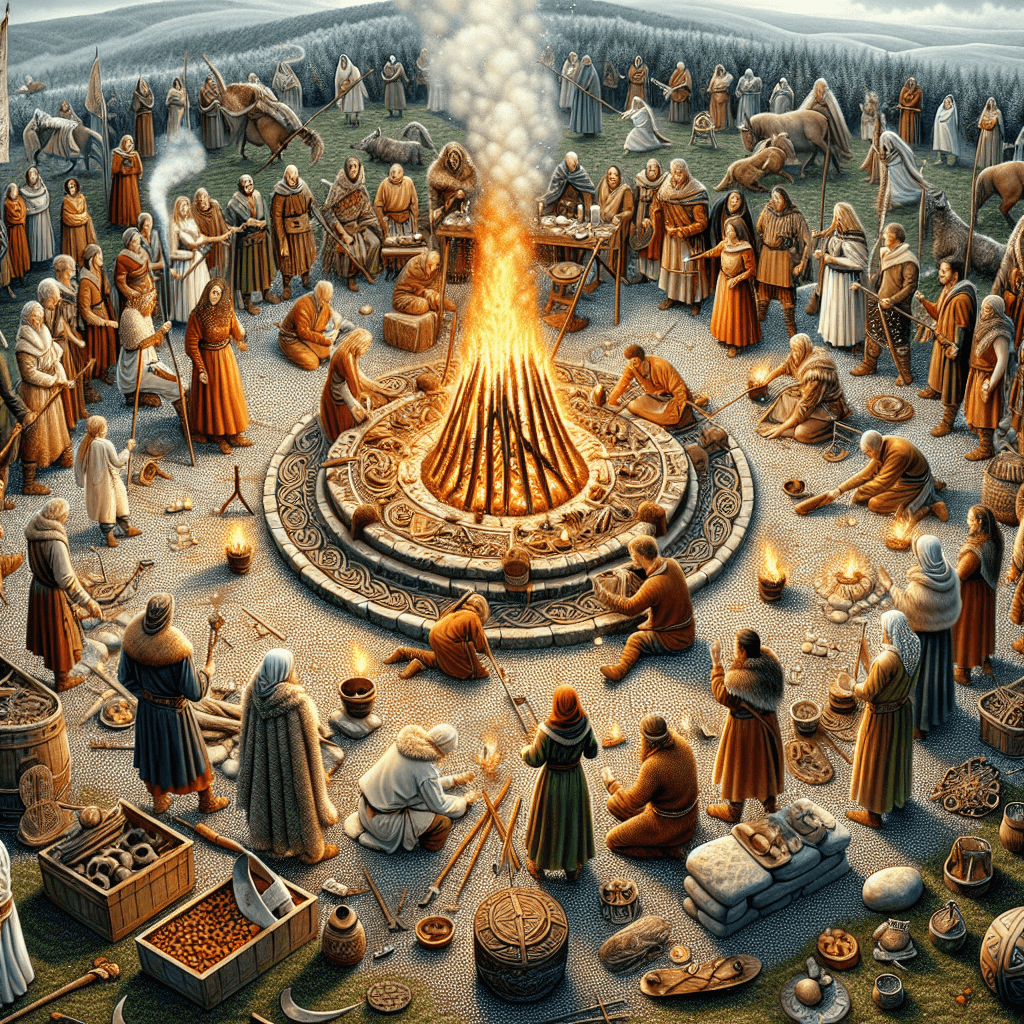

The tradition of baking large ceremonial cakes from new grain involved entire communities in ritual food preparation that transformed simple ingredients into sacred vessels of thanksgiving and blessing. In some regions, priests or spiritual leaders would position themselves behind these massive cakes during blessing ceremonies, symbolically emerging from the abundance to predict the following year’s harvest prospects based on various omens and signs. Ritual processions to water sources played a crucial role in harvest celebrations, as people and domestic animals would bathe together in rivers or lakes to purify themselves and ensure continued health and fertility through the darker months ahead. These processions weren’t casual community gatherings but carefully orchestrated spiritual events where water’s cleansing power was believed to wash away the accumulated fatigue and spiritual residue of hard agricultural labor.
The feasting and dancing that concluded harvest festivals served spiritual purposes beyond simple celebration, creating opportunities for communities to share their abundance while strengthening social bonds that would prove crucial during winter’s isolation. Modern practitioners can adapt harvest festival practices by creating gratitude ceremonies for life’s abundance, sharing food with others as spiritual practice, engaging in water blessing rituals, and participating in community celebrations that honor the cycles of growth, harvest, and renewal that continue to sustain human life regardless of technological advancement.
Winter Solstice Blessing Traditions
The Winter Solstice celebration of Koliada marked the year’s most spiritually significant moment – the turning point when darkness reached its maximum power before yielding to returning light. This wasn’t simply about longer days beginning – it was recognition of the cosmic battle between light and darkness that determined the fate of all living things. The lighting of candles and bonfires during Koliada carried profound spiritual meaning, as each flame was believed to help the sun regain its strength for the journey back toward spring. Families would light candles in every window of their homes, creating beacons that guided beneficial spirits while warning away harmful entities attracted to winter’s darkness. Community bonfires served as focal points for group ceremonies where people would gather to sing, share food, and perform rituals designed to ensure the sun’s successful return.
The tradition of singing carols and performing ritual processions during Koliada involved entire communities in spiritual practices that blessed homes, families, and the land itself. These weren’t casual performances but sacred activities where specific songs carried prayers and blessings from house to house, creating networks of spiritual protection that encompassed entire settlements. Carol singers would often wear elaborate costumes representing various spiritual beings, transforming themselves into vessels for divine blessing as they moved through their communities. The practice of making offerings to ancestors and household spirits intensified during Koliada, as the long nights were believed to bring the spirit world closer to the physical realm. Families would prepare special foods, light extra candles, and create altar spaces where deceased relatives could participate in solstice celebrations.
Gift exchange during Koliada wasn’t commercial activity but spiritual practice that strengthened community bonds while acknowledging the divine gifts that made life possible. These exchanges often involved handmade items, specially prepared foods, or objects that carried spiritual significance and blessing from giver to receiver. The sharing of food took on ritual importance as families and communities gathered for elaborate feasts that celebrated survival through the year’s darkest period while expressing confidence in spring’s eventual return. Modern practitioners can honor Koliada through candle lighting ceremonies, carol singing or blessing chants, ancestor veneration rituals, meaningful gift exchanges, and community feasts that celebrate the triumph of light over darkness while building spiritual connections that sustain them through challenging times.
This Slavic Ritual Practices Guide provides the foundation for authentic spiritual practice rooted in ancient wisdom yet adaptable to modern circumstances. Which of these seasonal celebrations resonates most strongly with your spiritual journey, and how might you begin incorporating these time-tested practices into your own ritual year?
Related Items:

Lilly Dupres
Owner & AuthorLilly Dupres, a lifelong practitioner of paganism, established Define Pagan to offer a clear definition of paganism and challenge misconceptions surrounding modern pagan lifestyles.