
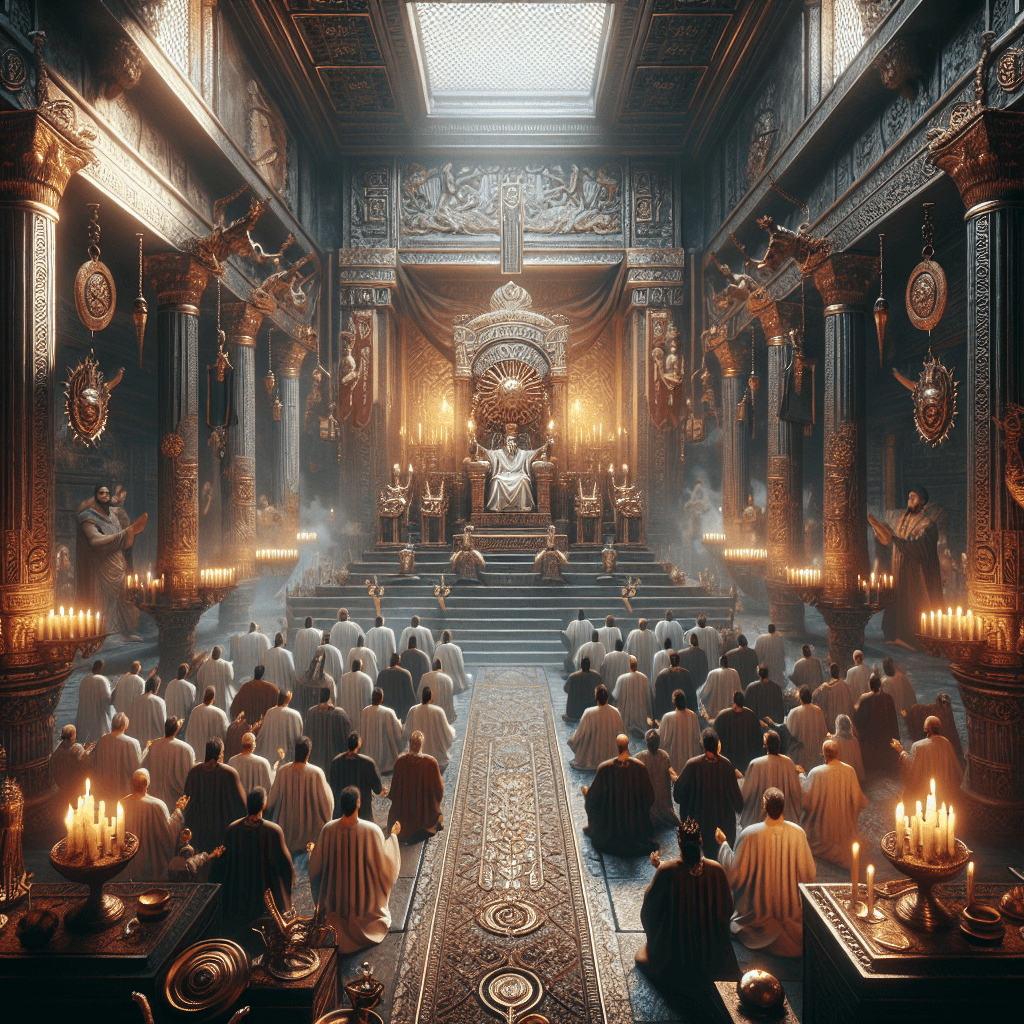
What are the common rituals and ceremonies used in ancient divine ruler worship practices across different civilizations?
Divine ruler worship practices formed the spiritual backbone of ancient societies, creating sacred bonds between earthly monarchs and celestial powers. These elaborate ceremonies transformed ordinary humans into divine intermediaries, bridging the gap between mortal subjects and immortal gods. Across Egypt, Rome, Mesopotamia, and countless other civilizations, rulers underwent complex rituals that emphasized their unique role as conduits for divine will. Daily temple offerings required priests or rulers themselves to wash, anoint, and feed statues of gods, maintaining the cosmic order through meticulous care. Coronation rites established divine legitimacy through sacred oils, blessed regalia, and ceremonial proclamations witnessed by thousands. Renewal festivals like Egypt’s Sed ceremonies rejuvenated pharaonic power through ritualistic death and rebirth, while New Year celebrations saw rulers mediating between their people and the gods. Post-mortem deification ceremonies completed the transformation from mortal king to eternal deity, ensuring continued protection for the realm. These unified societies functioned by linking political loyalty directly to divine favor, creating unbreakable bonds between religious devotion and civic duty.
Ancient Emperor Deification Rituals
Roman apotheosis ceremonies represented the pinnacle of ancient divine ruler worship practices, transforming deceased emperors into gods through Senate approval and elaborate public spectacles. The deification process began immediately after an emperor’s death, with designated mourning periods that saw entire cities draped in black while citizens performed prescribed grief rituals. Skilled artisans crafted wax effigies positioned on ivory couches, creating lifelike representations that received offerings and prayers as if the ruler still lived among them. Magnificent processions wound through the Via Sacra, Rome’s sacred way, where thousands gathered to witness choirs singing eulogies while cavalry units displayed military honors. The climactic moment arrived when the successor personally lit the funeral pyre, sending flames skyward as an eagle released from the burning structure symbolized the emperor’s soul ascending to join the pantheon.
Egyptian pharaohs underwent similar transformation rituals, merging with Ra during their journey across the sky or joining Osiris in the underworld realm of the dead. Mesopotamian kings, while not achieving full deification, received elaborate burial rites that positioned them as eternal intermediaries between gods and people. These ancient emperor deification rituals established temples, priesthoods, and statue cults complete with divine attributes like radiate crowns, ensuring perpetual worship for generations. The Temple of Divus Julius exemplified this practice, where Romans offered prayers and sacrifices to their deified leader. Mesopotamian ziggurats served similar functions, towering monuments where deceased kings received offerings while their spirits continued guiding their people through divine wisdom.
Modern Presidential Ceremonial Traditions
Contemporary presidential ceremonies retain subtle echoes of ancient divine ruler worship practices, though stripped of explicit religious deification while maintaining symbolic elements that elevate leaders above ordinary citizens. State funerals mirror Roman imperial processions, featuring horse-drawn caissons, military honor guards, and carefully choreographed rituals that transform deceased presidents into revered national figures. Presidential inaugurations incorporate sacred elements like oath-taking on religious texts, ceremonial anointings through the transfer of power, and mass gatherings that witness the peaceful transition of divine-like authority. Modern presidential libraries function similarly to ancient temples, preserving artifacts and hosting pilgrimage-like visits where citizens commune with presidential legacies.
The presidential seal, Air Force One, and White House ceremonies create an aura of sacred authority reminiscent of pharaonic regalia and Roman imperial symbols. Television broadcasts amplify these ceremonies across vast distances, creating shared national experiences that parallel ancient festival participation. Presidential pardons echo divine mercy traditions, while state dinners and diplomatic ceremonies position leaders as intermediaries between their people and foreign powers. Memorial services transform former presidents into secular saints, with their words quoted like scripture and their images displayed in government buildings nationwide. While lacking explicit religious worship, these modern traditions preserve the fundamental structure of divine ruler veneration through carefully maintained rituals that separate presidents from ordinary mortals.
The Lincoln Memorial and Mount Rushmore demonstrate how modern societies create sacred spaces for presidential worship, drawing millions of visitors who seek inspiration from these transformed leaders. Campaign rallies generate devotional fervor reminiscent of ancient religious festivals, where supporters gather to receive wisdom from their chosen leaders.
Sacred Kingship Religious Ceremonies
Pharaohs embodied Horus on earth through elaborate coronation ceremonies that transformed ordinary princes into divine rulers capable of maintaining Ma’at, the cosmic order that kept chaos at bay. These sacred kingship religious ceremonies began with ritual purification in sacred pools, followed by anointing with holy oils blessed by high priests representing different aspects of the divine pantheon. The double crown ceremony united Upper and Lower Egypt through the physical placement of sacred headpieces while thousands of subjects witnessed their new god-king’s transformation. Sed festivals renewed pharaonic power through ritualistic death and resurrection, requiring rulers to run ceremonial courses, perform sacred dances, and receive renewed divine energy from temple priests.
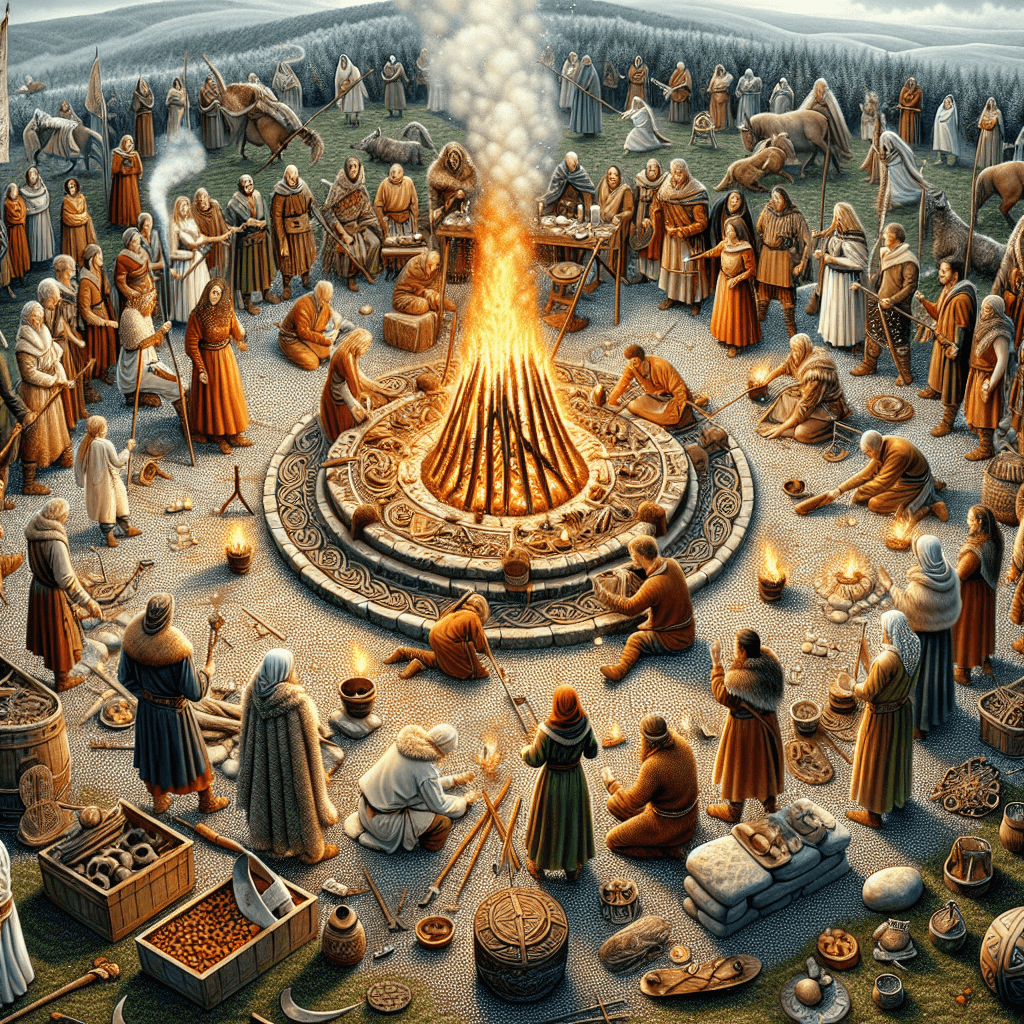


Egyptian temple rites delegated daily god-care to priests who maintained divine statues through washing, feeding, and clothing rituals that kept cosmic forces balanced. Mesopotamian kings served as high priests according to the Sumerian King List, offering sacrifices at ziggurats while mediating between their people and powerful deities who controlled floods, harvests, and warfare. These rulers climbed towering temple steps daily, bringing offerings of grain, livestock, and precious metals to ensure continued divine favor for their kingdoms. Inca Sapa Inka descended directly from Inti, the sun god, receiving worship as living deities who controlled agricultural cycles through their spiritual power.
Medieval European kings received anointing coronations that sanctified their rule through holy oils applied by church officials, creating divine right monarchs who ruled by celestial mandate. Sacred kingship religious ceremonies always positioned rulers as cultic mediators who presided over sacrifices, prayers, and seasonal festivals that maintained cosmic harmony. New Year celebrations required royal participation in renewal rituals that regenerated both kingdom and cosmos through carefully performed ceremonies passed down through generations of priest-kings.
Pantheon Organization: Hierarchies of Deities
Divine rulers integrated seamlessly into established pantheons as powerful intermediaries positioned between supreme deities and mortal subjects, creating complex hierarchical systems that governed both spiritual and political realms. Egyptian pharaohs claimed descent from Ra and Horus while ruling alongside gods like Amun, Ptah, and Osiris, forming divine family structures that legitimized earthly authority through celestial bloodlines. Roman divi joined the pantheon following Senate-approved apotheosis, with living emperors like Augustus claiming titles such as Divi filius to establish connections with deified predecessors like Julius Caesar. These pantheon organization systems placed rulers below major creation deities but far above ordinary humans, creating intermediate divine categories that required specific worship protocols and temple ceremonies.
Mesopotamian kings bridged gods and people without achieving full deification, serving as permanent high priests who maintained ziggurat temples while receiving divine guidance through dreams, omens, and prophetic visions. Collective cults like Rome’s Dii Imperii grouped deified emperors into divine councils that governed specific aspects of imperial administration, warfare, and prosperity. Egyptian divine kingship created dual nature rulers who simultaneously embodied Horus during life and merged with Osiris after death, maintaining continuity between earthly reign and eternal divine service. Chinese emperors claimed Mandate of Heaven, positioning themselves as Sons of Heaven within pantheons that included ancestral spirits, nature deities, and cosmic forces governing imperial destiny.
These hierarchical systems reinforced royal authority through religious architecture, with temple complexes displaying ruler statues alongside traditional gods while priests performed daily rituals honoring both categories of divine beings. Divine ruler worship practices created pantheon structures that survived political changes, with new dynasties often incorporating predecessor deities while establishing their own divine legitimacy. Sacred texts recorded these hierarchies through genealogies connecting ruling families to creation myths, flood narratives, and cosmic battles between order and chaos.
Ancient divine ruler worship practices continue influencing modern spiritual and political systems in ways most people never recognize. How might understanding these sacred kingship traditions transform your own relationship with authority, leadership, and the divine forces that shape our world today?
Related Items:

Lilly Dupres
Owner & AuthorLilly Dupres, a lifelong practitioner of paganism, established Define Pagan to offer a clear definition of paganism and challenge misconceptions surrounding modern pagan lifestyles.


