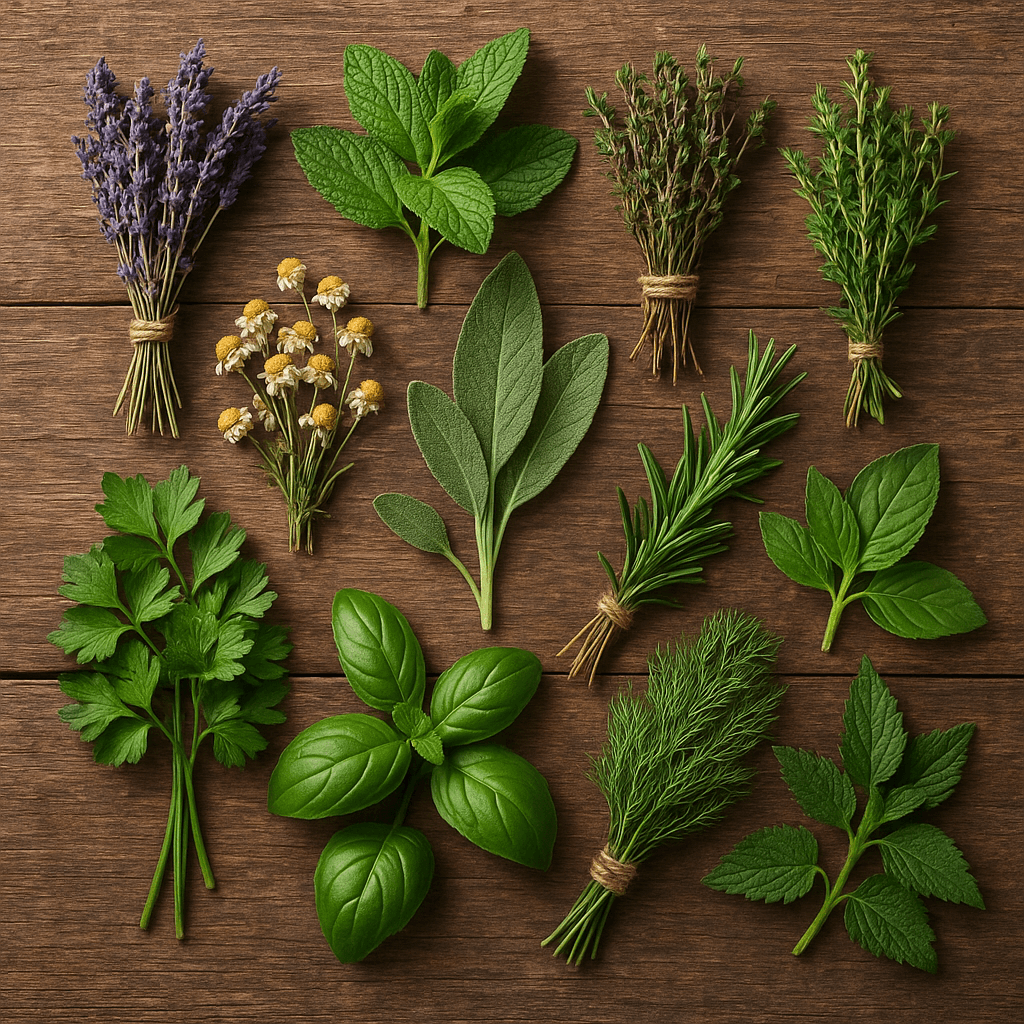
Which herbs have the longest track record in folk magic traditions?

Cunningham's Encyclopedia of Magical Herbs (Llewellyn's Sourcebook Series)
View Product →When you’re preparing protection spells or house blessings, you don’t need trendy herbs with questionable histories. You need plants that folk practitioners have trusted for centuries across different regions and traditions.
The difference between reliable magical herbs and modern marketing comes down to documented use. Real folk magic herbs show up repeatedly in historical practices from Scotland to the Mediterranean. They earned their reputation through generations of practical work, not Instagram posts.
The Core Herbs in Sanctioned by Tradition: 10 Herbs Used in Folk Magick for Centuries
Ten herbs stand out for their consistent appearance in European folk traditions. Each serves specific magical purposes that practitioners have relied on for hundreds of years.
Juniper leads the list for cleansing work. Scottish and broader European practitioners burned juniper in homes and barns, especially at New Year, to drive out harmful influences. The smoke clears spaces before ritual work.
Rue carries serious protective power, particularly against the evil eye in Mediterranean folk magic. Handle rue with respect and keep it external only. This plant demands careful physical handling but delivers strong boundary work.
Mugwort appears throughout Anglo-Saxon and European contexts for protection, healing, and threshold work. Folk practitioners used mugwort when working with dreams and crossing spiritual boundaries.
Rosemary serves triple duty for purification, remembrance, and warding in household practice. You’ll find rosemary in blessing work where you want gentle but effective cleansing.
The remaining six herbs each fill specific roles: Bay for formal blessing work, basil for gentle household protection, vervain for devotional practice, yarrow for protection and luck, nettle for defensive boundaries, angelica root for personal safeguarding, and wormwood for banishing and severing work.
How Traditional Use Guides Modern Folk Magic Practice
Function determines which herb you choose, not popularity or availability. Each plant in Sanctioned by Tradition: 10 Herbs Used in Folk Magick for Centuries serves distinct magical purposes that traditional use defines.
For cleansing before ritual work, juniper, rosemary, and bay deliver dependable results. Their smoke clears space without harsh energy that disrupts gentle work.
For protective boundaries, rue, nettle, and yarrow carry the necessary weight. These plants create barriers against unwanted influences. Nettle particularly excels at stopping intrusion with its sharp, defensive energy.
For formal magical work like charm bags or dressed candles, angelica root and vervain bring the appropriate energy. These herbs suit courtly or devotional traditions that require elevated spiritual presence.

Wild Witchcraft: Folk Herbalism, Garden Magic, and Foraging for Spells, Rituals, and Remedies
View Product →Wormwood serves banishing and severing work exclusively. This blunt, severe plant has no place in gentle house blessings or welcoming rituals.
Basil and rosemary work best when you want blessing without harshness. These herbs provide protection and purification while maintaining warm, welcoming energy.
Selecting Quality Herbs for Magical Work
Quality matters more than quantity when building your herbal cabinet. Poor-quality herbs fail in magical work just as they fail in cooking or medicine.
Dried herbs should retain the plant’s original scent, not smell like dust or storage. Leaves need to hold color and shape when your work requires visible presence on altars or in charm bundles.
Roots like angelica should feel firm, not brittle enough to crumble when handled. Quality roots maintain their essential oils and active compounds that make them effective in magical practice.
For smoke work with juniper berries, rosemary, mugwort, and bay, the herbs must be dry enough to burn cleanly without turning to powder. Excess moisture creates poor smoke and incomplete combustion.
For washes, baths, or teas, research each plant’s safety profile before adding it to water. Some herbs that work well in smoke or sachets become problematic when used internally or on skin.
Traditional Methods for Working with Folk Magic Herbs
Each herb in Sanctioned by Tradition: 10 Herbs Used in Folk Magick for Centuries works best in specific forms that tradition supports. The method matters as much as the plant choice.
Smoke work suits juniper for cleansing, mugwort for threshold work, and wormwood for banishing. Burn these herbs on charcoal or in fire-safe bowls to create ritual smoke.
Floor washes use rosemary and bay for blessing and household order. Steep the herbs in hot water, strain, and use the liquid to wash floors, doorways, and windowsills.
Bath work incorporates protective herbs like yarrow for personal cleansing. Place herbs in muslin bags to prevent plant matter from clogging drains.
Sachets and pouches hold angelica root for personal safeguarding or protective herb blends for carrying. Sew herbs into small fabric bags for portable protection.

Altar placement uses fresh or dried herbs to maintain ongoing magical work. Replace herbs regularly to keep their energy fresh and active.
Charm bundles combine multiple herbs for complex magical goals. Bind herbs together with natural thread while focusing on your magical intention.
Building Your Core Herbal Practice
Start with these ten proven herbs before exploring less common plants. Deep knowledge of traditional herbs serves you better than surface familiarity with dozens of options.
Each herb requires individual study to understand its personality and preferred working methods. Rosemary behaves differently than rue. Bay creates different energy than wormwood. Nettle demands different respect than chamomile.
Traditional use provides the boundary lines for each herb’s application. Respect these boundaries and your magical work becomes cleaner and more effective.
Source your herbs from suppliers who understand ritual use and quality requirements. Most herbs in folk magic work are readily available, but quality varies significantly between suppliers.
These ten herbs form the foundation of effective folk magic practice. They’ve earned their place through centuries of practical use across multiple traditions, giving you confidence in their reliability and effectiveness.
The herbs covered in Sanctioned by Tradition: 10 Herbs Used in Folk Magick for Centuries provide everything you need for solid protective, cleansing, and blessing work rooted in genuine folk practice. This guide helps you choose herbs based on documented traditional use rather than modern trends. Explore the complete guide and other traditional pagan resources at our shop.

Lilly Dupres
Owner & AuthorLilly Dupres, a lifelong practitioner of paganism, established Define Pagan to offer a clear definition of paganism and challenge misconceptions surrounding modern pagan lifestyles.