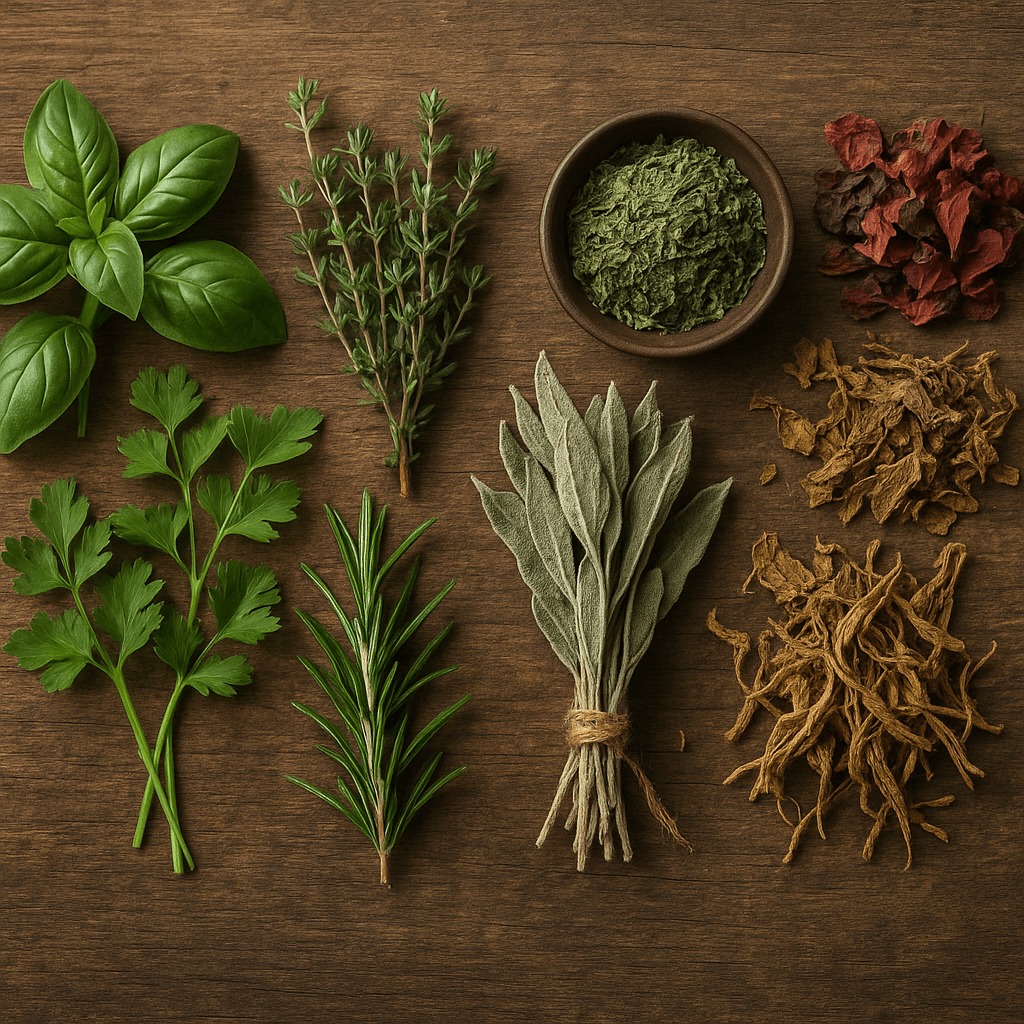
Why Do Culinary and Magickal Herbs Work Differently in Ritual Practice?
The herbs you buy for cooking are not the same as herbs labeled for spellwork. This distinction affects everything from the safety of your tea blends to the potency of your charm bags. Understanding the difference between culinary and magickal herb grades will transform how you select materials and strengthen your ritual results.
What Makes Culinary and Magickal Herb Grades Different

Culinary herbs undergo processing designed for human consumption. They meet food safety standards, arrive cleaned of debris, and maintain consistent particle sizes for cooking. Suppliers test them for pesticides, bacteria, and foreign matter.
Magickal herbs follow different priorities. Suppliers select them for ritual appearance, symbolic meaning, and traditional uses. A magickal-grade herb might arrive as whole flowers for spell jars, uncut roots for charm work, or coarsely ground material that holds its essential oils better than fine powder.
The same plant species looks and performs differently depending on its grade. Culinary rosemary comes uniformly cut and sifted. Magickal rosemary might include longer stems, more varied leaf sizes, and visual appeal for altar work.
How the Difference Between Culinary and Magickal Herb Grades Affects Safety
Food-grade herbs undergo stricter safety protocols. They face testing for harmful bacteria, chemical residues, and contamination that affects human health. You want this level of safety when brewing teas, making tinctures, or preparing food offerings.
Magickal herbs may skip these safety measures. A supplier might prioritize authentic harvesting methods or traditional drying techniques over sterile processing. This approach works fine for charm bags, incense, and decorative altars. It becomes problematic if you plan to ingest the herbs or use them in bath blends.
Always check the intended use before buying. Herbs labeled “not for consumption” should stay out of your teacup and off your skin. Suppliers state these limitations clearly when you know what to look for.
Quality Markers That Reveal True Herb Grades
Fresh herbs maintain bright, clear colors. Faded or brown material suggests age, poor storage, or low-grade sourcing. Good suppliers rotate stock regularly and store herbs away from light and moisture.

Aroma tells the truth about herb quality. Open the container and smell it immediately. Strong, pleasant scents indicate active essential oils. Weak or musty odors mean the herb has lost potency or developed problems during storage.
Texture reveals processing quality. Culinary herbs feel clean and uniform. You should not find excessive dust, foreign particles, or broken stems. Magickal herbs may include more plant parts, but quality versions still arrive free of debris and mold.
When to Choose Culinary vs Magickal Grades for Your Practice
Choose culinary grade when you plan to consume the herb. This includes ritual teas, food offerings, bath soaks, and any blend that touches your mouth or skin directly. The safety standards matter more than symbolic appearance.
Select magickal grade for charm bags, spell jars, incense blends, and altar decorations. These applications benefit from visual appeal, traditional plant parts, and authentic processing methods. You want whole flowers for love spells, intact roots for protection work, and bark pieces that look the part in seasonal displays.
Some herbs work well in either grade. Lavender, chamomile, and rose petals maintain their ritual properties whether they meet food standards or not. Others, like certain tree barks or exotic resins, only make sense in magickal grades since you would not consume them anyway.
Why the Difference Between Culinary and Magickal Herb Grades Changes Your Results
Poor quality herbs produce disappointing results. Stale culinary herbs make weak teas and flavorless food offerings. Low-grade magickal herbs crumble into dust, lose their scent quickly, and fail to maintain their symbolic power over time.
Quality herbs enhance your practice in measurable ways. Fresh rosemary creates potent cleansing washes. Well-preserved mugwort maintains its dream-work properties. Properly dried sage burns cleanly without excessive smoke or harsh odors.
The visual impact matters more than most practitioners realize. Whole, colorful, aromatic herbs make your altar work feel alive and intentional. Dusty, broken, faded material undermines the psychological power of ritual. Your subconscious responds to quality, even when your conscious mind tries to ignore it.
Smart Sourcing Strategies for Both Herb Grades
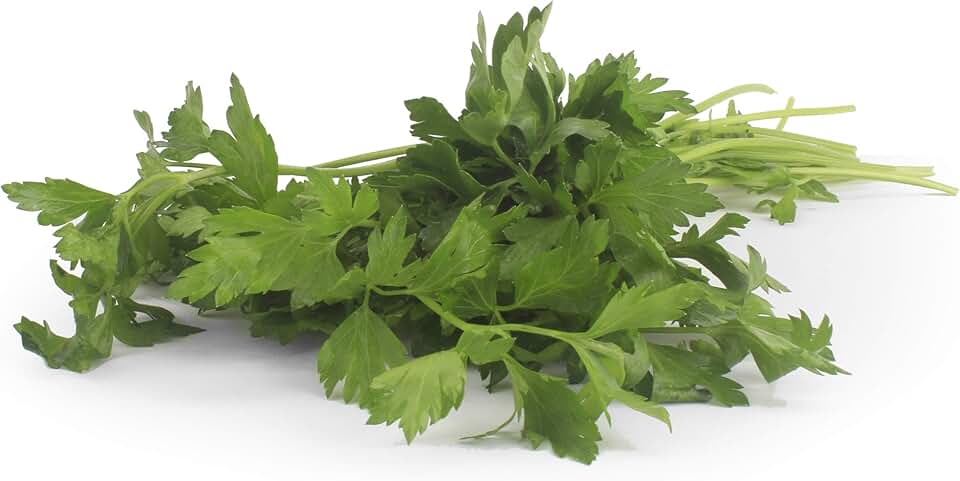
Buy from suppliers who understand your intended use. Kitchen supply companies excel at culinary grades but may not stock the whole plant parts useful for spellwork. Occult shops often carry magickal grades but may not prioritize food safety for their consumable herbs.
Ask specific questions before ordering. Find out how long the herbs have been in stock, how they were processed, and whether they meet food safety standards if you plan to ingest them. Reputable suppliers answer these questions directly.
Store your herbs properly regardless of grade. Keep them in airtight containers away from light, heat, and moisture. Label everything with purchase dates and intended uses. Even high-quality herbs degrade over time without proper storage.
Start with small quantities when trying new suppliers. Order enough to test the quality without committing to large amounts of potentially inferior material. Good herbs justify larger purchases once you verify their quality and freshness.
Understanding herb grades helps you make informed choices that strengthen your practice and keep you safe. Quality materials produce better results whether you are brewing ritual teas or filling spell jars. Browse our carefully curated selection of both culinary and magickal grade herbs at https://www.definepagan.com/pagan-shop/ to find exactly what your practice needs.

Lilly Dupres
Owner & AuthorLilly Dupres, a lifelong practitioner of paganism, established Define Pagan to offer a clear definition of paganism and challenge misconceptions surrounding modern pagan lifestyles.