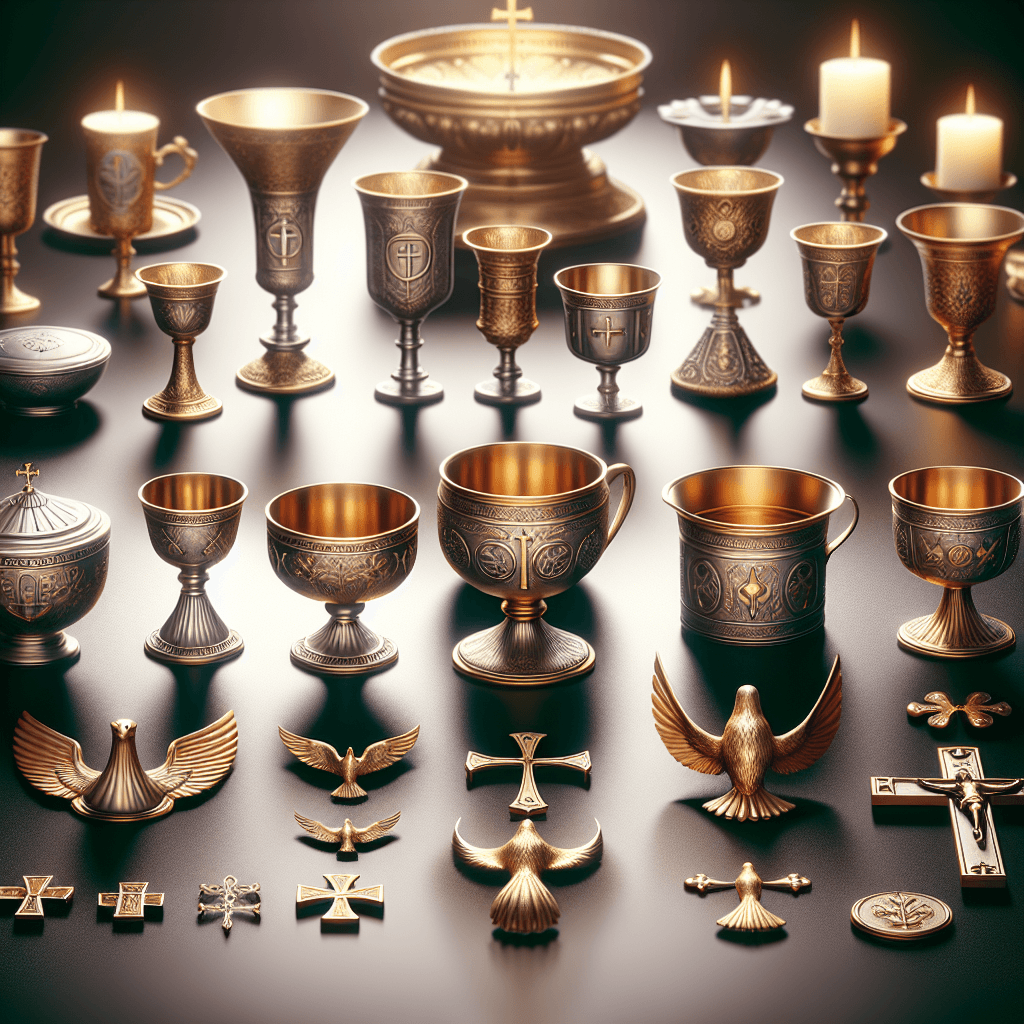
How do you properly clean and maintain a chalice to prevent tarnishing and damage?

New Age Imports, Inc. Pentagram Chalice 5" High~ Silver Plated 100% Solid Brass
View ProductEffective chalice care and maintenance begins with understanding that your sacred vessel requires gentle, consistent attention to preserve both its physical beauty and spiritual integrity. The key lies in using mild cleaning agents like dish soap or warm water mixed with baking soda, combined with soft 100% cotton cloths that protect delicate surfaces from scratching or corrosion. This gentle approach neutralizes acidic residues from ritual wines or other ceremonial liquids while safeguarding precious metal plating and finishes. Unlike harsh commercial cleaners that strip protective layers, this method respects the sacred nature of your chalice while ensuring longevity. The process involves careful hand washing without full submersion, which prevents water from seeping into joints or decorative elements where it could cause hidden damage. After cleaning, thorough drying with cotton towels prevents water spots and tarnish acceleration, particularly important for silver pieces. Proper storage in flannel bags creates a barrier against air exposure, the primary cause of tarnishing in most metals. This comprehensive approach to chalice care and maintenance protects your investment while honoring the vessel’s role in your spiritual practice. Many practitioners find that establishing a cleaning routine immediately after ritual use prevents stubborn buildup and maintains the chalice’s energetic clarity. The combination of physical cleansing and mindful care creates a practice that extends beyond mere maintenance into spiritual devotion.
Daily Chalice Cleaning Steps
Your daily cleaning routine forms the foundation of proper chalice maintenance, preventing minor issues from becoming major restoration projects. Begin by wiping the interior with a soft cotton cloth dampened in warm water mixed with baking soda, which effectively neutralizes wine acidity and other ritual liquid residues without harsh chemical interactions. The gentle swishing motion helps distribute the cleaning solution throughout the bowl, followed by careful pouring of residue into your garden or designated sacred water disposal area. Focus particular attention on the exterior surfaces where fingerprints and oils accumulate during ritual handling, using the same gentle cleaning method or specialized oil remover sprays applied with microfiber towels. Avoid nylon or abrasive cloths that create microscopic scratches, compromising both appearance and structural integrity over time. The immediate pat-dry step using a completely dry 100% cotton towel prevents water spots and halts the tarnish acceleration process that begins when moisture lingers on metal surfaces. Cotton gloves during handling minimize oil transfer from your skin, reducing cleaning frequency while maintaining the chalice’s pristine appearance. This daily practice takes only minutes but prevents the accumulation of residues that become increasingly difficult to remove. The key lies in consistency rather than intensity, allowing gentle care to preserve your chalice’s beauty without aggressive scrubbing. Many practitioners incorporate this cleaning ritual into their post-ceremony routine, creating a meditative closure that honors both the sacred work completed and the vessel that facilitated it. Remember that different metals respond uniquely to cleaning agents, so observe your chalice’s reaction to establish the most effective approach.
Proper Chalice Storage Methods
Strategic storage protects your chalice during dormant periods while maintaining its readiness for the next ritual gathering. Wrapping your chalice in soft flannel bags or dedicated cloths creates an effective barrier against air circulation, the primary catalyst for tarnish formation on metal surfaces. This protective layer also guards against dust accumulation and accidental contact damage when stored alongside other ritual tools. Never stack metal chalices directly against each other, as metal-on-metal contact creates scratching and accelerated wear patterns that compromise both function and appearance. Instead, separate each piece with protective towels or padded layers that cushion against movement while allowing air circulation around the protective wrapping. Choose storage locations that remain cool and maintain low humidity levels, as elevated moisture accelerates tarnishing processes particularly in silver pieces where even minimal water residue creates rapid discoloration. Your storage area should remain stable in temperature to prevent condensation cycles that introduce moisture despite careful drying practices. Consider dedicating a specific drawer or cabinet section to chalice storage, preventing the shifting and bumping that occurs in shared storage spaces. The storage container itself matters significantly, with natural materials like wood offering superior moisture regulation compared to plastic containers that trap humidity. Position your stored chalices away from heating vents, windows, and other sources of temperature fluctuation that stress metal structures over time. Some practitioners find that including small sachets of activated charcoal or silica gel in their storage area helps control ambient moisture without direct contact with the chalice surfaces. Document your storage system to ensure consistent placement and protection, particularly when managing multiple chalices for different ritual purposes.
Chalice Polishing Frequency Guidelines
Establishing appropriate polishing schedules prevents both under-maintenance and over-treatment that damages delicate finishes. Monthly polishing suits chalices used weekly in regular practice, using non-abrasive silver polish or specialized metal cleaners applied sparingly with lint-free cloths in circular motions followed by thorough buffing. The circular application technique ensures even coverage while preventing streaking that occurs with linear polishing patterns. For silver chalices, quality polishing paste like Wright’s Silver Cream paired with soft-bristled toothbrushes addresses intricate crevices and decorative details that cloth application misses. Always follow chemical polishing with gentle hand washing to remove polish residues that continue working on metal surfaces, potentially over-treating areas and creating uneven appearance. Test any DIY polishing methods like baking soda paste on hidden areas first, as some home remedies create microscopic scratches that accumulate into visible damage over time. Protective wax application after polishing extends intervals between treatments by creating a barrier against air and moisture exposure. Avoid commercial polish dips and abrasive treatments that strip plating and destroy carefully developed patinas that add character and value to vintage pieces. Over-rubbing during polishing generates heat and pressure that thin protective platings, particularly problematic with gold or silver overlay finishes. Monitor your chalice’s response to establish optimal frequency, as usage patterns and environmental conditions create unique maintenance needs. Some practitioners align polishing schedules with lunar cycles or seasonal transitions, incorporating maintenance into their broader spiritual practices. Quality trumps frequency in polishing practices, with gentle monthly attention surpassing aggressive weekly treatments in long-term preservation results.
Professional Chalice Restoration Services
Professional restoration becomes necessary when home maintenance reaches its limits or when valuable pieces require specialized attention. Seek workshops that specialize in religious and ceremonial vessels, as they understand the unique requirements and sensitivities involved in sacred object restoration. These professionals address serious tarnishing, pitting, lost finishes, and structural wear using techniques that preserve historical and spiritual integrity. Their approach avoids aggressive treatments that strip valuable patinas or damage antique platings that contribute to both monetary and sentimental value. Professional services include replating for deep scratches, specialized solvent cleaning unsuitable for home use, and structural repairs that restore function without compromising appearance. The investment in professional restoration often proves economical compared to replacement costs, particularly for quality pieces or those with personal significance. Research potential service providers thoroughly, seeking those with experience in liturgical pieces rather than general metalworking shops that lack understanding of religious vessel requirements. Request detailed explanations of proposed treatments and their long-term effects on your specific chalice material and construction. Professional assessment helps distinguish between issues requiring expert intervention and those manageable through improved home maintenance practices. Many restoration specialists offer maintenance consultations that optimize your care routine while identifying potential problems before they require extensive treatment. Consider professional cleaning annually for heavily used pieces or those in challenging environmental conditions that accelerate wear patterns. Documentation of professional work helps track your chalice’s maintenance history and informs future care decisions. Some practitioners develop relationships with trusted restorers who understand their specific needs and preferences over time. The goal involves finding balance between professional intervention and personal stewardship that honors both practical and spiritual aspects of chalice ownership.
Material-Specific Care Considerations

Vrinda 5-Inch Brass Chalice with Silver Finish and Triquetra Design - Handmade Premium Wine Cup Medieval Decor Gothic Chalice Ancient Elegant Wine Goblet
View ProductSelecting appropriate chalice materials influences your long-term maintenance requirements and success. Silver and silver-plated options offer excellent ritual durability with straightforward maintenance using mild soap and water followed by gentle polishing, but avoid chemical dips that strip protective layers and damage base metals. Gold and gold-plated chalices require minimal maintenance beyond water and mild soap cleaning due to superior corrosion resistance, though thorough drying remains essential to prevent water spot formation. Brass pieces need careful handling with non-abrasive cloths and sparing polish application to preserve protective finishes, as brass shows particular vulnerability to moisture penetration at joints and decorative seams. Wooden chalices present unique challenges requiring minimal lukewarm water or specialized wood soaps like Marseille soap with vinegar, followed by immediate thorough drying to prevent warping, mold development, or color loss in porous wood fibers. Quality liturgical-grade metals justify their higher initial cost through superior longevity and reduced maintenance requirements over time. Always test cleaning products on inconspicuous areas before full application, as individual pieces respond differently based on construction methods and protective treatments applied during manufacturing. Pagan practitioners benefit from choosing pieces that accommodate both physical cleaning and energetic cleansing methods like moonlight exposure or sage smoke without damage to finishes or structural integrity. The interplay between material selection and maintenance capability determines your long-term satisfaction and the chalice’s role in your spiritual practice. Consider your local climate and storage conditions when selecting materials, as humid environments challenge certain metals while dry conditions affect others differently. Understanding these material characteristics empowers informed decisions that align maintenance requirements with your available time and expertise. Your chalice should serve your spiritual needs without creating maintenance burdens that distract from its sacred purpose, making proper chalice care and maintenance essential knowledge for every practitioner.
Are you ready to transform your relationship with your sacred vessels by implementing these proven maintenance techniques that honor both their physical beauty and spiritual significance?
Related Items:

Lilly Dupres
Owner & AuthorLilly Dupres, a lifelong practitioner of paganism, established Define Pagan to offer a clear definition of paganism and challenge misconceptions surrounding modern pagan lifestyles.