
Sacred Geography in Paganism

Sacred Geography in Paganism transforms how we understand the relationship between spirituality and the physical world around us.
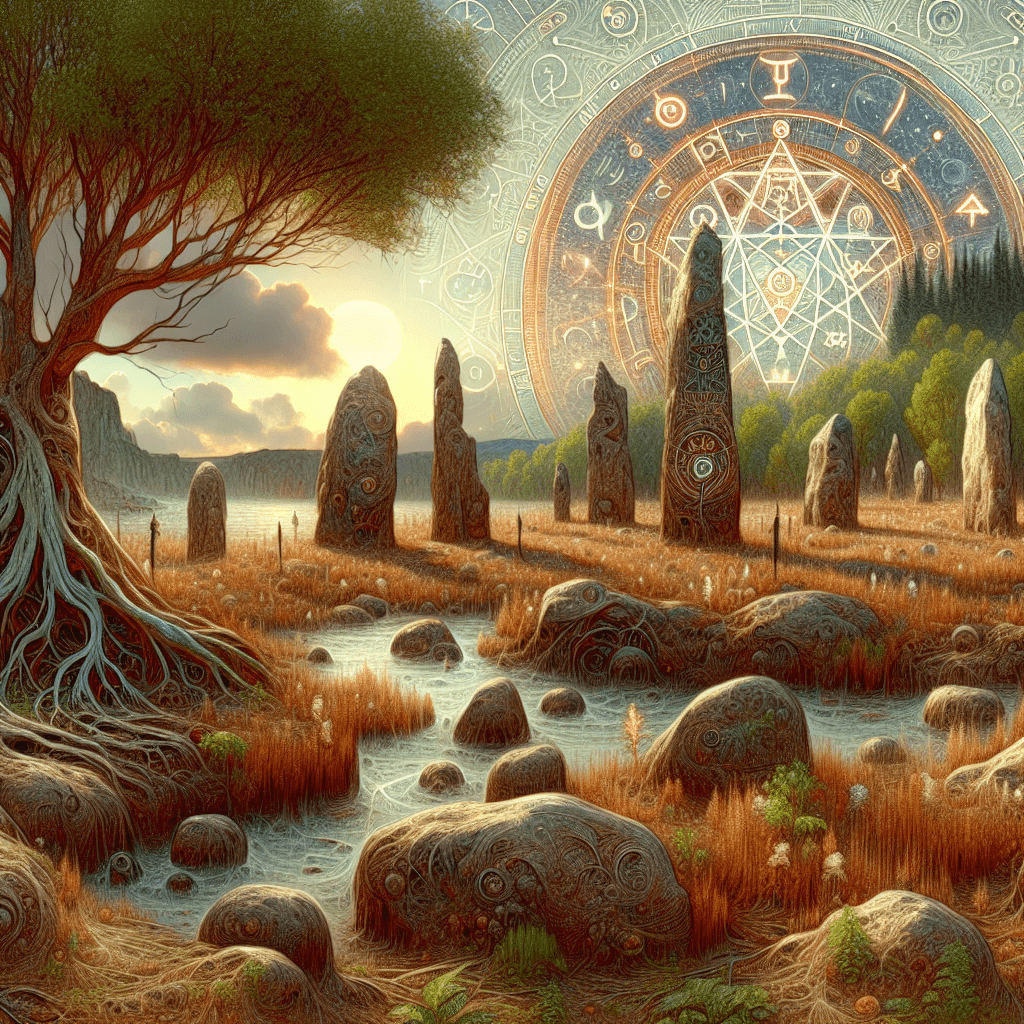
What is the spiritual significance of sacred landscapes in modern pagan practices? Sacred landscapes serve as living temples where divine energy flows through natural networks connecting practitioners to ancestral wisdom and ecological harmony. These sites function as more than mere locations; they act as spiritual doorways where the Earth reveals herself as Mother Gaia, a conscious being deserving reverence and protection. Modern pagans approach these places through religiogeography, viewing each hill, grove, and stone circle as part of an interconnected web of sacred power. This perspective challenges traditional heritage management by positioning these sites as active spiritual centers rather than historical artifacts. The landscapes pulse with energy that practitioners tap into during seasonal celebrations, moon rituals, and personal ceremonies. Each sacred site holds memory of countless generations who walked the same paths, performed similar rites, and sought connection with the divine feminine and masculine principles embodied in the land itself. This spiritual significance extends beyond personal practice into environmental activism, as pagans recognize that protecting sacred landscapes means preserving the planet’s spiritual infrastructure for future generations.
Ancient Pagan Sacred Sites
Ancient sacred sites form the backbone of Sacred Geography in Paganism, serving as enduring portals to divine energy that has accumulated over millennia. Stone circles like Avebury and Stonehenge represent more than archaeological wonders; they function as active energy centers where ancient peoples aligned with cosmic forces through careful placement and astronomical orientation. These monuments demonstrate sophisticated understanding of earth energies, with their creators selecting locations where natural power lines intersect and amplify spiritual work. Long Meg and Her Daughters in Cumbria exemplifies how our ancestors marked these energy nodes with standing stones that continue channeling earth forces today. Burial mounds and henges scattered across Britain reveal a comprehensive network of sacred sites designed to work together as a unified system. Celtic druids recognized these places as thin veils between worlds, conducting ceremonies that honored both earthly and otherworldly realms.
Archaeological evidence shows continuous use of these sites across different cultures and time periods, suggesting their power transcends specific religious traditions. Modern pagans experience this ancient energy when they visit these monuments, feeling the same spiritual currents that drew people here thousands of years ago. The sites retain their sacred function despite centuries of abandonment and misunderstanding. Their continued attraction to spiritual seekers proves that Sacred Geography in Paganism operates on principles deeper than cultural fashion or religious trends. Each ancient site serves as a teacher, showing how our predecessors worked with natural forces rather than against them. The wisdom encoded in their placement and construction offers guidance for contemporary practitioners seeking authentic connection with the land’s spiritual essence.
Pilgrimage Routes Today

Contemporary pagan pilgrimage represents a revival of ancient travel traditions adapted for modern spiritual needs within Sacred Geography in Paganism. Today’s pilgrims walk established routes connecting sacred sites across Britain, following paths that predate Christianity while incorporating pagan practices and intentions. The journey to Glastonbury attracts thousands of pagans annually, drawn by the Tor’s reputation as a powerful energy center linked to Arthurian legends and goddess worship. These modern pilgrimages differ from medieval Christian traditions by emphasizing personal transformation through direct engagement with landscape energies rather than seeking intercession from saints. Walking routes like St Michael’s Way or the Golden Valley Pilgrim Way allows practitioners to trace ley lines and experience the gradual build-up of spiritual energy as they approach major sacred sites.
The physical act of pilgrimage activates the body’s energy centers while the landscape itself provides healing and guidance through dreams, synchronicities, and direct energetic transmission. Many pilgrims report profound shifts in consciousness during their journeys, experiencing the land as a living teacher that responds to sincere spiritual seeking. Group pilgrimages create community bonds while solo journeys offer opportunities for deep personal work and connection with ancestral spirits who traveled similar paths. The revival of pagan pilgrimage challenges mainstream tourism models by treating sacred sites as active spiritual centers requiring respectful approach and meaningful engagement. Modern pilgrims often combine walking with ritual work, meditation, and offerings that acknowledge the sacred nature of the landscapes they traverse. This approach transforms pilgrimage from passive consumption into active participation in the ongoing spiritual life of the land. Sacred Geography in Paganism finds perfect expression in pilgrimage, where movement through landscape becomes a form of prayer and the journey itself serves as initiation into deeper mysteries of place-based spirituality.
Creating Personal Sacred Space
Personal sacred space extends Sacred Geography in Paganism beyond famous monuments into intimate settings where practitioners develop deep relationships with local land spirits and energies. Your home altar, garden shrine, or favorite tree becomes part of the same energy network that includes ancient stone circles and holy wells. This democratization of sacred geography means you need not travel to distant sites to access divine power; the same earth energies flow through every location where sincere spiritual work takes place. Indoor sacred spaces often incorporate natural elements like stones, water, plants, and seasonal decorations that maintain connection to outdoor landscapes and cycles. Wiccans particularly excel at creating portable sacred spaces using ritual tools and visualization techniques that invoke the four directions and elements regardless of physical location.
Urban pagans transform balconies, rooftops, and even single rooms into functional sacred spaces that serve their spiritual needs while respecting apartment living constraints. The key lies in recognizing that sacredness emerges through intention and consistent practice rather than depending solely on location or elaborate setup. Small daily offerings, regular meditation, and seasonal celebrations gradually charge personal spaces with accumulated spiritual energy that grows stronger over time. This process mirrors how ancient sites developed their power through generations of repeated use and reverent attention. Personal sacred space also provides privacy for practices that might attract unwanted attention in public settings, allowing for deeper exploration of pagan spirituality without external interference. The intimate scale of home-based practice often produces more profound results than occasional visits to crowded tourist sites where commercial activity dilutes spiritual atmosphere. Many practitioners maintain both public and private sacred relationships, using personal spaces for regular practice while visiting ancient sites for special occasions and seasonal celebrations. Sacred Geography in Paganism ultimately recognizes that the entire earth pulses with divine energy, making every sincere spiritual practice a contribution to the planet’s overall sacred network.
Sacred Site Energy Work
Sacred site energy work represents the practical application of Sacred Geography in Paganism, where practitioners actively engage with the subtle forces flowing through ancient monuments and natural power spots. This work involves sensing, directing, and amplifying earth energies through meditation, ritual, and intentional interaction with sacred landscapes. Experienced practitioners learn to feel the distinctive energy signature of different sites, noting how stone circles generate different vibrations than burial mounds or holy wells. The technique requires developing sensitivity to subtle energy fields while maintaining grounding in practical reality and respect for archaeological preservation. Many pagans report feeling tingling sensations, temperature changes, or emotional shifts when entering powerful sites, indicating their nervous systems responding to electromagnetic fields or other measurable phenomena.
Ley line theory provides a framework for understanding how earth energies flow across landscapes, connecting distant sites through underground streams of power that sensitive individuals learn to trace and follow. Group energy work amplifies individual sensitivity, with circles of practitioners joining their awareness to access deeper levels of site-specific wisdom and healing potential. This collective approach mirrors ancient practices where communities gathered at sacred sites for seasonal ceremonies that maintained the spiritual health of both land and people. Modern energy work often includes clearing negative influences from sites while strengthening their positive spiritual functions through prayer, offering, and energetic maintenance. Practitioners report that regular energy work at sacred sites enhances their psychic abilities, healing skills, and overall spiritual development through repeated exposure to concentrated earth forces. The practice requires balancing personal spiritual goals with service to the land itself, recognizing that sacred sites function as living entities deserving care and protection. Controversial among archaeologists, energy work at ancient monuments continues growing in popularity as more people seek direct spiritual experience rather than intellectual study of sacred geography. Sacred Geography in Paganism thrives through this hands-on approach that treats ancient sites as active spiritual resources rather than historical curiosities requiring passive observation from respectful distances.
What sacred landscape calls to your spirit, and how will you begin developing your own relationship with the living earth beneath your feet?
Related Items:

Lilly Dupres
Owner & AuthorLilly Dupres, a lifelong practitioner of paganism, established Define Pagan to offer a clear definition of paganism and challenge misconceptions surrounding modern pagan lifestyles.


