
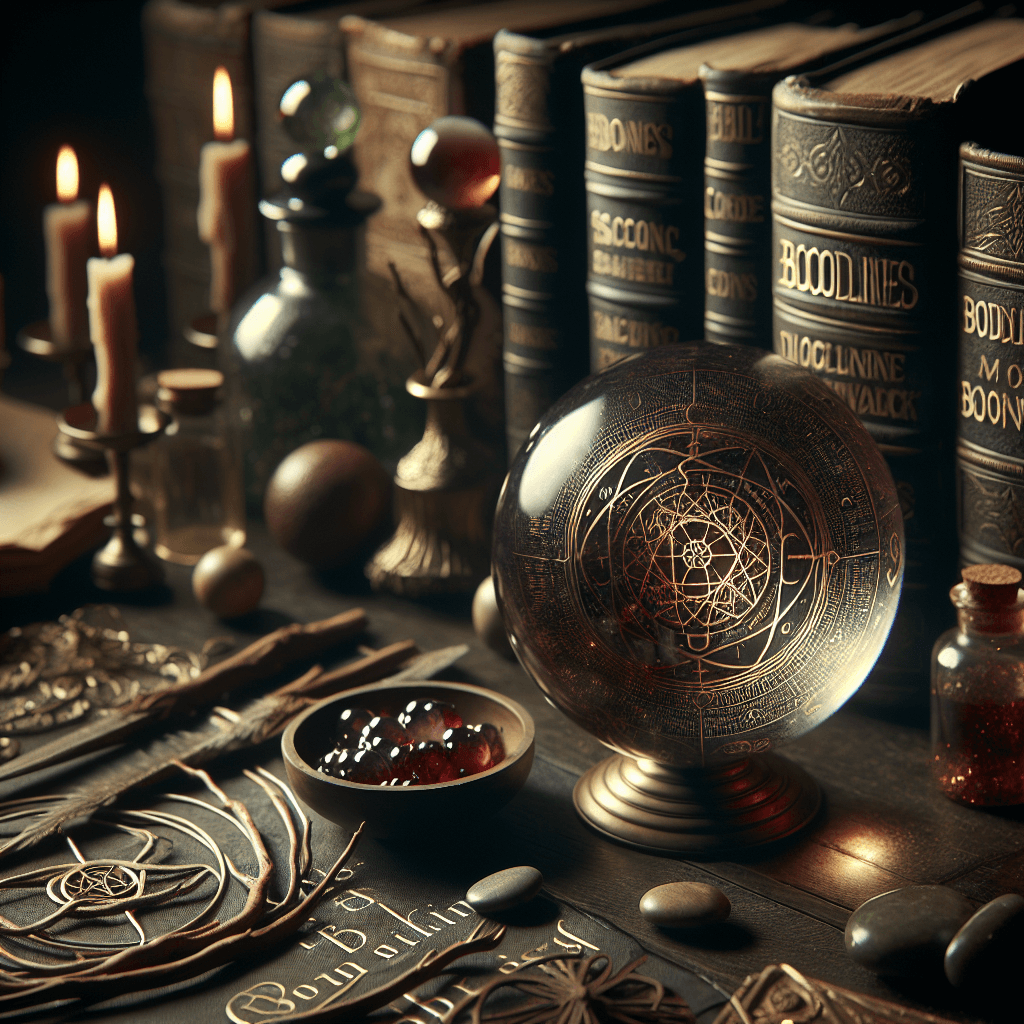
Does Witchcraft Really Require Hereditary Bloodlines to Practice Effectively?

LAVEVE Witchcraft Supplies Kit for Spells, 56 PCS Beginner Witch Box
View Product →The short answer is absolutely not. This persistent myth has created unnecessary barriers and exclusion within magical communities for far too long. While some traditions emphasize ancestral connections and family lineage as meaningful elements of practice, the idea that magical ability flows strictly through genetic lines remains completely unproven and rooted in outdated, exclusionary thinking.
Science hasn’t discovered any witch gene hiding in our DNA, though certain traits relevant to intuitive or psychic sensitivity might be influenced by hereditary factors like epigenetics. Ancestral experiences can indeed shape our spiritual inclinations and dispositions, creating what feels like inherited magical tendencies. However, these influences represent psychological and energetic patterns rather than actual supernatural inheritance. Many accomplished modern witches recognize that while family history or cultural roots can provide meaningful connections to magical traditions, these practices remain genuinely accessible to anyone regardless of their bloodline or family background.
Hereditary Witchcraft Bloodline Requirements
The concept of hereditary witchcraft bloodline requirements stems from ancient folklore and cultural traditions that span civilizations from Mesopotamian mystery schools to Norse völur practices. Throughout history, certain families and communities have maintained magical traditions, passing down knowledge through generations like precious heirlooms. These hereditary practitioners often developed distinctive approaches to spellwork, herbalism, and spiritual communication that reflected their specific cultural contexts and accumulated wisdom.
However, examining these historical practices reveals something crucial: the emphasis was typically placed on learned knowledge and cultivated skills rather than innate genetic abilities. Hereditary witches gained their power through intensive training, mentorship, and hands-on experience with magical techniques. The bloodline aspect served more as a vehicle for preserving and transmitting knowledge than as a supernatural genetic requirement. Families that maintained these traditions often did so out of necessity, especially during periods of persecution when sharing magical knowledge outside trusted circles could prove dangerous.
Modern hereditary witchcraft practitioners continue honoring these ancestral connections while simultaneously recognizing that their effectiveness comes from dedication, study, and practice rather than genetic predisposition. Many hereditary witches actively reject exclusionary interpretations of their traditions, instead viewing their family background as one valid path among many toward magical understanding. This perspective acknowledges the value of inherited wisdom while maintaining that magical ability develops through commitment and learning rather than biological inheritance.
The romanticization of witch bloodlines in popular culture has unfortunately distorted many people’s understanding of how hereditary traditions actually function. Real hereditary witchcraft involves practical skills like plant identification, energy work techniques, and ritual procedures that require extensive learning and practice to master. These abilities don’t manifest automatically through genetic inheritance but develop through careful cultivation and hands-on experience, regardless of family background.
Genetic Predisposition Magical Abilities Myth
The genetic predisposition magical abilities myth represents one of the most persistent misconceptions in contemporary witchcraft discussions. Scientific research has thoroughly debunked the notion of supernatural genes that confer magical powers, yet this myth continues influencing how many people approach magical practice. While certain personality traits associated with magical work might show familial patterns, these psychological tendencies don’t constitute actual inherited supernatural abilities.

YOROXRG 40 Pack Spell Chime Candles-4 Inch Multi-Colored Taper Candles Sticks-for Home Decor Kitchen Decor Wedding Decoration-10 Colours
View Product →Neurological research suggests that traits like heightened intuition, sensory sensitivity, and pattern recognition can indeed run in families through both genetic and environmental factors. Some individuals may inherit nervous systems that process subtle environmental cues more effectively, leading to experiences that feel psychic or magical in nature. Additionally, epigenetic factors can influence how our genes express themselves based on ancestral experiences, potentially creating predispositions toward spiritual sensitivity or emotional receptivity.
However, these biological influences represent starting points rather than predetermined destinies. Just as musical talent might run in families without guaranteeing that every family member becomes an accomplished musician, spiritual sensitivity requires development through practice and training to become genuinely useful. Many people with no apparent family history of magical practice develop remarkable abilities through dedicated study and consistent application of magical techniques.
The danger of overemphasizing genetic predisposition lies in how it can discourage potentially gifted practitioners from pursuing magical development. Countless individuals have dismissed their own spiritual experiences or intuitive insights because they believed effective witchcraft required special bloodlines they didn’t possess. This self-limiting belief prevents people from exploring their natural capacities and developing skills that might surprise them with their potency and accuracy.
Family Lineage Witchcraft Practice Necessity
Family lineage witchcraft practice necessity remains a hotly debated topic within magical communities, with perspectives ranging from strict traditionalism to complete dismissal of hereditary factors. Some practitioners maintain that certain magical traditions can only be authentically transmitted through specific family lines, arguing that generations of accumulated knowledge and spiritual connections create unique advantages for hereditary practitioners. These viewpoints often emphasize the importance of ancestral relationships and inherited spiritual responsibilities.
Examining this perspective more closely reveals both valuable insights and problematic assumptions. Family-based magical traditions do offer certain advantages, including access to time-tested techniques, cultural context for magical practices, and established relationships with ancestral spirits or deities. Hereditary practitioners often receive intensive mentorship from childhood, developing magical skills through consistent exposure and practice that might take others years to acquire through independent study.
Yet the necessity argument falls apart when we consider the countless examples of powerful witches who developed their abilities without any apparent family magical background. Many contemporary magical traditions emerged through individual innovation and cross-cultural synthesis rather than hereditary transmission. Effective magical practice depends primarily on factors like dedication, study, practical experience, and spiritual development rather than family connections or genetic inheritance.
The most balanced approach recognizes that family lineage can provide valuable resources and connections while acknowledging that these advantages don’t constitute requirements for effective magical practice. Hereditary practitioners might have certain starting advantages, but non-hereditary witches can develop equally powerful abilities through alternative paths involving mentorship, community involvement, intensive study, and consistent practice. The magical community benefits from both perspectives, with hereditary traditions preserving ancient wisdom while non-hereditary practitioners contribute fresh innovations and cross-cultural insights.
10 Common Modern Witchcraft Signs
Understanding common modern witchcraft signs helps clarify the relationship between hereditary factors and magical development while avoiding oversimplified genetic explanations. These indicators often reflect combinations of inherited traits, environmental influences, and personal spiritual development rather than pure genetic predisposition. Recognizing these patterns can help aspiring practitioners understand their own magical potential without getting trapped in bloodline mythology.
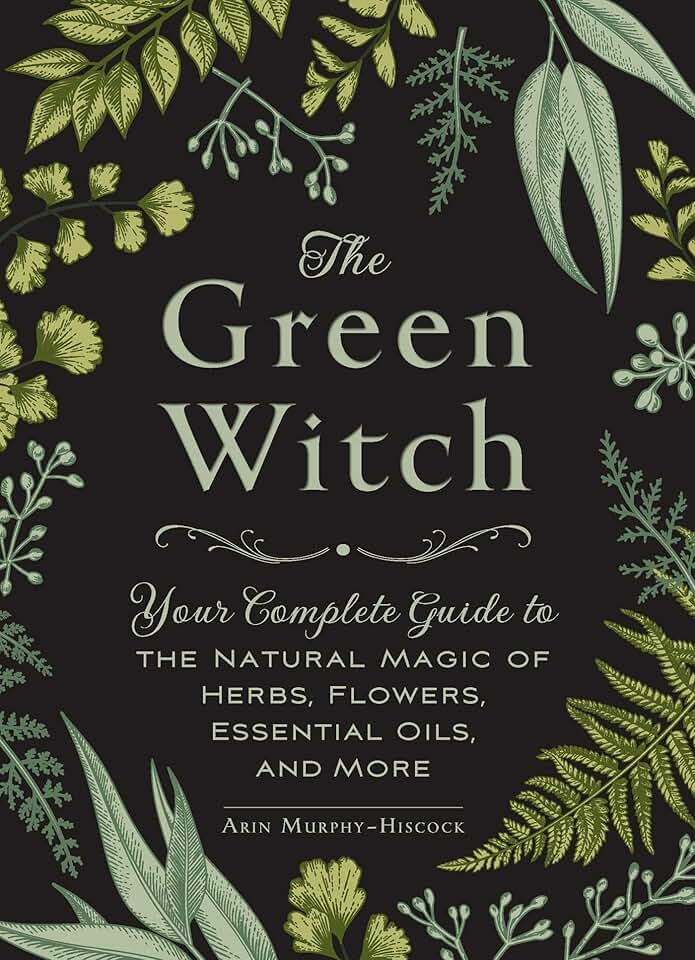
The Green Witch: Your Complete Guide to the Natural Magic of Herbs, Flowers, Essential Oils, and More (Green Witch Witchcraft Series)
View Product →Unexplained intuitive abilities frequently appear in individuals drawn to magical practice, sometimes showing familial patterns that suggest both genetic and environmental influences. These capabilities might include accurate gut feelings about people or situations, prophetic dreams that later prove meaningful, or unusual sensitivity to environmental energies and emotional atmospheres. While such traits can run in families, they also develop through practice and attention regardless of hereditary background.
Family stories involving healers, midwives, herbalists, or other spiritual practitioners often indicate cultural traditions that support magical development. These backgrounds provide exposure to alternative healing methods, plant knowledge, and spiritual perspectives that normalize magical thinking and practice. However, many effective modern witches come from families with no apparent magical background, developing their abilities through personal exploration and study.
Dreams and visions featuring symbolic content, ancestral figures, or spiritual guidance represent another common indicator of magical affinity. Some individuals experience vivid symbolic dreams from childhood, while others develop this capacity through meditation and spiritual practice. The presence of family altars, shrines, or spiritual objects can indicate cultural support for magical practice, but many practitioners create their own sacred spaces without inherited traditions. Natural affinity for plants, animals, or natural environments often appears in magically inclined individuals, reflecting sensitivity to natural energies and cycles that supports various forms of magical work.
The question isn’t whether witchcraft requires specific bloodlines, but rather how we can honor diverse paths to magical understanding while building inclusive communities that support all sincere practitioners. What aspects of your own background might support your magical development, and how can you cultivate those gifts regardless of your family history?
Related Items:

Lilly Dupres
Owner & AuthorLilly Dupres, a lifelong practitioner of paganism, established Define Pagan to offer a clear definition of paganism and challenge misconceptions surrounding modern pagan lifestyles.


