Ancient Hiisi Sacred Grove Sites in Southwestern Finland
Ancient Finnish Grove Sites
The sacred groves of southwestern Finland tell a story that spans millennia. The most significant hiisi sites cluster around the ancient provinces of Southwest Finland, Satakunta, and Häme. These weren’t just random patches of forest – they were carefully chosen locations, often perched on stony hills or near bodies of water. In Vesilahti, the Narva Hiidennokka site stands as a testament to this tradition, surrounded by place names that echo its sacred past: Hiisteennokka, Hiidenmoisio, and Hiidenlahti. The concentration of these names reveals a landscape once alive with ritual activity, where communities gathered to honor their ancestors and seek connection with the spirit world.
Finnish Paganism Traditions Groves
The heart of Finnish spiritual practice beat strongest in these groves. Local communities treated these spaces with profound respect, leaving them untouched and wild. Seasonal rituals marked the turning of the year, with offerings left to appease ancestors and nature spirits alike. Before Christianity arrived, these groves served as bridges between the mundane and spiritual worlds. The practice of leaving offerings – from food to precious items – continued well into the historical period, showing how deeply these traditions were woven into Finnish cultural identity. Even as Christian influence grew, many communities maintained their connection to these sacred spaces, albeit more discretely.
Sacred Grove Map Finland
Mapping these ancient sites reveals fascinating patterns across southwestern Finland. The highest concentration appears in a triangle formed by Turku, Pori, and inland territories. While physical evidence may be scarce, place names serve as breadcrumbs leading us back through time. Each hiisi-related name marks a potential sacred site, creating a network of spiritual significance across the landscape. Modern mapping techniques, combined with historical records and archaeological findings, continue to unveil new insights about these sacred spaces and their distribution throughout the region.
Historic Hiisi Grove Guide
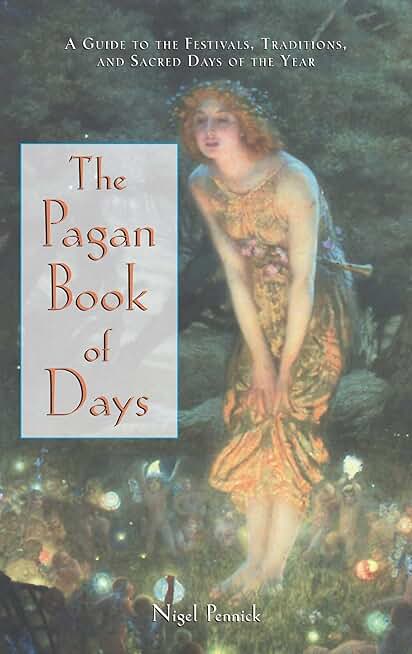
The Pagan Book of Days: A Guide to the Festivals, Traditions, and Sacred Days of the Year
View ProductFor those seeking to connect with these ancient sacred spaces today, several key sites stand out. The Kaisela Hiidenmäki in Nousiainen, well-documented in 18th-century maps, offers tangible links to the past. The Vesilahti area, with its cluster of hiisi-related place names, provides a unique window into how these sacred spaces were integrated into the broader landscape. While many sites have been lost to time, those that remain serve as powerful reminders of Finland’s spiritual heritage.
The legacy of hiisi sacred grove locations continues to influence our understanding of Finnish paganism traditions. As we uncover more about these ancient sites, new questions emerge: How did these sacred spaces shape the communities around them? What forgotten rituals once took place in their shadows? If you’re intrigued by Finland’s spiritual heritage, explore these ancient sites yourself – they have stories yet to tell.
Want to learn more about Finnish sacred groves? Join our community of pagan practitioners and historians as we delve deeper into these ancient mysteries.