
Pagan definition
Pagan is an umbrella term for modern spiritual paths centered on nature, the seasons, and personal responsibility. Some pagans honor several gods, others see the divine in nature itself, and none follow a single book or central authority.
Merry meet! When people try to define pagan practices, they often run into outdated stereotypes, movie tropes, and historical misinformation. So what is the real pagan meaning today? The modern pagan religion is an experiential path rather than a dogmatic one. Practitioners build a tangible connection to their beliefs through everyday ritual, meditation, and mindfulness. You can find tools to match this path by exploring general Pagan Items or the more specialized Magick Items inventory.
To understand this path, it helps to look past the word’s history. The term comes from the Latin paganus, which originally meant a rural villager or civilian. Early Christians later used it for anyone who did not follow their faith, and historians still debate exactly how that shift happened. For centuries the word was used as an insult. Today, many people use it as a proud, neutral label when answering the question of what is pagan in the modern world. It reflects a conscious choice to return to an earth-honoring, decentralized form of personal spirituality.
The Core Elements of Pagan Beliefs
Because this spiritual umbrella is so individual, no single book, prophet, or central authority defines modern practice. Traditions vary from home to home and circle to circle, but three ideas show up again and again in pagan beliefs.
Nature Reverence
Most pagans see the divine inside the natural world rather than detached above it. The turning of the seasons, the phases of the moon, and the cycles of planting and harvest are treated as sacred, not just scenery. Nature itself is the ultimate temple. A practitioner might mark the autumn equinox by sitting quietly with the changing trees, cooking a small harvest meal, or spending a full moon night outside to realign their inner energy with the earth’s natural rhythms.
Polytheism and Pantheism
Many traditions honor several gods and goddesses, each with a distinct personality, such as the Celtic Brigid or the Norse Freyja. Other practitioners are pantheists who see the whole universe as a single expression of the divine. Some blend both viewpoints. In this community these perspectives are not in conflict. Individuals simply hold them in different proportions based on personal resonance.
Personal Autonomy
The pagan religion has no pope, no central church, and no required creed. You are encouraged to study, test practices, and build a path that is personally meaningful to you. That freedom comes with responsibility. You are accountable for your own choices, for your direct relationship with the divine, and for how you treat the earth.
Decoding Modern Pagan Traditions
Because personal autonomy is so highly valued, the modern pagan religion works as an inclusive umbrella. It includes structured initiatory systems, ancient reconstruction paths, and flexible, creative daily practice. When exploring pagan traditions, four paths stand out for beginners. Pick a tab to read about each one.
Wicca
A structured, nature-based religion that grew to prominence in the mid-20th century. Practice emphasizes the polarity of the Divine, usually represented as a cooperative God and Goddess. It focuses on respectful magic worked within a cast ritual circle, often using consecrated ritual knives such as Athames to direct energy. Wiccans follow an ethical guideline known as the Wiccan Rede: “An it harm none, do what ye will.”
Druidry
A modern spiritual path inspired by the ancient Celtic priesthood and classical lore. Druids focus on a deep connection to the local land, tree lore, environmental preservation, and the cultivation of creativity and poetic inspiration, historically known as Awen. Rather than formal spellwork, Druid practice often centers on community, philosophy, storytelling, and outdoor meditation.
Heathenry (Nordic Paganism)
A reconstructionist path dedicated to reviving pre-Christian Germanic and Norse traditions. Heathens focus on community honor, hospitality, ancestral ties, and the lore found in historical texts like the Poetic Edda. Many also turn to historical divination formats, such as carved Rune Stones, to gain personal clarity, study ancient alphabets, and connect with the wisdom of elder lineages.
Eclectic Witchcraft
A personal, individualized practice that does not require adherence to a single tradition. The practitioner weaves together elements from various historical paths, regional folk magic, herbalism, and the moon phases to fit a modern lifestyle. Many include tools like a ritual Besom to cleanse a room before focused work, or use Tarot and other divination tools to interpret patterns.
Some practices come from living religions with their own lineages, such as Haitian Vodou and New Orleans Voodoo. If you browse our Voodoo Items shop, learn about those traditions first and treat them with respect.
Find Your Starting Path
Five quick questions point you toward the tradition that fits how you already think. It is a starting point, not a verdict.
The quiz needs JavaScript. You can start with Pagan Books, Athames, Rune Stones, or Tarot.
Not ready to pick a path? Start from what you want to do.
Three tools are commonly used for this, and each works differently. Tarot is a 78-card deck read for guidance and self-reflection. Runes are a set of symbols from ancient Germanic alphabets, cast or drawn for divination. A scrying mirror is a dark reflective surface used for gazing meditation.
A besom is a ritual broom used to cleanse a space before focused work. Pair it with a small altar so the room has a fixed place for your practice.
An athame is a ceremonial knife used to direct energy, most often in Wicca. An altar gives the ritual a fixed place, and a good book shows you how others structure theirs.
Magick Items covers a wide range of tools and materials used across many practices. Pagan Items covers symbols and tools tied to several traditions. Both are good places to look around before you commit to anything.
Common Myths vs. The Reality of the Pagan Lifestyle
Because earth-centric traditions are so varied, misconceptions and historical misinformation are common. Select a myth to see what is actually true.
MythPaganism is an ancient, dead religion.
Modern paganism is a living, contemporary practice followed by ordinary professionals, families, and individuals around the world. Many foundational paths, including modern Wicca, are only decades old.
MythAll pagans practice the exact same rituals.
Pagan traditions are highly diverse, from silent meditation and solitary witchcraft at a kitchen table to structured community ceremonies at seasonal festivals.
MythPagans only use historical texts.
Ancient history is a rich source of inspiration, but modern practitioners regularly blend ancient lore with intuitive tools such as contemporary tarot decks and Scrying Mirrors for reflective meditation.
MythPagans worship the Devil.
The Devil is a figure from Christian theology, and pagan paths do not include him. Pagans honor nature, ancestors, and gods such as Brigid or Freyja.
How to Begin Exploring Your Own Spiritual Path
If these earth-centered ideas resonate, building a personal practice can be a rewarding, lifelong process. You do not need to choose a label or join a group before you start. These three gentle steps work for almost anyone, at any pace.
0 of 3 steps done
-
Read and Research
Knowledge is your foundation. Read two or three well-regarded introductory books by modern authors and compare how they structure their practices. Be cautious of any source that claims to be the “one true ancient unbroken lineage,” since most modern paths are recent creations. For a historically grounded starting point, browse our complete Pagan Books Collection.
-
Connect with Nature
You do not need fancy equipment to be a pagan. Step outside regularly and observe your local environment. Note where the moon is in its cycle, watch which local plants are flowering, observe the wildlife, and keep a simple journal for a month. Seasonal awareness is the core of nearly every path, and it costs nothing.
-
Create a Sacred Space
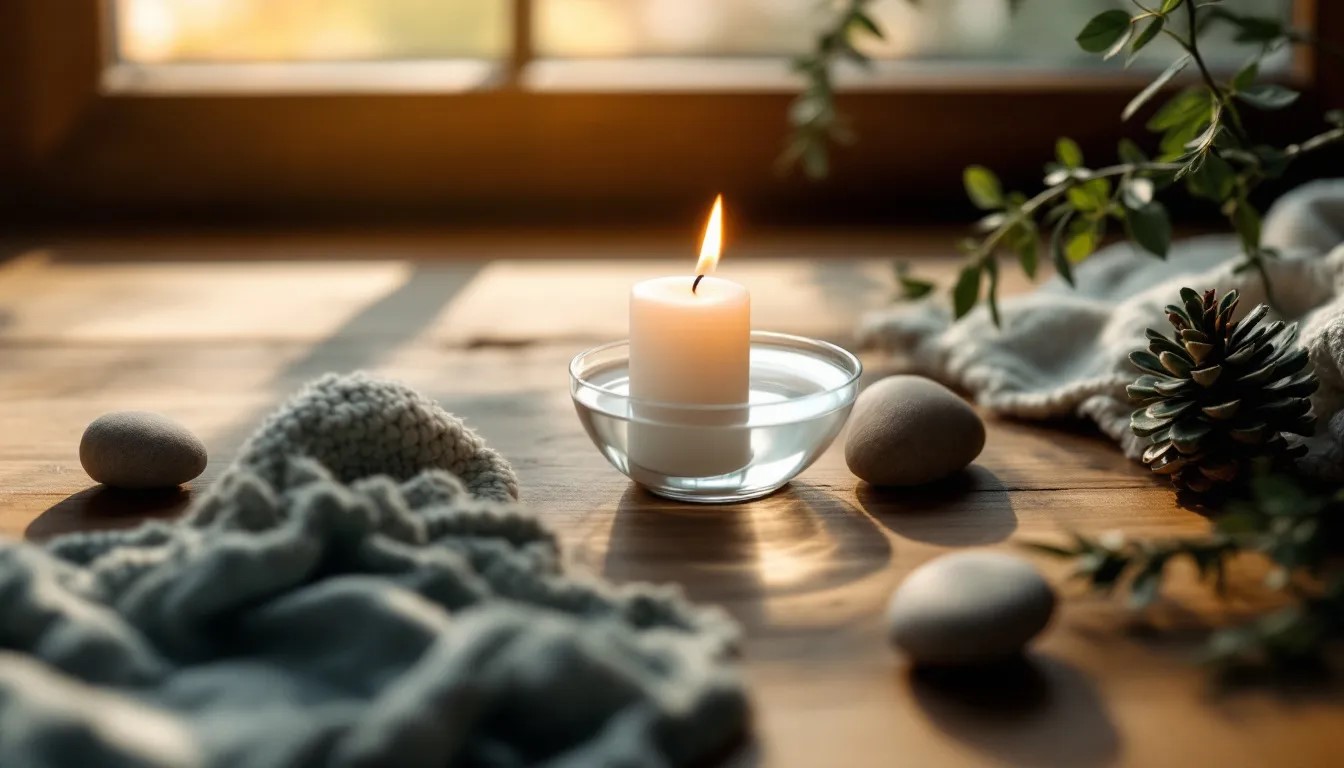
A personal altar can be a simple, quiet sanctuary. A small table, a windowsill, or a bedroom shelf is more than enough. Tap the items below to set up a starter altar: a candle for focus, a bowl of fresh water, a smooth stone from your yard, and a pinecone.
0 of 4 items placed
That is a complete starter altar. Add more only when you have a specific reason to use them. More pieces for the space are in Altar Items.
Later, when you have a reason
These are common next tools. Add one to your altar to see it, and it links to the matching shop category.
Quick Answers
What is the simple definition of pagan?
Pagan is an umbrella term for modern spiritual paths centered on nature, the seasons, and personal responsibility. The word comes from the Latin paganus, meaning a rural villager or civilian.
Is Wicca the same as paganism?
No. Wicca is one specific religion under the pagan umbrella. Many pagans are not Wiccan, including Druids, Heathens, and eclectic practitioners.
Do I need a coven or a teacher to start?
No. Many pagans practice alone. Reading, time outdoors, and a simple altar are enough to begin, and you can join a group later if you want to.
Do I need to buy tools to begin?
No. A candle, a bowl of water, a stone, and a pinecone will do. Add tools like athames, runes, or tarot decks when you have a clear reason to use them.
Shop by Category
Every category in the store, in one place.
Ready to start?
Paganism rewards curiosity, consistency, and patience. Take your time, ask questions, and keep only what truly resonates with your unique soul. Blessed be.

