

Sacred Cup Ritual Uses
Sacred Cup Ritual Uses offer modern pagan practitioners diverse ways to connect with divine energies and honor ancient traditions through ceremonial vessels.
What are the different ways to use a sacred cup in modern spiritual rituals and ceremonies?
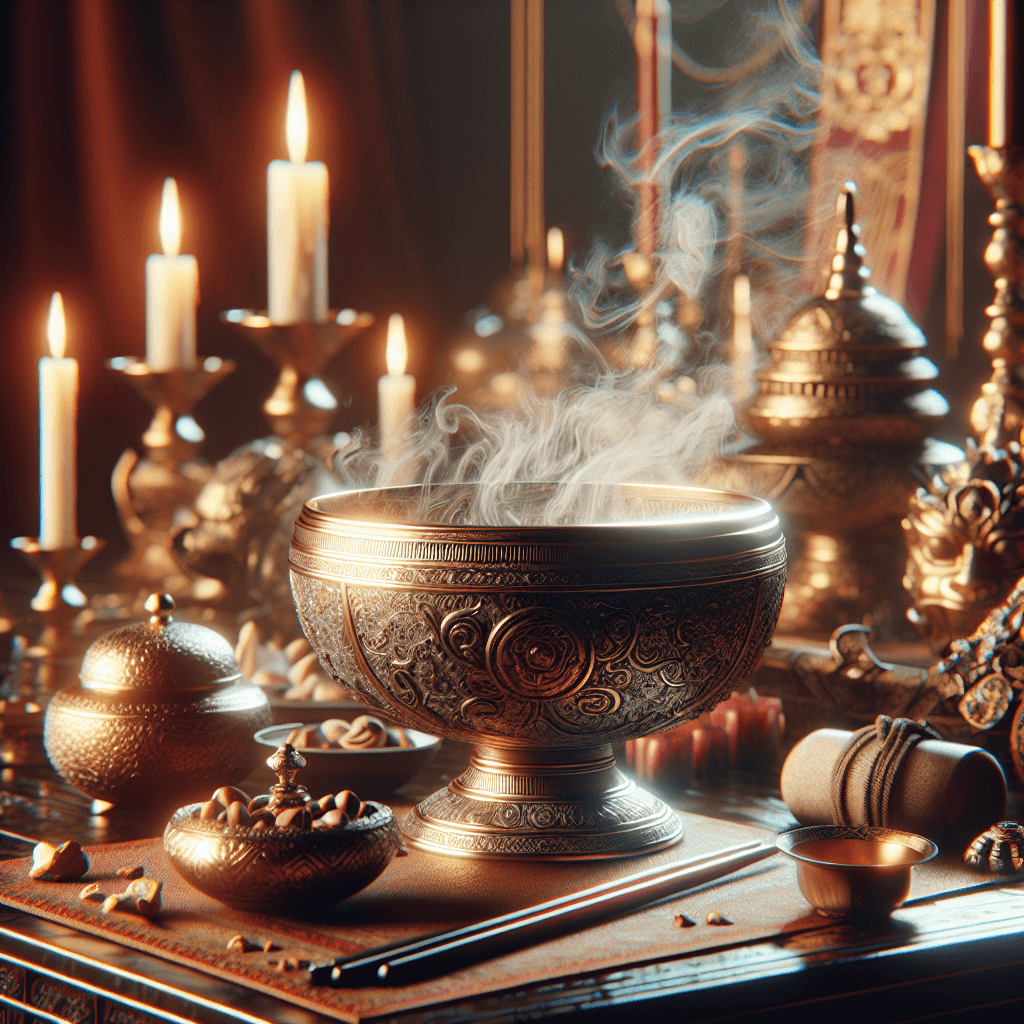
The sacred cup serves as a powerful tool for libations and offerings, holding beverages like mead, wine, or blessed water that practitioners present to deities and spirits during ceremonies. The chalice also functions as a vessel for communal blessing, where participants pass the cup among themselves to share toasts honoring gods, ancestors, or personal intentions before pouring the remaining liquid as an offering to the earth or altar space.
The chalice represents the element of Water in modern pagan practice and symbolizes intuition and the receptive power of the Goddess. This sacred vessel maintains its spiritual potency when reserved exclusively for ritual use, whether crafted from stainless steel, natural marble, or other materials. The cup serves multiple ceremonial functions beyond simple liquid containment, acting as a focal point for energy work, meditation, and connection with divine feminine principles. Practitioners often consecrate their chalices through specific blessing rituals, charging them with personal energy and intention to enhance their effectiveness in ceremony.
Ancient Chalice Ceremonial Practices
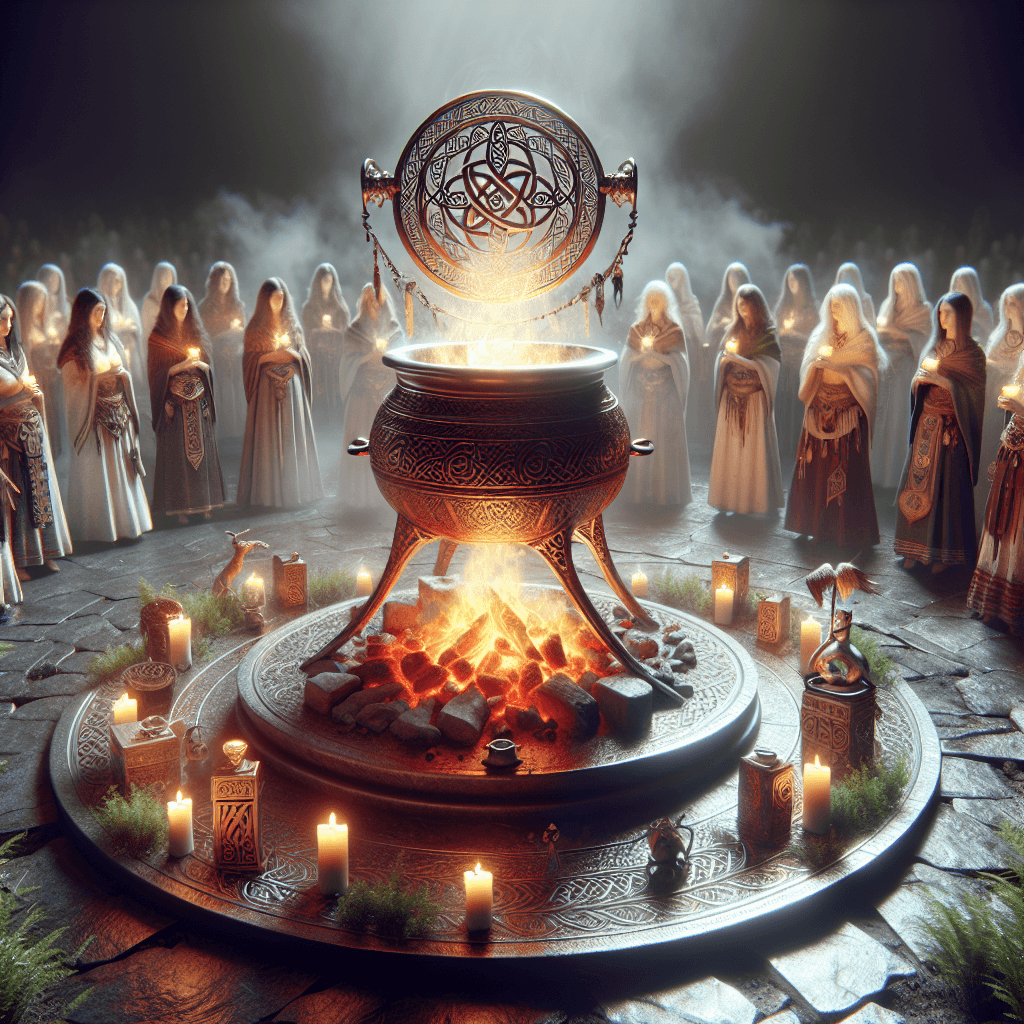
Archaeological evidence reveals that ancient cultures worldwide incorporated sacred vessels into their spiritual practices thousands of years before modern pagan traditions emerged. Celtic druids used ornate cauldrons and cups for ritual purposes, believing these vessels held the power to connect earthly and divine realms. Greek mystery schools employed kylix cups in their initiation ceremonies, where participants drank from shared vessels to symbolize unity with the gods and acceptance into sacred brotherhoods. Roman religious practices included elaborate chalices in temple rituals, particularly those honoring Bacchus and other wine deities.
Norse traditions featured drinking horns and sacred cups in blót ceremonies, where participants shared mead or ale to honor the Æsir and Vanir gods. Egyptian priests used golden chalices in temple rites dedicated to Isis and other water-associated deities, believing the precious metal amplified the vessel’s spiritual properties. Hindu traditions incorporated sacred vessels called kalasha in puja ceremonies, filling them with holy water, flowers, and offerings to invoke divine blessings. These ancient practices established foundational concepts that modern practitioners adapt for contemporary sacred cup ritual uses.
Mediterranean cultures developed sophisticated chalice ceremonies during the Bronze Age, with Minoan priestesses using elaborate cups in goddess worship rituals. Germanic tribes created ornate drinking vessels for seasonal celebrations, passing cups of fermented beverages to honor ancestral spirits and ensure community prosperity. These historical precedents demonstrate that sacred cup ritual uses transcend cultural boundaries, representing universal human desires to connect with divine forces through ceremonial drinking and offering practices.
The History of the Chalice in Pagan and Wiccan Traditions
The modern Wiccan tradition of sacred cup ritual uses emerged from Gerald Gardner’s synthesis of various occult practices, ceremonial magic, and folk traditions in the mid-20th century. Gardner incorporated the chalice as one of the four elemental tools, positioning it opposite the athame on the altar to represent the balance between receptive and projective energies. This placement reflects the broader Wiccan emphasis on polarity and the union of masculine and feminine principles in magical workings. Early Wiccan covens adopted specific protocols for chalice consecration, blessing, and use that practitioners continue to follow today.
Doreen Valiente and other influential Wiccan authors expanded upon Gardner’s basic framework, developing detailed correspondences between the chalice and various goddesses, moon phases, and seasonal celebrations. The cup became associated with the Great Rite, both in symbolic and literal forms, representing the womb of the Goddess and the creative potential of divine feminine energy. Traditional Wiccan practice emphasizes the importance of dedicating individual chalices to specific deities or magical purposes, creating stronger energetic connections through focused intention and regular use.
Contemporary pagan movements beyond Wicca have embraced sacred cup ritual uses while adapting them to their specific theological and practical needs. Reconstructionist traditions research historical evidence to recreate authentic ancient practices, often commissioning chalices based on archaeological examples or historical descriptions. Eclectic practitioners blend elements from multiple traditions, creating personalized approaches to chalice work that reflect their individual spiritual paths and cultural backgrounds. This evolution demonstrates the continuing relevance of sacred cup ritual uses in modern spiritual practice, as practitioners seek meaningful ways to connect with divine energies and honor their ancestors through ceremonial vessel work.
Modern Sacred Cup Rituals
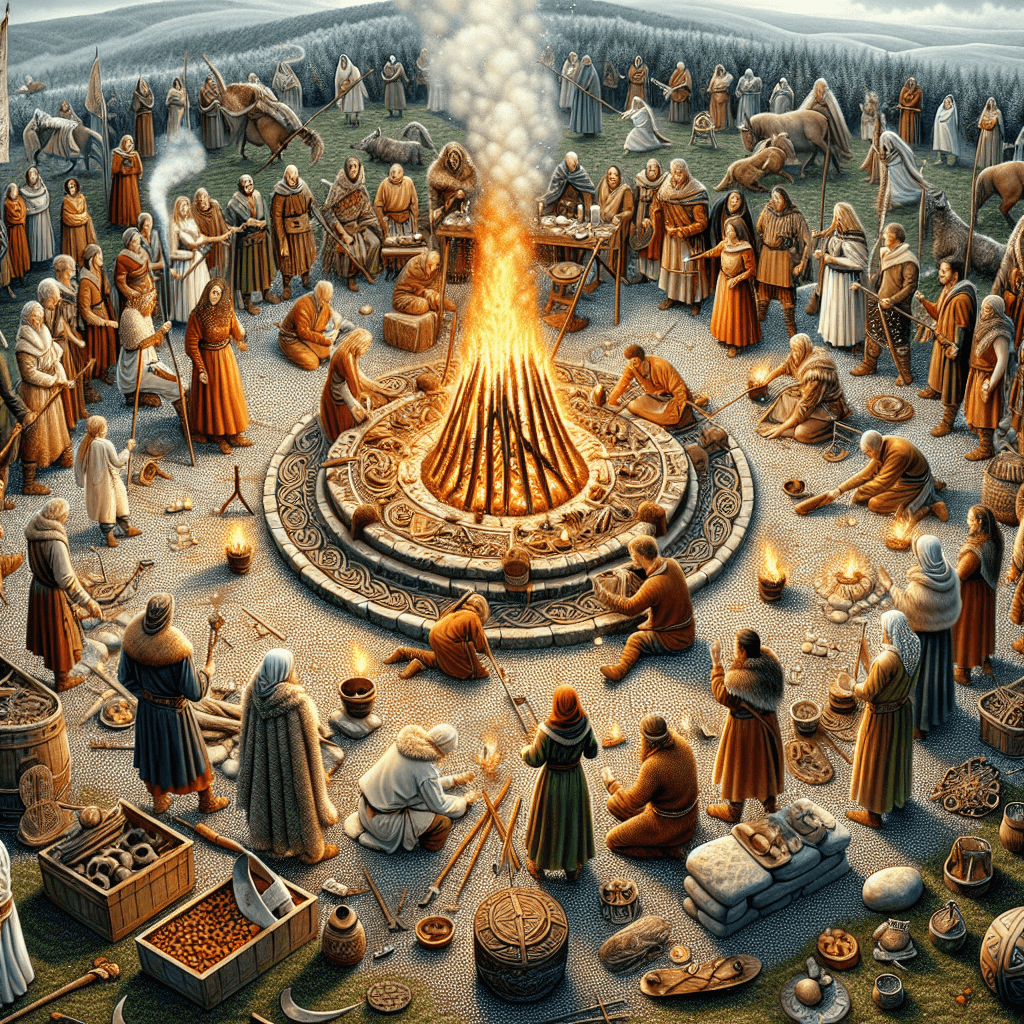
Contemporary practitioners incorporate sacred cup ritual uses into seasonal celebrations, full moon ceremonies, and personal devotional practices with remarkable creativity and reverence. Samhain rituals often feature ancestor honoring ceremonies where practitioners fill chalices with traditional beverages like apple cider or wine, offering toasts to deceased loved ones before pouring libations onto the earth. Imbolc celebrations include blessing ceremonies where participants consecrate water in sacred cups, using this blessed liquid for purification rituals throughout the coming season. Beltane fertility rituals incorporate shared chalice ceremonies where couples or groups drink from the same vessel to symbolize unity and creative partnership.
Solitary practitioners develop personal sacred cup ritual uses that reflect their individual spiritual needs and deity relationships. Daily devotional practices might include offering fresh water to household gods, drinking blessed tea while reciting prayers, or using the chalice as a scrying tool filled with dark liquid for divination work. Monthly full moon rituals often incorporate chalice ceremonies where practitioners charge water or wine under lunar light, then drink the empowered liquid to absorb divine feminine energy. New moon ceremonies might involve filling cups with blessed water for cleansing rituals or offering wine to patron deities for guidance during the dark moon period.
Group rituals expand sacred cup ritual uses to include elaborate passing ceremonies, competitive toasting games, and collaborative blessing practices. Coven meetings typically begin or end with chalice ceremonies where members share drinks blessed by the high priestess or priest, reinforcing group bonds and shared spiritual commitment. Pagan festivals feature community chalice rituals where hundreds of participants contribute to massive libation ceremonies, pouring offerings from individual cups into central cauldrons before the liquid is returned to the earth. These modern adaptations demonstrate how sacred cup ritual uses continue evolving while maintaining their essential spiritual functions.
Choosing Your Ritual
Selecting appropriate sacred cup ritual uses requires consideration of your spiritual goals, tradition preferences, and practical circumstances. Begin by examining your existing spiritual practice to identify areas where chalice work might enhance your connection with divine energies or improve ritual effectiveness. Consider whether you prefer solitary or group ceremonies, as this choice affects the size, style, and blessing protocols most suitable for your chalice work. Evaluate your comfort level with alcohol versus non-alcoholic beverages, since many traditional sacred cup ritual uses involve wine or mead, though water, juice, and herbal teas serve equally well for most purposes.
Research the specific requirements and suggestions within your chosen spiritual tradition to ensure your sacred cup ritual uses align with established practices and beliefs. Wiccan practitioners might focus on elemental correspondences and goddess connections, while Norse heathens emphasize ancestor honoring and community building aspects of chalice ceremonies. Celtic reconstructionists often prioritize historical accuracy in vessel design and ritual protocols, while eclectic practitioners enjoy greater freedom to blend elements from multiple traditions. Study primary sources, reputable books, and experienced practitioners’ guidance to develop solid foundational knowledge before creating your personal approach to sacred cup ritual uses.
Experiment with different ritual formats and frequencies to discover what works best for your spiritual development and practical schedule. Start with simple weekly offerings or monthly blessing ceremonies before attempting elaborate seasonal rituals or group celebrations. Document your experiences to track which sacred cup ritual uses produce the strongest spiritual results and which feel most natural to your personal practice style. Remember that authentic spiritual connection matters more than perfect adherence to any specific tradition, so adapt established practices to meet your genuine spiritual needs while maintaining respect for their cultural origins.
Sacred Cup Ritual Uses provide endless opportunities for spiritual growth and divine connection when approached with sincerity and proper preparation. Which sacred cup ritual practices will you explore first to deepen your connection with the divine feminine and enhance your spiritual journey?
Related Items:

Lilly Dupres
Owner & AuthorLilly Dupres, a lifelong practitioner of paganism, established Define Pagan to offer a clear definition of paganism and challenge misconceptions surrounding modern pagan lifestyles.


