
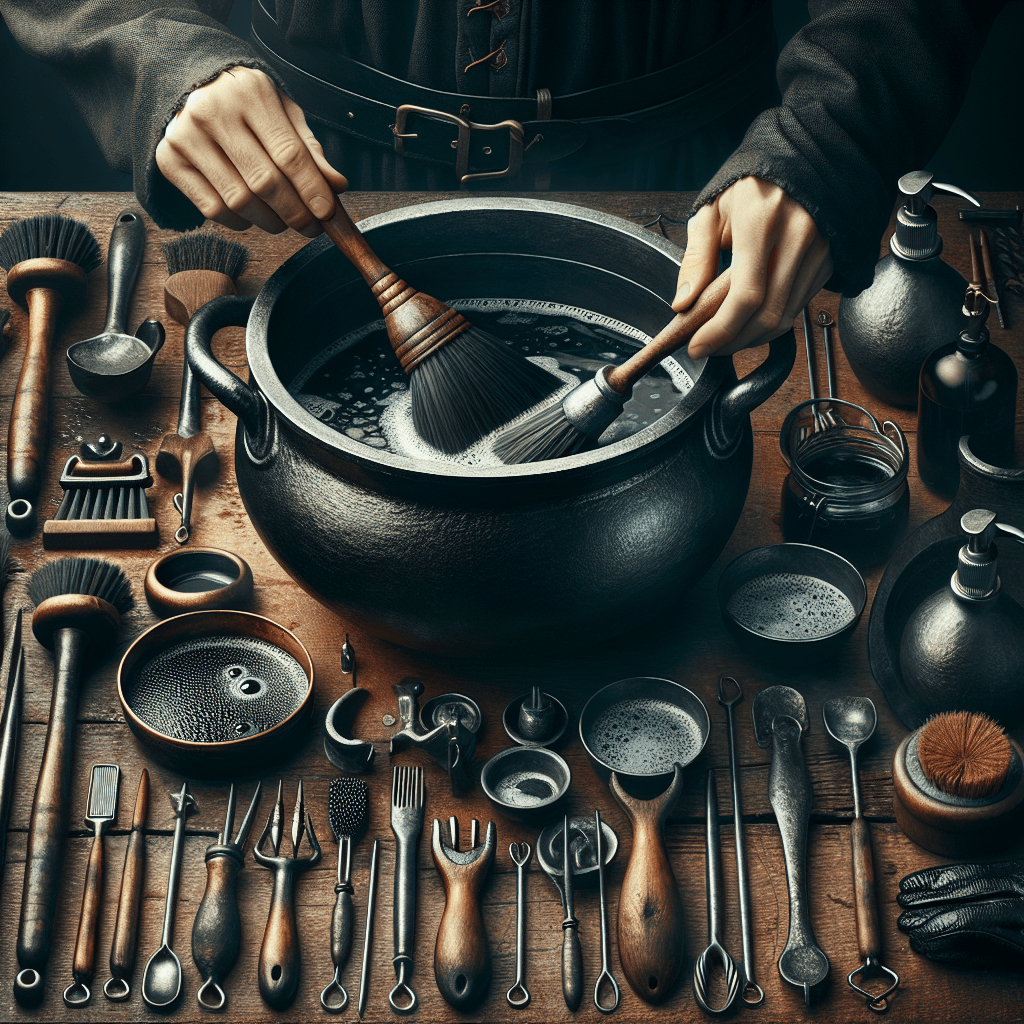
How do you clean and maintain a cast iron cauldron to prevent rust and extend its lifespan?
The answer lies in understanding that proper cauldron care and maintenance forms the foundation of effective magical practice and tool longevity. Your cast iron cauldron serves as more than a ritual vessel; it becomes a sacred partner in your spiritual work when you treat it with respect and attention. The process begins immediately after each use while the metal remains warm. Scrub the interior with hot soapy water using a stiff brush or create a paste from coarse salt to remove stubborn residue. This mechanical action lifts away any accumulated materials without damaging the iron surface.
The key principle centers on complete moisture removal, as water creates the perfect environment for rust formation. Dry your cauldron thoroughly with a clean towel, then place it on your stove over low heat for several minutes to evaporate any remaining moisture. Once completely dry, apply a thin layer of oil across all surfaces. Olive oil or vegetable oil work equally well for this purpose. Heat the oiled cauldron again to allow the oil to polymerize and create a protective coating. This seasoning process builds up over time, forming a natural nonstick surface that prevents rust and makes future cleaning easier.
For rust removal on neglected cauldrons, mechanical methods using steel wool effectively eliminate surface corrosion. Chemical approaches include soaking affected areas in vinegar-water solutions or using cola’s phosphoric acid content overnight. Always follow rust removal with complete re-seasoning to restore protection. Store your cauldron in a dry location away from humidity sources to maintain its condition between uses.
Daily Cleaning Ritual Practices
Your daily cauldron maintenance routine should integrate seamlessly with your spiritual practice while preserving the tool’s physical integrity. After completing any ritual work, address cleaning while the cauldron retains warmth from use. Warm metal accepts cleaning solutions better and releases residue more easily than cold surfaces. Begin by pouring hot water into the vessel and using a stiff brush to scrub away any remaining materials. The brush’s bristles should be firm enough to remove buildup but not so aggressive as to damage existing seasoning.
Create a cleaning paste by combining coarse sea salt with minimal water when dealing with stubborn residues. This natural abrasive removes particles without requiring harsh chemicals that could interfere with future magical workings. Work the salt paste in circular motions across all interior surfaces, paying attention to corners and curved areas where materials tend to accumulate. Avoid using soap whenever possible during routine cleaning, as it strips away the protective oil layer that prevents rust formation.
After scrubbing, rinse thoroughly with hot water and immediately dry with a clean towel. Place the cauldron on your stove over low heat to ensure complete moisture evaporation. While the metal warms, prepare a small amount of oil on a clean cloth or paper towel. Apply this oil in a thin, even layer across all surfaces once the cauldron cools slightly but remains warm. The warmth helps the oil penetrate and bond with the metal. For practitioners who burn incense directly in their cauldrons, protect the surface by pouring a layer of salt or sand before adding charcoal or herbs. This barrier prevents direct contact between burning materials and the iron, reducing damage risk. Store your cauldron in a dry location with good air circulation to prevent moisture accumulation and maintain the seasoning.
Seasonal Deep Cleansing Methods
Deep cleaning your cauldron requires more intensive approaches that address accumulated damage and restore optimal condition for continued use. Schedule these thorough cleanings quarterly or whenever you notice rust spots developing despite regular maintenance. Begin deep cleaning by assessing the extent of corrosion or buildup affecting your cauldron. Light surface rust responds well to mechanical removal using fine steel wool or wire brushes. Work in circular motions to avoid creating deep scratches that trap moisture and encourage future rust formation.
For moderate rust accumulation, prepare a solution containing equal parts white vinegar and water. Submerge the affected areas or fill the entire cauldron with this mixture and allow it to soak for twenty-four hours. The acetic acid in vinegar dissolves rust through chemical action, making removal easier. Alternative chemical approaches include filling the cauldron with cola overnight, as the phosphoric acid content effectively breaks down rust formations. After chemical soaking, scrub treated areas with steel wool or wire brushes to remove loosened corrosion.
Severe rust damage may require more aggressive methods such as lye soaks or electrolysis treatments. Lye soaks involve sealing the cauldron with lye solution in heavy-duty bags and allowing extended contact time. Electrolysis uses electrical current in a baking soda solution to reverse the oxidation process over several hours or days. These advanced methods require safety precautions and proper ventilation. Regardless of the cleaning method used, complete the process by washing with warm soapy water to remove all cleaning residues. Dry thoroughly using towels and low heat application. Re-seasoning becomes critical after deep cleaning to restore protective coatings. Apply multiple thin oil layers, heating between each application. Bake the cauldron upside down at 350 degrees Fahrenheit for one to two hours, allowing oil to fully polymerize. Repeat this seasoning process several times to build adequate protection.
Preventing Rust and Corrosion
Rust prevention requires consistent attention to moisture control and protective coating maintenance throughout your cauldron’s lifetime. Water serves as the primary catalyst for iron oxidation, making moisture elimination your top priority in preservation efforts. Never allow your cauldron to soak in water or remain wet for extended periods. Even brief exposure to humidity accelerates corrosion processes that compromise structural integrity and magical effectiveness.
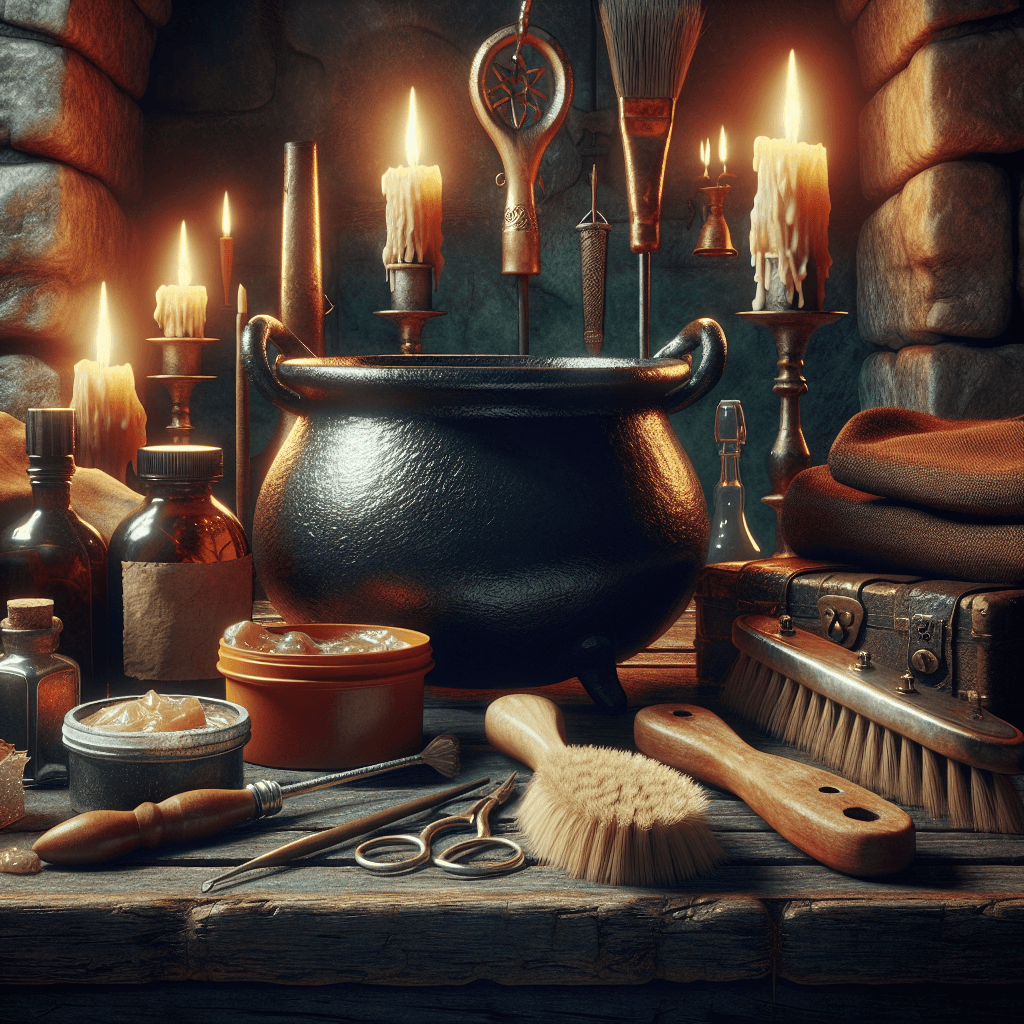

After each cleaning session, dry your cauldron completely using absorbent towels followed by heat application to remove residual moisture. Place the clean cauldron on your stove over low heat for several minutes while monitoring to prevent overheating. The metal should feel completely dry and slightly warm when removal occurs. Apply oil immediately while the cauldron retains this warmth, as heated metal accepts and bonds with protective coatings more effectively. Use thin oil applications rather than heavy coats that create sticky surfaces attracting dirt and debris. Build up seasoning gradually through repeated light applications over time.
Choose storage locations that maintain low humidity levels and provide adequate air circulation. Basements, bathrooms, and other moisture-prone areas create environments that accelerate rust formation despite your best maintenance efforts. Consider using moisture-absorbing materials like silica gel packets in storage areas during humid seasons. For practitioners in coastal regions or high-humidity climates, increase oil application frequency and monitor your cauldron more closely for early rust signs. When using your cauldron for incense burning, create protective barriers using salt or sand layers between the metal and burning materials. These barriers absorb heat and prevent direct contact that causes pitting and surface damage. Prove new cauldrons or recently stripped ones by heating olive oil with coarse salt inside the vessel, then rubbing this mixture across all surfaces. This traditional method creates an initial protective layer that subsequent seasonings build upon. Regular use actually benefits cast iron cauldrons by maintaining oil layers through natural heating cycles.
Cast Iron vs. Copper vs. Brass: A Comparison
Material selection significantly impacts your cauldron care and maintenance requirements, with each metal presenting distinct advantages and challenges for magical practitioners. Cast iron stands as the preferred choice for functional magical work due to its durability, seasoning properties, and chemical safety when properly maintained. The porous nature of cast iron allows oil absorption that creates natural nonstick surfaces over time. This seasoning process also provides rust protection that improves with regular use and proper care. Cast iron cauldrons handle extreme temperatures safely, making them suitable for brewing magical preparations, heating liquids, and containing fire-based rituals. The metal remains chemically inert when seasoned, preventing contamination of potions, teas, or other consumable preparations. Weight represents the primary disadvantage of cast iron, as these cauldrons require sturdy surfaces and careful handling during transport.
Copper cauldrons offer excellent heat conduction properties that distribute temperature evenly throughout the vessel. This characteristic benefits applications requiring precise temperature control or rapid heating. The distinctive appearance of copper creates an aesthetically pleasing focal point for ritual spaces. However, copper presents serious safety concerns for any application involving consumable liquids. The metal reacts with acids and releases copper ions that accumulate in the body over time. This contamination risk limits copper cauldrons to decorative purposes or dry ritual applications only. Maintenance requirements for copper include regular polishing to prevent tarnishing and careful handling to avoid dents in the softer metal.
Brass cauldrons combine aesthetic appeal with lighter weight compared to cast iron alternatives. The golden color and ornate detailing available in brass vessels complement many decorative schemes. Like copper, brass presents contamination risks that preclude use with consumable liquids or herbal preparations meant for internal use. The alloy composition makes brass less heat-stable than cast iron, limiting temperature ranges for safe use. For practical pagan applications requiring actual cooking, brewing, or liquid heating, cast iron provides the safest and most durable option despite increased weight and maintenance requirements.
Understanding proper cauldron care and maintenance ensures your sacred tools serve you faithfully throughout years of magical practice. Which aspect of cauldron maintenance do you find most challenging in your own spiritual work?
Related Items:

Lilly Dupres
Owner & AuthorLilly Dupres, a lifelong practitioner of paganism, established Define Pagan to offer a clear definition of paganism and challenge misconceptions surrounding modern pagan lifestyles.


