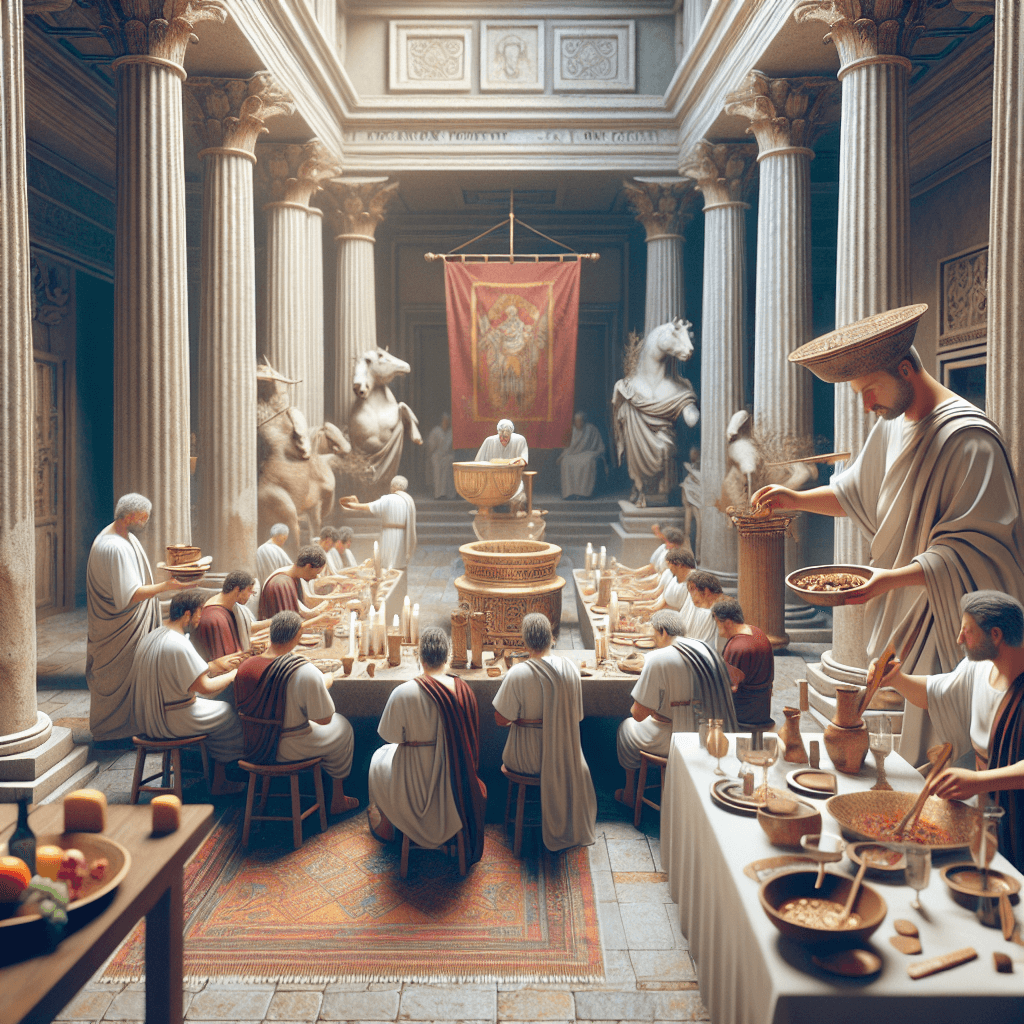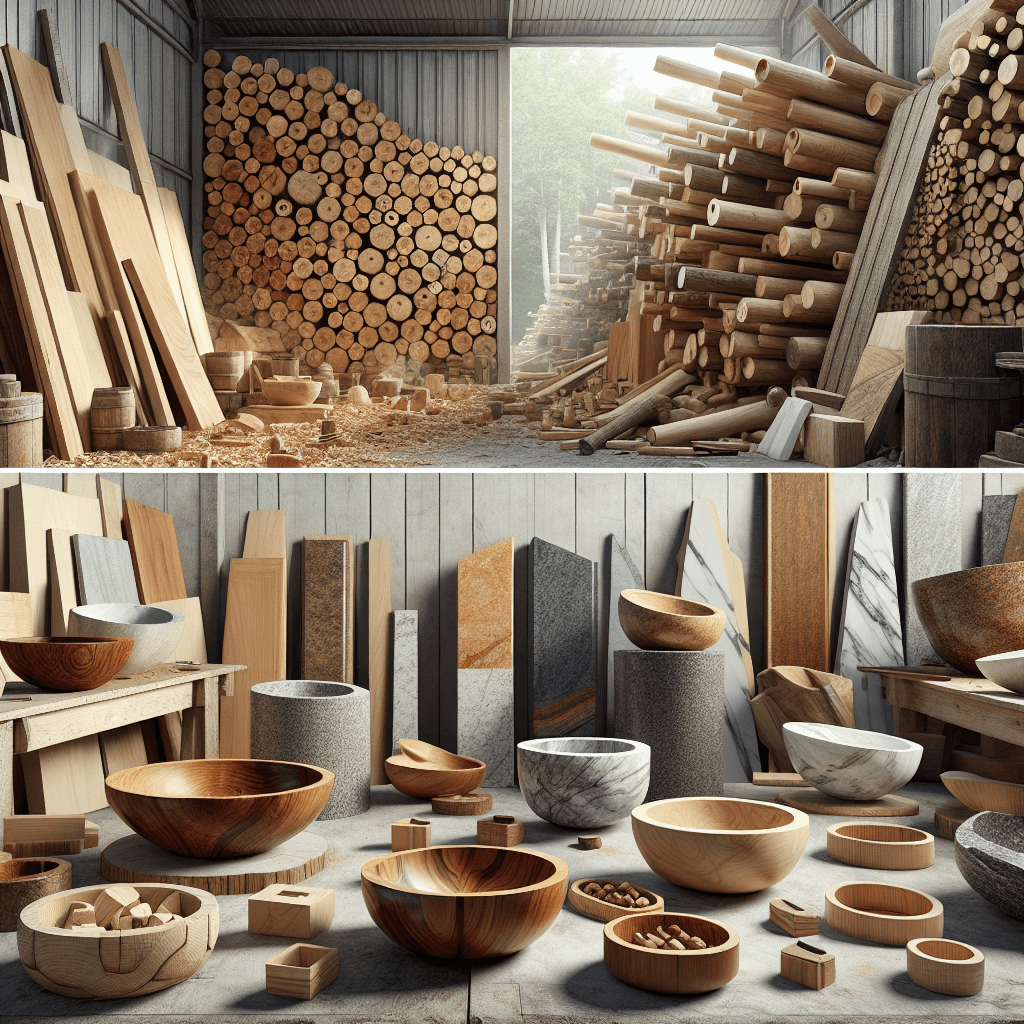
What materials are best for altar bowls and how do you choose the right one for your spiritual practice?
When choosing altar bowl materials, the key lies in balancing durability, energetic properties, and your specific ritual needs. The best materials include brass for longevity, ceramic for versatility, wood for natural aromatics, and crystals for energy work. Your choice should align with your spiritual path, practical requirements, and maintenance preferences while honoring the sacred nature of your practice.
Your altar bowl serves as more than a simple container. It acts as a bridge between the physical and spiritual realms, holding your offerings and intentions with reverence. The material you select carries its own vibration and symbolic meaning that will influence your spiritual work for years to come.
Sacred Bowl Material Guide
Understanding the properties of different altar bowl materials helps you make an informed choice that supports your spiritual practice. Each material offers unique benefits and considerations that affect both function and energy.
Brass bowls represent the gold standard for durability in spiritual practice. These metal vessels resist tarnishing when properly maintained and develop a beautiful patina over time that many practitioners find spiritually significant. The warm golden color of brass connects to solar energy and masculine divine principles in many traditions. Brass bowls handle heat well, making them perfect for burning incense, holding hot charcoal, or catching ashes during smudging ceremonies. They also produce a clear, resonant tone when struck, which some practitioners use for sound healing or calling in spiritual energies. The weight of brass creates stability on your altar, preventing accidental spills during ritual work. Many brass bowls feature sacred symbols like pentacles, Celtic knots, or deity imagery that align with specific spiritual paths.
Ceramic and porcelain bowls offer excellent versatility for modern practitioners. These materials resist heat and moisture while providing a neutral energetic base that works with any spiritual tradition. White ceramic bowls particularly suit practitioners who prefer clean, minimalist altar aesthetics or those working with lunar energies. The smooth surface of ceramic makes cleaning simple, important when using oils, herbs, or food offerings. Glazed ceramic bowls come in countless colors, allowing you to match your bowl to specific chakras, elements, or seasonal celebrations. Handcrafted ceramic pieces carry the energy of their maker, adding personal touch to your sacred space. The earth-based nature of ceramic connects you to grounding energies while the firing process adds transformation symbolism.
Wooden bowls bring living energy to your altar through their organic origins. Sandalwood bowls naturally release sacred fragrance that enhances meditation and prayer. The grain patterns in wood create unique mandalas that aid in contemplative practices. Different wood types carry distinct energetic properties: oak for strength and endurance, cherry for love and healing, walnut for wisdom and intuition. Wooden bowls age beautifully, developing deeper colors and enhanced aromatics over time. They provide natural antimicrobial properties that keep offerings fresh longer. The warmth of wood against your hands during ritual work creates intimate connection with natural forces. Hand-carved wooden bowls often feature traditional designs that honor indigenous spiritual practices.
Stone and crystal bowls elevate your altar’s vibrational frequency through their mineral consciousness. Selenite bowls continuously cleanse and charge whatever you place inside them without requiring any activation or maintenance. Rose quartz bowls infuse offerings with loving energy while amethyst bowls enhance spiritual communication and psychic work. Obsidian bowls provide protection and grounding during intense ritual work. The weight and coolness of stone bowls create sensory anchoring during meditation. Natural crystal bowls display unique formations and inclusions that serve as focal points for contemplation. The geological age of stone materials connects your practice to ancient earth energies and deep time awareness.
Best Altar Bowl Materials
Selecting the optimal altar bowl material depends on your specific needs, spiritual tradition, and practical considerations. The most recommended materials balance functionality with sacred purpose.
Brass stands out as the most practical choice for active ritual practitioners. Its durability means your bowl will serve you for decades while maintaining both beauty and function. Brass handles temperature changes without cracking, unlike ceramic or stone options. The metal’s conductivity makes it excellent for energy work, as it readily absorbs and radiates spiritual forces. Traditional spiritual practices often favor brass for its solar associations and ability to hold sacred intention over time. The maintenance requirements remain minimal with occasional polishing to maintain luster. Investment in quality brass pays dividends through longevity and reliability during important ceremonies.
Ceramic ranks second in practicality while offering superior customization options. The firing process creates stable, non-porous surfaces that resist staining from oils, wine, or colored offerings. Ceramic bowls come in sizes from tiny votive holders to large ceremonial vessels, accommodating various ritual scales. The material’s neutrality allows it to work harmoniously with any altar setup without energetic interference. Many ceramic bowls feature food-safe glazes, making them suitable for offering consumables to deities or ancestors. The widespread availability of ceramic bowls means easy replacement if breakage occurs.
Wood provides the best connection to natural energies but requires more maintenance commitment. Proper care involves regular oiling to prevent cracking and careful drying after water exposure. The natural oils in aromatic woods like sandalwood or cedar enhance your ritual atmosphere through subtle fragrance release. Wooden bowls work best in stable indoor environments where temperature and humidity remain consistent. They excel for dry offerings like herbs, crystals, or written petitions but need protection when used with liquids.
Crystal materials serve specialized purposes in energy-focused practices but demand careful handling. Their high cost reflects both beauty and fragility, making them investments for dedicated practitioners. Crystal bowls require protection from temperature shock, physical impact, and certain cleaning chemicals. The energetic benefits often justify the extra care for practitioners working intensively with crystal healing or chakra balancing. Storage becomes important to prevent chips, cracks, or energetic contamination from other sources.
Ritual Bowl Selection Tips
Choosing your altar bowl involves balancing multiple factors that affect both immediate usability and long-term satisfaction. Consider these elements to find your perfect ritual vessel.
Size selection directly impacts your bowl’s versatility and altar proportion. Small bowls measuring 3-4 inches across suit personal altars, herb storage, or individual offerings like coins or crystals. Medium bowls spanning 5-7 inches accommodate group offerings, seasonal displays, or multi-item presentations. Large bowls exceeding 8 inches work for community rituals, abundant harvest offerings, or central altar focal points. Your available altar space constrains size choices, but avoid bowls so small they appear insignificant or so large they overwhelm other sacred objects. Consider how you’ll transport your bowl if you practice in multiple locations.
Design elements should align with your spiritual path and aesthetic preferences. Plain bowls offer timeless versatility that works across different seasons and ritual types. They focus attention on contents rather than container, suitable for practitioners who prefer simplicity. Decorated bowls featuring sacred symbols, deity images, or elemental motifs reinforce specific spiritual intentions. Celtic knotwork appeals to Celtic reconstructionists, pentagrams suit Wiccan practitioners, and lotus designs complement Buddhist-influenced paths. Some bowls incorporate functional design elements like built-in candle holders or raised offering platforms.
Color psychology influences your bowl’s energetic contribution to ritual work. Black bowls suit banishing rituals, ancestor work, or protection spells. White bowls enhance purification ceremonies, lunar magic, or blessing rituals. Gold or brass tones connect to solar energy, prosperity work, and masculine divine aspects. Silver tones align with lunar energy, intuition development, and feminine divine aspects. Earth tones like brown or green ground your practice in natural cycles and elemental work. Bright colors like red or orange energize passion-based rituals or creativity workings.
Handle or rim features affect both function and symbolism. Bowls with pouring spouts facilitate libation offerings or ritual cleansing with blessed water. Flat, wide rims provide stable platforms for additional offerings or candle placement. Footed bowls elevate offerings symbolically and practically, improving air circulation around contents. Some bowls include lids for storing herbs or keeping offerings private. Nested bowl sets allow you to separate different offering types or create layered altar displays.
Budget considerations balance quality with affordability across your spiritual practice. Entry-level ceramic or small brass bowls cost under twenty dollars and provide excellent function for beginning practitioners. Mid-range options in quality brass or handcrafted ceramic run thirty to sixty dollars and offer enhanced durability and beauty. Premium materials like large brass pieces, artisan ceramics, or crystal bowls command higher prices but provide lifetime service and heirloom potential. Factor in maintenance costs like polishing compounds for metal or protective storage for fragile materials.
Building Your First Altar: Why Every Sacred Space Needs a Bowl
Creating your first altar requires understanding which elements provide maximum spiritual benefit with minimum complexity. An altar bowl serves as your most versatile and essential tool, supporting multiple functions within your sacred space.
The bowl establishes your altar’s energetic center through its physical presence and symbolic meaning. Unlike statues or artwork that remain static, your bowl actively participates in ritual work through holding offerings, collecting energy, and facilitating exchange with spiritual forces. The circular shape represents wholeness, cycles, and feminine creative principle found in most spiritual traditions. Its hollow interior symbolizes receptivity to divine blessings, spiritual guidance, and transformative energies. The rim creates a boundary between sacred contents and mundane world, defining your offering as intentionally set apart. Even an empty bowl holds significance as potential waiting for manifestation.
Practical applications extend far beyond formal ritual work into daily spiritual maintenance. Your bowl catches ash during incense burning, preventing damage to altar surfaces and containing sacred residues for proper disposal. It holds crystals during charging ceremonies, creating focused energy centers within your sacred space. Salt placed in your bowl absorbs negative energies from your environment, requiring regular replacement and disposal. Holy water or blessed oils remain pure when stored in dedicated ritual bowls rather than mundane containers. Fresh flowers, herbs, or seasonal offerings stay organized and presentable when arranged in appropriate vessels.
Offering practices develop your relationship with spiritual forces through consistent giving and receiving. Simple daily offerings like water, bread crumbs, or flower petals establish regular communication with guides, ancestors, or deities. Seasonal offerings of first fruits, harvest bounty, or winter evergreens mark natural cycles and maintain earth connections. Prayer papers or petition scrolls placed in bowls await spiritual response and eventual ceremonial burning or burial. Coins or small valuables demonstrate material sacrifice and commitment to spiritual growth. The act of placing offerings cultivates gratitude, humility, and recognition of interdependence with unseen helpers.
Storage functions keep your spiritual tools organized and energetically clean between uses. Small crystals, tumbled stones, and healing gems maintain proper vibrations when stored in consecrated bowls rather than random containers. Herbs for spellwork or tea blending stay potent and pure when kept in dedicated vessels. Jewelry worn during ritual work requires cleansing storage to remove accumulated energies from daily wear. Divination tools like runes, dice, or small oracle items benefit from protective housing that maintains their spiritual clarity. Even mundane supplies like matches, candle snuffers, or altar cloths gain sacred significance when stored in ritual vessels.
Meditation support comes through the bowl’s presence as focal point and energy anchor. Visual contemplation of the bowl’s shape, color, or contents provides meditation object that trains concentration and develops spiritual sight. Sound meditation emerges when you strike metal bowls or run fingers around crystal rim to produce singing tones. Breathing exercises synchronize with offering placement or removal, creating mindful ritual sequences that calm mental chatter. The bowl’s weight, temperature, and texture provide sensory anchoring during visualization or prayer work. Its consistent position on your altar creates spatial memory that helps establish meditative states through environmental cuing.
Crystal Altar Bowls
Crystal bowls occupy a special place in contemporary spiritual practice through their unique energetic properties and visual appeal. These vessels combine functional utility with active spiritual assistance, making them powerful altar additions for dedicated practitioners.
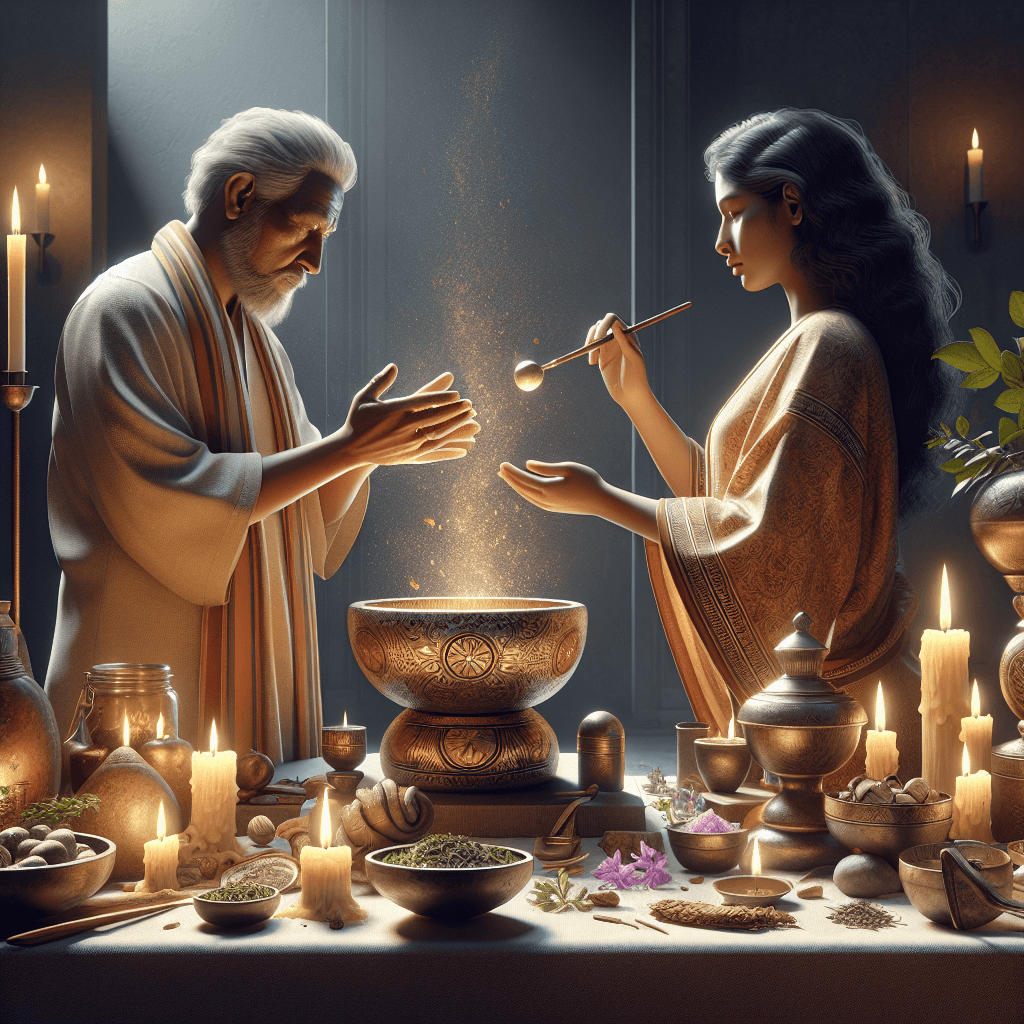

Material properties of different crystals create specific effects within your ritual bowl selection. Clear quartz bowls amplify whatever energies you place inside them, making offerings more potent and intentions more focused. The crystal’s natural piezoelectric properties generate subtle electrical fields when under pressure, creating measurable energetic changes in your sacred space. Rose quartz bowls infuse contents with unconditional love frequency, perfect for healing work or relationship magic. The pink crystal’s heart chakra resonance helps open emotional barriers and promotes self-acceptance during spiritual work. Amethyst bowls enhance psychic communication and spiritual protection through their high vibrational frequency and connection to crown chakra activation. Their purple color stimulates third eye opening and facilitates meditation states.
Selenite bowls provide continuous energetic cleansing without requiring activation, charging, or maintenance protocols common with other crystal tools. This white crystal formation naturally transmutes negative energies and maintains high vibrational fields that purify whatever touches its surface. Selenite’s fibrous structure creates internal light reflection that some practitioners believe generates healing frequencies. The crystal’s connection to lunar energies makes these bowls especially effective during full moon ceremonies or feminine divine workings. Selenite’s softness requires gentle handling but rewards careful users with powerful energetic effects that many practitioners report feeling immediately upon contact.
Black tourmaline bowls offer protection and grounding properties essential for certain types of ritual work. This crystal’s ability to neutralize electromagnetic frequencies makes it valuable for practitioners concerned about technology interference with spiritual activities. The stone’s protective qualities create energetic barriers around contents, preventing psychic contamination or unwanted spiritual attention during sensitive workings. Black tourmaline’s grounding effects help maintain stability during intense energy work or emotional healing sessions. Its connection to root chakra provides security and strength for practitioners working through fear-based limitations or trauma healing.
Maintenance requirements for crystal bowls demand more attention than traditional materials but reward careful practitioners with enhanced spiritual experiences. Most crystal bowls require protection from temperature shock, which causes internal stress fractures that weaken structure and diminish energetic properties. Cleaning protocols vary by crystal type, with some requiring only pure water while others need specific cleansing rituals involving moonlight, sage smoke, or burial in earth. Storage considerations include padded containers, stable surfaces away from high traffic areas, and protection from other crystals that might create energetic interference. Regular energy clearing prevents accumulated negativity from diminishing the bowl’s spiritual effectiveness.
Cost factors reflect both the rarity of suitable crystal formations and the skilled craftsmanship required to create functional bowls. Natural crystal bowls carved from single specimens command premium prices due to material costs and artisan time investment. Machine-carved bowls offer more affordable options while maintaining energetic properties, though some practitioners prefer hand-crafted pieces for their unique energy signatures. Size directly affects pricing, with larger bowls requiring increasingly rare crystal specimens and proportionally more carving time. Quality assessment involves checking for internal fractures, surface smoothness, and energetic clarity that affects both durability and spiritual function.
Choosing altar bowl materials forms the foundation of effective spiritual practice through supporting your ritual work with appropriate tools that honor both function and sacred purpose. Whether you select traditional brass for durability, ceramic for versatility, wood for natural connection, or crystals for energy work, your choice should reflect your spiritual path and practical needs while serving your practice for years to come. Which material speaks to your heart and supports the spiritual work you feel called to pursue?
Related Items:

Lilly Dupres
Owner & AuthorLilly Dupres, a lifelong practitioner of paganism, established Define Pagan to offer a clear definition of paganism and challenge misconceptions surrounding modern pagan lifestyles.