
Which wand should I choose for Wicca, Hoodoo, or ceremonial magick?
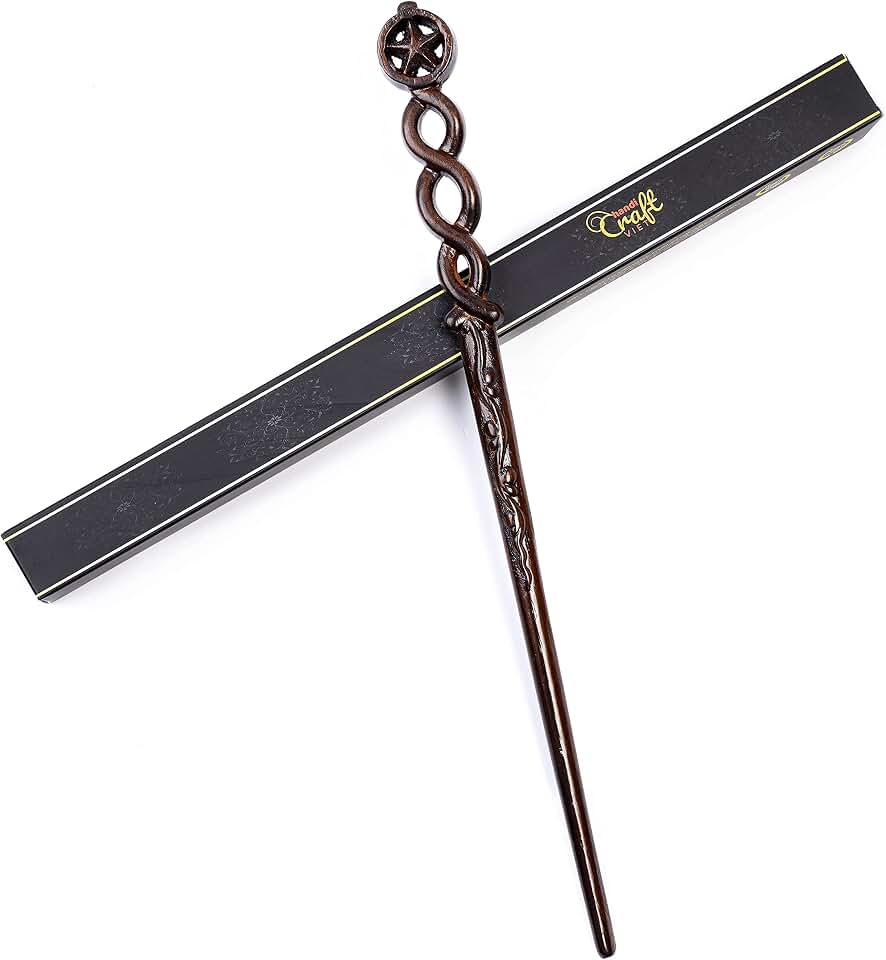
Hand Carved Wood Magic Wand/Witch Wand Real Wood/Wizard Wands 15' for Halloween, Christmas and Birthday Party/Wooden Wand Star (S5)
View ProductThe answer depends less on what looks impressive and more on how you work. Each tradition treats the wand differently, and the best wands for Wicca, Hoodoo and ceremonial magick vary in function and handling rather than appearance alone.
If you practice Wicca, you need a tool that directs energy, marks sacred space, and invokes elemental presence or deity. Ceremonial magicians use wands to channel will and trace precise forms in the air, often assigning each tool to a specific planet or force. Hoodoo practitioners rarely use wands at all because the tradition centers on candles, roots, powders, oils, and petition papers. When a wand does appear in Hoodoo practice, it tends to be a modern addition rather than a traditional requirement.
The Best Wands for Wicca Focus on Wood and Handling
Wood remains the most practical choice for Wiccan practice. A well-seasoned branch or carved wand gives you balance, warmth, and comfortable handling. The material feels alive in your hand and supports fluid ritual movement.
Oak, willow, ash, hazel, and birch appear most often because these woods carry long-standing associations in European magical practice. No single wood is mandatory. What matters more is how the wand sits in your hand during use.
In Wicca, the wand traces circles, directs energy, and indicates action without the sharp edge of an athame. Wiccans prefer the wand for softer, more invitational work. Decoration does not improve function. Weight distribution and comfortable length matter more than carved symbols or painted designs.
A wand that feels too heavy or stretches too long becomes awkward during repeated ritual use. You need to lift, point, and move the tool with confidence. If you think about the object itself instead of your intention, the wand interferes with your work.
Most practitioners cleanse, name, and dedicate their wands. These steps do not make the tool inherently better. They make it yours and define how you will use it.
Why Hoodoo Practitioners Rarely Use Wands
Hoodoo is not a wand-centered tradition. The core tool set includes candles, curios, roots, powders, oils, herbs, stones, and written petitions. Modern discussions about "Hoodoo wands" often import Wiccan or generic occult habits into a tradition with its own established methods.
When a Hoodoo practitioner picks up a wand-like tool, it serves as a personal ritual implement rather than a defining traditional object. The work itself still lives in the prepared materials and the spoken petition. The wand remains secondary.
If you want to incorporate a wand into Hoodoo practice, keep it simple and functional. A plain wooden baton or a carved stick works better than an ornate tool borrowed from another system. The best approach respects the tradition's actual methods rather than imposing foreign structures.
Ceremonial Magick Requires Precision in Wand Selection
Ceremonial magick demands the most specific wand choice. Practitioners select tools based on correspondence, rank, and symbolic function rather than general aesthetics. The wand channels directed will and traces precise geometric forms in ritual space.
In this context, the best wands for Wicca, Hoodoo and ceremonial magick diverge most sharply. Ceremonial work needs straightness, controlled movement, and consistent balance. Resin-heavy decorations, dangling attachments, and poor weight distribution interfere with clean motion through the air.
Length and proportionality matter more in ceremonial practice than in Wicca. The wand must move predictably and hold steady during extended use. Metal, crystal, or composite wands work in modern ceremonial practice, but they change the feel of the tool and the style of use.
If you follow a specific system like the Golden Dawn or Thelemic magick, correspondence tables guide wood and length choices. These systems assign tools to planets, elements, and offices within the ritual structure. A wand chosen for Mars work differs from one selected for Mercury operations.
How to Choose One Wand for Multiple Traditions
If you want a single wand that works across traditions, keep it neutral. Choose good wood, sensible length, clean finish, and minimal ornamentation. This lets you use the same tool in Wiccan circle work and personal ceremonial practice without fighting the tool itself.
A reputable pagan supplier stocks most practical forms. The real test happens in your hand. Hold the wand. Move it through the air. Trace an invisible circle. If the tool moves cleanly and holds your focus, it will serve you better than something flashy.
Comfort beats symbolism when you use a tool repeatedly. A wand that feels awkward on the first try will feel worse after twenty minutes of ritual work. Test the balance point. Check the weight. Make sure you grip it comfortably without strain.
The best wands for Wicca, Hoodoo and ceremonial magick share one trait: they get out of the way of the work. The tool should extend your intention without demanding attention. If you notice the wand instead of the energy you direct, something is wrong with the choice.
Wood Types and Their Practical Differences
Different woods behave differently in the hand. Oak feels solid and heavy. It holds steady during strong directional work. Willow bends slightly and responds well to water-based or lunar workings. Ash grows straight and light, good for extended ritual use without fatigue.
Hazel has a long history in European divination and dowsing. It feels responsive and slightly springy. Birch is light and smooth, comfortable for practitioners with smaller hands or those who prefer delicate movement.
These differences matter more than symbolic associations in daily practice. A heavy oak wand works well for grounding and strong protective gestures. A light birch wand suits invocation and gentle energy direction. Choose based on how you move in ritual space.
Some practitioners prefer fruitwood from apple or cherry trees. These woods are harder to source but offer good density and smooth finish. Avoid green wood unless you plan to let it season. Fresh-cut wood warps as it dries, throwing off the balance you felt when you first chose it.
Length, Weight, and Balance Points

Hand Carved Wooden Magic Wand, Magic Wands for Wizards/Collectible Cosplay, Magical Gift for Halloween, Christmas and Birthday Party 15 inch (S6)
View ProductMost working wands measure between twelve and eighteen inches. Shorter than twelve inches feels more like a pointer than a directional tool. Longer than eighteen inches requires two-handed use or creates strain during extended rituals.
The balance point should sit slightly forward of center, toward the working end. This gives you control without requiring constant grip adjustment. Hold the wand near the base and let it rest in your hand. It should feel stable without conscious effort.
Weight matters more than most beginners expect. A wand that feels fine in the store can tire your arm after fifteen minutes of circle work. If you plan to use the tool in group rituals or longer ceremonies, test it for fatigue. Hold it at working height for five minutes. Your arm should feel comfortable, not strained.
Thickness affects grip comfort. A wand too thin for your hand size requires squeezing to maintain control. A wand too thick forces your fingers into an unnatural position. The right diameter lets you hold the tool firmly without tension.
When Metal or Crystal Wands Make Sense
Metal wands work well in ceremonial magick when you want a tool that feels deliberate and unyielding. Copper conducts energy differently than wood. Silver holds associations with lunar work. Brass or bronze offers durability and weight.
Metal changes the energetic quality of the work. Wood feels warm and organic. Metal feels precise and sometimes cold. If your practice emphasizes control and sharp boundaries, metal serves well. If you prefer flowing, adaptive energy, stick with wood.
Crystal wands appear often in modern practice. Clear quartz, amethyst, and obsidian each carry different energetic qualities. Crystal wands work best as specialty tools rather than all-purpose implements. They are fragile, heavy, and require different care than wooden wands.
If you choose crystal, expect to handle it more carefully. Crystal chips and cracks under pressure. It feels cold initially and warms slowly in the hand. For practitioners who work extensively with crystal energy, a crystal wand makes sense. For general ritual use, wood remains more practical.
How to Test a Wand Before Purchase
Hold it. This is the first and most important test. The wand should feel natural in your dominant hand. Grip it as you would during ritual use. Notice any points of discomfort.
Move it through the air. Trace an invisible pentagram or circle. The motion should feel smooth and controlled. If the wand wobbles, feels heavy at the tip, or requires constant grip adjustment, it is poorly balanced.
Check for rough spots or uneven finish. These become more noticeable during extended use. A smooth finish does not mean highly polished. It means free of splinters, bumps, or sharp edges that dig into your palm.
Look along the length for straightness. A slight curve is acceptable in natural wood. A pronounced bend will pull your gestures off course and tire your hand as you compensate.
If you order online, check return policies. Some suppliers let you test the wand for a few days. Others sell final sale. Know your options before purchase.
Breaking In and Caring for Your Wand
New wands benefit from regular handling before formal use. Hold the tool while you read, meditate, or plan ritual work. This familiarizes your hand with the weight and balance.
Cleansing methods vary by tradition. Wiccans often pass the wand through incense smoke or leave it under moonlight. Ceremonial magicians might use specific formulas or prayers tied to the wand's assigned correspondence. Choose a method that fits your practice and the wand's material.
Wood wands need occasional oiling to prevent drying and cracking. Use a light application of beeswax or mineral oil. Avoid heavy oils that leave residue on your hands during use.
Store your wand where it will not roll off surfaces or get knocked around. Many practitioners wrap wands in cloth or keep them in simple cases. This protects the finish and prevents accidental damage.
Making Your Own Wand
If you make your own wand, you control every aspect of its construction. Harvest wood with intention. Choose a branch that feels right in your hand before you cut it. Thank the tree and leave an offering.
Season the wood properly. Green wood needs to dry slowly to prevent cracking. This takes weeks or months depending on thickness. Rush the process and you end up with a warped, split tool.

Remove bark carefully to avoid gouging the wood beneath. Some practitioners leave bark on for rustic appearance. Others prefer smooth, bare wood. Both approaches work if done well.
Sanding takes patience. Start with coarse grit to shape the wand. Move through progressively finer grits until the surface feels smooth to bare skin. Stop before you create a high polish unless that suits your aesthetic.
Finish with oil or wax to seal the wood. This protects against moisture and hand oils. Let the finish cure fully before ritual use.
The main advantage of making your own wand is fit. You shape the tool to your exact hand size and preferred balance point. The disadvantage is time. A well-made wand takes hours of careful work.
Common Mistakes When Choosing Wands
Buying for appearance instead of function is the most common error. A wand covered in crystals, carvings, and metal bands might look powerful. If it feels awkward to hold and move, it will sit unused.
Choosing length based on symbolic systems without testing practical use creates problems. Some systems specify exact measurements. If that measurement produces a wand you cannot comfortably wield, the symbolism becomes irrelevant.
Ignoring balance is another frequent mistake. A top-heavy wand requires constant muscular effort to keep level. This distracts from the work and causes fatigue.
Mixing traditions without understanding their different approaches leads to confusion. A wand chosen for ceremonial Mars work will not necessarily suit Wiccan circle-casting. Know how you plan to use the tool before you select it.
Skipping the physical test when ordering online leads to disappointment. Read measurements carefully. Check photos for proportion. Ask suppliers about weight and balance if they do not list these details.
Why the Best Wand Is the One You Will Use
The best wands for Wicca, Hoodoo and ceremonial magick share one quality. You reach for them without hesitation. They fit your hand, suit your working style, and stay out of the way of the energy you direct.
Elaborate tools often spend more time on altars than in hands. Simple, well-balanced wands see regular use. If a tool feels good to hold and move, you will incorporate it into your practice naturally.
Your first wand does not need to be perfect. It needs to be functional. As you develop your practice, you will learn what matters to you. Some practitioners prefer light, responsive tools. Others want solid, heavy implements that feel substantial.
Start with something simple and well-made. Use it regularly. Notice what works and what feels awkward. Your next wand choice will be more informed.
At Define Pagan, we stock wands chosen for function and traditional use across Wiccan and ceremonial practice. Each tool is tested for balance, comfortable handling, and clean movement. Browse our selection at https://www.definepagan.com/pagan-shop/ and find a wand that works the way you do.

Lilly Dupres
Owner & AuthorLilly Dupres, a lifelong practitioner of paganism, established Define Pagan to offer a clear definition of paganism and challenge misconceptions surrounding modern pagan lifestyles.