What Pagan Ritual Tools Do Beginners Need to Start Practicing Modern Witchcraft at Home?
New practitioners need only three to five essential items to begin their spiritual journey. A simple white candle represents fire energy and provides illumination for any ritual work. Clear quartz or amethyst crystals amplify your intentions and ground spiritual energy during practice. Salt or sage cleanses spaces and removes negative influences from your sacred area. A small bowl serves as your chalice to hold water, herbs, or offerings to deities. Finally, paper and pen anchor your spell work by writing down intentions or creating sigils. This Pagan Ritual Tools Guide emphasizes that your personal energy remains the most important element in any magical working.
Essential Sacred Tools Overview

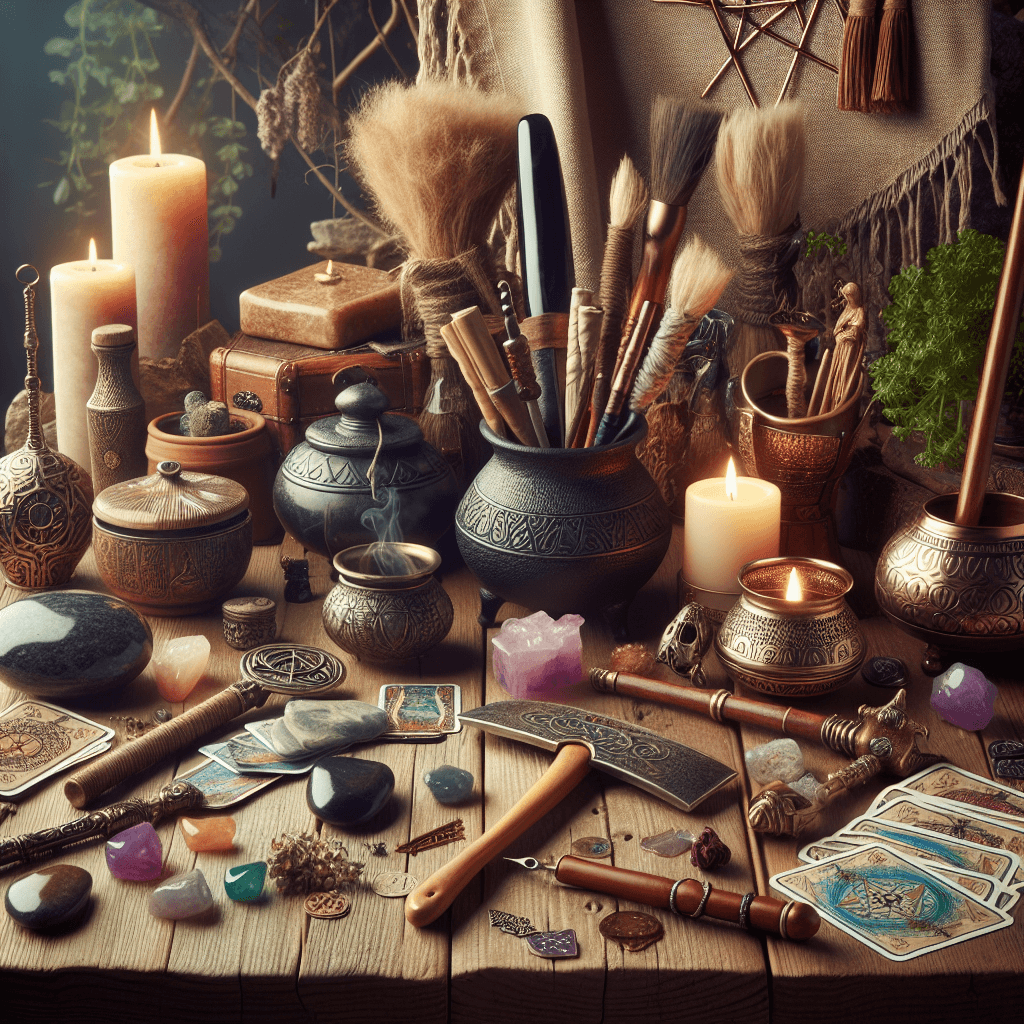
Pagan ritual tools serve as physical extensions of your spiritual intention across multiple traditions including Wicca, Norse, Celtic, and Indigenous practices. These sacred objects focus, direct, and enhance spiritual energy during rituals, spells, and invocations with deities or ancestors. Each tool represents one of the four classical elements that form the foundation of most pagan belief systems. The athame, a black-handled ritual knife, directs energy and casts protective circles around your sacred space. Wands and staffs invoke divine power and channel your will into manifestation work. Chalices represent the water element and emotional connections to the spiritual realm. Pentacles symbolize earth energy and provide grounding during intense ritual work. Incense and bells clear spaces with air energy while creating sacred atmosphere through scent and sound. Candles illuminate your path with fire energy and serve as focal points for meditation. Crystals like clear quartz amplify your natural abilities while black tourmaline provides protection from harmful influences.
Your tools become powerful allies when you consecrate them with clear intentions and regular use in spiritual practice. Remember that these objects hold no inherent magic without your focused will and energy directing their purpose. The relationship between practitioner and tool develops over time through consistent ritual work and personal connection. Many experienced pagans report that their favorite tools seem to develop personalities and preferences through years of shared spiritual experiences. Store your ritual implements in special boxes or cloth wrappings to maintain their energetic purity between uses.
Beginner Ritual Equipment List
Starting practitioners often feel overwhelmed by extensive tool lists, but you need only a few versatile items to begin meaningful spiritual practice. Your starter collection should include an athame or simple kitchen knife for directing energy and casting circles around your ritual space. A white tea light candle provides all-purpose fire energy for clarity spells, protection work, and grounding exercises. Clear quartz serves as an everything crystal that amplifies any intention while amethyst promotes spiritual connection and psychic development. Salt from your kitchen cupboard purifies spaces and creates protective barriers while white sage smudge sticks cleanse negative energy from people and objects. A small ceramic bowl or cup from your home collection represents the water element and holds offerings like herbs, stones, or blessed water. Paper and pen cost nothing extra but anchor your spell work by recording intentions, creating sigils, or writing petition letters to deities.
Begin with one or two items that speak to your intuition rather than purchasing complete ritual sets. Your practice will evolve naturally and guide you toward additional tools that support your specific spiritual path. Many successful witches started with nothing more than a candle and their focused intention before gradually building their collections over months or years. Budget restrictions should never prevent you from beginning your spiritual journey since the most powerful tool remains your own energy and will. Household items work perfectly for ritual purposes when consecrated with clear intention and respect. Focus on developing your skills with simple tools before investing in elaborate ceremonial implements. The connection between practitioner and tool matters far more than the cost or appearance of your ritual equipment.
Traditional Ceremonial Implements History
The Pagan Book of Days: A Guide to the Festivals, Traditions, and Sacred Days of the Year
View Product →Ancient pagan tools trace their origins to Bronze Age innovations in ceremonial magic, influenced by biblical, Kabbalistic, Greek, Roman, and Sumerian spiritual practices. Roman religious ceremonies featured bronze sacrificial knives that priests never touched with bare hands after ritual consecration and dedication to specific deities. Paterae served as shallow libation bowls for pouring wine or oil offerings while bronze oil lamps provided sacred illumination during nighttime rituals. Styluses inscribed prayers and magical formulas on wax tablets while metal probes examined sacrificial animals for divine omens. Herbal offerings came exclusively from the practitioner’s own land and priests stored ritual implements in woods sacred to particular gods like cedar for Juno or oak for Jupiter.
Norse traditions centered around Mjolnir replicas for blessing ceremonies and casting protective circles before important community gatherings or seasonal celebrations. Folk magic practitioners across Europe used stone-casting divination with three to nine stones for healing work or protective spells against maleficium. Scrying mirrors made from polished metal or dark stones revealed hidden knowledge while poppets fashioned from wax or clay represented people in sympathetic magic workings. Rune sets carved into wood, bone, or stone provided guidance and magical power through ancient alphabetic symbols connected to Norse and Germanic deities. These traditional implements carried numina, the divine essence that passed from teacher to student across generations of spiritual practitioners. Sacred items remained within family lineages for centuries, accumulating power through consistent ritual use and ancestral blessing. Archaeological evidence reveals that Bronze Age peoples valued their ceremonial tools enough to bury them with religious leaders and community shamans. The continuity between ancient and modern pagan practices demonstrates the enduring power of these time-tested spiritual technologies.
Modern Pagan Tools Comparison
Contemporary pagan practice blends traditional ceremonial elements with accessible modern materials and personal customization options. Today’s practitioners favor crystal collections, essential oil blends, and roll-on anointing oils over the bronze implements and animal sacrifices of ancient times. Modern ritual focuses shift from communal agricultural ceremonies toward personal altar work, daily tarot readings, and protective shielding against digital fatigue and urban stress. Smudge wands replace traditional besom brooms for cleansing negative energy while manufactured rune sets provide divination guidance without requiring personal carving skills. Mortar and pestle sets allow practitioners to blend their own incense and magical powders while portable ritual bags support practice outside traditional home settings. High-vibration crystals address contemporary concerns like mental health support, electromagnetic field protection, and spiritual grounding in fast-paced modern life.
Personal altars replace community shrines as the center of spiritual practice, allowing for individual expression and private devotion to chosen deities or spiritual guides. Modern practitioners embrace unconventional tools like smartphone apps for moon phase tracking, digital spell journals, and online community connections with fellow pagans worldwide. This accessibility revolution removes financial barriers that once limited spiritual practice to wealthy individuals who could afford elaborate ceremonial implements. Mass production makes quality ritual tools available at reasonable prices while maintaining the energetic effectiveness of traditional handmade items. Contemporary paganism emphasizes intention over expensive materials, encouraging practitioners to begin with household items before investing in specialized equipment. The internet provides unprecedented access to educational resources, allowing modern practitioners to learn techniques that were once guarded secrets passed only through direct teacher-student relationships. Today’s pagan community values inclusivity and adaptation, welcoming practitioners who modify traditional practices to suit physical limitations, budget constraints, or personal preferences while maintaining respect for ancient wisdom and established spiritual principles.
Altar Setup and Sacred Spaces: Creating
Your personal altar becomes the energetic heart of your spiritual practice, representing the four elements through careful placement of ritual tools and sacred objects. Choose a quiet corner of your home where you will face minimal interruptions, then drape your selected surface with an altar cloth made from any fabric that feels spiritually significant to your practice. Position your pentacle or favorite crystals in the center to represent earth energy and provide grounding for all other ritual work performed in this sacred space. Place air element tools like incense, feathers, or bells in the eastern section of your altar to honor the direction of new beginnings and mental clarity. Southern placement suits fire element items including candles, your athame, or any tools associated with transformation and willpower in your magical workings. Western altar space holds water element representations such as your chalice, offering bowl, or shells collected from meaningful locations near rivers, lakes, or oceans.

Add personal touches like deity statues, ancestor photographs, spell books, or herbs that connect your altar to your specific spiritual path and family traditions. Cleanse your sacred space before each ritual session using salt water, sage smoke, or bell ringing to remove any lingering negative influences from daily life stress. Outdoor altars require portable containers or ritual bags that protect your tools during transport while allowing you to practice in natural settings that enhance your earth connection. Regular maintenance includes thanking your deities or spiritual guides, refreshing offerings, and energetically cleansing tools that accumulate spiritual residue through repeated ritual use. Your altar arrangement will evolve as your practice deepens and you discover which tools and arrangements support your most effective spiritual work. This Pagan Ritual Tools Guide provides the foundation for creating meaningful ritual experiences that honor both ancient traditions and your personal spiritual journey.
Which ritual tool calls to your intuition as the perfect starting point for your own magical practice?
Related Items:

Lilly Dupres
Owner & AuthorLilly Dupres, a lifelong practitioner of paganism, established Define Pagan to offer a clear definition of paganism and challenge misconceptions surrounding modern pagan lifestyles.