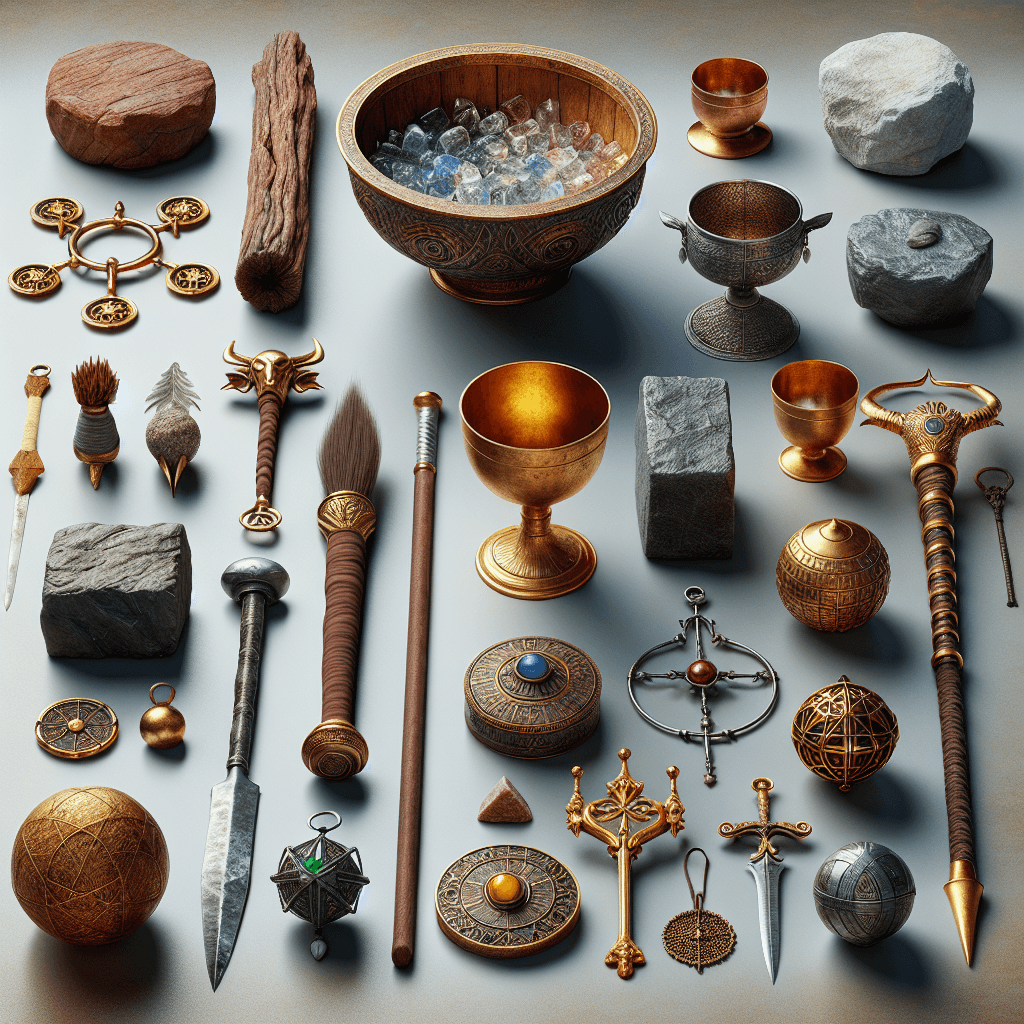
What are the best materials for making ritual tools and how do they compare in effectiveness and durability?
Ritual tool material comparisons reveal that the most effective tools align with your spiritual intentions and magical tradition. Wood, metal, and crystal each offer unique properties for different practices. Traditional materials have earned their reputation through centuries of use, while modern alternatives provide practical solutions for contemporary practitioners. The key lies in understanding how each material conducts energy and supports your specific magical work.
Wood vs Metal Athames
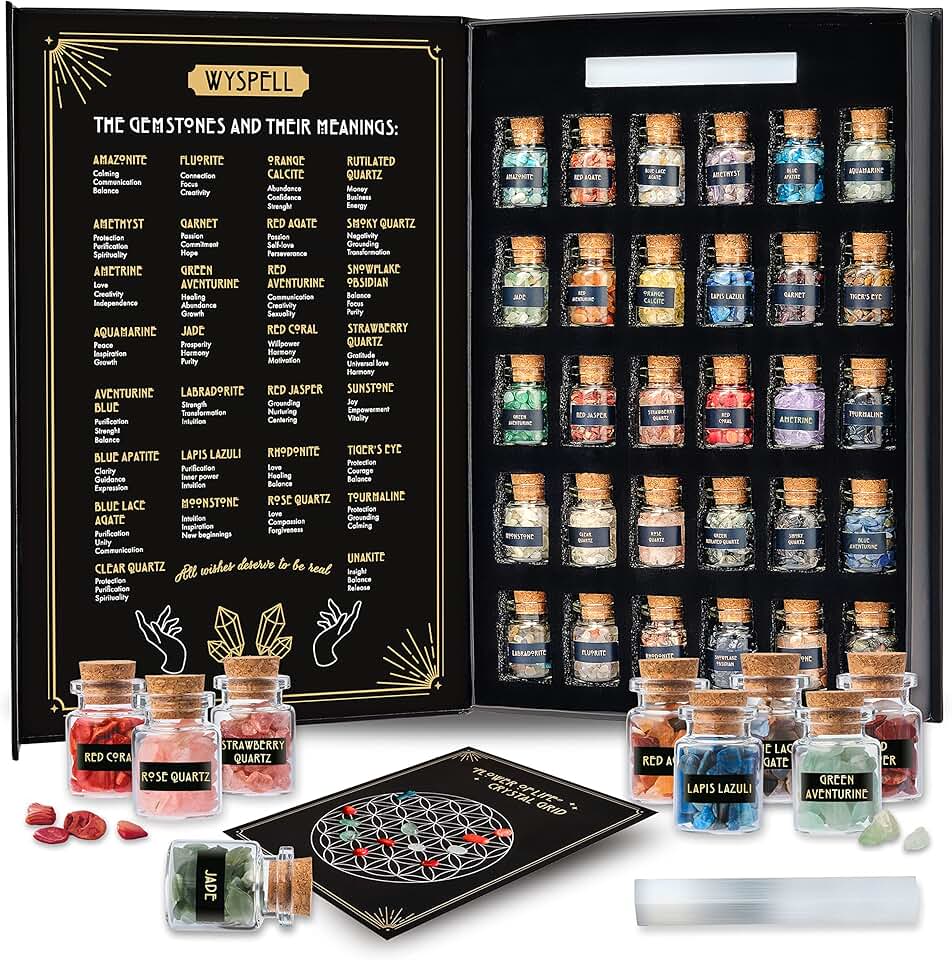
Healing Сrystals in Spell Jars 30 PCS - Real Witchcraft Mini Gemstones
View ProductMetal athames dominate traditional practice for good reasons. Iron and steel blades paired with wooden handles create the most conventional combination. Hand-forged metal blades, especially Damascus steel created by folding different carbon steel grades, deliver superior sharpness and durability. These tools withstand fire exposure during rituals without damage, making them versatile for ceremonial work. The traditional choice of metal connects you to centuries of magical practice and provides the Mars energy association valued in many traditions. Metal athames maintain their edge through repeated use and resist wear from ritual work.
Wooden athames gain popularity in modern practice, though debates about their traditional legitimacy continue within the witching community. Wood never achieves the cutting edge sharpness of metal, but this limitation matters little since athames serve ceremonial rather than cutting purposes. Practitioners who work with elemental spirits and Fae beings prefer wooden athames because these entities react badly to iron and steel. Wood offers comfort for those uncomfortable keeping bladed weapons in their homes while maintaining ceremonial function. Handmade wooden athames often carry more personal energy than purchased alternatives. The material choice becomes less critical than the energy you invest in your tool, since wands or even fingers accomplish the same magical work.
Crystal vs Glass Chalices
Crystal chalices bring natural energy conductivity to your ritual work. Each crystal type carries specific metaphysical properties that enhance different magical intentions. Quartz amplifies energy, amethyst promotes spiritual connection, and obsidian provides grounding. Crystal surfaces interact with liquids in ways that many practitioners believe charge the contents with the stone’s properties. These natural materials connect your chalice work to earth energies and geological time. Crystal chalices require careful handling but reward you with unique energetic signatures that glass alternatives struggle to match.
Glass chalices offer practical advantages while maintaining ritual effectiveness. Glass provides clear visibility of your ritual contents and cleans easily after ceremonies. Modern glass crafting creates beautiful ritual pieces at accessible price points compared to natural crystal alternatives. Glass conducts energy differently than crystal but still serves the chalice’s primary function of holding and presenting ritual liquids. The material’s transparency symbolizes clarity and truth in many magical traditions. Glass chalices resist staining from wines, oils, and other ritual liquids while maintaining their appearance through repeated use. Your connection to the tool matters more than whether you choose crystal or glass, though crystal provides additional energetic benefits that many practitioners value.
Natural vs Synthetic Materials

Bulk Crystals and Healing Stones 50 PCS - Real Mini Crystals for Spell Jars
View ProductNatural materials excel in ritual tool construction because they conduct spiritual energy effectively. Traditional guidelines emphasize wood, horn, or blackened bone for athame handles due to their energetic properties. These materials maintain connections to living systems that once held life force energy. Bone, obsidian, jade, and flint appear in ritual tools across cultures because they interact with magical energy in ways synthetic materials struggle to match. Natural materials age gracefully, developing patina and character that enhances their ritual presence over time. They respond to your energy work, becoming attuned to your specific magical practice through repeated use.
Synthetic materials fail to provide the energetic conductivity that effective ritual work requires. Plastic, resin, and rubber lack the spiritual connectivity of natural alternatives. These materials create energetic barriers rather than facilitating smooth energy flow during ritual work. While synthetic components make tools more affordable, they compromise spiritual effectiveness in ways that experienced practitioners notice immediately. Synthetic materials feel dead to the touch and fail to develop the personal connection that natural materials foster. Even budget-conscious practitioners find better results investing in simple natural materials rather than elaborate synthetic alternatives. The energy you put into your tools returns multiplied when those tools consist of materials that once held life or formed through natural geological processes.
Altar Chalice and Athame Sets: Everything You Need to Know Before You Buy
Blade construction determines athame effectiveness more than appearance or price. Forged single-piece blades resist breakage and conduct energy more smoothly than glued or welded constructions. Quality blades feature tangs extending most or all the way through the handle, creating unified tools that channel energy without interruption. Traditional athames feature black handles and double edges, though these specifications matter less than personal resonance with your chosen tool. Material selection depends entirely on your magical practice, with Faery witches and shamanic practitioners choosing non-iron materials like wood, copper, or bone to honor their spiritual allies. Other traditions prefer iron or steel for Mars energy associations.

QINJIEJIE 20 PCS Healing Crystals Stones Sets Wands Bulk Pocket Gemstones
View ProductBudget considerations affect material choices but need not compromise effectiveness. Wooden athames cost significantly less than metal alternatives while maintaining ceremonial function. Hand-forged metal athames represent premium investments that provide superior energy work capabilities and lasting durability. Bone or gemstone alternatives from craft markets balance cost with traditional authenticity. Remember that simple pocket knives or butter knives serve athame functions perfectly, proving that elaborate tools never substitute for focused intention. Your personal feelings toward a tool outweigh aesthetic appearance or strict traditional adherence. Consider your comfort level with bladed weapons in your home since wooden alternatives and wands offer equally valid magical options. Ritual tool material comparisons ultimately guide you toward tools that support your specific practice rather than dictating universal best choices.
Which materials call to you most strongly, and how will you let your intuition guide your ritual tool selections?
Related Items:

Lilly Dupres
Owner & AuthorLilly Dupres, a lifelong practitioner of paganism, established Define Pagan to offer a clear definition of paganism and challenge misconceptions surrounding modern pagan lifestyles.