What materials are safest for cooking cauldrons and how do you avoid toxic reactions when heating different metals?
Material Safety Considerations

Cast Iron Cauldron with Lid & Handle, Small Triple Moon Cast Iron Cauldron Pot, Incense Burner Witchcraft Ideal for Cooking, Smudging, Ritual Purpose, Sage, Halloween Decoration
View ProductWhen selecting cauldrons for modern pagan practice, understanding cauldron material safety considerations becomes essential for both health and effective ritual work. Cast iron stands as the safest material for cooking cauldrons in modern pagan practice, provided it carries explicit labeling as 100% food-safe without impurities, since many ritual cauldrons contain harmful metals unsuitable for ingestion.
Food-safe cast iron cauldrons, particularly pre-seasoned varieties made without toxins, excel at brewing ingestible potions, stews, and herbal infusions because they distribute heat evenly and support safe cooking when properly maintained. Not all cast iron ritual cauldrons meet food safety standards, so you must verify purity to prevent leaching impurities into your brews.
Preheat your cauldron on medium-high heat for optimal non-stick performance and re-season with flaxseed oil according to instructions to prevent adverse reactions. Temperature changes require gradual transitions, heating and cooling slowly to prevent cracking, and never pour cold water onto hot metal surfaces.
Alternative materials like brass, copper, glass, or ceramic suit non-cooking applications but pose safety risks for ingestion or heating. Cast iron excels for brewing purposes due to its symbolic representation of the earth’s womb and exceptional durability. The material’s ability to retain and distribute heat evenly makes it ideal for creating consistent temperatures needed for potion brewing and herbal preparations.
When purchasing cauldrons for consumable preparations, always request documentation proving food-grade certification and absence of lead, arsenic, or other toxic metals commonly found in decorative ritual pieces.
Fire Safety
Fire safety protocols become critical when working with cauldrons during ritual practice, especially since cast iron remains the safest material for cooking cauldrons when you follow proper heating procedures. Outdoor use proves optimal for burning rituals to minimize smoke damage from oily seasoning or added materials like rubbing alcohol over salt, which causes indoor air quality issues.
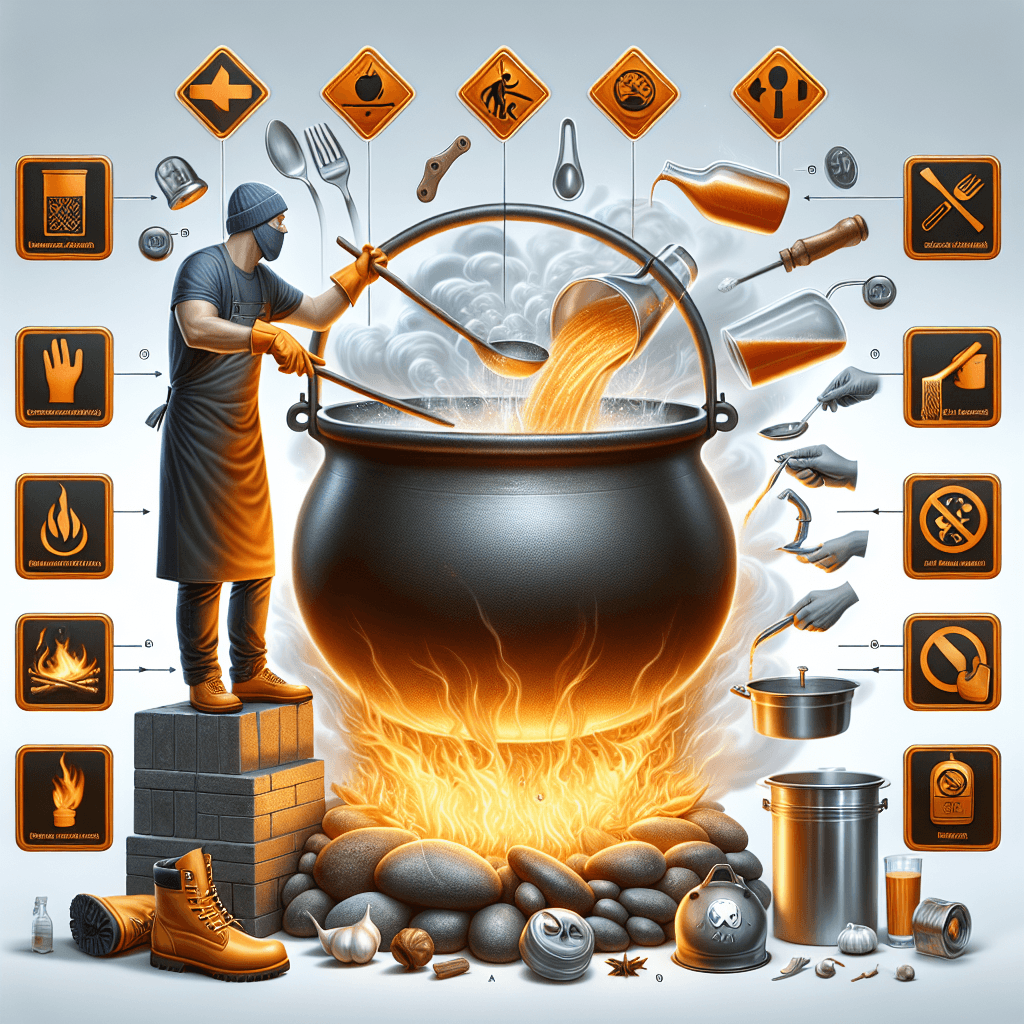
Line your cauldron with sand or salt to protect the metal surface and reduce thermal shock during temperature fluctuations. Never attempt moving hot cauldrons without protective mitts, as iron conducts intense heat that will cause severe burns. Fire-safe designs, including mini cast iron models, provide controlled options for incense or petition burning while maintaining safety standards.
Ventilation becomes crucial when using cauldrons indoors, as burning materials produce smoke that accumulates quickly in enclosed spaces. Position your cauldron on stable, heat-resistant surfaces away from flammable materials like curtains, papers, or wooden surfaces. Keep fire extinguishing materials nearby, including water, sand, or appropriate fire extinguishers rated for the materials you burn.
Monitor flames constantly and never leave burning cauldrons unattended, as wind shifts or material flare-ups create unexpected hazards. Check local fire regulations before conducting outdoor burning rituals, as many areas restrict open flames during dry seasons or in residential zones. Establish clear escape routes and communication plans when working with larger cauldrons during group rituals.
Store flammable ritual materials away from heat sources and maintain clean workspaces to prevent accidental ignition. Regular inspection of your cauldron for cracks or damage prevents structural failures that could spread burning materials beyond controlled areas.
Altar Cauldrons
Selecting appropriate altar cauldrons requires matching materials to your specific ritual intentions, with food-safe cast iron remaining the optimal choice for offerings or brews that require heating or consumption. Lighter alternatives like pentacle metal cauldrons serve symbolic display purposes but lack the safety certifications needed for food contact or high-temperature applications.
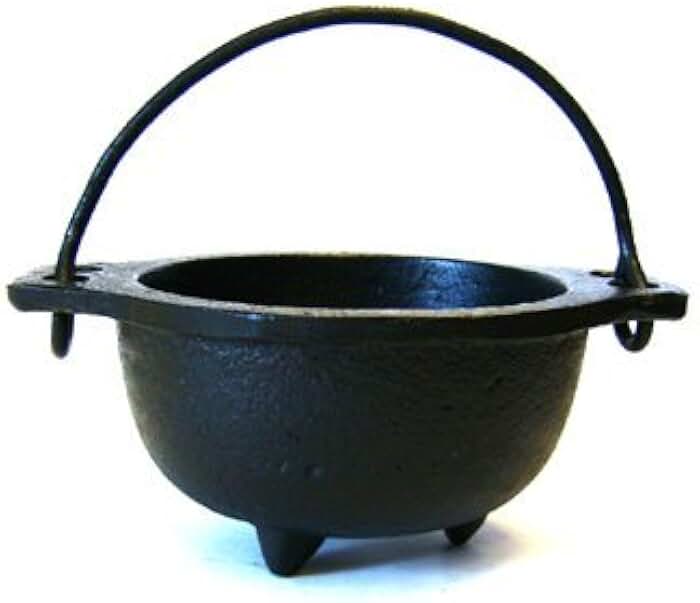
Cast Iron Cauldron w/Handle, Ideal for smudging, Incense Burning, Ritual Purpose, Decoration, Candle Holder, etc. (4" Diameter Handle to Handle, 2.5" Inside Diameter)
View ProductMini cauldrons measuring 4 to 4.5 inches with accompanying lids or stands suit altar spaces perfectly for holding consecrated drinks, resins, or serving as meditation and divination focal points. Pairing these smaller cauldrons with sand creates safe incense burning setups when placed on protective plates or heat-resistant altar cloths.
Size considerations depend on your available altar space and intended ritual functions, with compact designs offering versatility without overwhelming smaller sacred spaces. Weight distribution matters when positioning cauldrons on shelves or elevated altar surfaces, as cast iron’s density requires sturdy support structures to prevent accidents.
Decorative elements should complement rather than compromise safety features, avoiding ornate handles or embellishments that interfere with safe handling during heated applications. Color considerations include natural cast iron finishes that develop protective patinas over time, while painted or coated surfaces require temperature limitations to prevent toxic fume release.
Seasonal rotation of altar cauldrons allows different sizes and styles to match specific sabbat celebrations or lunar phase workings while maintaining consistent safety standards. Storage solutions for multiple cauldrons should account for proper seasoning maintenance and protection from moisture that causes rust development. Integration with other altar tools requires spacing that prevents heat damage to nearby crystals, books, or wooden implements during active use. Regular blessing and consecration of altar cauldrons maintains their spiritual effectiveness while reinforcing safety awareness through mindful handling practices.
Essential Guidelines, Indoor Outdoor Ritual
Purpose-specific cauldron selection forms the foundation of safe practice, choosing food-safe options for cooking and potions while selecting heat-resistant varieties for fire rituals, always ensuring cast iron meets 100% food-safe certification standards. Always preheat cauldrons slowly using medium heat settings, incorporate high smoke-point oils rated for temperatures above 200 degrees Celsius, and employ protective gloves for handling heated surfaces throughout your ritual work.
Inspect cauldron surfaces regularly for scratches affecting seasoning layers and avoid overheating any protective coatings, maintaining maximum temperatures below 230 to 250 degrees Celsius to prevent toxic releases. Outdoor settings prove preferable for open flame applications, while indoor use should limit activities to small, contained burns that minimize smoke production and maintain air quality.
Indoor ritual adaptations require mini cauldrons measuring 3.5 to 4.5 inches positioned on stands for incense, scrying, or offerings, lined with sand on heat-safe surfaces to prevent damage to furniture or altar materials. Outdoor rituals accommodate larger cauldrons ranging from 2 to 7 quart capacities for bonfire-style uses, alcohol-salt fires, or cooking applications, reducing smoke risks through open air ventilation.
Preparation protocols include gradual temperature increases from room temperature, proper seasoning maintenance, and staged cooling to prevent thermal shock that cracks metal surfaces. Documentation requirements involve maintaining records of cauldron sources, certification papers, and maintenance schedules to ensure continued safety compliance over time.
Emergency procedures should outline immediate responses to overheating, structural failures, or accidental contact with heated surfaces, including first aid supplies and emergency contact information. Training requirements extend to all ritual participants, ensuring everyone understands proper handling techniques, temperature limitations, and emergency procedures before engaging with heated cauldrons.
Regular maintenance schedules prevent safety degradation through consistent cleaning, re-seasoning, and inspection routines that identify potential hazards before they compromise ritual safety. Integration of safety practices with spiritual intentions reinforces mindful approaches that honor both personal wellbeing and sacred practice effectiveness.
Cast Iron Cauldron Properties, Heat Resistance, Temperature Limits, Material Properties
Cast iron delivers superior heat resistance and retention capabilities while symbolizing the earth’s womb in ritual applications, making it the safest material for cooking cauldrons when sourced from certified food-safe manufacturers. Material properties include exceptional heat distribution through potbelly shapes, pre-seasoning for non-stick performance, and versatility supporting cooking, burning, and even percussion applications during ritual drumming.

Cast Iron Cauldron with Lid, Tree of Life, Triple Moon Pentagram, 5.5 in
View ProductCast iron withstands temperatures up to 500 degrees Fahrenheit or 260 degrees Celsius according to manufacturer specifications, though experienced users report successful heating to 600 to 910 degrees Fahrenheit without cracking when temperature changes occur gradually and evenly. Handle construction requires attention since cast iron conducts heat intensely, necessitating protective gloves and proper cooling periods between uses to prevent burns.
Maximum safe oven use reaches approximately 250 degrees Celsius for enameled varieties, while raw cast iron handles higher temperatures but requires careful monitoring to prevent damage to protective seasoning layers. Temperature ramping protocols demand gradual increases from room temperature, particularly important for preventing stress fractures that compromise structural integrity and create safety hazards.
Thermal shock prevention involves avoiding rapid temperature changes, such as placing hot cauldrons in cold water or exposing heated surfaces to cold air drafts that cause uneven contraction. Seasoning maintenance preserves both safety and performance characteristics, using appropriate oils applied at correct temperatures to build protective layers that prevent rust and food contamination.
Weight considerations affect handling safety, as cast iron’s density requires proper lifting techniques and stable positioning to prevent drops or tip-overs during ritual use. Durability characteristics include resistance to impact damage and longevity measured in decades when proper care prevents rust development and maintains seasoning integrity.
Chemical inertness of properly seasoned cast iron prevents metallic taste transfer and reaction with acidic ingredients commonly used in herbal preparations and ritual beverages. Manufacturing quality varies significantly between decorative ritual pieces and certified cookware, emphasizing the importance of verifying food-safe certifications before using cauldrons for consumable preparations or offerings.
Understanding these comprehensive cauldron material safety considerations empowers you to practice with confidence while protecting your health and honoring your spiritual path. Are you ready to evaluate your current cauldron collection against these safety standards and upgrade your ritual practice accordingly?
Related Items:

Lilly Dupres
Owner & AuthorLilly Dupres, a lifelong practitioner of paganism, established Define Pagan to offer a clear definition of paganism and challenge misconceptions surrounding modern pagan lifestyles.