
Understanding Pagan Altar Bell Meanings
Different Bells for Distinct Spiritual Purposes
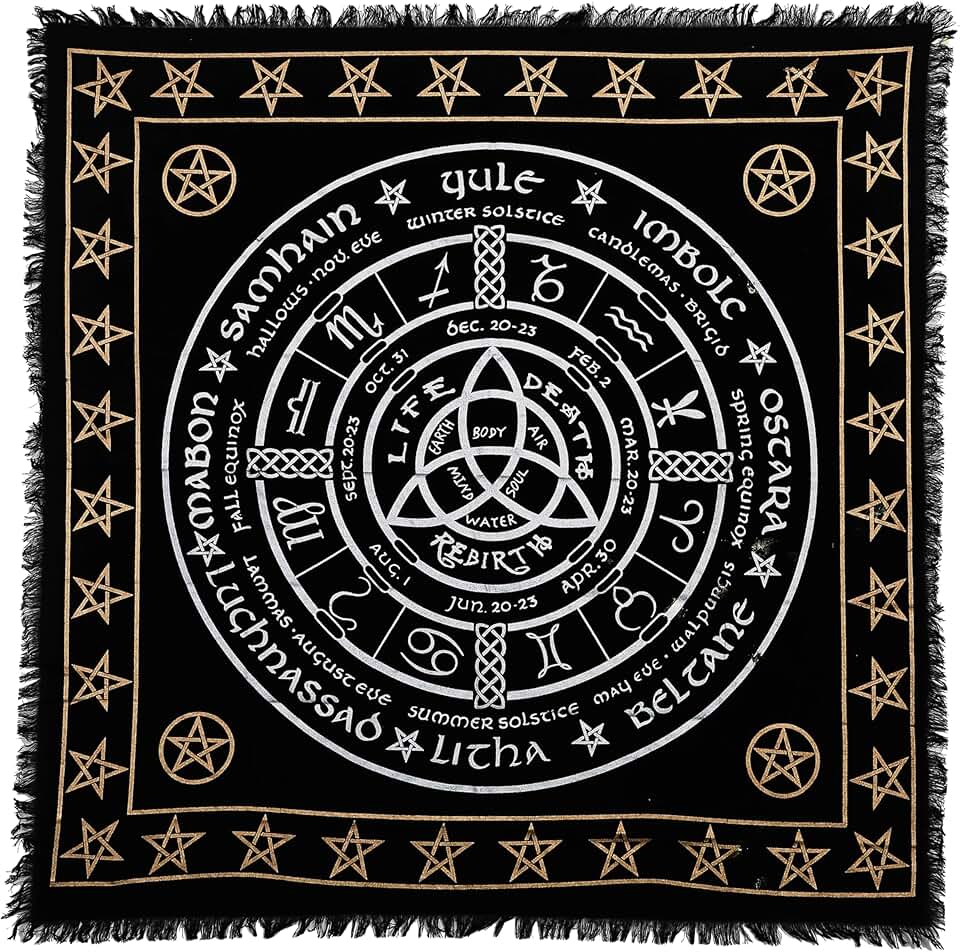
Indian Consigners Altar Cloth Pagan Wheel Witchcraft Alter Tarot Spread Top Cloth Wiccan Square Spiritual 36 by 36 Sacred Pagan Wheel
View Product →Understanding pagan altar bell meanings begins with recognizing that different bells serve distinct spiritual purposes on your sacred space. Each bell type carries unique energetic signatures based on its tone, material, design, and cultural origin. The key to choosing the right bell lies in matching its specific properties to your ritual intentions and spiritual practice.
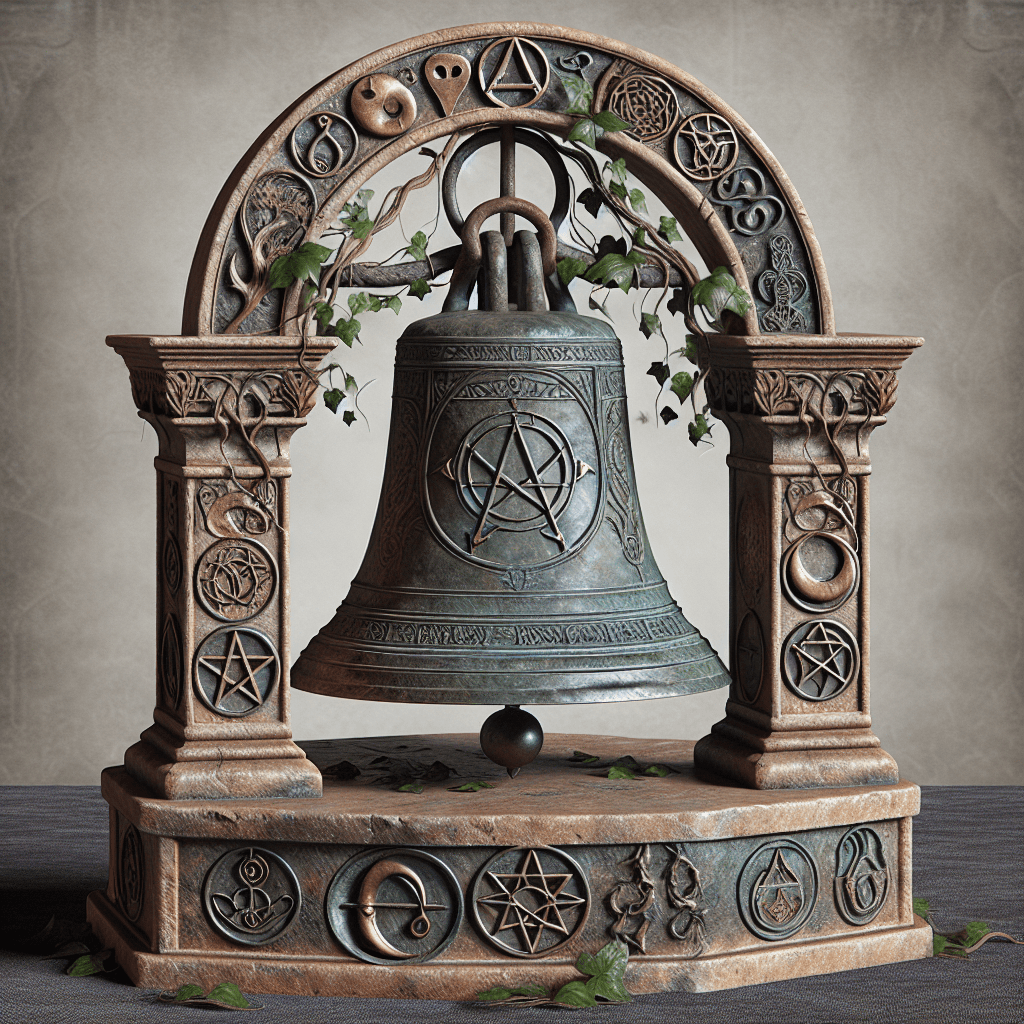
Pentacle-etched brass bells offer elemental balance and protection, making them ideal for general ritual work and deity invocation. Tingsha chimes and singing bowls provide clear, sparkling tones perfect for meditation and space clearing. Low-toned bells create mellow, grounding energy shifts that work well for post-ritual calming and banishing negative influences. Tinkling bells connect to the Air element, supporting communication with spirit guides and sealing spells with their lively vibrations. Triple moon and pentagram-etched bells specifically serve Wiccan practices, offering lunar cycle connection and doorway protection.
Your selection process should focus on testing the sound quality in person whenever possible. Listen to how each bell resonates and visualize the energy dispersing as you ring it. High-pitched bells work best for invocation and connecting with Air elemental energy, while deeper, resonant tones excel at cleansing and grounding work. Consider your primary magical path when selecting materials and designs. Buddhist-influenced bells suit meditation-focused practices, while traditional brass bells serve broader Wiccan and eclectic pagan work. Handcrafted pieces often carry more authentic energy than mass-produced alternatives, and small imperfections add character to your sacred tools.
Ancient Symbolism Behind Bell Sounds
Bell sounds carry profound symbolic meaning rooted in humanity’s earliest spiritual traditions. The resonance represents universal change, liminality, and transition between physical and energetic realms. Ancient cultures recognized bells as markers of significant shifts, whether signaling birth, death, or entrance into magical states of consciousness.
The historical symbolism behind bells draws from sacred fertility imagery. The bell body represents the vulva or womb, while the clapper symbolizes the penis or emerging child. This sacred sexual symbolism embodies fertility, creation, and protection against destructive forces. Ancient practitioners understood that bells channel creative life force energy into their rituals and sacred spaces.
Egyptian culture connected bells to powerful goddesses Isis and Hathor through the use of sistra, rattling instruments that produced bell-like sounds. These tools represented eroticism and new life, linking sexual energy to spiritual transformation. Roman practitioners hung tintinnabula on home altars to honor Jupiter and ward off evil influences. These protective bells served as early forms of spiritual house blessing and energetic cleansing.
Medieval traditions developed elaborate folklore around bell magic. Church records describe bells that could break lightning, tame winds, and drive away demons through their resonant battle cry against malevolent spirits. Folk traditions connected bells to archetypal figures like the Fool, court jesters, and Morris dancers, highlighting their role in revealing truth and marking boundaries between ordinary and otherworldly states of being.
The vibrational quality of bell sounds creates measurable effects on human consciousness and environmental energy. Sound waves physically disperse stagnant energy patterns and create openings for fresh spiritual influences to enter your ritual space. This scientific understanding supports ancient beliefs about bells’ protective and transformative powers.
Modern pagan practitioners tap into these ancient associations when they incorporate bells into their spiritual work. The sound connects your personal practice to thousands of years of human spiritual tradition, creating powerful resonance between past wisdom and contemporary magical work. Your bell becomes a bridge between ancient knowledge and modern application, carrying forward time-tested spiritual technologies into your personal practice.
Understanding these deep historical roots helps you work more effectively with bell energy in your own rituals. The symbolism enriches your practice by connecting you to the profound spiritual traditions that recognized sound as a primary force for magical transformation and protection.
Altar Bell Rituals Across Different Spiritual Traditions
Pagan and Wiccan practices integrate bells into virtually every aspect of ritual work. Practitioners ring bells to cast protective circles, establishing sacred space boundaries that separate ritual work from ordinary consciousness. The bell traditionally sits on the altar’s left side, representing Goddess energy and feminine divine principles.

Element invocation represents another primary use for bells in pagan practice. Air element associations make bells natural tools for calling upon mental clarity, communication powers, and intellectual inspiration. Some traditions also connect bells to Water element energy, particularly when using flowing, melodic tones that mimic water sounds. The ringing marks distinct ritual phases, creating auditory cues that help practitioners transition between different magical activities.
Spell sealing and energy transmutation rely heavily on bell work in modern paganism. After completing magical work, practitioners ring bells to lock in their intentions and disperse any lingering negative energy. The sound literally breaks apart stagnant energy patterns and announces the presence of divine forces to both seen and unseen audiences.
Christian bell traditions focus primarily on protection, summoning, and time marking functions. Consecrated bells serve exorcism-like protective purposes, with church authorities blessing bells specifically for driving away evil influences. The practice of marking canonical hours with bell sounds originated the modern concept of clock time. Funeral bells, Sabbath bells, and ceremonial bells all serve to summon the faithful and repel negative spiritual influences through sound vibrations.
Buddhist traditions employ bells, gongs, singing bowls, tingsha chimes, and dorje bells to open and close meditation sessions. These tools foster mental focus and create clear transitions between ordinary consciousness and meditative states. The Buddhist approach emphasizes the bell’s ability to cut through mental chatter and establish present-moment awareness. Many modern pagans adopt Buddhist-style bells for their exceptionally pure, resonant tones that support deep spiritual work.
Historical Roman practices used tintinnabula bells to ward off the evil eye on household altars. These decorative bells combined protective magic with aesthetic beauty, creating both functional and artistic sacred objects. Satanic and Luciferian ritual traditions incorporate bells to signal ritual beginnings and endings, following similar principles to other magical traditions despite different theological orientations.
The common thread across all traditions involves sound vibrations that purify space, protect practitioners, and facilitate transitions between different states of consciousness. Your bell work connects to this universal human recognition that sound carries spiritual power and can influence both physical and metaphysical reality.
Cross-cultural bell use demonstrates the universal human understanding that sound vibrations affect consciousness and environmental energy. This knowledge transcends specific religious boundaries and speaks to fundamental truths about how sound influences spiritual states and magical effectiveness.
Choosing Your Sacred Bell
Selecting the right bell for your altar requires careful consideration of multiple factors that influence its spiritual effectiveness. Your primary magical intentions should guide your choice more than aesthetic preferences or cost considerations. Different bell types serve different purposes, and matching the tool to your specific needs creates more powerful ritual outcomes.
Tone quality represents the most critical factor in bell selection. Test each bell’s sound by ringing it multiple times and paying attention to how the vibrations affect your energy field. Resonant, deep tones work best for grounding, banishing, and post-ritual calming work. These lower frequencies help settle scattered energy and create stability in your sacred space. High-pitched, clear tones excel at invocation work, deity communication, and Air element magic. The bright sounds cut through mental fog and establish clear spiritual connections.
Material considerations extend beyond mere durability to include energetic properties and symbolic associations. Brass bells offer excellent longevity and carry traditional magical symbolism spanning thousands of years of use. Bronze bells provide warm, rich tones with historical connections to ancient temple practices. Silver-toned metals connect to lunar energy and Goddess worship, while copper associations include healing and Venus energy. Crystal bells create pure, ethereal tones perfect for high-vibration spiritual work, though they require more careful handling.
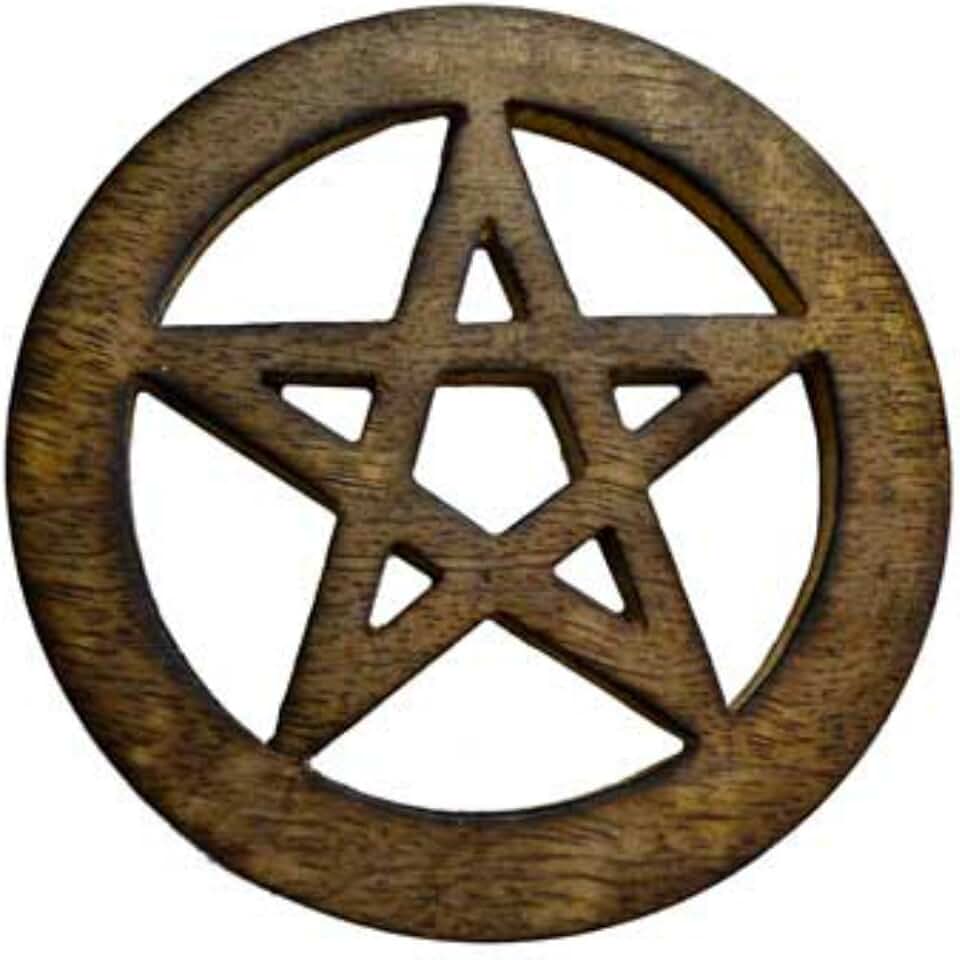
Design elements add specific magical properties to your bell’s basic function. Pentagram etchings invoke elemental balance and protection, making these bells excellent for general ritual work and circle casting. Triple moon symbols connect your bell to lunar cycles and feminine divine energy, supporting Goddess-focused spiritual practices. Celtic knotwork designs link to earth-based traditions and ancestral connections. Buddhist-inspired bells often feature mantras or spiritual symbols that enhance meditation and mindfulness practices.
Size affects both sound quality and practical considerations for your altar setup. Larger bells typically produce deeper, more resonant tones with longer-lasting vibrations. Smaller bells offer portability and discrete use in shared living situations. Consider your ritual space size when selecting bell dimensions. Small spaces work well with delicate, tinkling bells, while larger ritual areas benefit from bells with stronger sound projection.
Handcrafted bells often carry more authentic spiritual energy than mass-produced alternatives. Artisan-made bells receive individual attention during creation, and slight imperfections add character and uniqueness to your sacred tool. The human energy invested in handcrafting creates subtle energetic differences that many practitioners notice during ritual use.
Testing procedures help ensure your chosen bell resonates with your personal energy. Hold the bell while visualizing your typical ritual activities. Ring it several times and notice how the sound affects your mental state and emotional response. Trust your intuitive reactions over purely logical considerations. Your personal response to the bell’s energy matters more than external recommendations or traditional associations.
Storage and care considerations affect your bell’s longevity and energetic clarity. Plan for proper storage that protects the bell from damage while keeping it easily accessible for ritual use. Regular energetic cleansing maintains the bell’s spiritual effectiveness and prevents accumulation of stagnant energy from repeated use.
Pagan altar bell meanings encompass protection, invocation, elemental connection, and energetic transformation across countless spiritual traditions. Your bell becomes a powerful tool for marking sacred time, cleansing space, and connecting with divine forces when chosen and used with proper understanding of its deep spiritual significance. What specific intention will guide your search for the perfect bell to enhance your own spiritual practice?
Related Items:

Lilly Dupres
Owner & AuthorLilly Dupres, a lifelong practitioner of paganism, established Define Pagan to offer a clear definition of paganism and challenge misconceptions surrounding modern pagan lifestyles.


