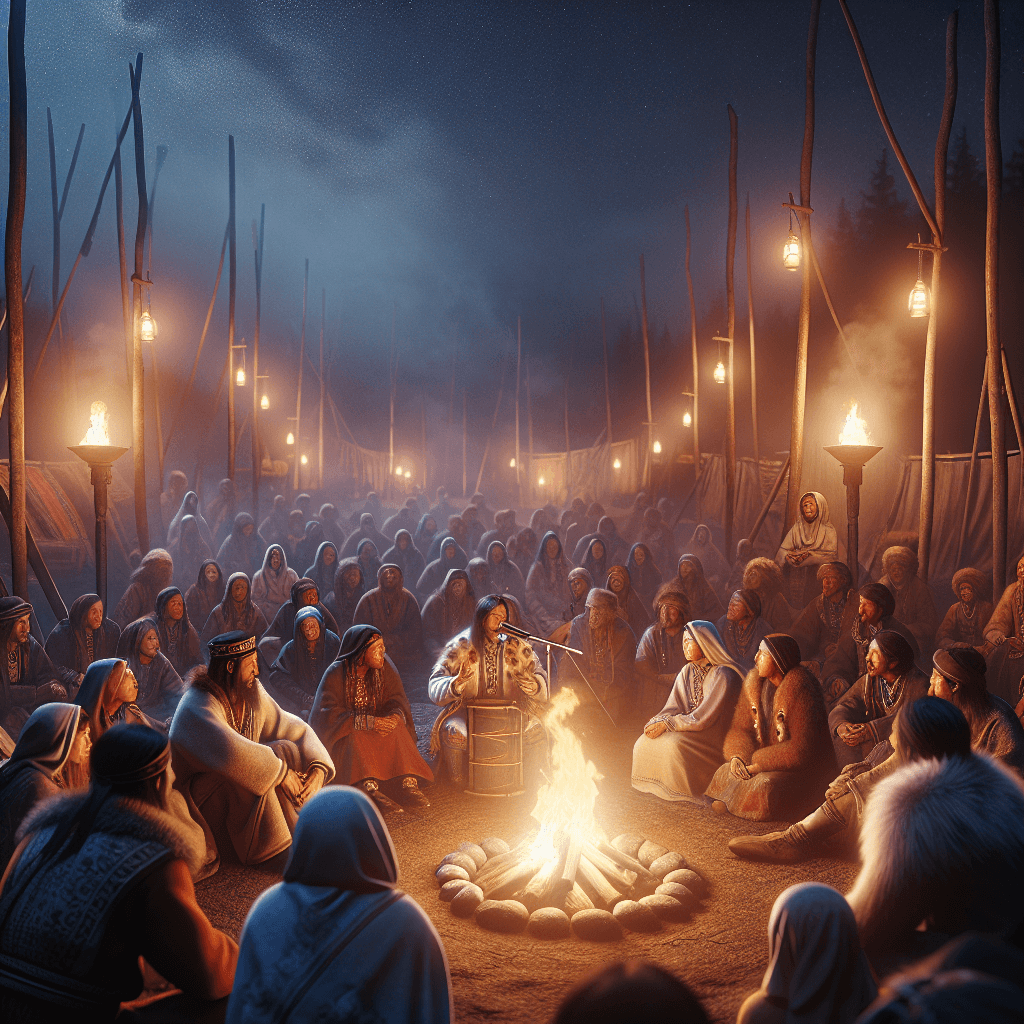
How do sacred oral tradition methods preserve ancient wisdom across generations?

THE PAGAN BIBLE: A Modern Guide to Paganism, Wicca, Witchcraft, Gods and Goddesses, Ancient Traditions, and Sacred Rituals
View ProductThese time-tested techniques use mnemonic devices like rhythmic recitation, repetition, and spatial visualization to ensure verbatim accuracy without writing. Vedic paths and Indigenous songlines cross-check content through multiple recitation forms and landscape-linked stories, creating fail-safe systems for knowledge transmission.
Sacred oral tradition methods form the backbone of pagan wisdom preservation. Before written texts became widespread, our ancestors developed sophisticated memory systems that surpassed modern educational methods in accuracy and retention. These techniques continue to serve contemporary practitioners seeking authentic connection to ancient traditions.
Ancient Memory Palace Techniques
The memory palace technique stands as one of the most powerful sacred oral tradition methods for preserving complex spiritual knowledge. Greek orators like Simonides developed this approach around 400 BCE, though Indigenous peoples used similar spatial memory systems long before recorded history. The method works by associating specific pieces of information with visualized locations in real or imagined structures such as temples, sacred groves, or ceremonial sites.
Practitioners create detailed mental maps of these spaces, placing vivid images representing different aspects of wisdom at specific locations. You might visualize entering a temple through ornate doors, walking past pillars carved with protective symbols, and approaching an altar where key ritual knowledge resides. Each location holds different information: herbalism knowledge near the garden entrance, divination techniques by the scrying pool, seasonal celebrations in the great hall.
Modern neuroscience validates these ancient methods, showing memory retention doubles after training in spatial visualization techniques. The brain naturally connects spatial awareness with information storage, making location-based memory systems incredibly effective. Aboriginal songlines demonstrate this principle perfectly, mapping creation stories and practical knowledge onto actual landscapes. These songlines serve as both navigation tools and libraries, preserving tens of thousands of years of accumulated wisdom.
Buddhist temple meditations follow similar patterns, breaking complex philosophical concepts into spatial journeys through monastery grounds. Pythagorean schools used memory palaces filled with mathematical and mystical symbols, while Kabbalistic traditions created elaborate mental structures housing divine names and esoteric correspondences. Contemporary pagans adapt these methods by creating memory palaces based on their pantheon’s mythology, placing deity attributes, ritual procedures, and seasonal celebrations within imagined sacred spaces that reflect their particular tradition’s cosmology.
Apprenticeship and Initiation: How Pagan Priests Transmitted Esoteric Knowledge
Apprenticeship and initiation systems represent the most personal form of sacred oral tradition methods. These relationships create unbroken chains of transmission spanning millennia. Vedic Gurukuls exemplified this approach, with students spending years memorizing texts through precise teacher-student recitation patterns that preserved tonal accuracy alongside meaning. Norse skalds maintained similar traditions, passing mythological knowledge through poetic forms that predated written Eddas.
The apprentice-mentor relationship provides multiple advantages over written transmission. Living teachers adapt instruction to individual learning styles, provide immediate correction of errors, and share contextual knowledge that texts cannot convey. They demonstrate proper pronunciation, explain subtle meanings, and reveal connections between different aspects of practice. Indigenous societies worldwide developed sophisticated storyteller-to-bard chains that embedded origin stories, prophecies, and ritual procedures within dynamic narratives.
Shamanic traditions particularly emphasize direct mentorship for transmitting healing practices and spiritual techniques. Apprentices learn through observation, participation, and guided practice rather than abstract study. This experiential approach creates deeper understanding and stronger retention than passive learning methods. Modern research confirms that active participation and emotional engagement significantly improve memory formation and recall.

Planets for Pagans: Sacred Sites, Ancient Lore, and Magical Stargazing
View ProductContemporary pagan communities revive these traditional apprenticeship models despite living in literate societies. Covens, groves, and kindreds establish formal training programs where experienced practitioners guide newcomers through progressive stages of learning. These modern adaptations often combine traditional oral methods with written supplements, creating hybrid systems that preserve the personal connection and contextual depth of apprenticeship while accommodating contemporary learning preferences.
The initiation component adds spiritual transformation to knowledge transmission. Traditional societies marked learning stages with ceremonies that validated competency and granted access to deeper mysteries. These rites created psychological anchors that enhanced memory retention while building community bonds. Modern pagan groups maintain similar practices, recognizing that ceremonial validation strengthens commitment to preserving transmitted knowledge.
Rhythmic Chanting for Knowledge
Rhythmic chanting transforms sacred oral tradition methods into musical experiences that engage multiple memory systems simultaneously. The Rigveda demonstrates this principle perfectly, preserving over 10,000 verses through melodic recitation patterns that have maintained accuracy for thousands of years. Norse Eddas use similar poetic structures, combining rhythm, alliteration, and repetition to create memorable verses praising gods and preserving mythological narratives.
The human brain responds strongly to rhythmic patterns, activating neural networks associated with movement, emotion, and memory formation. Chanted information becomes embodied knowledge that feels different from facts learned through reading or casual conversation. Ancient practitioners understood this instinctively, developing elaborate systems of rhythmic speech that turned learning into physical practice.
Vedic traditions created multiple recitation paths called pathas that serve as cross-checking mechanisms. Students learn the same material using forward recitation, backward recitation, and complex weaving patterns that interlock verses in different sequences. This redundancy catches transmission errors while reinforcing memory through varied repetition. Aboriginal songlines employ similar techniques, combining rhythmic chanting with walking patterns that physically engage the body in knowledge preservation.
Alliteration, assonance, and metrical syllable patterns create additional memory anchors within chanted materials. These poetic devices make information more memorable by creating expectations that guide recall. When you forget specific words, the rhythm and sound patterns provide clues that help reconstruct missing elements. This self-correcting aspect makes rhythmic chanting superior to prose for accurate transmission across generations.
Modern practitioners adapt these techniques by setting prayers, invocations, and ritual procedures to simple melodies or rhythmic patterns. Group chanting creates shared experiences that strengthen community bonds while improving individual retention. The emotional resonance of group singing adds another memory layer that purely intellectual study lacks. Contemporary research confirms that musical learning activates more brain regions than spoken instruction, creating stronger and more durable memories.
Storytelling
Storytelling represents the most accessible of all sacred oral tradition methods, transforming abstract concepts into memorable narratives that engage imagination and emotion. Skalds, bards, and Indigenous narrators developed sophisticated techniques for embedding practical knowledge within entertaining stories that audiences eagerly anticipated and readily remembered. These master storytellers preserved creation myths, heroic sagas, moral teachings, and practical wisdom through carefully crafted tales that served multiple purposes simultaneously.

Traditional stories operate on multiple levels, offering surface entertainment while concealing deeper mysteries for initiated listeners. A simple tale about a hero’s journey might contain astronomical observations, seasonal timing for agricultural work, medicinal plant knowledge, and spiritual teachings about personal transformation. This layered approach allows the same story to serve different audiences while preserving complex information systems within seemingly simple narratives.
Indigenous cultures worldwide demonstrate the power of landscape-linked storytelling. Creation narratives describe how ancestors shaped specific geographical features while teaching proper relationships with local ecosystems. These stories function as both entertainment and practical education, passing survival knowledge alongside spiritual beliefs. The geographical anchoring creates additional memory reinforcement by connecting abstract concepts to concrete locations that listeners encounter regularly.
Modern pagan communities revive storytelling traditions through festivals, gatherings, and online sharing platforms. Celtic Reconstructionists draw from preserved Irish and Welsh literature while acknowledging gaps that contemporary storytellers fill through inspired creativity. Heathen communities explore Norse sagas and Eddic poems while developing new tales that address modern concerns within traditional frameworks. These contemporary adaptations maintain the essential function of storytelling as a vehicle for wisdom transmission.
The interactive nature of oral storytelling creates dynamic traditions that evolve while preserving core elements. Master storytellers adapt their presentations to specific audiences, emphasizing different aspects of familiar tales or adjusting details to address current concerns. This flexibility allows traditional stories to remain relevant across changing circumstances while maintaining their essential wisdom content. Sacred oral tradition methods continue serving contemporary practitioners who seek authentic connections to ancestral knowledge systems.
What aspects of these ancient memory techniques will you explore in your own spiritual practice?
Related Items:

Lilly Dupres
Owner & AuthorLilly Dupres, a lifelong practitioner of paganism, established Define Pagan to offer a clear definition of paganism and challenge misconceptions surrounding modern pagan lifestyles.