

Ancient Pagan Worship Reveals How Polytheistic Practices Shape Modern Paganism
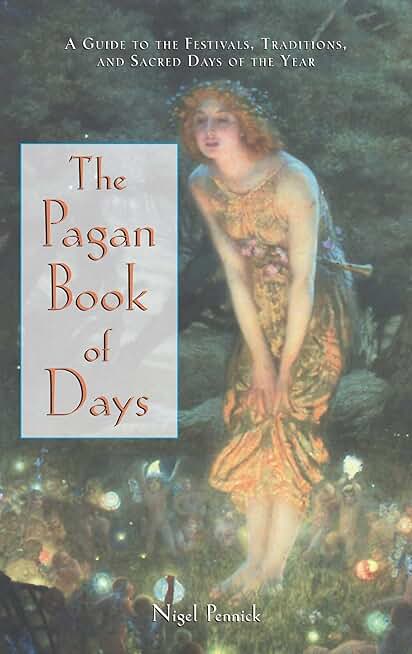
The Pagan Book of Days: A Guide to the Festivals, Traditions, and Sacred Days of the Year
View Product →What religious ceremonies did ancient pagans perform during seasonal festivals? The answer reveals a rich tapestry of spiritual practices that connected our ancestors to both the natural world and their deities. Ancient pagans conducted elaborate ceremonies that marked the turning of the seasons, with each festival carrying profound significance for their communities. From the joyous celebrations of Beltane in spring to the solemn observances of Samhain in autumn, these ceremonies wove together elements of dance, feasting, ritual offerings, and communal worship that sustained their spiritual traditions throughout the year.
Pagan Ritual Tools Uses
The tools of ancient pagan worship were far more than mere ceremonial objects – they were extensions of spiritual power and intent. Ritual practitioners wielded besoms crafted from sacred woods to sweep away negative energies and create protected spaces for worship. The athame, a ceremonial blade, served to direct energy and inscribe magical circles. Cauldrons held sacred fires and brewing potions, while wands channeled specific energies for spellwork and blessing. Each tool was carefully selected, consecrated, and maintained according to strict traditional guidelines. The ancient pagans understood that these implements served as bridges between the physical and spiritual realms, allowing practitioners to manifest their intentions and commune with their deities more effectively.
Common Historical Worship Sites
Ancient pagans chose their worship locations with deep reverence for the natural and cosmic forces they sought to honor. Stone circles, hilltops, sacred groves, and natural springs served as spiritual nexus points where the veil between worlds grew thin. These sites were often aligned with celestial events and geographical features that held special significance. The ancient practitioners would gather at these locations during important astronomical alignments, believing these moments enhanced their connection to the divine. Many of these sacred sites still stand today, their enduring presence a testament to the sophisticated understanding our ancestors had of sacred geometry and natural energy patterns.
Are Pagans Polytheistic Beliefs
The polytheistic nature of ancient pagan worship reflected a worldview that recognized divinity in its many forms. Rather than limiting themselves to a single deity, ancient pagans understood that different aspects of life and nature required different divine energies. They developed complex pantheons where gods and goddesses represented various natural forces, human experiences, and cosmic principles. This multiplicity of divine beings created a rich spiritual ecosystem where practitioners could seek guidance and support from the most appropriate deity for their specific needs. The ancient understanding that divinity manifests in many forms continues to influence modern pagan practices, though interpretations have evolved to meet contemporary spiritual needs.
Ancient Offering Ceremonies Explained
The practice of making offerings formed the cornerstone of ancient pagan worship, creating a sacred exchange between humans and their deities. These ceremonies followed precise protocols that varied by season, deity, and intended outcome. Practitioners would present carefully selected gifts – from harvested grain to crafted items, from libations of mead to specially prepared foods. Each offering carried symbolic significance and was presented with specific prayers, songs, or movements. These ceremonies weren’t just about giving gifts to the gods; they represented a deep understanding of reciprocity and relationship between the human and divine realms.
Ancient pagan worship practices continue to inspire and inform modern spiritual paths, reminding us that our connection to the divine can take many forms. Want to dive deeper into the fascinating world of ancient pagan traditions? Explore our comprehensive guides on historical worship practices and discover how these time-honored traditions can enrich your own spiritual journey.


