

How do you set up a traditional Roman altar for home worship and daily rituals?
A traditional Roman altar setup begins with creating a dedicated sacred space called a Lararium, which serves as the spiritual centerpiece of your household. This intimate sanctuary connects you directly to the ancient Roman practice of honoring household gods and establishing divine protection within your living space. The Lararium functions as both a physical altar and a symbolic gateway between the mortal and divine realms, making it essential for anyone seeking to incorporate authentic Roman spiritual practices into their modern life.
Choosing the Sacred Location
The foundation of any traditional Roman altar setup starts with selecting the appropriate location within your home. In ancient Rome, wealthy families positioned their Lararium in the atrium near the front entrance, symbolically welcoming divine protection as family members and guests entered the household. However, smaller homes and apartments typically placed these sacred spaces near the hearth or kitchen, recognizing these areas as the heart of domestic life where daily sustenance and warmth originated. Modern practitioners can adapt this principle by choosing a location that feels central to their household’s energy flow, whether that’s a living room shelf, a dedicated corner in the kitchen, or even a small table in the hallway. The key is consistency and accessibility, ensuring you can maintain daily interactions with your altar without disruption.
Multiple smaller Lararia were common throughout Roman households, appearing in bedrooms for personal protection during sleep and in outdoor spaces like gardens or courtyards. This practice demonstrates the flexibility inherent in traditional Roman altar setup, allowing practitioners to create a network of sacred spaces that extend divine presence throughout their entire living environment. Consider establishing secondary altar spaces in areas where you spend significant time, such as your bedroom or home office, creating a comprehensive spiritual infrastructure that supports your daily activities. The placement should feel natural and integrated into your living space rather than forced or conspicuous, reflecting the Roman understanding that divine presence should seamlessly blend with ordinary domestic life.
Ancient Roman Altar Construction
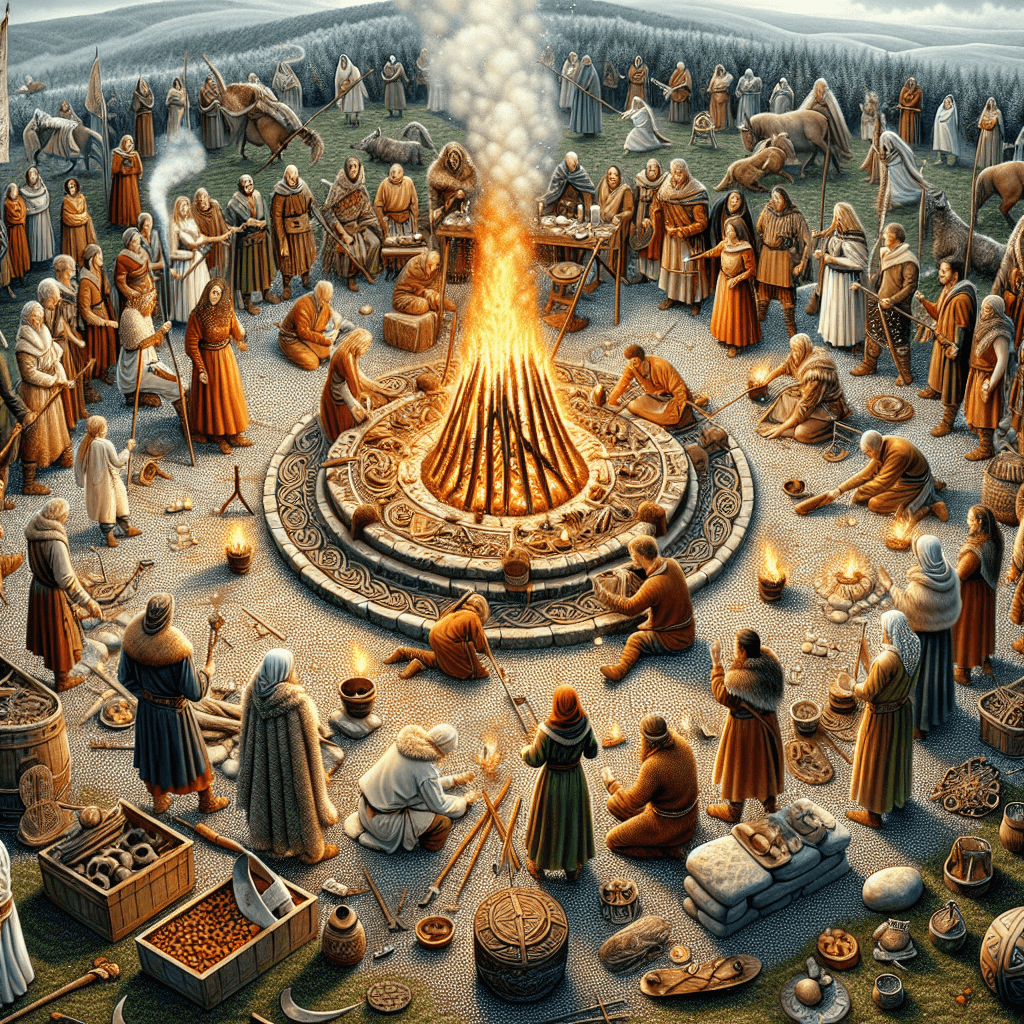
Traditional Roman altar setup requires understanding the authentic construction methods and materials that defined these sacred spaces throughout the empire. Ancient Roman altars were predominantly crafted from stone or marble, representing permanence and divine stability within the household structure. These altars featured two distinct architectural profiles derived from Etruscan and Eastern Mediterranean influences: curving designs that emphasized fluid, organic connections to natural forces, and straight-edged constructions that projected strength and geometric precision. The rectangular format dominated household Lararia, typically standing on a substantial base with a completely flat top surface specifically designed for holding offerings and ritual implements.
The construction techniques varied significantly based on social status and available resources, but even modest household altars maintained certain essential characteristics. Simple shelf arrangements or stone plinths served practical functions in smaller domestic settings, proving that elaborate construction wasn’t necessary for effective spiritual practice. These humble altars often incorporated small shrines or carved niches that housed statues, painted images, or symbolic representations of chosen deities. The focus remained on creating a defined sacred space rather than demonstrating wealth or artistic sophistication, making traditional Roman altar setup accessible to families across all economic levels.
Monumental public altars employed advanced Roman engineering techniques including opus quadratum, opus reticulatum, and opus mixtum, showcasing the empire’s mastery of stone masonry and concrete construction. While household Lararia didn’t require such complex construction, they often incorporated simplified versions of these design elements. Modern practitioners can honor this tradition by selecting altar surfaces made from natural stone, wood, or other durable materials that convey permanence and respect for the ancient craft traditions. The construction should prioritize functionality over ornamentation, ensuring adequate space for offerings while maintaining the clean, uncluttered aesthetic that characterized authentic Roman sacred spaces.
Understanding these construction principles helps modern practitioners make informed decisions about their altar setup without feeling pressured to exactly replicate ancient methods. The essential elements include a stable, flat surface positioned at an appropriate height for comfortable ritual work, adequate space for multiple offerings and ritual implements, and materials that convey respect for the sacred nature of the space. Whether you choose a simple wooden shelf or invest in a stone altar piece, the construction should reflect your commitment to maintaining this ancient spiritual practice while accommodating contemporary living situations.
Roman Deity Offerings Ritual Etiquette
Traditional Roman altar setup extends far beyond physical construction to encompass the sophisticated ritual etiquette that governed daily interactions with household deities. Roman religious practice emphasized precise timing, respectful behavior, and appropriate offerings that demonstrated genuine reverence for divine powers. Daily offerings typically included fresh bread, seasonal fruits, specially prepared cakes, quality wine, aromatic incense, and decorative garlands that honored both the aesthetic and spiritual aspects of divine worship. These offerings weren’t merely symbolic gestures but represented genuine communication with the Lares, Penates, and other household protectors who safeguarded family welfare.
Ritual procedures began each morning and evening with formal salutations addressed directly to the household gods, acknowledging their presence and requesting their continued protection. The practitioner would approach the Lararium with clean hands and appropriate clothing, demonstrating respect through personal presentation as well as ritual preparation. Prayers followed established formulas while allowing for personal variations that reflected individual family needs and circumstances. The presentation of offerings required careful attention to placement, with items arranged thoughtfully across the altar surface before being ceremonially burned or sprinkled as dictated by tradition and the specific requirements of the deities being honored.
Timing played a crucial role in traditional Roman altar setup and daily practice, with morning rituals typically occurring at dawn to request divine guidance for the day ahead, and evening ceremonies serving to offer gratitude for protection received and blessings experienced. This consistent schedule created a rhythm of spiritual practice that integrated seamlessly with household routines, reinforcing the Roman understanding that religious observance should enhance rather than disrupt daily life. Modern practitioners can adapt these timing principles to accommodate contemporary schedules while maintaining the essential structure of regular, respectful communication with their chosen deities.
The altar regularly featured small figurines or artistic representations of domestic deities including the Lares, who protected the household and family lineage, and the Penates, who safeguarded the pantry and ensured adequate provisions. Major Roman deities were also invoked according to specific household needs, seasonal celebrations, or personal devotional preferences. A perpetual flame, whether maintained through candles or oil lamps, symbolized the sacred fire of Vesta and provided continuous divine presence within the home. This flame connected the household Lararium to the greater spiritual infrastructure of Roman religious practice, creating a network of sacred fires that extended from individual homes to the most important state temples.
Household Lararium Sacred Space
The household Lararium transcended its function as a simple altar to become the spiritual heart of the Roman home, embodying the family’s relationship with divine protection and ancestral wisdom. Traditional Roman altar setup recognized that sacred space creation involved more than arranging physical objects; it required establishing an atmosphere that encouraged continuous spiritual connection and fostered deep respect for the divine forces that governed family welfare. The Lararium served as a focal point for family identity, connecting current household members with their ancestors and establishing their place within the broader community of Roman spiritual practice.
This sacred space functioned as a communication hub between the mortal and divine realms, where family members could seek guidance, offer gratitude, express concerns, and request specific interventions in their daily affairs. The physical boundaries of the Lararium created a distinct zone where ordinary household activities paused to acknowledge higher spiritual realities. Family members learned to approach this space with appropriate reverence, understanding that their behavior in proximity to the altar reflected their respect for divine presence and their commitment to maintaining harmonious relationships with household protectors.
The spiritual atmosphere generated by a properly maintained Lararium influenced the entire household environment, creating an undercurrent of divine awareness that enhanced family relationships and protected against negative influences. Children grew up understanding the importance of daily spiritual practice through observing their parents’ consistent attention to the altar, learning ritual procedures and developing personal relationships with household deities. This generational transmission of spiritual knowledge ensured continuity of family religious traditions while allowing for individual adaptations that reflected changing circumstances and personal spiritual development.
Traditional Roman altar setup emphasized the integration of sacred and secular activities, rejecting the modern tendency to compartmentalize spiritual practice into separate, isolated segments of life. The Lararium’s position within the main living areas of the home reinforced the understanding that divine presence should permeate all aspects of daily existence, from meal preparation and family conversations to business planning and social interactions. Modern practitioners can recreate this holistic approach by positioning their altar where it naturally becomes part of their daily routine, allowing consistent interaction with their chosen deities while maintaining the boundary between sacred and ordinary activities that gives spiritual practice its transformative power.

Modern Roman Altar Practices
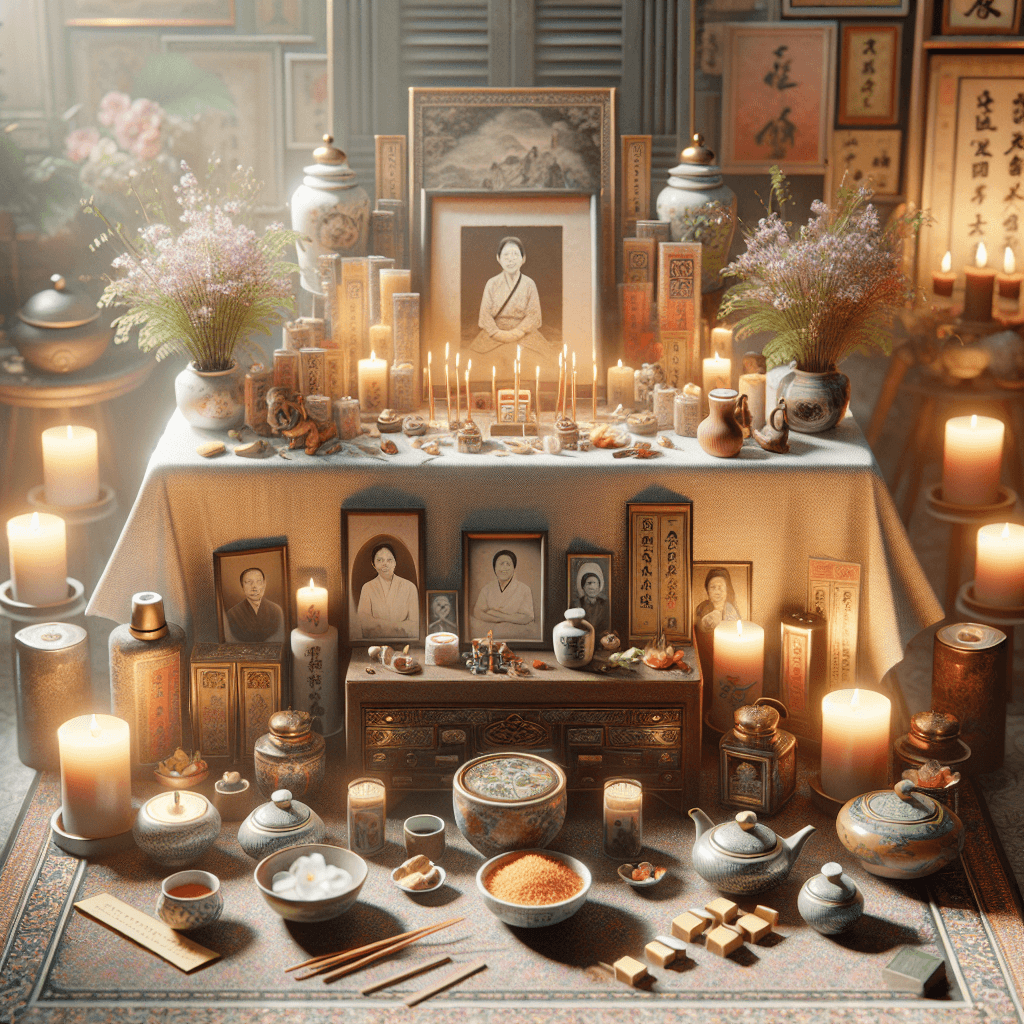
Contemporary practitioners and Roman reconstructionists have successfully adapted traditional Roman altar setup principles to accommodate modern living situations while preserving the essential spiritual core of ancient practice. Modern Lararia maintain their function as private ritual spaces dedicated to honoring household deities and establishing divine protection within contemporary homes. Practitioners typically begin with a dedicated shelf or small table, creating a defined sacred area that serves the same spiritual function as ancient stone altars while adapting to apartment living, rental situations, and modern aesthetic preferences.
The selection and arrangement of altar items reflects both historical accuracy and personal spiritual needs, featuring statues or artistic representations of chosen Roman deities alongside candles or oil lamps that maintain the traditional sacred flame. Nature-based offerings such as fresh herbs, seasonal flowers, quality wine, and homemade bread honor ancient customs while utilizing readily available contemporary materials. Many practitioners incorporate symbolic items specifically relevant to their patron deities, such as keys or gate motifs for Janus, owl figures for Minerva, or grape vines for Bacchus, creating personalized sacred spaces that reflect individual spiritual relationships while honoring traditional associations.
Flexibility remains a cornerstone of modern Roman altar practices, allowing practitioners to adapt their Lararium decorations and focus according to seasonal celebrations, personal circumstances, and evolving spiritual development. This adaptability honors the pragmatic spirit of ancient Roman religion, which prioritized effective spiritual practice over rigid adherence to unchanging forms. Modern practitioners might emphasize different deities during various life phases, adjust offering types based on seasonal availability, or modify ritual timing to accommodate work schedules and family responsibilities while maintaining the consistent daily practice that characterized traditional Roman spiritual life.
The integration of modern materials and ancient symbolism creates authentic sacred spaces that serve contemporary spiritual needs without compromising historical integrity. Electric candles can safely maintain perpetual flames in situations where open fire presents risks, while printed images of deities provide accessible alternatives to expensive statuary. Digital resources enable practitioners to access traditional prayers and ritual procedures, while online communities offer support and guidance for those establishing their first Lararium or refining their existing practice. This technological integration demonstrates how traditional Roman altar setup principles can evolve to meet contemporary needs while preserving the essential spiritual relationships that made these practices powerful and enduring throughout the ancient world.
Traditional Roman altar setup offers modern practitioners a direct connection to one of history’s most sophisticated spiritual traditions, providing structure and meaning for contemporary pagan practice. The Lararium’s emphasis on daily ritual, respectful offerings, and consistent divine communication creates a sustainable spiritual framework that enhances rather than complicates modern life. Whether you’re drawn to Roman reconstructionism or seeking to incorporate ancient wisdom into eclectic pagan practice, establishing a household Lararium opens doorways to divine protection and spiritual growth that have served families for over two millennia.
What specific Roman deities are calling to your household, and how will you begin creating sacred space for their presence in your daily life?
Related Items:

Lilly Dupres
Owner & AuthorLilly Dupres, a lifelong practitioner of paganism, established Define Pagan to offer a clear definition of paganism and challenge misconceptions surrounding modern pagan lifestyles.


