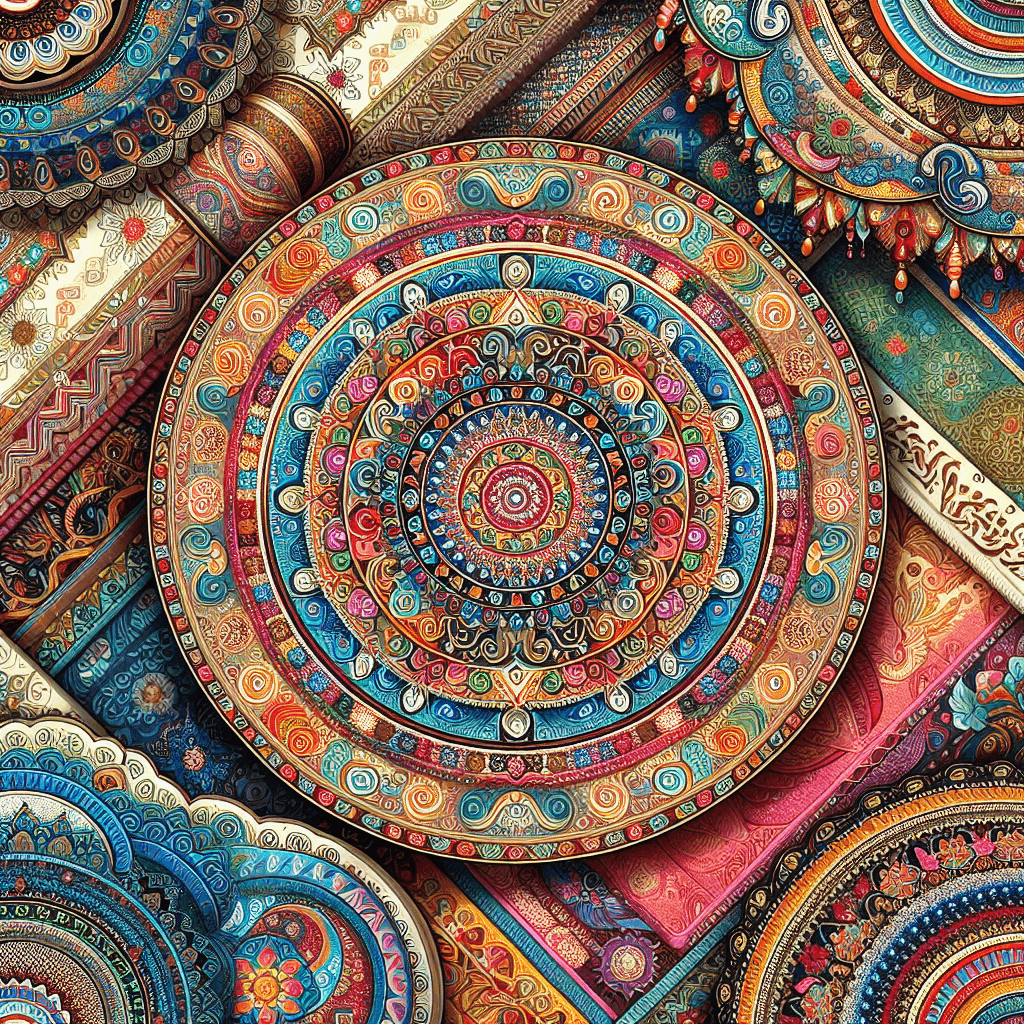
What do different colors symbolize in sacred textiles across world religions and spiritual traditions?
Sacred textile color meanings form the foundation of spiritual practice worldwide, with each hue carrying specific energetic and symbolic significance that transcends cultural boundaries. Red represents fire, blood, passion, vitality, courage, life force, God’s love, martyrdom, and the Holy Spirit across traditions including Christian Palm Sunday vestments, Hindu ritual cloths, Yoruba festivals, and Chinese bridal fabrics for fertility. White embodies purity, joy, light, glory, resurrection, earth energy from linen, cleansing, wisdom, and the blend of all colors, appearing in Christian Easter celebrations, Sikh wrappings, Yoruba ceremonies, Hindu monk robes, and Egyptian linen shrouds. Black signifies maturity, wisdom, life cycles, death, mourning, protection, banishing, grounding, and energy absorption in Ashanti funerals, Christian Lent alternatives, and Pagan ritual contexts. Purple denotes penance, sacrifice, preparation, royalty, water elements from sea mollusks, holiness, and spiritual depth, featured prominently in Jewish Tabernacle vestments, Christian Advent seasons, and ancient temple decorations. These sacred textile color meanings provide modern practitioners with a rich foundation for selecting appropriate fabrics and cloths for their spiritual work.
Red Sacred Cloth Symbolism
Red sacred cloth symbolism carries the most intense and transformative energy in modern pagan ritual practice, connecting practitioners to the primal forces of life, death, and rebirth. This color embodies the sacred fire that burns within every living being, representing the blood that flows through our veins and the passion that drives spiritual transformation. Christian traditions employ red vestments during Palm Sunday, Good Friday, and Pentecost to honor martyrdom and the Holy Spirit, while Hindu practitioners incorporate red fabrics in ceremonies celebrating life force and divine energy. Yoruba traditions recognize red as the color of vital essence and spiritual power, using it in festivals that honor ancestors and deities associated with war, love, and protection. Chinese cultures wrap brides and newborns in red cloth to ensure fertility, prosperity, and protection from negative influences.
Ancient temple curtains featured red dyes to represent the material realm and the bridge between physical and spiritual worlds. Modern pagan practitioners adopt these time-honored associations when selecting red altar cloths for rituals focused on courage, strength, sexuality, and passionate commitment. The color stimulates the root chakra and connects practitioners to earth-based energies while simultaneously invoking the transformative power of fire. Red sacred textiles work particularly well for spells involving protection, love magic, healing blood disorders, and rituals performed during the waxing moon when energy builds toward manifestation. When working with red cloth in sacred space, practitioners often experience heightened awareness, increased confidence, and stronger connection to their personal power and life purpose.
White Ceremonial Fabric Meanings
White ceremonial fabric meanings encompass the full spectrum of divine light and spiritual purity, making this color essential for modern pagan practitioners seeking to create sacred space and invoke higher consciousness. White represents the synthesis of all colors within the visible spectrum, symbolizing completeness, unity, and the divine source from which all creation emerges. Christian traditions utilize white fabrics during Easter and Christmas celebrations to represent resurrection, glory, and the triumph of light over darkness. Sikh communities wrap their sacred texts in white Rumala Sahib sheets to maintain ritual purity and honor the divine wisdom contained within. Yoruba ceremonies feature white clothing and altar cloths during rituals focused on spiritual transcendence, communication with ancestors, and purification of negative energies.
Hindu monks don white robes to signify their renunciation of worldly concerns and dedication to spiritual enlightenment. Ancient Egyptian burial practices included white linen shrouds to ensure safe passage to the afterlife and maintain the deceased’s spiritual purity. Modern pagan practitioners incorporate white altar cloths during full moon rituals, blessing ceremonies, healing work, and seasonal celebrations marking new beginnings. The color resonates with the crown chakra and facilitates connection to higher spiritual realms while providing protection and clarity during meditation and divination practices. White fabrics work exceptionally well for rituals involving purification, truth-seeking, spiritual guidance, and communication with divine beings or deceased loved ones. Practitioners often notice enhanced psychic abilities, clearer intuitive messages, and stronger connection to their highest spiritual self when working with white ceremonial textiles in sacred space.
Black Ritual Textile Significance
Black ritual textile significance extends far beyond associations with darkness or negativity, representing instead the profound wisdom that comes through life’s natural cycles and the protective power of the void from which all creation springs. This color embodies the fertile darkness of the womb, the rich soil that nourishes new growth, and the mysterious depths of the unconscious mind where transformation begins. Ashanti funeral traditions incorporate black textiles to honor the deceased and provide comfort for mourners navigating the transition between life and death. Some Christian communities use black vestments during Lent and Advent as alternatives to purple, representing the solemn preparation and introspection required for spiritual growth.

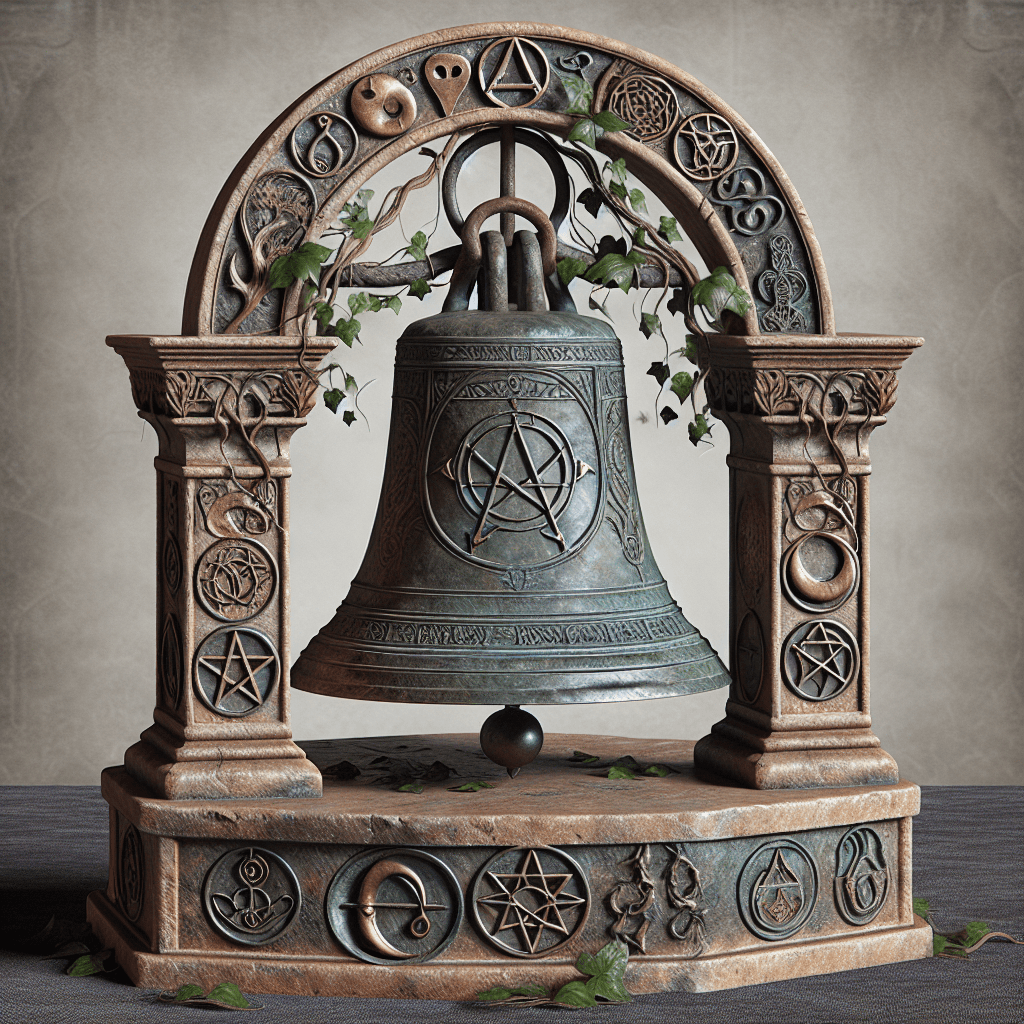

Pagan ritual contexts embrace black for its grounding properties and ability to absorb negative energies while providing practitioners with stability and protection during challenging magical work. The color resonates with the concept of the Dark Mother, the aspect of the divine feminine that governs endings, transformation, and the wisdom that comes through experience and survival. Modern practitioners find black altar cloths particularly effective for rituals involving banishment, protection, divination, shadow work, and communication with chthonic deities or underworld energies. Black textiles create a neutral backdrop that allows other ritual colors to stand out while providing energetic grounding for practitioners working with intense emotions or difficult life circumstances. The color supports meditation practices focused on inner wisdom, helps practitioners release attachments that no longer serve their highest good, and provides comfort during times of grief or major life transitions. Black sacred cloth also enhances dream work, past-life regression, and other practices that require accessing hidden or forgotten knowledge stored within the depths of consciousness.
Purple Spiritual Cloth Traditions
Purple spiritual cloth traditions represent the perfect marriage of earthly wisdom and divine inspiration, making this color invaluable for modern pagan practitioners seeking to deepen their spiritual practice and connect with sacred mysteries. This regal hue combines the passionate energy of red with the transcendent qualities of blue, creating a color that embodies both sacrifice and transformation. Jewish Tabernacle traditions featured purple dyes derived from sea mollusks in the vestments of high priests, symbolizing the connection between water elements and spiritual authority. Christian liturgical traditions employ purple during Advent and Lent to represent penance, preparation, and the spiritual discipline required for genuine transformation.
Ancient temple elements incorporated purple fabrics to denote holiness and create sacred space where human and divine energies could interact safely. The historical difficulty and expense of creating purple dyes made this color synonymous with royalty, spiritual nobility, and access to hidden wisdom reserved for initiates and advanced practitioners. Modern pagan traditions recognize purple as the color of the third eye chakra, enhancing psychic abilities, spiritual vision, and connection to otherworldly realms. Purple altar cloths work particularly well for rituals involving divination, meditation, spiritual healing, and ceremonies honoring crone goddesses or wise elder deities. The color supports practitioners in developing their intuitive gifts while maintaining the grounding necessary for effective magical work. Purple sacred textiles create an atmosphere conducive to deep spiritual study, ritual preparation, and the kind of focused intention required for successful manifestation. Practitioners often experience enhanced dream recall, stronger psychic impressions, and clearer communication with spirit guides when incorporating purple ceremonial fabrics into their sacred space and ritual practice.
The History of Altar Cloths in Pagan and Wiccan Practice
The history of altar cloths in Pagan and Wiccan practice draws from ancient traditions where sacred textiles served to separate mundane reality from sacred space, creating boundaries that enhanced spiritual focus and ritual effectiveness. While specific historical records of modern Pagan altar cloth use remain sparse due to the relatively recent revival of these traditions, contemporary practitioners have reconstructed meaningful practices based on pre-Christian symbolism and cross-cultural textile traditions. Ancient cultures understood that certain fabrics and colors possessed inherent magical properties, with ritual robes and altar coverings serving as tools for channeling specific energies and creating appropriate ritual atmosphere.
Modern Pagan and Wiccan practitioners customize their altar cloth selections based on seasonal celebrations, spell intentions, and personal spiritual connections rather than following fixed liturgical codes. Black altar cloths provide protection and grounding during challenging magical work, while white fabrics create space for purification and connection to divine energies. Red cloths invoke passion, courage, and life force energy, while purple textiles enhance psychic abilities and spiritual wisdom. Green altar cloths support earth-based magic and healing work, while blue fabrics facilitate communication and emotional healing. Gold and silver cloths represent solar and lunar energies respectively, supporting practitioners in balancing masculine and feminine aspects of their spiritual practice. Contemporary Pagan communities often create their own altar cloths through natural dyeing processes, hand-weaving, or ceremonial blessing of purchased fabrics to imbue them with personal power and intention. These sacred textile color meanings continue to evolve as modern practitioners experiment with different combinations and develop deeper understanding of how color vibration affects their spiritual work and ritual outcomes.
Understanding sacred textile color meanings transforms your ritual practice and deepens your connection to the divine energies present in every ceremony. Which colors feel most powerful to you right now, and how will you incorporate their sacred meanings into your next ritual working?
Related Items:

Lilly Dupres
Owner & AuthorLilly Dupres, a lifelong practitioner of paganism, established Define Pagan to offer a clear definition of paganism and challenge misconceptions surrounding modern pagan lifestyles.