
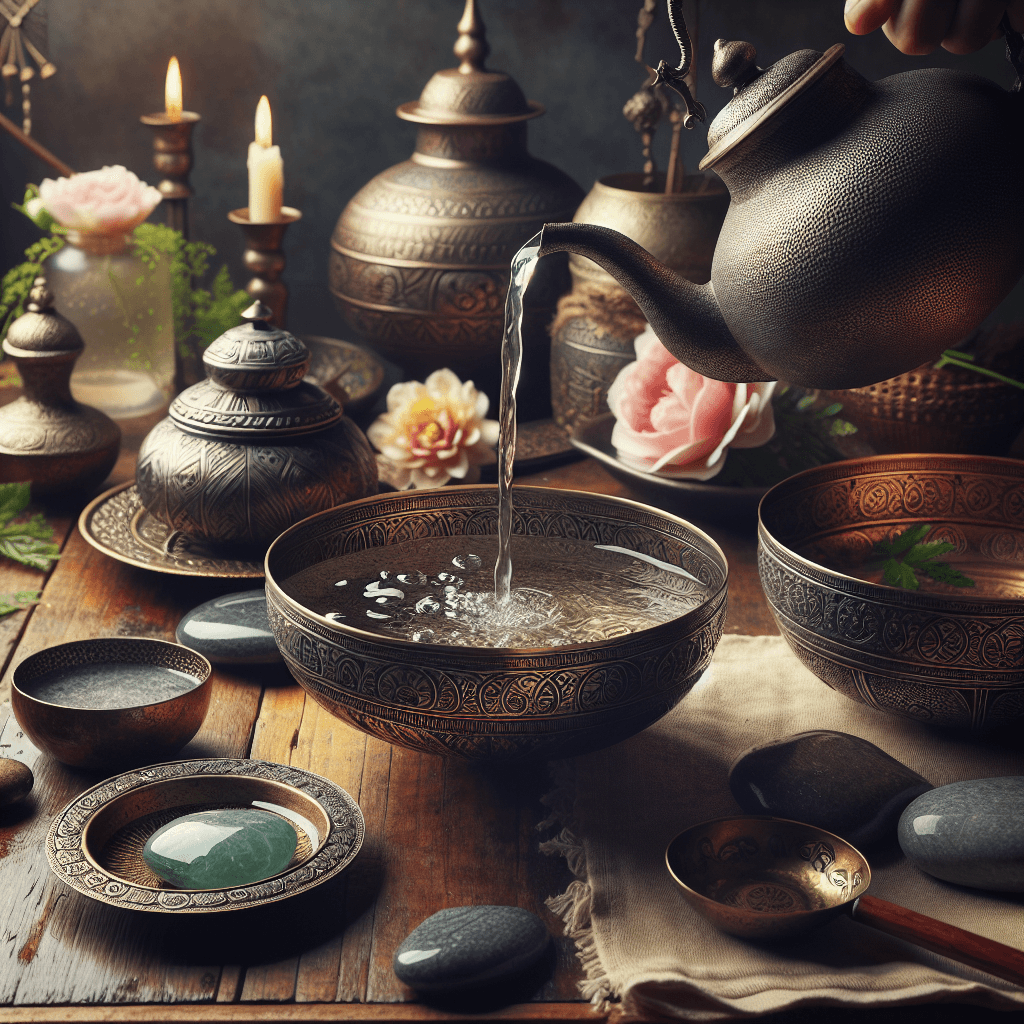
How to Properly Cleanse and Prepare a Ritual Bowl for Spiritual Ceremonies
Cleansing ritual bowl practices begin with physical purification using natural soap, pure water, or salt water with soft cloths. You must avoid harsh chemicals that disrupt the bowl’s natural energy flow. Start by consecrating your elemental tools: salt represents earth, water embodies the flowing element, incense channels air energy, and a candle holds fire’s transformative power. Hold your hands over each element while stating your clear intention to purify the sacred vessel.
Sacred Bowl Purification Methods
Sacred bowl purification transforms ordinary vessels into spiritually charged implements through elemental cleansing methods. You create consecrated salt water by blessing salt and water separately, then mixing them while visualizing neutralization at the molecular level. Sprinkle this blessed mixture over your ritual bowl while seeing unwanted energy dissolve and wash away completely. The water element carries away stagnant vibrations that accumulate during daily use or storage periods.
Smoke purification follows the water cleansing stage. Pass your bowl through incense or herbal smoke multiple times, ensuring the smoke reaches all interior surfaces. Rotate the bowl slowly for complete coverage, then blow out any accumulated smoke along with departing negative energies. Cedar, sage, and frankincense work effectively for this purification stage, though you should choose herbs that align with your personal spiritual practice.
Fire exposure completes the elemental cleansing cycle. Expose your bowl to candlelight for transformative purification, allowing the flame’s energy to charge the vessel with positive intention. This step requires careful attention to avoid damage while ensuring thorough energetic cleansing. The fire element burns away any remaining unwanted vibrations and prepares the bowl for sacred use.
Physical maintenance involves regular salt water washes after ritual use, followed by re-blessing to restore the bowl’s spiritual charge. Some practitioners avoid soap entirely to preserve the vessel’s accumulated energetic properties. You adapt these methods by adding essential oils or moon water for daily home ritual practices. Store your cleansed bowls in dedicated sacred spaces to maintain their purified state between ceremonies.
Using Altar Bowls in Ritual Work: Water Scrying, Offering Vessels, and Energy Consecration
Altar bowls serve multiple functions in modern pagan ritual work, acting as versatile tools for spiritual connection and energy work. As offering vessels, these bowls hold symbolic items like fresh flowers, healing plants, handwritten prayers, or specific intentions tailored to deities and spirits you wish to honor. Select bowl materials that resonate with your ritual purpose: clay connects to earth energy, ceramic holds versatile properties, wood channels natural growth energy, and metal conducts focused intention.
Water scrying transforms your ritual bowl into a divination tool through careful preparation and intention setting. Fill your cleansed bowl with charged water infused with herbs like lavender for peace, rose petals for love work, lemon balm for clarity, hibiscus for passion, or sea salt for protection. Family heirloom bowls carry ancestral energy that enhances scrying practices, while larger basins accommodate full immersion rituals for hands and feet.
You create scrying water by steeping chosen herbs in muslin bags, allowing their essence to infuse the water without leaving plant debris. Add essential oils drop by drop while focusing your intention on the specific guidance you seek. Crystals placed around the bowl’s perimeter amplify the water’s receptive properties and create an energetic boundary for your divination work.
Energy consecration integrates bowls into broader spiritual practices through symbol drawing, intention beaming, and focused energy work. Draw protective or invoking symbols on the bowl’s surface using blessed oils or visualized light. Practitioners trained in energy healing beam Reiki or other healing modalities directly into the vessel, charging it with specific healing frequencies. Place consecrated bowls on altars for daily blessing with spoken affirmations that build energetic charge over time.
Burning ceremonies utilize ritual bowls as safe containers for releasing written intentions or unwanted patterns. Fill the bottom with salt or earth as a protective base, place a central candle for controlled flame, then safely burn paper offerings while speaking your intentions aloud. This practice transforms your bowl into a sacred vessel for manifestation and release work.



Essential Bowl Blessing
Essential bowl blessings follow structured steps that align with traditional elemental correspondences while adapting to modern pagan practice. Begin by gathering your four elemental tools: blessed salt, pure water, incense or herbs, and a consecrated candle. Consecrate each element individually by holding your hands above them and stating your specific intention to purify and bless your ritual vessel. This preliminary step ensures all blessing materials carry focused spiritual energy.
Apply the elemental blessings sequentially for maximum effectiveness. Sprinkle the salt water mixture over your bowl while visualizing dissolution of all unwanted energies at the deepest level. Pass the vessel through incense smoke, ensuring complete surface coverage as the aromatic cleansing removes psychic residue. Hold the bowl near candlelight for fire’s transformative energy, allowing the flame’s purifying force to charge every molecule of the sacred vessel.
Daily altar dedication builds sustained energetic charge through consistent practice. Place your blessed bowl on your altar space and speak daily affirmations that reinforce its sacred purpose. Simple phrases like “This vessel serves the highest good” or “Sacred bowl, hold my intentions” create ongoing energetic connection between you and your ritual tool. Consistency matters more than elaborate wording in these daily practices.
Simplified blessing methods work well for practitioners new to ritual bowl consecration. Moon water collected during full moons carries powerful lunar energy for bowl blessings. Sea salt harvested from natural sources holds earth and water elements simultaneously. Essential oils like lavender, rosemary, or frankincense add aromatic blessing properties when applied with focused intention. These accessible materials make bowl blessing practices available to all spiritual seekers.
Group blessing ceremonies amplify individual bowl consecration through collective intention and shared energy. Invoke protective light circles around your gathering space before beginning the blessing ritual. Participants breathe healing energy into each bowl while affirming its sacred role in spiritual practice. Solo practitioners achieve similar results through meditation and focused intention work. Post-blessing maintenance requires periodic natural cleansing and re-consecration to maintain optimal spiritual function.
These cleansing ritual bowl practices create powerful tools for your ongoing spiritual development and ritual work. Which aspect of bowl consecration calls to your spiritual practice most strongly?
Related Items:

Lilly Dupres
Owner & AuthorLilly Dupres, a lifelong practitioner of paganism, established Define Pagan to offer a clear definition of paganism and challenge misconceptions surrounding modern pagan lifestyles.


