
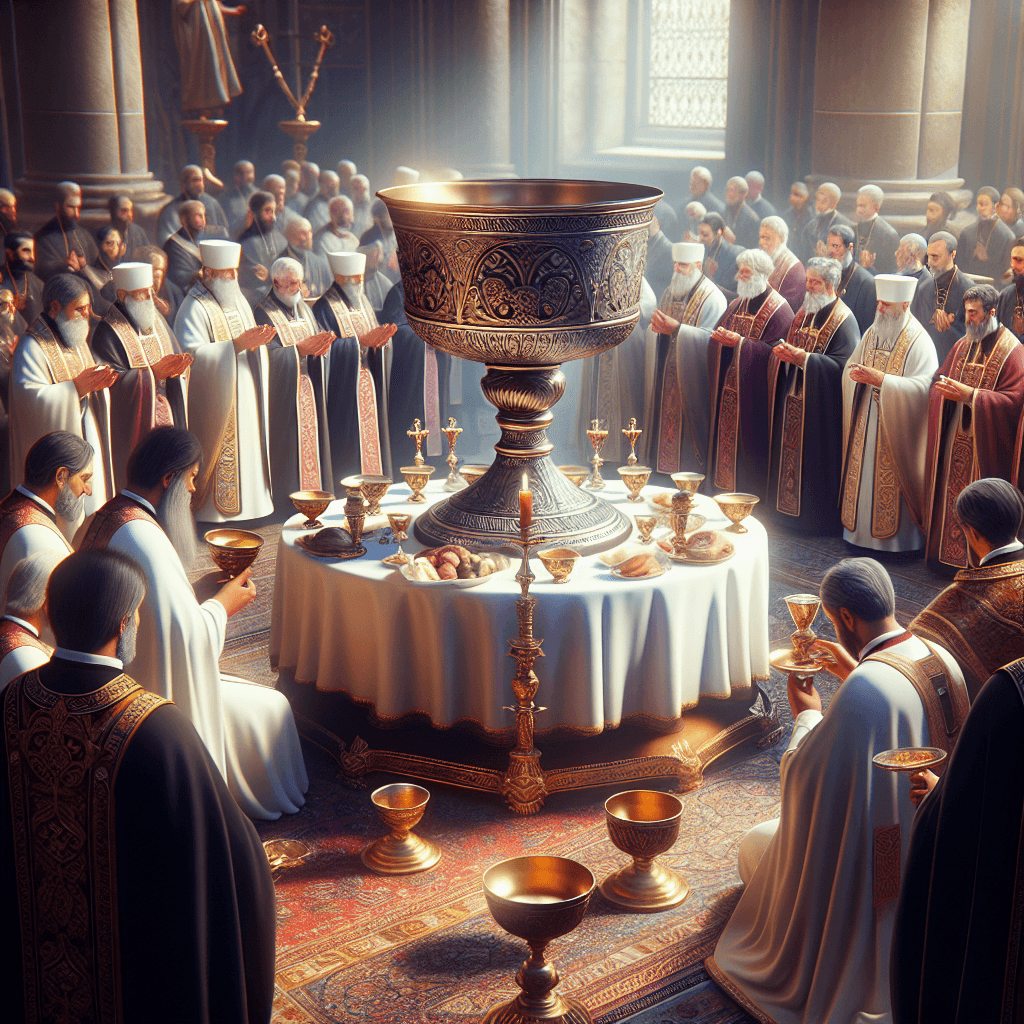
How do you properly consecrate a chalice for spiritual rituals and ceremonies?
Chalice consecration and blessing rituals require careful preparation, elemental purification, and intentional dedication to transform an ordinary vessel into a sacred tool for divine connection. The process involves purifying the chalice through all four elements, presenting it to divine forces, and charging it with spiritual energy through focused visualization and spoken intentions.
Traditional Consecration Methods Explained
Proper chalice consecration follows a structured approach that honors the four elements and establishes divine connection. The elemental purification process begins with Air, where you pass the chalice three times through incense smoke while stating your intentions for purity of thought and harmlessness in your practice. This step cleanses any residual energies from the vessel and prepares it for sacred use. Fire comes next in the sequence, requiring you to carefully pass the chalice through or near a candle flame while dedicating it to purity of desire and spiritual purpose. The flame burns away any impurities and infuses the vessel with transformative energy.
Water follows as the third element, where you sprinkle blessed water over the chalice while consecrating it with emotional purity and clarity of heart. This step connects the vessel to the flowing, adaptive nature of water and its cleansing properties. Earth completes the elemental cycle by having you touch the chalice to salt or stone while dedicating it to steadfastness and unwavering purpose in your spiritual work. After elemental purification, you present the chalice to both the Goddess and God, acknowledging it as a vessel for spiritual work and requesting blessings for its use in ritual and service.
The final energy charging step involves visualizing pure white energy flowing from the earth through your body and into the chalice while stating your dedication to use this tool in sacred rites. This comprehensive approach ensures the chalice receives proper consecration through every spiritual plane and element, creating a powerful tool for your practice.
What Is an Altar Chalice? Meaning, Symbolism, and Ritual Uses in Paganism
The altar chalice holds profound symbolic meaning within pagan traditions as the womb of the Goddess, representing creation, life, and spiritual sustenance. This sacred vessel functions as far more than a simple cup; it serves as a bridge between the physical and spiritual worlds, holding ritual drinks and offerings while facilitating the sharing of blessings among coven members and solitary practitioners alike. In Wiccan practice, the chalice carries particular significance during seasonal celebrations, initiation ceremonies, and regular ritual work where it holds consecrated beverages that connect participants to divine energy.
The symbolic meaning of the chalice extends across multiple spiritual contexts, representing feminine energy, creative potential, and the receptive principle that balances masculine forces in nature. When paired with the athame, a ritual blade symbolizing masculine energy, the chalice participates in ceremonies celebrating the sacred union of divine forces and the creation of life itself. This pairing embodies themes of fertility, balance, and the eternal dance between complementary energies that drive natural cycles and spiritual growth.
The chalice also represents emotional depth, intuition, and the capacity to receive divine wisdom and guidance. Within ritual circles, it often occupies the western quarter of the altar, aligning with the element of water and its associations with purification, healing, and emotional transformation. Many practitioners use their consecrated chalices for moon water ceremonies, seasonal libations, and group rituals where sharing blessed beverages strengthens community bonds and spiritual connections. The vessel serves as a focal point for meditation, scrying, and divination practices where water or wine becomes a window into spiritual insights and guidance.
Sacred Space Preparation and Ritual Implementation
Creating proper sacred space forms the foundation for effective chalice consecration and blessing rituals. You must begin by casting a circle and invoking the four cardinal points, establishing a protected boundary where spiritual work proceeds without interference from negative energies or distractions. The chalice typically occupies the western quarter of your altar, representing the element of water and its associations with emotion, intuition, and spiritual receptivity. During the invocation process, you lift the chalice toward the heavens while reciting blessings that request divine connection, flowing energy, and the dissolution of spiritual separation between yourself and the sacred.



This positioning and invocation creates a powerful energetic foundation for the consecration work that follows. The ritual itself adapts to your personal preferences and tradition, ranging from simple ceremonies involving candle lighting and basic dedications to elaborate multi-part rituals with complex invocations and ceremonial actions. At minimum, your ritual includes lighting candle and incense, placing the chalice at your altar center, and walking clockwise around the circle three times to cleanse the space and invoke divine presence throughout your working area.
More detailed approaches incorporate specific dedications to the Goddess as Keeper of Femininity and to the God as companion to the Lady, with each invocation requesting particular blessings aligned with the chalice’s spiritual purpose in your practice. Advanced practitioners often include the Two Chalices Ritual during seasonal observances, where two participants exchange mead or wine between vessels while crossing arms and plunging athames into each cup, creating a powerful symbol of divine union and seasonal transition. This ritual includes seasonal invocations and the inscribing of pentacles into the liquid while blessing the libation with spirit’s creative force.
Ongoing Maintenance and Advanced Applications
Maintaining your chalice’s consecration requires consistent care and intentional practice that honors its sacred nature and preserves its spiritual potency over time. You must keep the vessel physically clean and energetically charged by positioning it prominently on your altar between ritual uses, allowing it to absorb the ambient spiritual energy from your sacred space and other consecrated tools. Before each ritual session, fill your chalice with appropriate beverages or potions and allow the liquid to charge within the vessel, creating a symbiotic relationship between container and contents that amplifies both elements’ spiritual properties.
Regular cleansing with blessed water or moonlight exposure refreshes the chalice’s energy and removes any accumulated negativity or spiritual residue from previous workings. Advanced practitioners develop personal relationships with their chalices through daily meditation, regular offerings, and inclusion in personal devotional practices that strengthen the bond between practitioner and tool. Your chalice becomes more powerful and responsive over years of dedicated use, developing its own energetic signature that enhances your ritual work and spiritual connections.
Many experienced practitioners maintain multiple chalices for different purposes, dedicating specific vessels to particular deities, seasonal work, or types of ritual practice that require specialized energetic qualities. The chalice also serves in advanced magical workings such as scrying, where blessed water or wine becomes a medium for receiving visions and spiritual guidance from divine sources. Group work benefits from shared chalice use, where passing the consecrated vessel among participants creates powerful bonds of trust, community, and shared spiritual purpose that transcends individual practice limitations. Your relationship with your chalice deepens through consistent use, creating a powerful spiritual partnership that enhances every aspect of your pagan practice.
Chalice consecration and blessing rituals form the cornerstone of effective pagan practice, transforming simple vessels into powerful conduits for divine connection and spiritual transformation. Will you take the next step in deepening your ritual practice by exploring advanced consecration techniques and developing a personal relationship with your sacred chalice?
Related Items:

Lilly Dupres
Owner & AuthorLilly Dupres, a lifelong practitioner of paganism, established Define Pagan to offer a clear definition of paganism and challenge misconceptions surrounding modern pagan lifestyles.


