

What are the essential steps to perform a sacred bowl blessing ritual for spiritual cleansing at home?
Sacred Bowl Blessing Ritual Steps
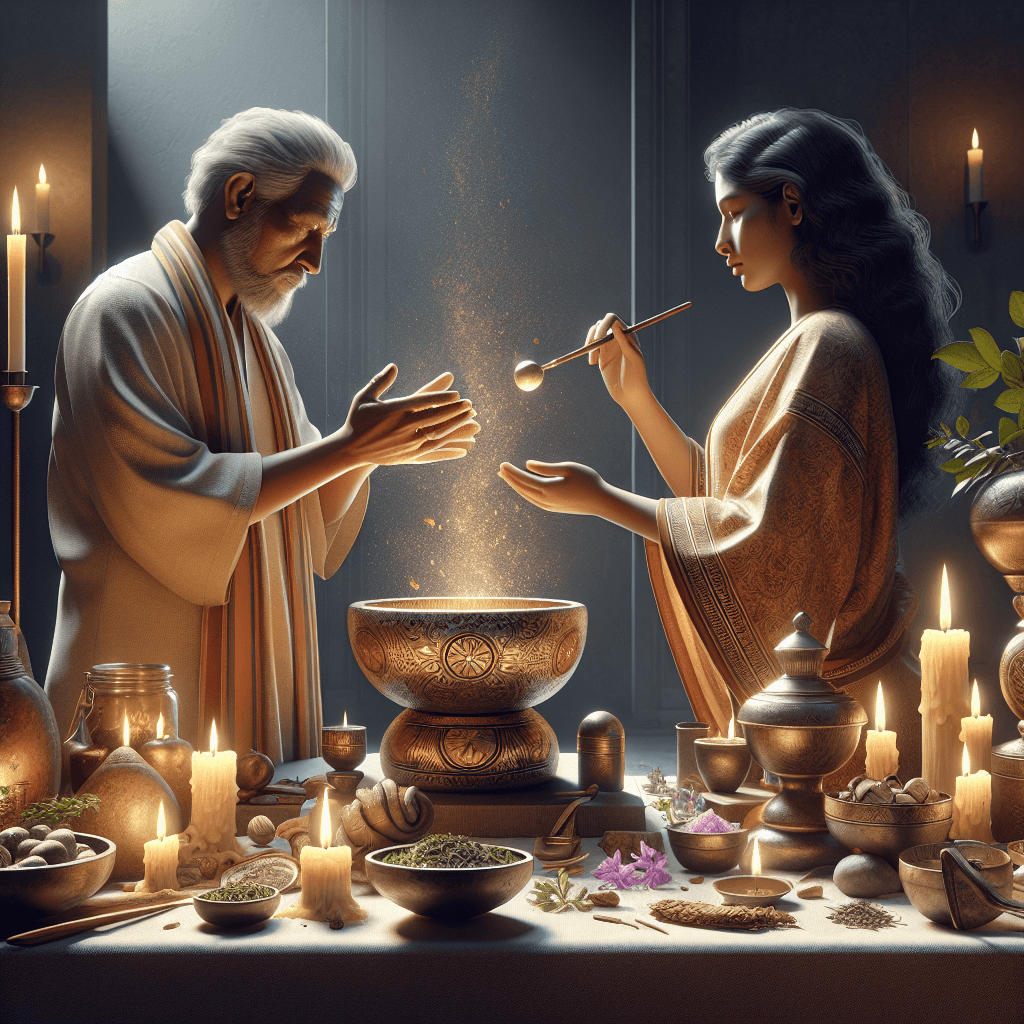
Sacred Bowl Blessing Rituals transform ordinary vessels into powerful spiritual tools through structured elemental purification and intentional dedication. The process begins with gathering your four elemental representatives: salt for earth energy, pure water for the western quarter, incense or herbs for air, and a lit candle for fire. You must consecrate each element individually by holding your hands over them while stating your intention to purify and bless, starting with salt, moving to water, then incense, and finally the candle flame. Each element requires individual charging before use.
Once your elements are prepared, make your verbal dedication by reciting a formal invocation such as: In the names of the Lord and the Lady, I bless and consecrate this bowl that it may be cleansed of all negative energy. Let it be fit for use in my ritual. So mote it be. This binds your intention to the physical object while invoking divine presence. Next, apply elemental purification by sprinkling your bowl with consecrated salt water while visualizing unwanted energy dissolving completely. Pass the bowl through incense smoke to cleanse every surface, then expose the bowl carefully to candlelight, allowing the flame’s transformative power to complete the elemental purification. Finally, establish daily practice by placing your bowl on your altar and blessing it each day until the consecration feels complete, speaking blessing words over it during daily practice to gradually build its sacred charge through repeated intention.
Ancient Bowl Consecration Methods
Historical bowl practices reveal sophisticated spiritual technologies developed across centuries of dedicated practice. Incantation bowls, created by Jews, Christians, and Mandaeans from the 5th through 8th centuries, involved inscribing ceramic bowls with spells of protection or healing, then burying them under thresholds or in home corners. These bowls were excavated from Mesopotamia and represent some of our oldest witnesses to Jewish spiritual practice alongside the Babylonian Talmud. The inscriptions followed specific formulas, with typical text reading: Sealed and countersealed are the house, dwelling, possessions, sons, daughters, cattle, and soul of [named person]. They are sealed and countersealed from a demon, from a persecutor, from a male and female idol, from a Lilith, and from anything evil. These ancient practitioners understood that specificity increases magical potency.
The archaeological record shows these bowls were always made for specifically named individuals rather than generically, and were frequently made for and by women, providing them with access to material ritual practices when other forms of religious expression were restricted. The bowls served as protective talismans for entire households, buried in strategic locations to create spiritual barriers against harmful forces. Archaeological evidence suggests that families often commissioned multiple bowls for different purposes: some for healing specific ailments, others for protection against particular threats, and still others for ensuring prosperity in business ventures. The complexity of these inscriptions indicates a sophisticated understanding of sympathetic magic and the power of written word combined with consecrated vessels.
Modern practitioners study these ancient methods to understand how bowl consecration has evolved across millennia. The placement of these bowls in homes followed precise spiritual geography, with different locations chosen based on the intended magical outcome. Bowls meant for protection were buried at entry points, while those for healing were placed closer to sleeping areas. The inscriptions themselves were written in Aramaic, Hebrew, or Mandaic, often incorporating divine names and angelic appellations to increase their spiritual authority. Archaeological analysis reveals that many bowls were deliberately broken after burial, suggesting that the breaking itself was part of the magical process, releasing the contained energy to fulfill its intended purpose.
DIY Sacred Bowl Blessing
Modern practitioners create consecrated bowls at home using accessible materials and simplified techniques adapted from ancient traditions. A simple blessing bowl setup includes water reserved from a full moon ritual, sea salt flakes, and a few drops of essential oil such as cleansing oil or self-love oil placed in a bowl on your altar. After completing morning routines, stand before your altar and anoint yourself with the water while speaking a salutation to your chosen deity, then proceed with your day. This daily practice strengthens the connection between your spiritual work and mundane activities, creating a bridge between sacred and secular time.
For those creating offering bowls, decoration methods include painting symbols, applying gold leaf, decoupage techniques, or decorated rims, with tradition-specific designs appropriate to your spiritual path. The consecration process transforms these handmade vessels into powerful ritual tools through your focused intention and repeated use. Choose symbols that resonate with your personal practice: pentacles for Wiccan practitioners, runes for Norse traditions, or Celtic knotwork for Druidic paths. The act of creating and decorating your own bowl adds personal energy to the vessel before formal consecration begins.
The materials you select for your DIY sacred bowl carry their own energetic properties that enhance the blessing ritual. Ceramic bowls provide earth energy and durability for daily use, while glass bowls offer clarity and light-conducting properties ideal for moon water and solar charging. Wood bowls connect with living tree energy and work especially well for earth-based traditions and nature spirit offerings. Metal bowls, particularly copper and silver, conduct energy efficiently and serve well for healing work and lunar rituals. The size of your bowl should match its intended purpose: small bowls for personal anointing, medium bowls for altar work, and larger bowls for group rituals or major seasonal celebrations.
Consider the bowl’s intended placement when selecting and decorating your vessel. Bowls meant for outdoor rituals need weather-resistant decorations and durable materials that withstand the elements. Indoor altar bowls allow for more delicate decorative techniques like decoupage or painted designs that would fade in sunlight. Some practitioners create matched sets of bowls for different purposes: one for blessing water, another for offerings, and a third for ritual cleansing. Each bowl develops its own energetic signature through use, becoming more attuned to its specific purpose over time.
Altar Bowl Practices Across Different Spiritual Traditions
Hindu, Wiccan, Buddhist, and Christian traditions employ bowls in distinct ways within their spiritual frameworks, each bringing unique perspectives to sacred vessel use. Wiccan practices incorporate blessing bowls into multiple aspects of ritual work, with some witches preferring blessing bowls over ceremonial showers before entering ritual space, finding them more effective for spiritual preparation. These bowls are incorporated into daily mindfulness practices, strengthening awareness that the Sacred is served in all activities, not reserved for ritual times alone. Wiccan practitioners often use different colored bowls for different magical purposes: white for purification, blue for healing, green for prosperity, and black for banishing negative energy.
Druidic and ADF traditions demonstrate sophisticated bowl usage through the Ancestor Bowl, a small white ceramic bowl decorated with a sea shell pattern that holds sacred water during kindred invocations. Practitioners dip their finger in the consecrated water and make the Awen mark consisting of three radiating lines on participants’ foreheads while saying: With this Water, Celebrate your Communion with the Ancestors. Three different bowls are used in these traditions: rough clay for Nature Spirits, brass for Gods, and ceramic for Ancestors, with each material chosen to resonate with the specific spiritual realm being honored.
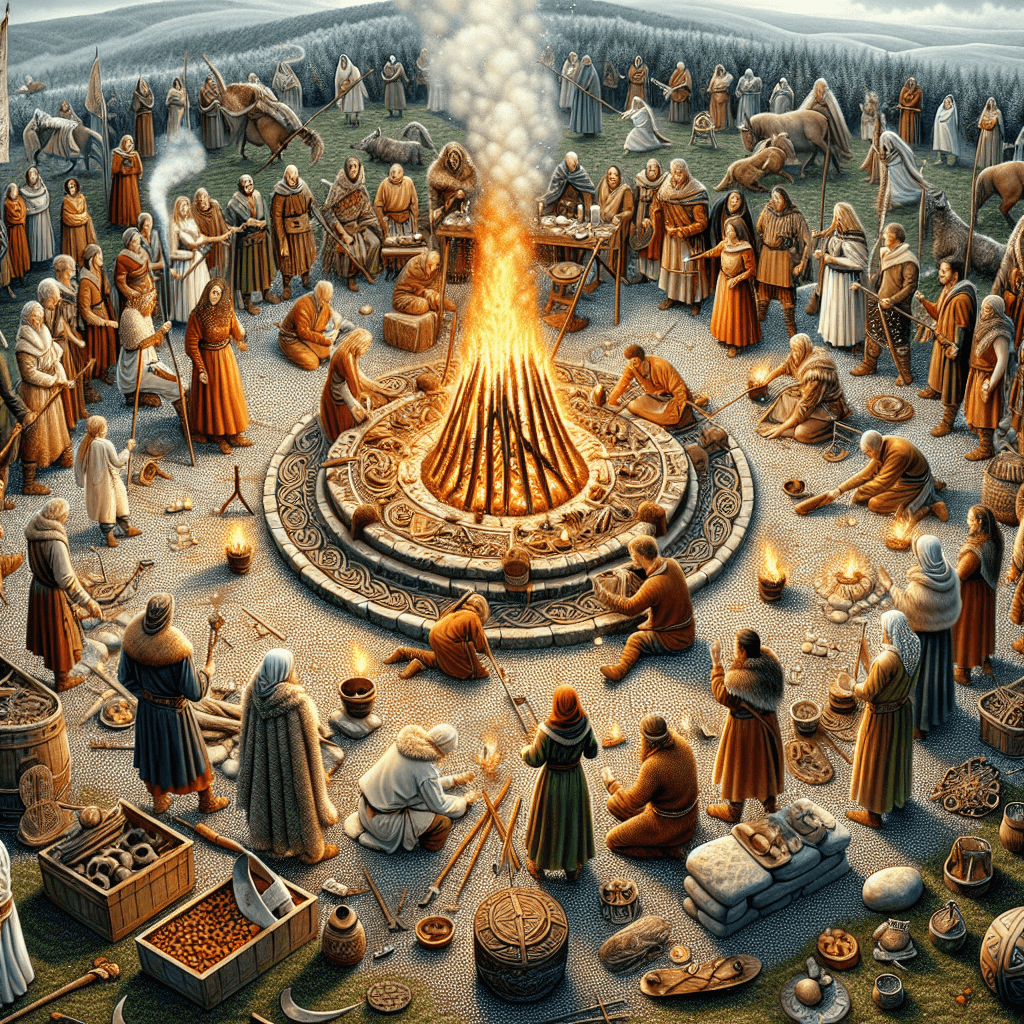
Norse and Asatru traditions employ bowls in the blót sacrifice ritual, using them to catch libation blessed during offerings to the Gods. After blessing the libation, practitioners take a bit of blessed liquid in a small bowl and flick it on people using an evergreen sprig for aspersion and blessing. This practice connects modern practitioners with ancient Germanic religious customs while adapting the rituals for contemporary spiritual needs. The evergreen sprig serves as a natural aspergillum, carrying the blessed liquid to participants while symbolizing eternal life and divine connection.

Chinese Feng Shui traditions showcase elaborate bowl consecration through the Imperial Harvest Consecration Ceremony, which uses a pristine crystal bowl called the Imperial Harvest Crystal Vessel of Sacred Rituals to hold incense made from Qinan Agarwood and Sandalwood during ceremonial blessings. Master practitioners perform nine bows before the vessel, a sequence rooted in ancient Chinese tradition for invoking blessings from ancestral deities and the heavens. Water magic practices across various traditions recognize that silver bowls are wonderful vessels for creating holy water, moon water, and angelic waters, while blue bowls serve as the primary choice for water magic, healing magic, floral essences, and ritual cleansing. The silver bowl represents the moon and adds reflective qualities to water, making it suitable for scrying on the full moon.
Weekly Bowl Cleansing and Maintenance
Regular maintenance ensures your sacred bowl retains its spiritual potency and continues serving as an effective ritual tool throughout extended use. Incorporate your blessing bowl into daily practice by standing before your altar after morning routines and anointing yourself with the consecrated water, speaking your chosen salutation before proceeding with your day. This consistent practice gradually builds the bowl’s sacred charge through repeated intention and exposure to your spiritual work, creating a cumulative effect that strengthens over time. Daily interaction with your sacred bowl develops a personal relationship between you and the vessel, making it more responsive to your spiritual needs and intentions.
For bowls used in group rituals, proper cleanup and storage maintain their effectiveness for future ceremonies. After the ceremony concludes, pour any remaining water from the bowl back into a storage vessel such as a special plastic jug used for sacred water, then top off the jug with fresh water from a pitcher. This practice maintains your sacred water supply while honoring the ritual’s completion and ensuring that blessed water remains available for future use. Group energy adds layers of intention to ritual bowls, making their maintenance even more important for preserving the collective spiritual work invested in each ceremony.
Physical cleaning of sacred bowls requires attention to both mundane and spiritual hygiene. Wash your bowls with natural soap and pure water, avoiding harsh chemicals that might interfere with their energetic properties. Some practitioners prefer to clean their sacred bowls only with salt water and soft cloths, believing this preserves their spiritual charge better than conventional cleaning products. After physical cleaning, many traditions recommend re-blessing the bowl with a simplified version of the original consecration ritual to restore any spiritual energy that might have been diminished during the cleaning process.
When bowls accumulate energy over extended use, practitioners may choose to display them, break them, or bury them following ancient custom, depending on personal or community tradition. This decision acknowledges the bowl’s sacred status and provides appropriate closure to its ritual service. Some bowls become so charged with spiritual energy that they need retirement from active use, transitioning into display pieces that continue radiating blessed energy in your sacred space. The choice between retirement, ritual breaking, or burial depends on your tradition’s teachings and your personal relationship with the vessel. Understanding when and how to properly retire a sacred bowl demonstrates mature spiritual practice and respect for the tools that serve your spiritual growth.
Sacred Bowl Blessing Rituals offer practitioners across all traditions a tangible way to connect with divine energy and create sacred space in their daily lives. Which tradition’s bowl practices resonate most strongly with your spiritual path, and how will you adapt these ancient techniques for your modern practice?
Related Items:

Lilly Dupres
Owner & AuthorLilly Dupres, a lifelong practitioner of paganism, established Define Pagan to offer a clear definition of paganism and challenge misconceptions surrounding modern pagan lifestyles.


