
What do different altar cloth colors mean in spiritual and religious practices?
Altar Cloth Color Meanings
Altar cloth color meanings serve as the foundation for creating intentional sacred spaces across diverse traditions. Each color carries specific symbolic energies that connect practitioners to their spiritual intentions, seasonal cycles, and divine forces. In modern pagan practice, these colors align with magical workings, planetary influences, spirits, and natural rhythms while emphasizing personal intuition over rigid rules.
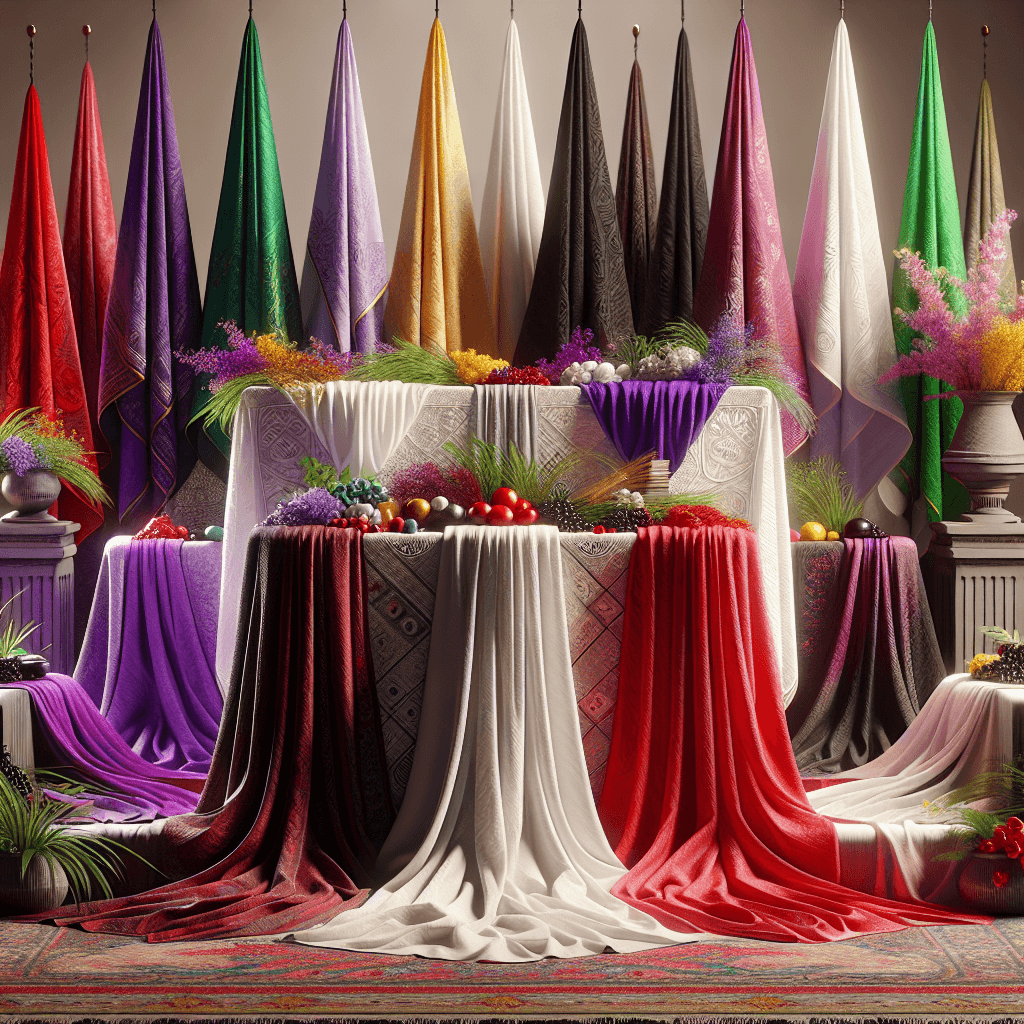
Understanding color symbolism helps you select the right altar cloth for your spiritual work. White represents clarity, peace, purity, ancestral connection, and divine light. This universal color works for purification rituals and new beginnings. Red embodies strength, passion, protection, and fire energy, making it ideal for love magic and protection spells. Black supports shadow work, deep protection, ancestral mysteries, and mourning practices. Green connects to abundance, healing, earth energy, and fertility magic. Purple channels spiritual power, intuition, royalty, and transformation. Blue brings peace, truth, emotional healing, and water spirit connections. Gold and yellow radiate solar energy, clarity, communication, and joy. Pink softens your space with love, friendship, and gentle energy.
These altar cloth color meanings appear across multiple spiritual traditions with similar core interpretations. Christian and Jewish practices use white for purity and glory during celebrations like Christmas and Easter. Red marks martyrdom and divine love during Pentecost and Holy Week. Purple signals penance and preparation during Advent and Lent. Green represents life, hope, and growth during ordinary liturgical times. Black symbolizes death and mourning, particularly on Good Friday. Blue connects to heavenly realms and divine hope. The Jewish Tabernacle tradition incorporates rainbow symbolism to represent divine dominion and sacred separation.
Modern pagans adapt these traditional meanings to fit their personal practice and spiritual path. Your altar cloth selection should reflect your specific intentions, the season, and your connection to particular deities or spirits. Trust your intuition when choosing colors, as your personal energy responds differently to various hues. Some practitioners layer multiple cloths to combine energies, such as placing a white base cloth under a colored seasonal cloth. Natural fabrics like cotton, silk, and linen conduct spiritual energy better than synthetic materials.
Sacred Color Symbolism Guide
Your altar cloth color selection impacts the energy of your entire sacred space. Each hue carries vibrations that either support or conflict with your spiritual work. Understanding these energetic properties helps you create more effective rituals and stronger connections to your intentions. The color you choose becomes a visual anchor for your mind and spirit during meditation, prayer, and magical practice.
White serves as the most versatile altar cloth color for beginners and experienced practitioners alike. This color purifies your space, connects you to ancestral wisdom, and opens channels for divine communication. Use white when you need clarity about your spiritual path or when working with multiple deities who prefer different colors. White also works well for healing rituals, blessing ceremonies, and cleansing practices. Many practitioners keep a white cloth as their primary altar covering, adding colored accents through candles, crystals, or smaller decorative cloths.
Red energizes your altar space with passionate, protective force. This bold color strengthens your willpower, attracts love, and shields you from negative influences. Red works particularly well for Mars-ruled magic, fire element workings, and rituals involving courage or strength. Use red altar cloths during Beltane celebrations, love spells, protection magic, and warrior deity invocations. The intensity of red makes it less suitable for peaceful meditation or gentle healing work, but perfect for transformative magic that requires strong energy.
Black altar cloths support deep spiritual work that requires protection and grounding. This color helps you connect with shadow aspects of yourself, communicate with ancestors, and perform banishing rituals. Black absorbs negative energy and creates a protective barrier around your sacred space. Use black during Samhain, new moon rituals, divination practices, and when working with underworld deities. Many practitioners avoid black during joyful celebrations or healing work, but it remains essential for serious magical practice and spiritual protection.
Liturgical Season Color Chart
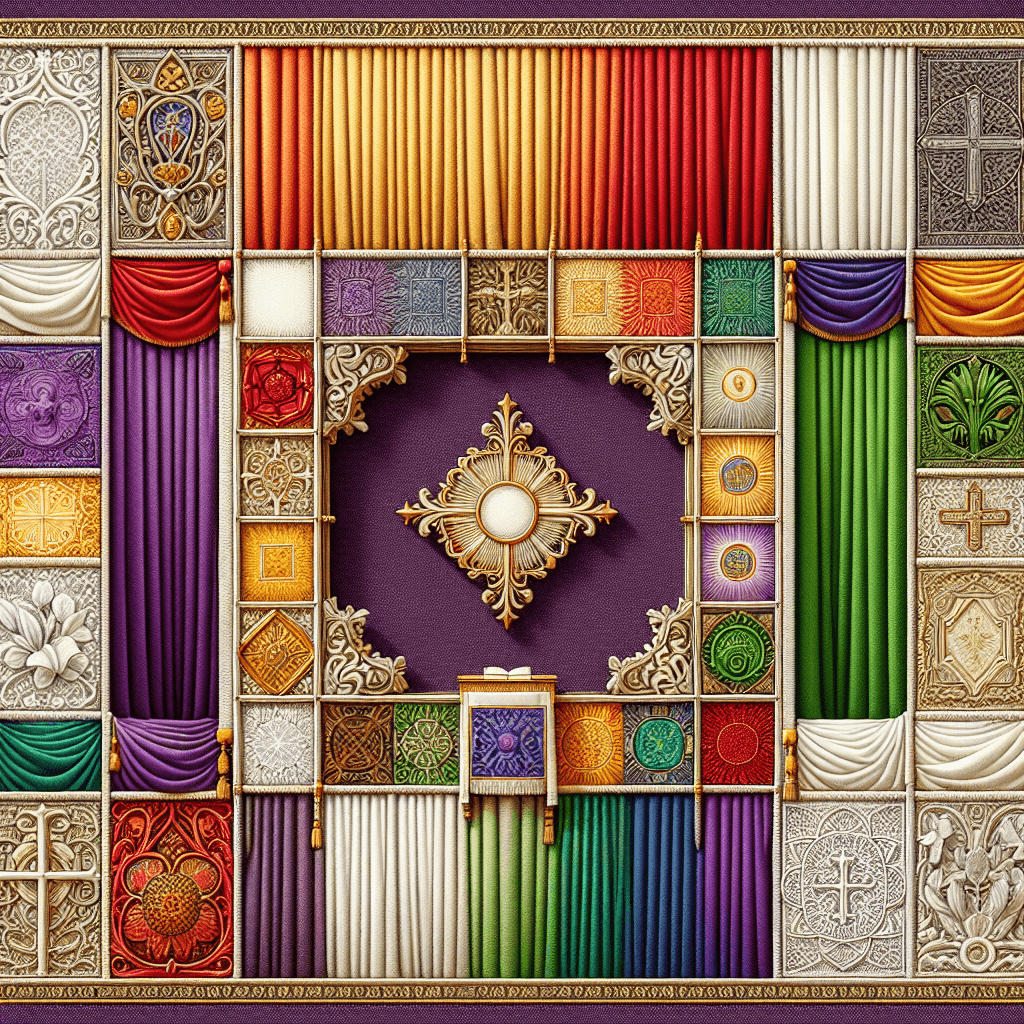
Seasonal color rotation keeps your altar aligned with natural energy cycles and traditional spiritual calendars. This practice connects your personal spiritual work to larger cosmic rhythms and community celebrations. Following seasonal color patterns helps you stay attuned to the changing energies throughout the year and supports your spiritual growth through different phases of experience.
Spring altar cloths should reflect renewal, growth, and fresh beginnings. Green works perfectly for Ostara and early spring rituals focused on fertility, new projects, and healing. Yellow and light green support the increasing solar energy as days grow longer. Pink brings gentle love energy appropriate for self-care and relationship healing during this season of awakening. White continues to work well for cleansing winter energy and preparing for the active growing season ahead.
Summer altar cloths celebrate abundance, passion, and peak energy. Gold and bright yellow honor the sun at its strongest during Litha and midsummer celebrations. Red supports the fiery energy of passion and protection during the height of the growing season. Green remains appropriate for abundance magic and earth connection rituals. Blue provides cooling balance during hot summer months and supports water magic during this fire-dominant season.
Autumn altar cloths honor harvest, gratitude, and preparation for the dark half of the year. Deep gold, orange, and brown reflect the changing leaves and harvested grains. Purple supports the spiritual transformation that comes with shorter days and longer nights. Black becomes more prominent as you approach Samhain and begin working with ancestor energy. Red maintains its protective qualities as you prepare for winter challenges.
Winter altar cloths embrace introspection, rest, and the return of light. White dominates during Yule celebrations and represents the return of solar energy after the longest night. Silver and pale blue support moon energy and winter’s reflective quality. Deep purple and black remain appropriate for ongoing shadow work and ancestor communication. Red provides warmth and protection during the coldest months.
Where to Buy Altar Cloth: Quality Ritual Cloth Selection
Finding quality altar cloths requires attention to fabric type, size, and craftsmanship. Natural materials conduct spiritual energy more effectively than synthetic fabrics. Cotton provides durability and easy care for everyday altar use. Silk offers luxury and superior energy conduction for special rituals and ceremonies. Linen brings ancient tradition and strong earth connection to your practice. Wool provides warmth and grounding energy, though it requires more careful maintenance.
Size considerations depend on your altar dimensions and ritual needs. Standard altar cloths range from small accent squares to large table coverings. Measure your altar space before shopping to ensure proper fit. Consider whether you prefer cloths that hang over the edges or sit flush with the altar surface. Some practitioners prefer larger cloths that extend to the floor, while others choose smaller coverings that leave altar edges visible.
Color quality affects both aesthetic appeal and spiritual effectiveness. Look for rich, saturated colors that maintain their vibrancy after washing. Faded or dull colors provide less energetic impact during ritual work. Pure colors work better than mixed or muddy tones for specific magical intentions. Some practitioners prefer subtle variations and patterns, while others choose solid colors for maximum symbolic impact.
Care instructions matter for long-term altar cloth maintenance. Machine washable fabrics provide convenience for regular cleansing and energy clearing. Delicate fabrics may require hand washing or professional cleaning, which increases ongoing costs and maintenance time. Consider how often you plan to cleanse your altar cloths when selecting materials. Some practitioners prefer to replace altar cloths seasonally rather than investing in expensive, delicate fabrics.
Local metaphysical shops often carry altar cloths in common ritual colors. These stores allow you to feel fabric quality and see colors in person before purchasing. Online pagan supply retailers offer wider selection and specialty colors. Fabric stores provide the most options and competitive prices if you plan to hem cloths yourself. Thrift stores sometimes yield beautiful vintage fabrics perfect for altar use at budget-friendly prices.


Personal Color Selection Tips
Your personal color selection should reflect your individual spiritual path, energy preferences, and ritual goals. Generic color meanings provide starting points, but your intuitive response to specific hues matters more than traditional associations. Pay attention to how different colors make you feel during meditation or ritual preparation. Some practitioners find that their color preferences change as their spiritual practice evolves and deepens.
Deity relationships influence altar cloth color choices significantly. Research the color preferences of gods and goddesses you work with regularly. Some deities have strong color associations based on their mythological attributes and traditional offerings. Others accept a wider range of colors depending on the specific aspect you wish to invoke. Building a collection of altar cloths in your primary deities’ preferred colors supports stronger spiritual connections and more effective ritual work.
Astrological influences provide another layer of color selection guidance. Your natal chart, current planetary transits, and lunar phases affect which colors support your energy most effectively. Fire signs often prefer reds, oranges, and golds, while earth signs gravitate toward greens, browns, and deep blues. Air signs frequently choose yellows, light blues, and purples, while water signs prefer blues, silvers, and deep purples. Working with astrologically appropriate colors enhances your natural magical abilities.
Seasonal depression and energy levels affect color choices throughout the year. Bright, warm colors provide energy boosts during dark winter months when your spirits need lifting. Cool, calming colors offer relief during intense summer heat or high-stress periods. Neutral colors provide stability when your emotions feel chaotic or overwhelming. Adjust your altar cloth colors based on your current mental and emotional needs rather than following rigid seasonal guidelines.
Personal associations with specific colors impact their effectiveness in your practice. Colors linked to positive memories, favorite places, or meaningful experiences carry additional power in ritual work. Conversely, colors associated with trauma or negative experiences may disrupt your spiritual practice. Honor your personal color history when building your altar cloth collection. Your individual relationship with each color affects its spiritual impact more than universal symbolism.
Altar cloth color meanings transform ordinary fabric into powerful spiritual tools that anchor your sacred space and support your ritual intentions. Which color speaks to your spirit most strongly for your next seasonal celebration?
Related Items:

Lilly Dupres
Owner & AuthorLilly Dupres, a lifelong practitioner of paganism, established Define Pagan to offer a clear definition of paganism and challenge misconceptions surrounding modern pagan lifestyles.


