DIY Incense: Best Herb Kits & How to Make Your Own Incense
What herbs do you actually need to make your own incense at home? This guide to DIY Incense: Best Herb Kits & How to Make Your Own Incense walks you through picking the right materials and turning them into incense that burns clean and serves your practice, whether that's a cleansing, an ancestor rite, a sabbat, or a spell that needs a specific mood instead of a random nice smell.
What Makes a Good DIY Incense Herb Kit

Loose Incense Herbs for Burning, Natural Botanical Blend Trio Set 2.22 oz
View ProductA good kit gives you plant material you can actually identify. Look for packets labeled with botanical or common names. Some sellers include harvest information too, which tells you the herb is fresh and tracked, not sitting on a shelf for years.
Skip any kit coated in perfume or dye. Skip mystery filler. If you cannot name what's in the bag, you cannot know how it burns or what it does to your lungs.
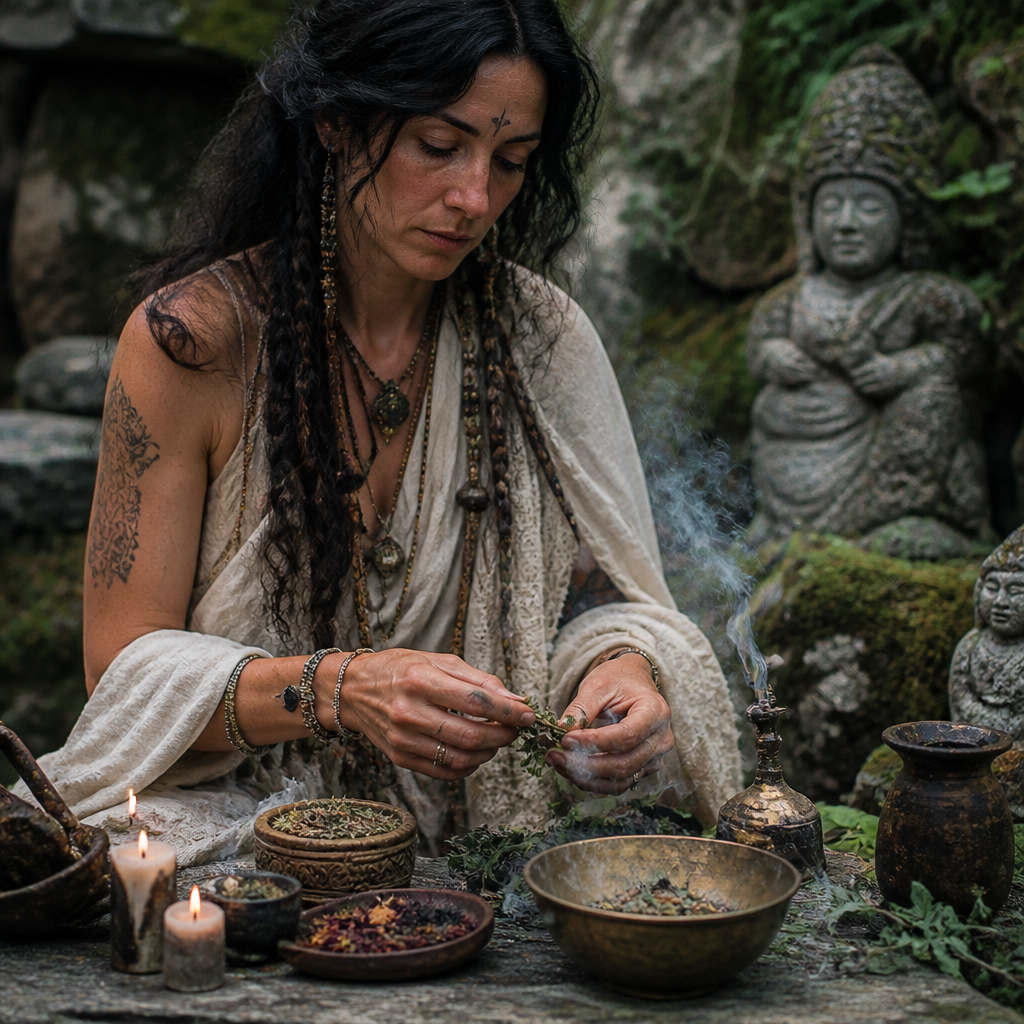
A useful kit gives you a mix of types. You want leaves, flowers, woods, and resins. Rosemary, lavender, and thyme cover your leafy herbs. Rose gives you a flower. Cedar is your wood. Frankincense, benzoin, and copal are resins, which are hardened tree sap that burns slow and carries scent well.
Avoid the big bundled kits packed with decorative plants you cannot identify or safely burn. More isn't better here. A small kit with ten herbs you understand beats a large one with thirty you don't.
How to Make Loose Incense at Your Own Pace
Loose incense is the easiest format to start with. You combine dried herbs with a resin base and burn small pinches on charcoal.
Keep your pieces coarse. If you grind everything to dust, it burns too fast and too hot. You want pieces that smolder, not flash.
Here's a simple starting blend:
- Two parts frankincense or benzoin
- Two parts rosemary
- One part lavender
- One part dried citrus peel
Adjust this by scent and by what the ritual needs. Don't follow a correspondence chart like it's law. Correspondence charts are useful starting points, not rules handed down from anywhere sacred.
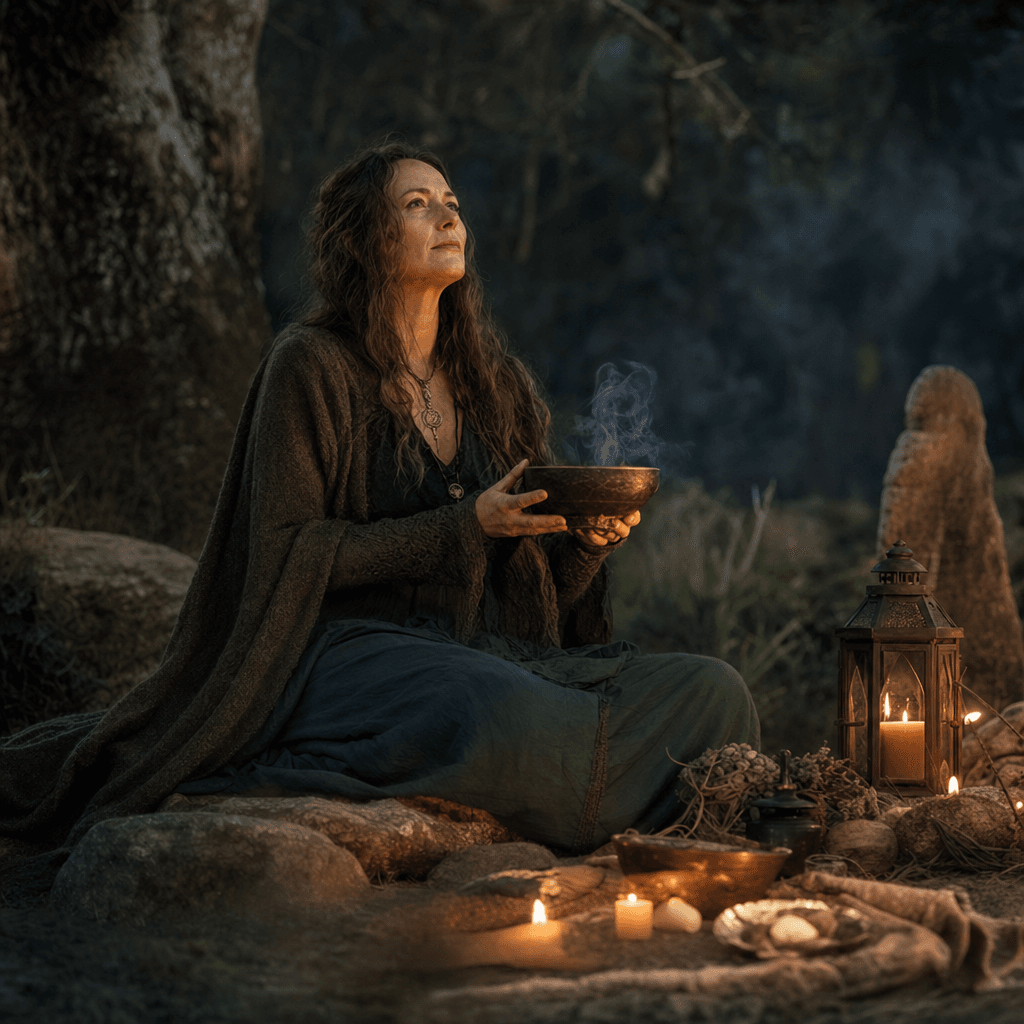
To burn it, light a charcoal disc fully until it glows and turns gray. Set it on sand or ash inside a heatproof censer. Add a small pinch of your blend. Resin carries smoke the longest. Leafy herbs add character fast, then burn out quickly, so you may need to add more as you go.
Making Incense Cones from Your Own Herb Blend

Cones take more effort but give you a shape that burns at a steady pace without charcoal.
Start by grinding your dried ingredients finely. Everything needs to be completely dry, no exceptions. Combine roughly three parts plant material with one part makko powder. Makko is a traditional incense binder and fuel made from the bark of a specific tree. It holds your cone together and helps it burn evenly.
Add water a few drops at a time. Mix until you get a firm dough, not something wet or crumbly. Shape small cones with your hands.
Now wait. Dry the cones completely before burning, which usually takes several days. This part tests your patience, but skipping it ruins the batch.
If your cones crack, the mix was too dry or needed more binder. If they hiss, bend, or won't light, they still hold moisture. Give them more time.
Matching Herbs to Your Ritual Without Faking History
Rosemary carries long folk and culinary history tied to remembrance and protection. Lavender shows up everywhere in fragrance, bathing, and calming blends. Frankincense and myrrh have real, documented religious histories, especially in Middle Eastern and Christian traditions.
Modern witchcraft often borrows these associations and reshapes them. That's fine. Just name where your practice comes from instead of presenting your own correspondences as ancient fact. Honesty about your sources makes your practice stronger, not weaker.
Judging Incense Quality Before You Burn It
Good herb smells like itself before you ever light it. Rosemary should smell like rosemary. Lavender should smell like lavender. If it smells like nothing, or smells moldy, don't use it.
Check for dust, stems, and dampness. These signal poor storage or low quality. Store your own herbs in labeled, airtight jars, away from sunlight, which breaks down the oils that carry scent.
Test small amounts before committing to a full blend. Some herbs that smell wonderful fresh turn harsh or unpleasant once burned. Smoke changes a plant's character completely, so what smells good in your hand might smell bad in the air.
Fire and Smoke Safety for Home Incense Making

Sukh 14 Bags Dried Herbs Kit ‑ Dried Flower Botanicals Bulk for Soap Crafts
View ProductOnly burn plants you can identify with full certainty. Never use florist-treated flowers. Never use anything poisonous, even if it smells nice.
Keep your space ventilated. Use tongs when handling charcoal, since it gets dangerously hot. Keep water nearby in case something goes wrong. Never leave burning incense unattended, even for a minute.
If you deal with asthma or allergies, or burn incense often indoors, consider an electric warmer instead. It releases scent without smoke, which is easier on your lungs over time.
Starting Your Own Incense Practice
Begin small. Pick one blend, label it clearly, and record your proportions, the scent, your purpose, and the result in your grimoire. This record becomes useful fast, since you'll want to repeat what worked and skip what didn't.
Sourcing matters here more than people expect. A supplier that understands ritual use gives you herbs that are properly dried, clearly labeled, and free of fillers, which makes every step above easier and safer.
Making your own incense gives you control over what you burn and why, instead of guessing at a pre-made blend that may not match your purpose. The right herbs, chosen with care and burned safely, turn a simple ritual tool into something that actually belongs to your practice. Explore quality herbs, resins, binders, and tools built for this kind of work at the Define Pagan shop.

Lilly Dupres
Owner & AuthorLilly Dupres, a lifelong practitioner of paganism, established Define Pagan to offer a clear definition of paganism and challenge misconceptions surrounding modern pagan lifestyles.