
What Colors Should I Choose for My Spiritual Altar Based on My Intentions and Practice?
Understanding Sacred Altar Colors for Your Spiritual Practice
Choosing sacred altar colors requires aligning specific hues with your ritual goals and spiritual focus. Select colors that match your intentions: black or red for protection work, green or blue for healing practices, green for abundance rituals, pink or red for love magic, purple or blue for developing intuition, and white or yellow for clarity and purification. Drawing from pagan and spiritual traditions, colors act as symbolic bridges to energies, elements, planetary forces, and spiritual entities. Your altar becomes a visual representation of your magical intentions, with each color serving as both decoration and spiritual tool.
For effective pagan rituals, prioritize your intuitive connection over rigid color rules. Match colors to your practice’s specific focus. Red works well for passion-driven spellwork and vitality magic. Purple serves transformative workings and deep spiritual development. Consider seasonal energy shifts when selecting colors, as nature’s rhythms influence magical potency. Your personal resonance with specific colors matters more than following prescribed formulas. Some practitioners feel drawn to earthy greens during growth periods, while others prefer the clarity of white during times of spiritual cleansing. Trust your instincts when building your sacred space. The colors you choose should feel energetically supportive and visually inspiring for your spiritual work.
Color Meanings Spiritual Practice
Understanding color meanings in spiritual practice helps you create focused ritual work and intentional sacred spaces. White represents purity, peace, divine light, ancestral connections, and lunar energy, making it an excellent all-purpose color for reflecting spiritual energy. Red embodies strength, passion, protection, vitality, fire element energy, Mars and Solar influences, love magic, and life force honoring. Black serves shadow work, banishing negative influences, deep protection, void and creation energies, and absorbing unwanted forces during dark moon rituals. Green connects to abundance, healing, earth element, fertility, growth, and prosperity magic. Purple enhances intuition, spiritual power, transformation work, and psychic abilities development. Blue promotes peace, truth, emotional healing, water element connection, and justice workings. Yellow and gold bring joy, communication enhancement, solar energy, clarity, confidence building, and manifestation power.
These color meanings adapt to your specific pagan practice while emphasizing intuitive alignment over rigid interpretations. Each tradition may hold slightly different associations for colors, so research your particular path’s correspondences. Celtic traditions might emphasize green differently than Norse practices view the same color. Mediterranean magical traditions often place stronger emphasis on blue tones due to oceanic influences. Your ancestors’ spiritual practices may have specific color associations worth exploring and incorporating. Consider how colors appear in your dreams, meditation visions, and daily life as guidance for altar work. Nature provides excellent examples of color energy. Notice how autumn reds and oranges feel different from spring greens and fresh blues. These natural color shifts offer insight into seasonal magical work and help you understand color psychology in spiritual contexts. Pay attention to which colors make you feel grounded, energized, peaceful, or magically charged.
Altar Cloth Tool Sets Everything
Altar cloths serve as foundational tools that pair beautifully with crystals, tarot decks, pentacles, chalices, athames, and other ritual implements to amplify your magical intentions. Dual-color combinations create balanced energetic fields for complex spellwork, meditation sessions, and divination practices. Green and red combinations merge prosperity consciousness with passionate action energy. Black and green pairings offer protection while encouraging growth and abundance. Yellow and gold combinations enhance clarity while boosting successful manifestation work. These color partnerships allow you to address multiple aspects of your spiritual goals simultaneously rather than focusing on single intentions.
Use altar cloths strategically during ritual work by wrapping tools for energy charging, placing written petitions on specific color sections, and creating symbolic bases that represent dualities like light and shadow or earth and sky. Satin fabrics reflect light beautifully and create visual depth on your altar surface. Natural fibers like cotton, linen, and silk hold energy well and feel pleasant during tactile ritual work. Purple remains a prized choice among many practitioners due to its historical association with royalty, mystery, and spiritual transformation. The rarity of purple dyes in ancient times made this color particularly sacred and magically potent. Modern practitioners often choose purple for major sabbat celebrations, initiation rituals, and deep spiritual workings.
Consider fabric texture when selecting altar cloths, as different materials create distinct energy signatures. Velvet feels luxurious and holds intention well for abundance work. Rough-woven fabrics suit protection and banishing rituals. Smooth satins work beautifully for lunar magic and feminine divine worship. Layer multiple cloths for complex rituals that address several magical goals. Change cloths between different ritual phases to shift energy and mark transitions in your spiritual work.
Seasonal Color Changes Rituals
Adapting altar colors to seasonal rhythms connects your spiritual practice with natural cycles and enhances ritual effectiveness through environmental harmony. White and silver work perfectly for full moon esbats, channeling lunar energy and goddess worship. Black serves dark moon periods when you focus on banishing unwanted influences, shadow work, and internal reflection. Red and gold combinations suit fiery solar rituals during summer months and solar celebration days. Green dominates spring renewal work when earth energy awakens and growth energy peaks. Blue tones complement water-focused rituals during flowing seasons and emotional healing work.
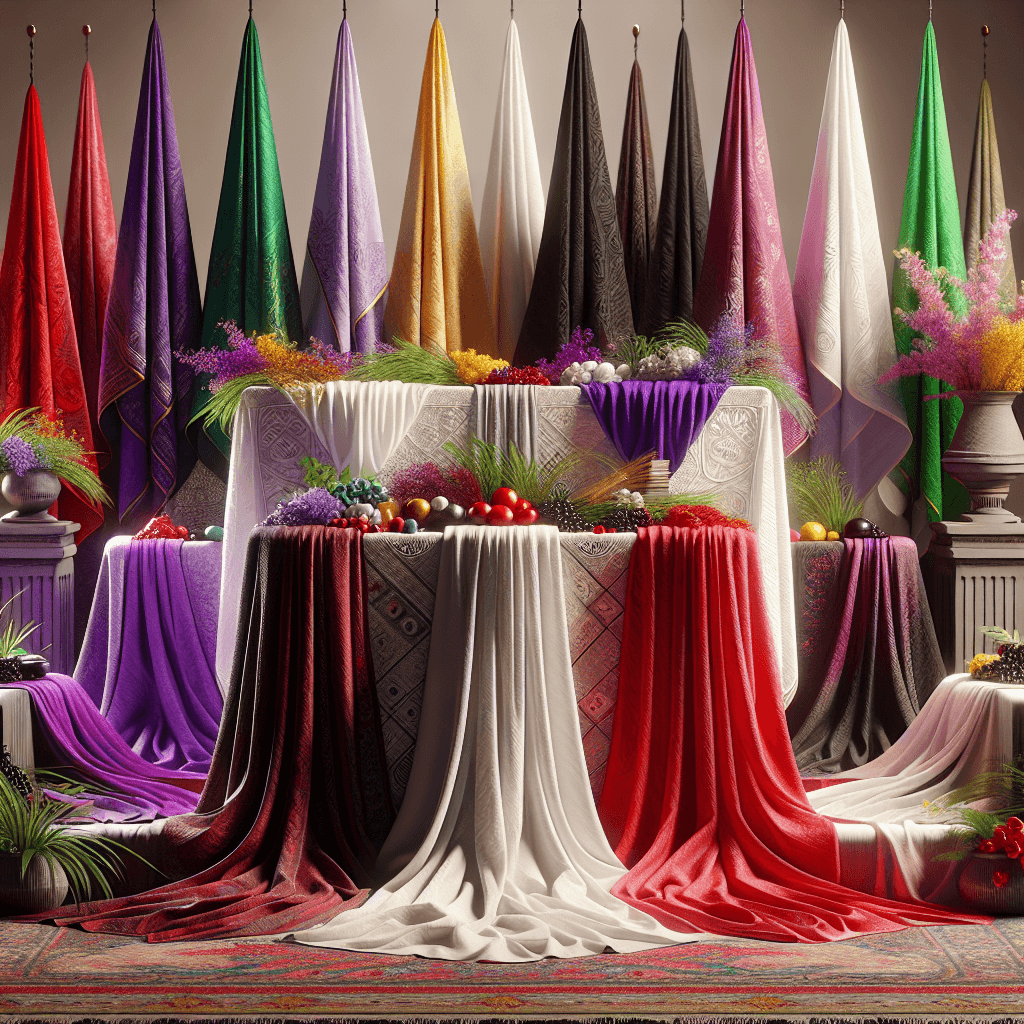

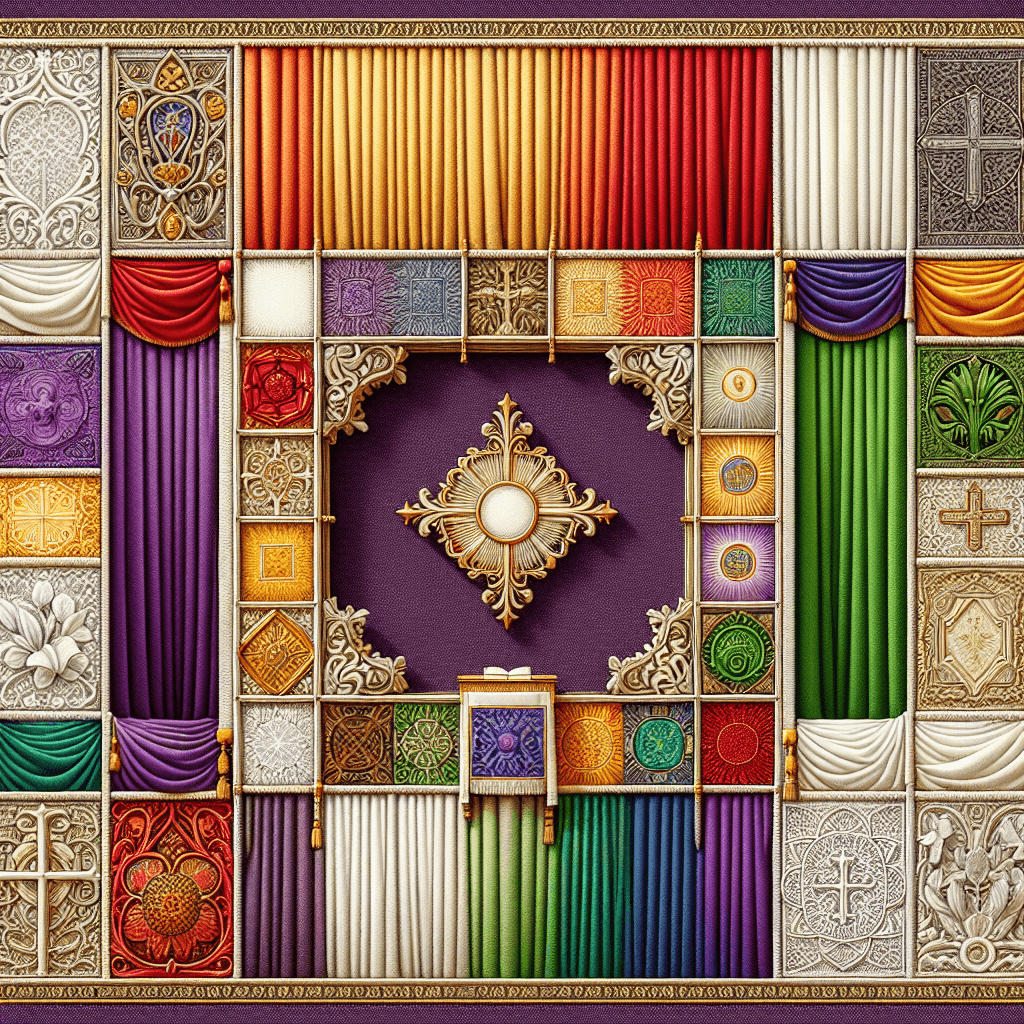
Seasonal color transitions help you stay connected with earth’s energy patterns while supporting your evolving spiritual needs throughout the year. Spring calls for fresh greens, pale yellows, and soft pinks that mirror new growth and gentle warming. Summer demands vibrant reds, bright oranges, and golden yellows that reflect peak solar energy and active manifestation work. Autumn brings deep oranges, rich browns, and harvest golds that support gratitude practices and preparation for introspective winter months. Winter welcomes deep blues, purples, and whites that encourage meditation, planning, and connection with ancestral wisdom.
Plan your ritual calendar around these natural color shifts to maximize magical effectiveness and maintain harmony with seasonal energies. Store multiple altar cloths in seasonal color families so you always have appropriate options available. Notice how different colors affect your energy levels and magical focus during various times of year. Some practitioners feel more drawn to earth tones during autumn months while craving bright colors during winter’s darkness. Track these personal patterns to optimize your altar setup for maximum spiritual benefit and energy alignment.
Personal Color Selection Guide
Developing your personal approach to choosing sacred altar colors involves listening to spiritual guidance, honoring your intuitive responses, and paying attention to your current spiritual needs and energy levels. Start by examining which colors naturally attract you during different life phases and magical workings. Red might call to you when feeling energetically depleted and needing vitality restoration. Purple often appeals during periods of spiritual transformation and psychic development. White attracts many practitioners during cleansing phases and new beginning periods. Trust these natural inclinations as valid spiritual guidance rather than arbitrary preferences.
Test color choices with small fabric pieces like scarves, bandanas, or fabric squares before investing in larger altar cloths. This allows you to experience how different colors affect your meditation quality, ritual focus, and overall spiritual energy without major expense. Consider color dualities that represent your spiritual journey, such as white and red for renewal and passion, or black and gold for shadow work and divine illumination. Research your practice’s associated deities, planetary correspondences, and elemental associations for color guidance that aligns with your chosen spiritual path.
Balance intense colors with complementary tones to avoid energetic overwhelm during extended ritual sessions. Bright red might work well when tempered with gold or white accents. Deep black often benefits from silver or purple highlights. Your living space’s existing colors and lighting conditions affect how altar colors appear and feel during spiritual work. Natural sunlight reveals different color aspects than candlelight or electric illumination. Consider how your altar colors interact with surrounding room colors and adjust combinations for visual harmony and energetic compatibility. Allow your altar color choices to evolve as your spiritual practice deepens and your magical focus shifts over time.
Your journey with choosing sacred altar colors will deepen as you gain experience with different combinations and seasonal shifts. Which colors are calling to your spirit right now, and how will you begin experimenting with their energy in your next ritual?
Related Items:

Lilly Dupres
Owner & AuthorLilly Dupres, a lifelong practitioner of paganism, established Define Pagan to offer a clear definition of paganism and challenge misconceptions surrounding modern pagan lifestyles.