

How do Buddhist and Shinto rituals blend together in modern Japanese spiritual practices?
The answer reveals a fascinating world of Buddhist-Shinto ritual fusion practices that have evolved over centuries of cultural syncretism. Buddhist and Shinto rituals blend seamlessly in modern Japanese spiritual practices through centuries of syncretism, creating a unique fusion that integrates ceremonies, sacred spaces, and devotional activities from both traditions. This blend manifests in shared festivals, hybrid temple-shrine complexes, and rituals that combine Buddhist prayers with Shinto purification and nature reverence.
Traditional Japanese spirituality has involved shinbutsu shūgō, the syncretic fusion of Buddhism and Shintoism, influencing ritual fusion practices today. Popular festivals like Obon originally a Buddhist custom honoring ancestral spirits are celebrated with Shinto shrine visits and purification rites, highlighting the fluid integration of beliefs about spirits and natural kami. Temples and shrines often co-exist or share functions. Rituals may begin with Shinto-style purification such as cleansing at a torii gate or through water followed by Buddhist chanting or offerings, reflecting a complementary rather than conflicting spiritual framework.
Traditional Ceremony Blending Techniques
The art of ceremonial blending in Buddhist-Shinto ritual fusion practices represents centuries of refined spiritual craftsmanship. These traditional techniques emerged from practical necessity as both religions coexisted in Japanese society, eventually creating something entirely new and beautiful. Purification rituals from Shinto such as misogi ritual cleansing serve as essential preparation before participating in Buddhist prayer or meditation sessions. This sequential approach honors the Shinto emphasis on spiritual purity while creating optimal conditions for Buddhist contemplative practices. The water used in these purification ceremonies isn’t just about physical cleansing but represents a spiritual transition from the mundane world into sacred space.
Buddhist chants and sutra recitations naturally weave into Shinto festivals, creating soundscapes that resonate with both traditions. During matsuri festivals, portable shrines called mikoshi are carried in processions that honor kami spirits alongside ancestral beings recognized in Buddhist cosmology. These processions demonstrate how movement, sound, and community participation can bridge different spiritual worldviews. The rhythmic chanting creates an altered state of consciousness that allows participants to connect with both the immediate natural world of kami spirits and the broader cosmic awareness emphasized in Buddhist teaching.
Consecrating sacred objects and spaces involves layered rituals that establish sanctity through multiple spiritual lenses. Shinto rites might bless natural elements like rocks, trees, or water features, while Buddhist prayers invoke protective deities and establish karmic merit for the space. This dual consecration creates sacred sites that serve multiple spiritual functions simultaneously. The integration isn’t superficial but represents a deep understanding of how different spiritual technologies can work together synergistically. Modern practitioners of Buddhist-Shinto ritual fusion practices continue to refine these techniques, adapting ancient wisdom to contemporary spiritual needs while maintaining the essential integrity of both traditions.
Modern Adaptations and Interfaith Worship
Contemporary Buddhist-Shinto ritual fusion practices have evolved to meet the needs of urban practitioners and international spiritual seekers. Modern interfaith worship services blend Buddhist meditation practices with Shinto ritual offerings, often taking place in multi-functional spaces that serve diverse spiritual communities. These adaptations don’t water down the traditions but rather create new expressions that honor the essential spirit of both paths. Urban temples and shrines have developed innovative approaches to maintain their spiritual potency while accommodating limited space, busy schedules, and multicultural participants.
Architecture plays a crucial role in these modern adaptations, with shrine-temple complexes incorporating contemporary materials while preserving core symbolic elements like torii gates. These structures must meet earthquake safety standards and urban density requirements while maintaining their spiritual function. The result is sacred architecture that speaks to both ancient wisdom and contemporary practicality. Modern practitioners appreciate spaces that feel both timeless and relevant to their current lives. The integration of technology, from meditation apps featuring traditional chants to online shrine visit options, has expanded access to these practices without diminishing their sacred power.
International interest in Buddhist-Shinto ritual fusion practices has grown significantly, with modern Pagans and spiritual seekers from various backgrounds finding resonance in these syncretic traditions. This expansion beyond Japanese practitioners has led to creative adaptations that maintain the essential elements while allowing for cultural translation. Non-Japanese practitioners often bring fresh perspectives that reveal new dimensions of these ancient practices. The global community of practitioners shares innovations and insights through online forums and international gatherings, creating a worldwide network of Buddhist-Shinto fusion practitioners who support each other’s spiritual development while respecting the cultural origins of these sacred traditions.
Exploring Asian Pagan Traditions Syncretism
The fusion of Buddhism and Shinto exemplifies a broader pattern of Asian pagan traditions syncretism that has influenced spiritual practices across East Asia for over a millennium. This syncretism demonstrates how animistic reverence for nature through kami spirits can coexist beautifully with Buddhist philosophical concepts of impermanence and universal compassion. The result isn’t a confused mixture but a sophisticated spiritual system that addresses multiple dimensions of human experience simultaneously. Pagan elements like nature worship aren’t marginalized but become integral components of major religious practices throughout Japan and beyond.
Understanding this syncretism requires recognizing how different spiritual technologies serve complementary functions rather than competing for dominance. Shinto provides immediate connection to local spirits and natural forces, while Buddhism offers philosophical frameworks for understanding suffering, liberation, and cosmic interconnection. When practitioners engage with Buddhist-Shinto ritual fusion practices, they access both immediate experiential connection and profound philosophical depth. This combination satisfies both the human need for grounded, tangible spiritual experience and the desire for transcendent understanding that goes beyond immediate circumstances.
The influence of this syncretism extends far beyond religious ceremony into art, poetry, architecture, and daily life practices throughout Japanese culture. Garden design, tea ceremony, martial arts, and seasonal celebrations all reflect this integrated worldview that sees no fundamental separation between Buddhist wisdom and Shinto nature reverence. Modern practitioners of these fusion practices often report that this integrated approach feels more complete than either tradition practiced in isolation. The syncretism validates multiple ways of knowing and being, acknowledging that spiritual truth can manifest through various cultural expressions while maintaining essential unity. This flexibility has allowed Buddhist-Shinto ritual fusion practices to adapt and thrive across different historical periods and cultural contexts while preserving their essential transformative power.
Sacred Space Design Integration
Sacred space design in Buddhist-Shinto ritual fusion practices creates environments that simultaneously honor natural kami presence and provide optimal conditions for Buddhist contemplation and ceremony. These integrated designs emphasize natural elements like trees, water features, and stone arrangements that symbolize kami while incorporating Buddhist imagery and spatial concepts that support meditation and reflection. The resulting spaces feel both wild and refined, natural and intentionally crafted. Walking through these integrated sacred sites provides a multisensory spiritual experience that engages practitioners on emotional, intellectual, and energetic levels simultaneously.
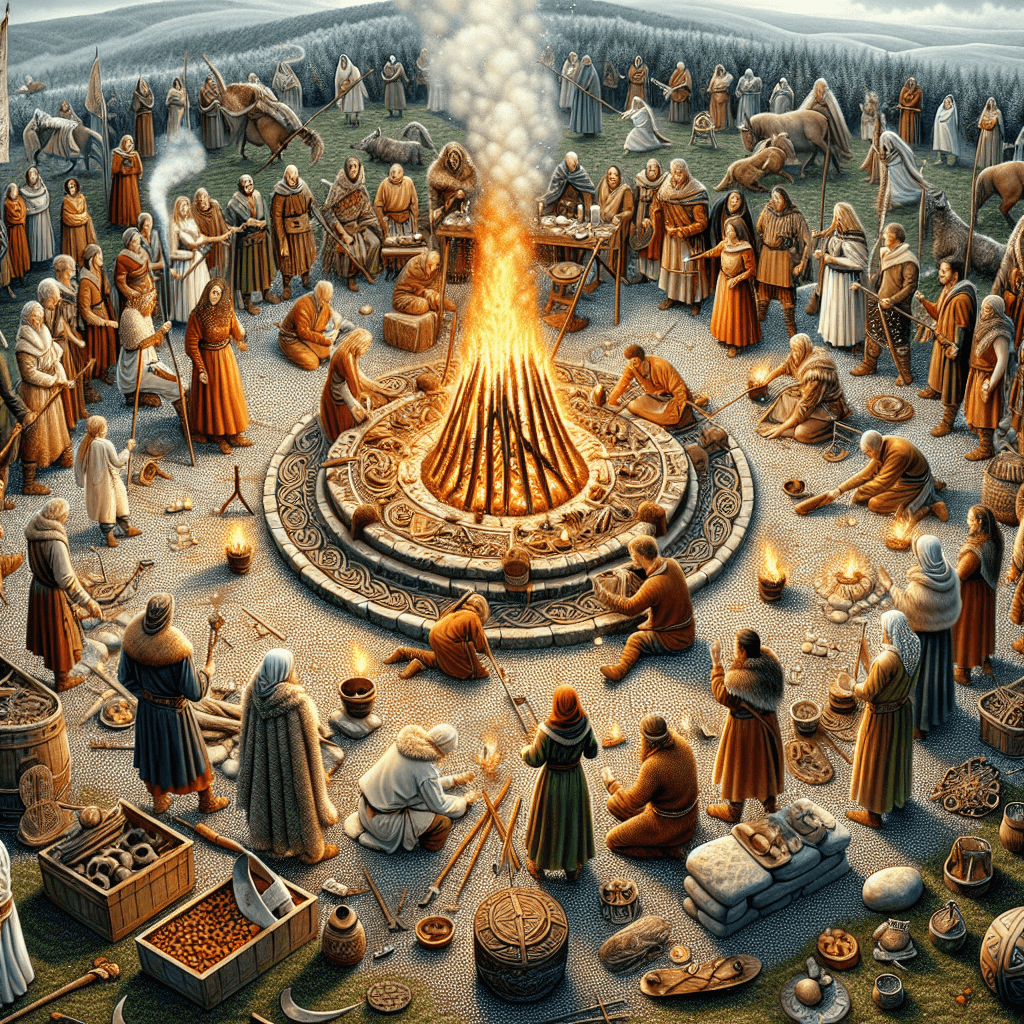


Spatial arrangement follows principles that create spiritual journeys from profane to sacred consciousness through carefully designed transitions. The progression typically moves through torii gates, along pathways called sandō, past purification fountains, and into increasingly sacred zones that may house both Shinto shrines and Buddhist temples or meditation halls. Each transition marks a shift in consciousness, gradually preparing visitors for deeper spiritual engagement. The architecture itself becomes a form of spiritual practice, guiding attention and awareness through physical movement and changing environmental cues. Modern adaptations of these design principles create sacred spaces that work effectively in urban environments while maintaining their essential transformative function.
Material choices reflect shared philosophical concepts like mono no aware, the poignant awareness of transience that appears in both Buddhist and Shinto worldviews. Wood and stone are preferred not only for their natural beauty but because they age gracefully, showing the passage of time in ways that enhance rather than diminish their spiritual power. These materials connect practitioners to natural cycles and processes while providing lasting foundations for spiritual practice. The integration of Buddhist-Shinto ritual fusion practices into physical spaces creates environments where the boundaries between indoor and outdoor, natural and constructed, temporary and eternal become fluid and permeable. These spaces support both communal ceremonies and private spiritual practice, adapting to different needs while maintaining their essential character and function.
Meditation and Prayer Integration
The integration of meditation and prayer in Buddhist-Shinto ritual fusion practices creates holistic spiritual experiences that engage practitioners through multiple complementary approaches to consciousness transformation. Shinto purification rituals naturally prepare the mind and body for deeper Buddhist contemplative practices by clearing energetic obstacles and establishing proper relationship with spiritual forces. The sequential flow from Shinto cleansing through Buddhist meditation creates a complete spiritual cycle that honors both immediate environmental connection and transcendent awareness. This integrated approach often produces more profound results than either practice pursued independently.
Buddhist mindfulness techniques enhance Shinto nature connection by developing the sustained attention necessary for deeper communion with kami spirits and natural forces. Conversely, Shinto emphasis on immediate presence and energetic sensitivity provides grounding that prevents Buddhist meditation from becoming too abstract or disconnected from embodied experience. Practitioners report that this combination helps them maintain both spiritual depth and practical effectiveness in daily life. The integration creates a balanced approach that neither rejects the world nor becomes lost in transcendent abstractions but finds the sacred dimension within immediate experience.
Chanting practices demonstrate particularly elegant integration, with Buddhist mantras and sutras complementing Shinto vocalizations and prayers to kami. The layered soundscapes create altered states of consciousness that facilitate connection with both Buddhist cosmological awareness and Shinto spiritual presence. Group chanting sessions often begin with Shinto invocations of local kami and progress through Buddhist dedications of merit, creating inclusive spiritual experiences that welcome participants from various backgrounds and levels of experience. The vocal practices serve both individual transformation and community building, strengthening both personal spiritual development and collective sacred purpose. Modern practitioners continue developing new forms of integrated chanting that honor traditional elements while expressing contemporary spiritual insights and needs.
Buddhist-Shinto ritual fusion practices offer modern spiritual seekers a time-tested path that honors both transcendent wisdom and immediate natural connection. How might incorporating these ancient yet adaptable practices transform your own spiritual journey and daily life?


