
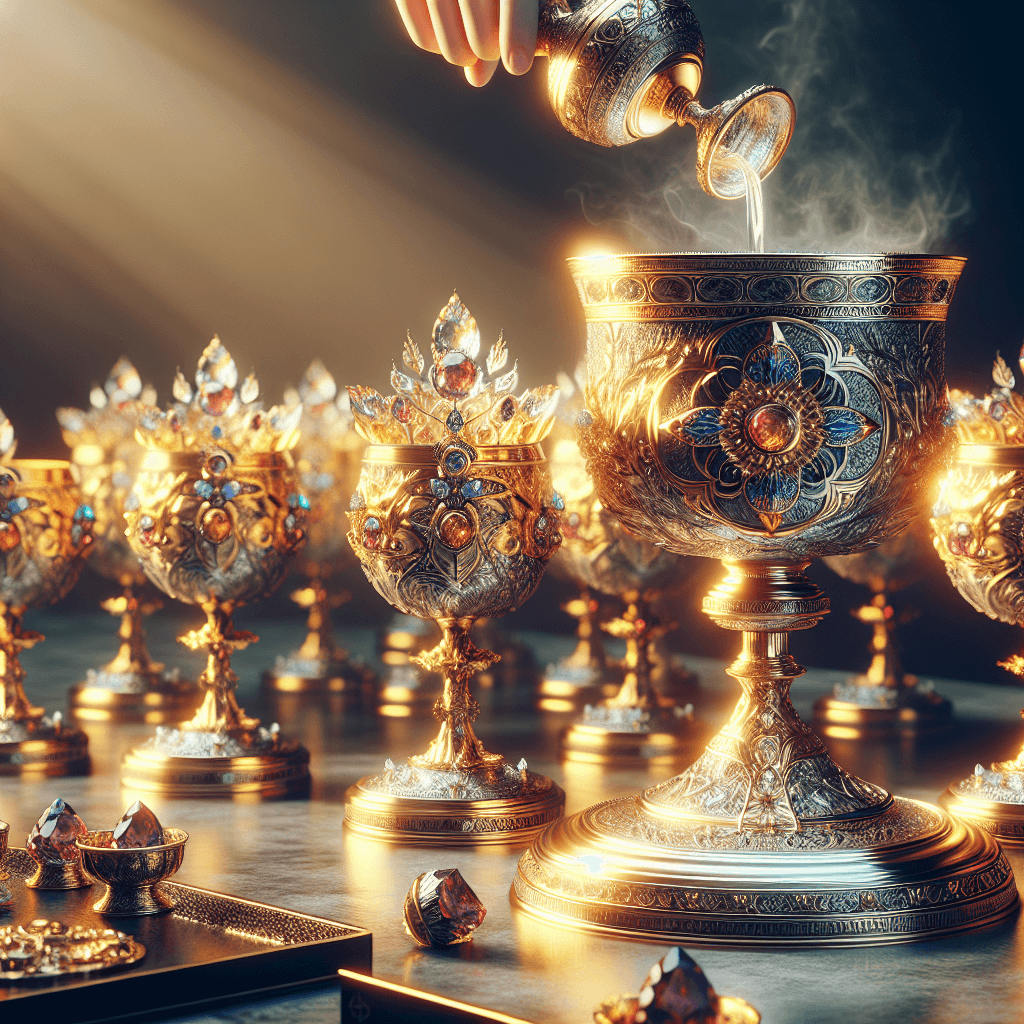
How do you properly bless and consecrate a chalice for communion use?
The process begins with understanding that blessing and consecrating chalices in pagan traditions requires a deep connection to the four elements and divine energies. You start by creating sacred space through circle casting, then purify your vessel using air, fire, water, and earth. The chalice receives dedication to deities like the Goddess and God, allowing their energies to integrate fully into the vessel. This process differs significantly from Christian practices, focusing on natural elements and personal spiritual connection rather than institutional hierarchy. Your chalice becomes a sacred tool for communion with divine forces and elemental powers.
Sacred Chalice Blessing Rituals
Sacred chalice blessing rituals form the foundation of effective vessel consecration in pagan practice. You begin by preparing your sacred space with specific tools and materials that support elemental work. Your altar holds incense for air representation, a white candle for fire energy, salt for earth grounding, and pure water for emotional cleansing. These elements work together during blessing and consecrating chalices to create a balanced energetic environment. You cast your protective circle using an athame or through spoken chant, establishing boundaries between mundane and sacred space. The circle protects your work while amplifying the blessing energies you direct toward your chalice.
The actual blessing begins when you present your chalice to the Goddess and God with specific invocations. You address the Goddess as Keeper of Femininity, requesting she bless your chalice as her sacred cauldron. The God receives recognition as Companion to the Lady, asked to bless your vessel with masculine divine energy. This dual invocation creates harmony between feminine and masculine spiritual forces within your chalice. You kneel with arms raised, speaking directly to both deities about your intentions for the vessel. Your words carry power when spoken with genuine reverence and clear purpose.
The integration phase requires patience and trust in divine timing. You leave your newly blessed chalice on the altar for twenty-four hours, allowing divine energies to settle completely into the vessel. This overnight period enables deep energetic transformation that strengthens your chalice’s sacred properties. Your chalice absorbs ambient temple energies, moon phases, and continued deity presence throughout this waiting period. The process of blessing and consecrating chalices demands this integration time for maximum effectiveness. Your vessel emerges from this period ready for sacred communion and ritual work.
Consecrating Religious Cups Ceremony
Consecrating religious cups ceremony involves systematic steps that build upon each other for complete vessel transformation. You start with thorough physical cleansing, washing your chalice completely to remove all mundane energies and material residues. This physical preparation creates a clean foundation for spiritual work to follow. Your chalice must be completely dry before beginning elemental purification phases. Physical cleansing represents your commitment to treating this vessel as sacred rather than ordinary.
Elemental purification forms the core of your consecrating ceremony. You pass your chalice through incense smoke while speaking the words: By the power of air, be thou purified. The vessel moves over candle flame as you declare: By the power of fire, be thou purified. You sprinkle or fill your chalice with blessed water, stating: By the power of water, be thou purified. Finally, you touch salt, crystal, or earth to your vessel, saying: By the power of earth, be thou purified. Each element removes different types of unwanted energy while adding its own beneficial properties.
The dedication phase requires clear intention and direct communication with divine forces. You hold your chalice firmly while stating your purpose for blessing and consecrating chalices in your practice. Your words might include: I consecrate this chalice as sacred vessel of the Goddess for the highest good of all. This declaration binds your intention to the vessel permanently. You then use your chalice immediately in ritual by filling it with wine or water, blessing the contents, and drinking mindfully. This first use seals the consecration process.
Lunar charging adds extra power to your consecrating ceremony. You fill your newly consecrated chalice with pure water and place it under the full moon overnight. The lunar energy charges both vessel and water with feminine divine power. You pour this moon-charged water as an offering to the Goddess at dawn, completing your ceremonial work. Your chalice now holds permanent sacred status for all future ritual work.
Purifying Holy Vessels Methods
Purifying holy vessels methods in pagan practice center on elemental balance and natural energy work. Air purification uses incense smoke to envelope your entire vessel, removing stagnant or negative energies through aromatic cleansing. The smoke carries away unwanted influences while blessing your chalice with air element properties. You choose incense aligned with your spiritual goals, such as frankincense for divine connection or sage for cleansing. Your chalice receives thorough smoke bathing from all angles during this purification phase.
Fire purification requires careful attention to safety while working with flame energy. You pass your chalice near candle flame to burn away impurities without damaging the physical vessel. Fire element transforms negative energy into neutral or positive force through its purifying action. Your movements stay deliberate and respectful as you work with fire’s transformative power. This phase of blessing and consecrating chalices connects your vessel to solar energy and masculine divine force.
Water purification uses blessed or natural spring water to cleanse emotional and psychic residues from your chalice. You sprinkle blessed water over your vessel or fill it completely for deeper cleansing. Natural spring water carries earth energy combined with water element properties. Your water should be collected mindfully or blessed before use in vessel purification. Rain water collected during storms holds extra cleansing power for chalice purification work.
Earth purification grounds your vessel in material realm stability and abundance energy. You rub salt directly on your chalice surface or touch it to crystals, soil, or stones. Salt draws out negative energy while providing protective qualities to your vessel. Crystals like clear quartz amplify your chalice’s energy while adding their specific properties to your vessel. Your earth element work should connect your chalice to seasonal cycles and natural abundance. Additional methods include rubbing with essential oils like jasmine, rose, or water lily for enhanced blessing properties. You channel personal energy through your hands or athame tip to add your own spiritual signature to the vessel.



Spiritual Chalice Preparation Steps
Spiritual chalice preparation steps follow a logical sequence that builds sacred energy systematically. Physical cleansing comes first because mundane residues interfere with spiritual energy work. You wash your chalice thoroughly with soap and water, removing fingerprints, dust, and manufacturing energies. Your vessel must be completely dry before spiritual work begins. This step shows respect for the sacred transformation your chalice will undergo.
Circle casting and altar setup create the energetic container for your blessing work. You light incense and candles while arranging your elemental tools in balanced positions. Your altar becomes a temple space where blessing and consecrating chalices occurs under divine protection. The cast circle holds sacred energy while keeping unwanted influences away from your work. Your circle stays strong through focused intention and clear visualization of protective boundaries.
Elemental passes connect your chalice to the four sacred directions and their associated powers. Air brings communication, inspiration, and mental clarity to your vessel. Fire adds transformation, passion, and divine spark energy. Water provides emotional healing, intuition, and flowing adaptability. Earth grounds your chalice in material stability and natural abundance. Your elemental work creates complete energetic balance within your sacred vessel.
Divine dedication establishes your chalice’s spiritual purpose and deity connections. You invoke Goddess and God with specific requests for blessing your vessel. Your words carry power when spoken with genuine faith and clear intention. This dedication phase of blessing and consecrating chalices creates permanent spiritual bonds between your vessel and divine forces. The deities you invoke will maintain connection to your chalice throughout its ritual life.
Charging and integration complete your preparation through extended energy exposure. Lunar charging under full moon light adds feminine divine power to your vessel. Your first ritual use seals the consecration by putting your chalice into immediate sacred service. Twenty-four hours of altar rest allows all blessing energies to integrate completely into your vessel. Your chalice emerges from this preparation ready for communion, libation, and sacred sharing in ritual work.
The art of blessing and consecrating chalices transforms ordinary vessels into powerful spiritual tools that serve as bridges between human and divine realms. Your consecrated chalice holds sacred space for communion with deity, elemental connection, and ritual sharing that deepens your spiritual practice. What specific deity relationship will you invite into your chalice as you begin this sacred transformation process?
Related Items:

Lilly Dupres
Owner & AuthorLilly Dupres, a lifelong practitioner of paganism, established Define Pagan to offer a clear definition of paganism and challenge misconceptions surrounding modern pagan lifestyles.


