
Choosing Between Hooded Cloaks and Shawls for Pagan Ritual Use
A cloak and a shawl solve different problems. A cloak covers your whole body and gives you a hood that shades your face. This creates a clear line between everyday life and ritual space. Many practitioners find that line useful. It signals to the mind and body that something different is happening now.
A shawl works differently. It wraps, drapes, and comes off fast. You can pull it tight for warmth, loosen it during movement, or drop it on the altar between steps. If your practice shifts between prayer, tending an altar, and quiet reflection, a shawl moves with you.
If you only own one ritual garment, get the shawl first. It adapts to more situations. Once your wardrobe has a base layer, a hooded cloak adds weight and ceremony to rites where you want that extra sense of enclosure.
Fabric Choices That Matter Most for Ritual Garments
Natural fiber wins over synthetic fabric almost every time. Wool holds heat and stands up to wind, which makes it the right choice for outdoor rites or cold rooms. Linen breathes well and hangs clean, so it suits warm weather and ceremonies where you want a crisp, simple drape. Cotton works for everyday ritual use because it handles washing and general wear without complaint. Velvet adds weight and a sense of depth, which makes it a strong pick for indoor temple work by candlelight.
Thin polyester might look fine in a picture, but it traps heat against your skin and clings when you move. Heavier synthetic blends can work if the cut fits well, but they still won't breathe the way natural cloth does. Over a full ritual, that difference shows up fast.
What Quality Looks Like in the Best Hooded Cloaks and Shawls for Pagan Ritual Use

Quality shows up in details you notice only when you're wearing the garment, not when you're looking at it on a screen. A good cloak has enough weight to fall straight instead of flapping around your legs. The seams hold under movement. The hood stays in place and doesn't slide over your eyes when you look down at a working.
A good shawl has real size to it. Skimpy dimensions leave you cold and fighting with fabric that won't stay put. The edges should lie flat, not curl or fray after a few wears. The fabric should feel good against your skin whether you wear it alone or over layered clothing.
Before you buy, check how the garment behaves when you raise your arms, kneel, or turn quickly. If it twists, rides up, or bunches at the shoulders, it will fight you during the exact moments you need it to stay out of the way.
Sizing and Fit for Hooded Cloaks and Shawls Used in Ritual Work
Size for the layers you actually wear, not for a fitted look. If you wear ritual robes underneath, buy a cloak roomy enough to cover that bulk without pulling tight across your shoulders. A cloak that fits over a t-shirt will feel wrong and restrictive over full ritual dress.
Length matters too. You want enough fabric to cover your body fully without dragging on the ground, especially if your rites involve kneeling, walking around a circle, or working near candles. A hem that drags becomes a fire risk and a tripping hazard.
Color and Symbolism in Ritual Garments
Color carries meaning, but it should never come before function. Black remains popular because it works almost anywhere and disappears into low light. White supports rites built around purification or clarity. Earth tones, deep green, and muted red show up often because they fit naturally into seasonal and devotional work throughout the year.
If a color, symbol, or trim holds real meaning in your tradition, include it with purpose. If it's there only to look mysterious, skip it. The best hooded cloaks and shawls for pagan ritual use earn their place through use, not decoration.
Building a Ritual Wardrobe That Actually Works

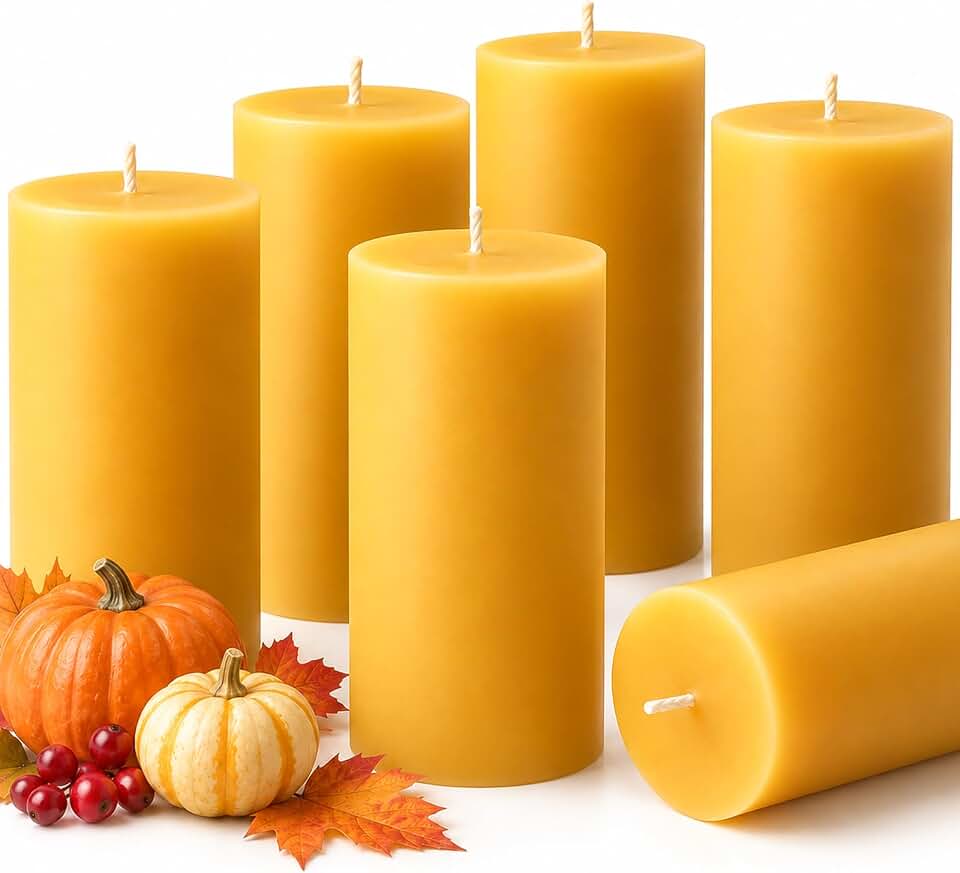
Beeswax Pillar Candles,Non-Toxic 2x4 Inch Yellow Unscented Candles,2 Pack
View Product →Start with the piece you'll wear most. For many practitioners, that means a shawl for flexibility and a hooded cloak for outdoor or formal rites. Buy natural fiber where you can. Check the fit against your full ritual dress, not just a bare frame. Then look at color and symbolism last, once you know the garment will hold up physically.
A cloak or shawl that fits your practice removes one more distraction from your ritual space. When the garment moves with you instead of against you, you stay focused on the work itself instead of adjusting fabric or fighting a hood that won't sit right. That's the whole point of choosing gear built for use, not display.
Explore hooded cloaks, shawls, and other ritual garb built for real practice at the Define Pagan shop.

Lilly Dupres
Owner & AuthorLilly Dupres, a lifelong practitioner of paganism, established Define Pagan to offer a clear definition of paganism and challenge misconceptions surrounding modern pagan lifestyles.