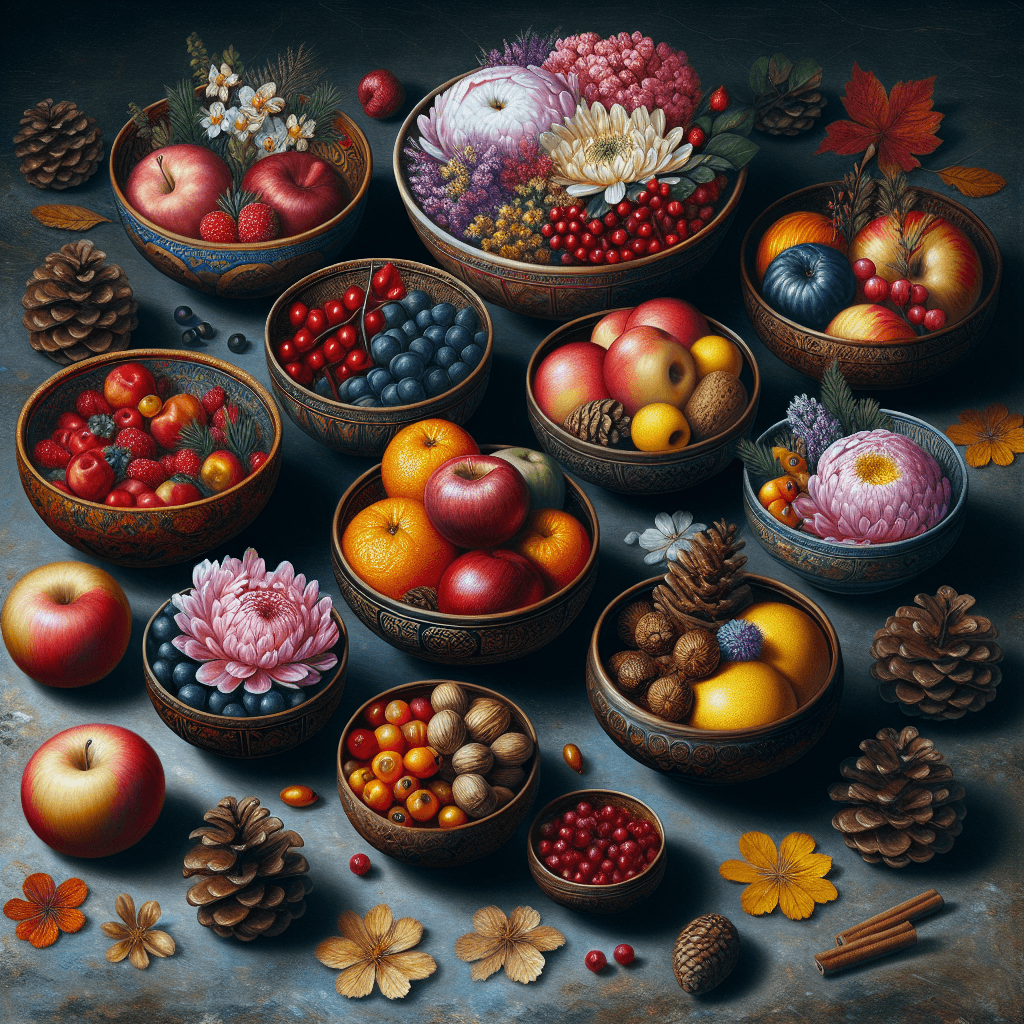
What are the ancient Celtic ritual bowl traditions used in modern pagan ceremonies?
Celtic Ritual Bowl Traditions represent sacred practices spanning thousands of years, connecting ancient spirituality with contemporary pagan worship. These traditions center around vessels that served as conduits between the physical and spiritual realms, embodying transformation, divine connection, and ancestral wisdom. Archaeological evidence reveals that Celtic peoples used bowls, cauldrons, and cups as central ritual objects, depositing them as votive offerings in sacred waters and consecrated spaces. The Dagda’s legendary cauldron exemplifies this tradition, providing endless nourishment to all who approached. Modern practitioners continue these ancient customs by incorporating ritual bowls into seasonal celebrations, altar work, and ceremonial offerings to deities and ancestors.
Ancient Celtic Bowl Origins
The archaeological record provides compelling evidence of sophisticated bowl traditions dating back to the Bronze Age, revealing the deep spiritual significance these vessels held in Celtic culture. The Caergwrle Bowl, discovered in Wales and dating to approximately 1300-1150 B.C., stands as one of the most remarkable examples of ancient Celtic craftsmanship and religious practice. This oval vessel measured 7.2 inches long and 3.1 inches deep, constructed from shale and tin with intricate gold ornamentation covering its surface. The decorative elements tell a story of maritime spirituality, featuring wave patterns, oar symbols, protective eye motifs, and solar imagery that connected sailors to divine protection during ocean voyages. The bowl’s discovery in a boggy field near the River Alun indicates its intentional placement as a votive offering, demonstrating how Celtic peoples viewed water as sacred space worthy of their most precious ritual objects.
Another significant archaeological find, a 3,000-year-old golden bowl from Austria linked to the Urnfield culture, reinforces the widespread nature of ritual bowl traditions across Celtic and related European cultures. This vessel featured a sun disc with eleven rays on its interior and circular motifs on its exterior, with gold bracelets and coiled wires found inside, suggesting its use in solar worship ceremonies. The sophistication of these ancient vessels demonstrates that Celtic artisans possessed advanced metalworking skills and understood the spiritual importance of creating beautiful objects for religious purposes. These bowls served multiple functions within Celtic spiritual practice, acting as containers for offerings, symbols of divine abundance, and focal points for community ritual gatherings.
The careful craftsmanship and valuable materials used in their construction indicate that ritual bowls held significant cultural importance, representing substantial investments of time, skill, and resources. The wide distribution of similar vessels across Celtic territories suggests shared spiritual beliefs and common ritual practices that transcended individual tribal boundaries.
Sacred Vessel Archaeological Evidence
Extensive archaeological evidence reveals that Celtic peoples engaged in systematic votive offering practices, deliberately depositing ritual bowls and sacred objects in water, wetlands, ritual shafts, and wells throughout their territories. The pattern of these deposits indicates organized religious behavior rather than random abandonment, with offerings placed in consistent locations over extended periods. Near the Austrian golden bowl site, archaeologists uncovered approximately 500 bronze objects including daggers, pins, and knives in what was once a swamp, none showing damage that would indicate accidental loss. This evidence points to intentional ritual deposition, where Celtic communities threw valuable objects into sacred waters as offerings to their deities.
The practice appears to have followed seasonal patterns or responded to specific events requiring divine intervention, such as ensuring safe travels, successful harvests, or protection from enemies. Celtic sacred spaces demonstrate that offerings were made throughout both natural and domestic landscapes, creating a network of ritual sites that connected communities to their spiritual beliefs. The consistency of these deposits across different Celtic regions suggests shared religious practices and common understanding of how to properly approach the divine realm. Water held particular significance in Celtic spirituality, viewed as a boundary between the mortal world and the realm of gods and ancestors.
The placement of ritual bowls in aquatic environments reinforced this connection, allowing practitioners to send their prayers and offerings directly to supernatural beings. Archaeological excavations continue to uncover evidence of these practices, with new discoveries adding to our understanding of Celtic religious behavior and the central role that ritual vessels played in their spiritual lives. The preservation of these objects in waterlogged environments has provided researchers with detailed information about ancient craftsmanship techniques, decorative styles, and the materials considered appropriate for sacred use. Modern archaeologists interpret these finds as evidence of complex religious systems that valued material beauty, skilled craftsmanship, and regular communication with divine forces through carefully orchestrated ritual activities.
Traditional Craftmaking Bowl Methods
Ancient Celtic artisans employed sophisticated techniques and carefully selected materials to create ritual bowls that met both aesthetic and spiritual requirements for sacred use. The construction of the Caergwrle Bowl demonstrates the international scope of Celtic craftsmanship, combining shale and tin from southwest England with gold from Ireland or Wales. Craftspeople shaped these precious metals with remarkable precision, creating vessels that displayed intricate decorative elements while maintaining structural integrity for ritual use. The gold-foil covering technique required advanced metalworking skills, as artisans hammered thin sheets of gold over tin decorations to create lasting ornamentation.
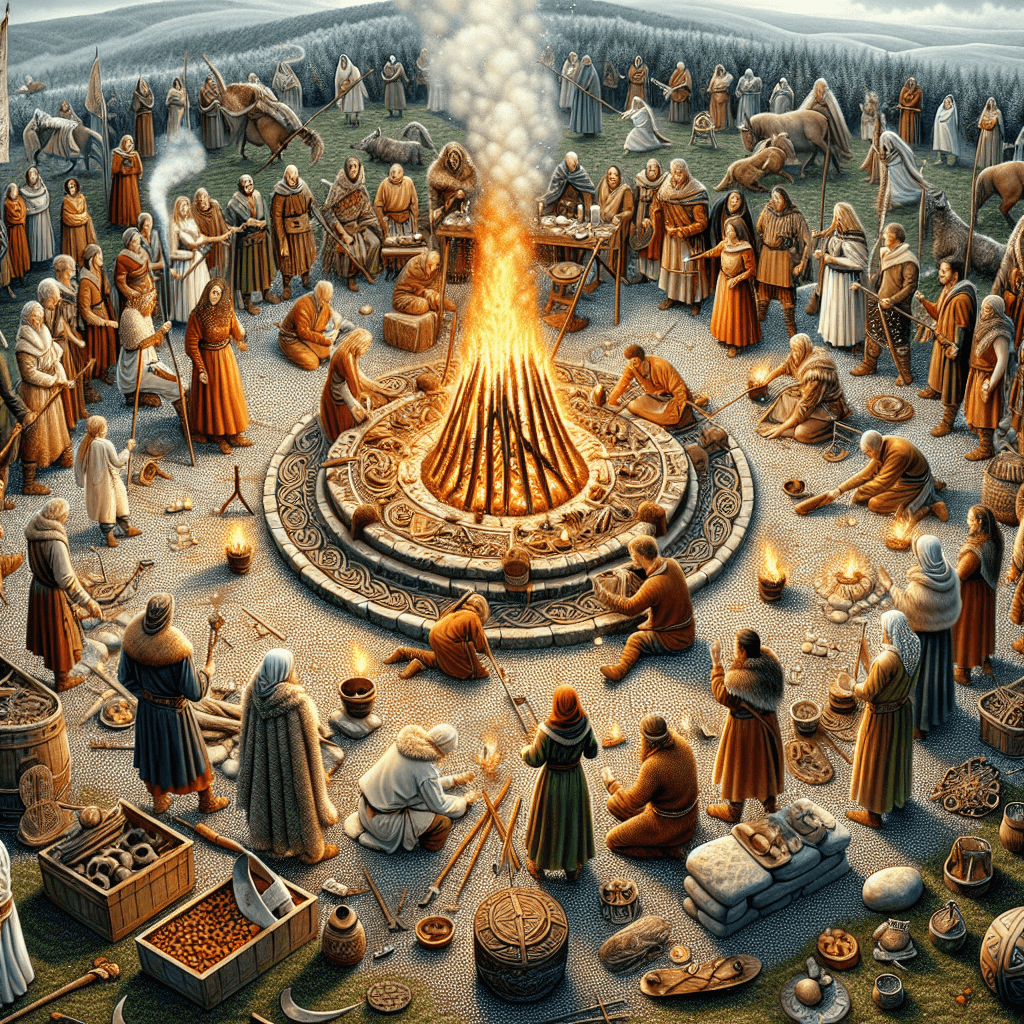
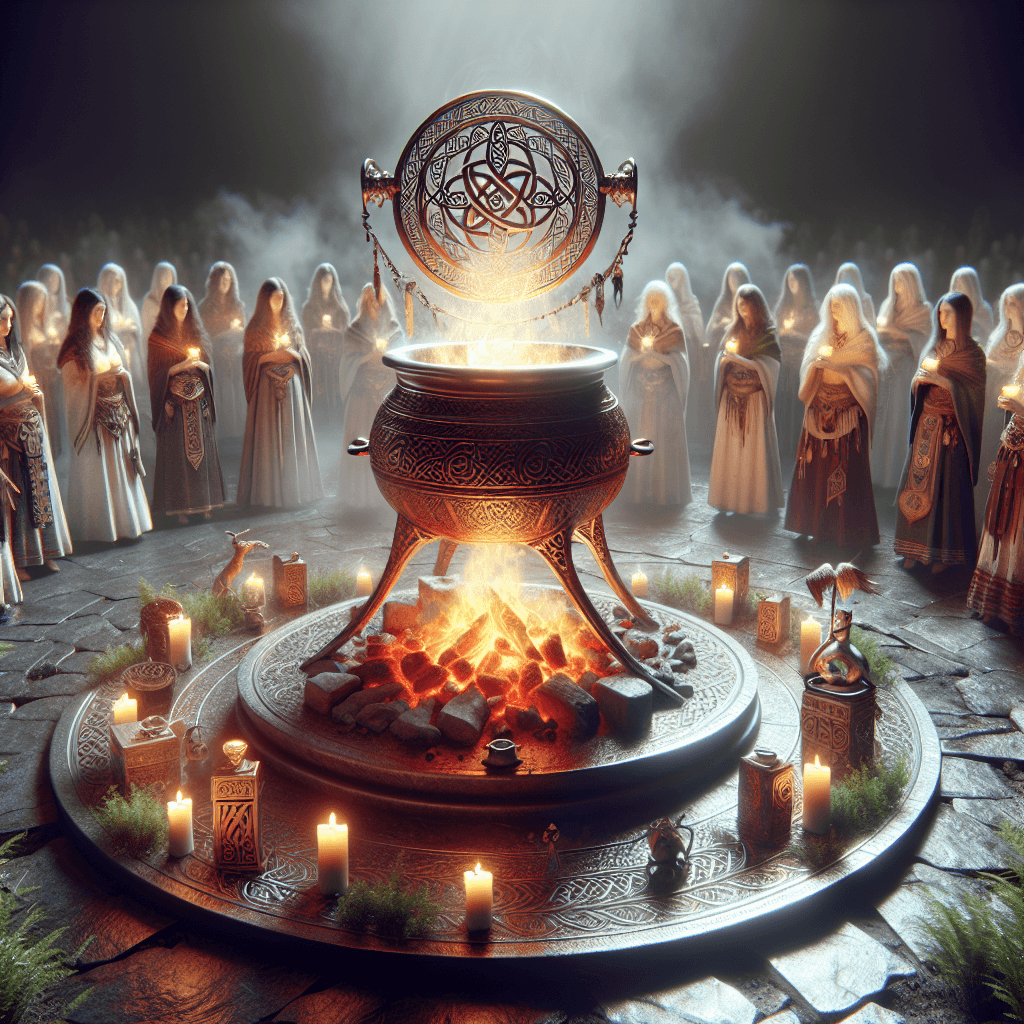

Decorative motifs carried specific symbolic meanings, with zig-zag patterns representing waves, triangular shapes symbolizing oars, eye symbols providing protection, and circular designs connecting to solar worship or shield imagery. The Austrian golden bowl showcased different but equally sophisticated techniques, fashioned entirely from gold sheet metal and featuring a sun disc with eleven rays surrounded by circular motifs of dots and circles. Celtic craftspeople understood that ritual vessels required both functional design and spiritual symbolism, creating objects that served practical purposes while embodying religious concepts.
The choice of materials reflected both availability and symbolic significance, with gold representing solar energy and divine power, bronze connecting to strength and durability, and silver linking to lunar cycles and feminine energy. Manufacturing processes followed traditional methods passed down through generations of skilled artisans who understood the spiritual requirements for sacred objects. Quality control involved not only technical excellence but also adherence to religious standards that determined which materials and techniques were appropriate for ritual use. The decoration of ritual bowls required specialized knowledge of Celtic symbolic systems, ensuring that each design element contributed to the vessel’s spiritual effectiveness. Regional variations in style and technique reflect local traditions while maintaining common elements that identified these objects as ritual vessels suitable for religious ceremonies. The investment of time, skill, and valuable materials in creating these bowls demonstrates the high regard Celtic peoples held for proper ritual equipment and their willingness to dedicate significant resources to spiritual practices.
Modern Celtic Ritual Practices
Contemporary Druid and pagan practitioners have adapted ancient Celtic bowl traditions to modern spiritual practice while maintaining the essential symbolic and functional elements that made these vessels sacred to their ancestors. Modern practitioners use ritual bowls as containers for water, wine, herbs, or other offerings during ceremonies honoring Celtic deities, seasonal festivals, and ancestor veneration rituals. These vessels serve as focal points for meditation, energy work, and spellcrafting, connecting contemporary pagans to the ancient wisdom embedded in Celtic spiritual traditions. Some practitioners maintain dedicated ritual bowls used exclusively for ceremonial purposes, while others integrate everyday vessels into their spiritual work, recognizing that sacred intention transforms ordinary objects into powerful ritual tools.
The flexibility of modern practice allows individuals to adapt ancient traditions to contemporary circumstances while preserving the core spiritual principles that made Celtic bowl traditions meaningful. Modern altar setups frequently feature bowls as central elements, holding representations of the water element or serving as offering vessels for fruits, flowers, grains, or other gifts to deities and spirits. Seasonal celebrations incorporate bowl traditions through practices such as wassailing, where communities share drinks from ceremonial vessels to ensure prosperity and protection. Group rituals often involve passing bowls among participants, creating bonds of community and shared spiritual experience that echo ancient Celtic gathering practices.
Contemporary practitioners draw inspiration from archaeological discoveries, studying ancient examples to inform their understanding of traditional uses, appropriate materials, and symbolic decorations. The modern revival of Celtic spirituality has sparked renewed interest in traditional crafts, with artisans creating handmade ritual bowls using methods inspired by archaeological finds. Educational workshops and online communities share knowledge about historical bowl traditions, helping practitioners develop authentic approaches to incorporating these ancient practices into modern spiritual life. Environmental consciousness influences contemporary practice, with many pagans preferring natural materials and sustainable crafting methods that honor both ancient traditions and modern ecological awareness. The enduring appeal of Celtic ritual bowl traditions reflects their fundamental connection to human needs for beauty, meaning, and spiritual connection that transcends historical periods and cultural changes.
Celtic Ritual Bowl Traditions continue to inspire modern practitioners seeking authentic connections to ancient wisdom and spiritual practice. Will you explore these time-honored traditions and discover how ritual bowls might enhance your own spiritual journey?
Related Items:

Lilly Dupres
Owner & AuthorLilly Dupres, a lifelong practitioner of paganism, established Define Pagan to offer a clear definition of paganism and challenge misconceptions surrounding modern pagan lifestyles.