What are the most powerful Celtic cauldron rituals for spiritual transformation and healing?
These ancient practices center on three primary approaches that modern pagans find deeply transformative. Celtic cauldrons symbolize abundance, transformation, rebirth, and the cycles of life and death in ancient lore, serving as tools in rituals for healing, inspiration, and spiritual growth that adapt well to modern pagan practice.
The most potent rituals draw from mythic cauldrons like the Dagda’s inexhaustible abundance and Cerridwen’s inspiration cauldron that boiled for a year and a day to produce three blessed drops. These emphasize internal Three Cauldrons practices for profound change. The Filling of the Three Cauldrons involves visualizing iron or stone vessels in your belly for warming and physical health, chest for motion and emotions, and head for wisdom and inspiration. You channel light or starlight from the heavens to ignite flames within each cauldron through meditation and Two Powers attunement connecting fire and sun with water and earth. This creates wholeness, poetic power, and divine connection through Imbas inspiration flow.
The Cauldron of Poesy Activation requires simmering ingredients as offerings for life, death, and rebirth cycles. Modern pagans boil herbal brews, essences, or healing salves in physical cauldrons over fire for manifestation work, self-care rituals, healing spells, prosperity magic, and love workings. This process transforms your intent into reality through the alchemical marriage of fire, water, and intention. The Rebirth Immersion ritual echoes ancient practices where warriors or kings were submerged in boiling cauldrons after sacrifice for regeneration. Today this appears in scrying practices reading portents in sacred waters, preparing ancestor-feeding broths at Samhain, or performing anointing rituals that bridge mundane and magical realms. These Celtic cauldron sacred rituals foster spiritual transformation through inner alchemy and healing through physical and emotional restoration, sustained by upright cauldrons overflowing with primordial energy.
Ancient Celtic Cauldron Ceremonies
The ceremonial use of cauldrons in ancient Celtic culture extended far beyond simple cooking vessels into the realm of divine sovereignty and sacred kingship. In Irish mythology, the Tuatha Dé Danann brought four sacred treasures to Ireland, including the Dagda’s inexhaustible cauldron, which became central to the Rites of Tara where potential kings underwent tests of divine sanction. These elaborate ceremonies involved slaughtering cattle, sheep, goats, and swine, then boiling them in massive cauldrons that stood five fists deep and held enormous quantities of milk, meal, and fat alongside the sacrificial meats. The claimant to kingship would be immersed in these boiling vessels as part of regeneration rites that tested their worthiness to rule and connected them to the divine powers of sovereignty.
The Gundestrup Cauldron, discovered in Denmark but clearly Celtic in origin, depicts intricate panels showing gods, ritual sacrifices including drowning ceremonies dedicated to Teutates, and elaborate feasts where participants used flesh hooks to extract meat from ceremonial vessels. These images emphasize the cauldron’s role in abundance rituals and fertility ceremonies that ensured the prosperity of the tribe and the land itself. Archaeological evidence from sites across Celtic territories reveals large ceremonial cauldrons capable of feeding entire communities during religious festivals, suggesting that these vessels served as focal points for communal spiritual experiences that reinforced social bonds and religious beliefs.
The mythological significance of these ceremonies extends to stories of resurrection and rebirth, where warriors killed in battle could be restored to life through immersion in magical cauldrons, though they would return without the power of speech. This symbolism of transformation through the cauldron’s depths represents the cyclical nature of existence that Celtic spirituality embraced, where death and rebirth formed continuous patterns reflected in seasonal changes, agricultural cycles, and human spiritual development. Modern practitioners of Celtic cauldron sacred rituals draw upon these ancient ceremonial frameworks to create contemporary rites of passage, healing ceremonies, and community gatherings that honor the transformative power these vessels represented to our ancestors while adapting their symbolism to address current spiritual needs and personal growth objectives.
Traditional Ritual Cauldron Practices
Celtic witches and druids employed cauldrons as essential tools for brewing potions, tinctures, and herbal remedies that served both medicinal and magical purposes within their communities. These practitioners understood that the cauldron’s round shape symbolized the womb of the Great Goddess, making it a perfect vessel for transformation and creation magic. During Samhain celebrations, entire communities would gather around massive cauldrons filled with broths and stews specifically prepared to feed the spirits of ancestors and wandering souls, creating a bridge between the world of the living and the realm of the dead. The bubbling intensity of water over fire held divinatory significance, with skilled practitioners reading omens and receiving poetic inspiration based on the patterns and sounds of boiling liquid.
The cauldron served multiple functions within traditional Celtic magical practice, acting simultaneously as a cooking vessel, scrying bowl, offering receptacle, and focal point for group rituals. Practitioners would carefully select ingredients based on their magical correspondences, timing the addition of each component to align with specific lunar phases, planetary influences, or seasonal energies. Herbs gathered at dawn, spring water collected from sacred wells, and other natural materials were combined with precise intention and ritual protocol to create medicines that addressed not only physical ailments but also spiritual imbalances and emotional disturbances.
Seasonal celebrations incorporated cauldron rituals that honored the agricultural cycle and ensured continued prosperity for the community. At Beltane, practitioners filled cauldrons with flowers, milk, and honey to celebrate fertility and new growth, while Lughnasadh ceremonies featured grain-based preparations that honored the first harvest and the sacrifice of the grain god. Samhain rituals transformed the cauldron into a vessel for ancestor communication, filled with foods that the deceased had enjoyed in life and left to simmer throughout the night as an offering that strengthened the connection between past and present generations.
Modern druids and Celtic practitioners continue these traditional approaches by using kitchen pots or specially consecrated black cauldrons for scrying work, burning herbal offerings, or holding sacred waters collected from natural sources. They understand that the physical cauldron serves as a tangible representation of the spiritual transformation taking place within their own inner cauldrons, creating a powerful synergy between outer ritual action and inner alchemical change. These Celtic cauldron sacred rituals maintain the essential elements of transformation, abundance, and rebirth that characterized ancient practices while addressing contemporary spiritual needs and personal development goals through time-tested magical techniques.
Sacred Celtic Fire Rituals
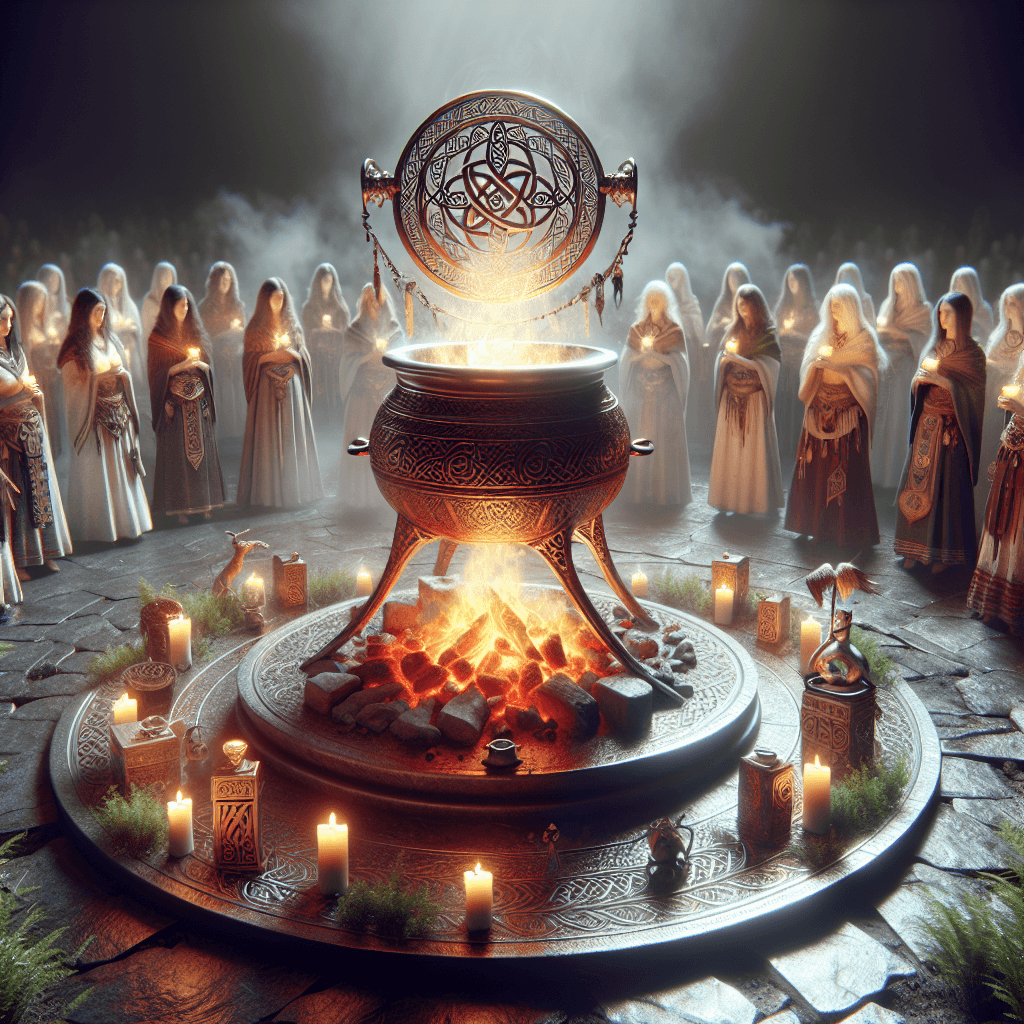
Fire serves as the animating force that transforms the cauldron from a simple vessel into a sacred portal connecting earthly and divine realms. Traditional Celtic fire rituals involved suspending cauldrons over flames using iron chains, creating a dynamic relationship between the consuming power of fire below and the transformative potential of water above. Practitioners would kindle flames within their internal Three Cauldrons by intoning sacred words like Goriath for the Cauldron of Warming while channeling the Two Powers of fire and water to create heightened awareness of physical health and spiritual vitality. This process required deep understanding of breath work, visualization techniques, and energy circulation methods that ancient Celtic spiritual practitioners developed through years of dedicated training and practice.
Brigid rituals demonstrate the sophisticated relationship between fire and cauldron work in Celtic tradition, incorporating the kindling of three sacred flames that represent different aspects of the goddess’s creative power. Practitioners drop hazelnuts into sacred wells to draw up waters that fill ritual cauldrons, then ignite heavenly fire channeled from starlight to inspire poetic vision and strengthen their connection to grove spirits and land energies. These ceremonies often extend throughout entire nights, with participants taking turns maintaining the fires and monitoring the cauldron contents as they slowly transform through sustained heat application and ritual attention.
The legendary cauldron of Cerridwen required fire maintenance for exactly one year and one day to produce the three drops of divine inspiration that would grant ultimate wisdom to whoever consumed them. This mythic narrative provides modern practitioners with a framework for understanding how sustained spiritual practice, represented by the constant tending of fire beneath the cauldron, gradually transforms raw spiritual materials into refined wisdom and magical ability. Contemporary Celtic fire rituals incorporate this understanding by creating ongoing practices that develop over extended periods rather than seeking immediate results through single ceremonial events.


Fire rituals also incorporate purification aspects where practitioners burn offerings in cauldrons or use flames to cleanse ritual tools and sacred spaces before beginning transformation work. The smoke rising from burning herbs, resins, or other sacred materials carries prayers and intentions to spiritual realms while the remaining ashes provide powerful magical ingredients for future workings. These Celtic cauldron sacred rituals emphasize the essential role of fire in spiritual transformation, teaching practitioners to work respectfully with this elemental force while maintaining safety protocols and environmental awareness that honor both ancient wisdom and contemporary responsibility.
Mystical Cauldron Blessing Rites
Blessing rites transform ordinary cauldrons into powerful manifestation vessels that bridge spiritual intention with physical reality through systematic consecration and activation ceremonies. Modern Celtic shamanism approaches cauldron blessing through the creation of sacred medicines including incense blends, spell bottles, medicine pouches, and ceremonial meals enhanced with crystals and plants specifically chosen for their ability to generate joy, love, and abundance. These blessing ceremonies typically involve sunwise processions around a sacred center or nemeton, which might include a bile tree, stone altar, or other focal point that anchors spiritual energy within the ritual space and connects practitioners to ancestral wisdom and land spirits.
Druidic blessing rites focus on cleansing and filling the Three Cauldrons to create Imbas overflow, a state of divine inspiration that enables practitioners to access mythic consciousness and undertake vision quests that provide guidance for personal and community decisions. These ceremonies begin with extensive purification work involving fasting, meditation, and energy clearing practices that prepare the practitioner to receive and contain heightened spiritual energies without becoming overwhelmed or ungrounded. The blessing process involves invoking elemental powers, ancestral spirits, and divine archetypes while systematically filling each internal cauldron with specific types of spiritual energy that correspond to physical health, emotional balance, and mental clarity.
Community blessing rites expand individual practice into group ceremonies where multiple practitioners contribute their energy and intention to consecrate cauldrons for shared magical work and seasonal celebrations. These gatherings often incorporate storytelling, music, dance, and feast preparation that weaves together diverse skills and perspectives while maintaining focus on the central cauldron as a unifying symbol of collective spiritual purpose. Participants bring offerings of herbs, stones, metals, or other natural materials that will be blessed and charged during the ceremony, then distributed among community members for ongoing magical work and protection.
The integration of blessing rites with ongoing spiritual practice ensures that cauldron work remains connected to daily life rather than isolated in special ceremonial contexts. Practitioners learn to recognize opportunities for small blessing rituals throughout their regular routines, transforming cooking, cleaning, gardening, and other ordinary activities into opportunities for spiritual connection and magical development. These Celtic cauldron sacred rituals provide frameworks for continuous spiritual growth that honor ancient traditions while addressing contemporary needs for meaning, community, and personal transformation through practical magical techniques that anyone committed to the path may learn and apply.
Which specific Celtic cauldron ritual will you explore first to begin your own journey into these ancient practices of transformation and healing?
Related Items:

Lilly Dupres
Owner & AuthorLilly Dupres, a lifelong practitioner of paganism, established Define Pagan to offer a clear definition of paganism and challenge misconceptions surrounding modern pagan lifestyles.