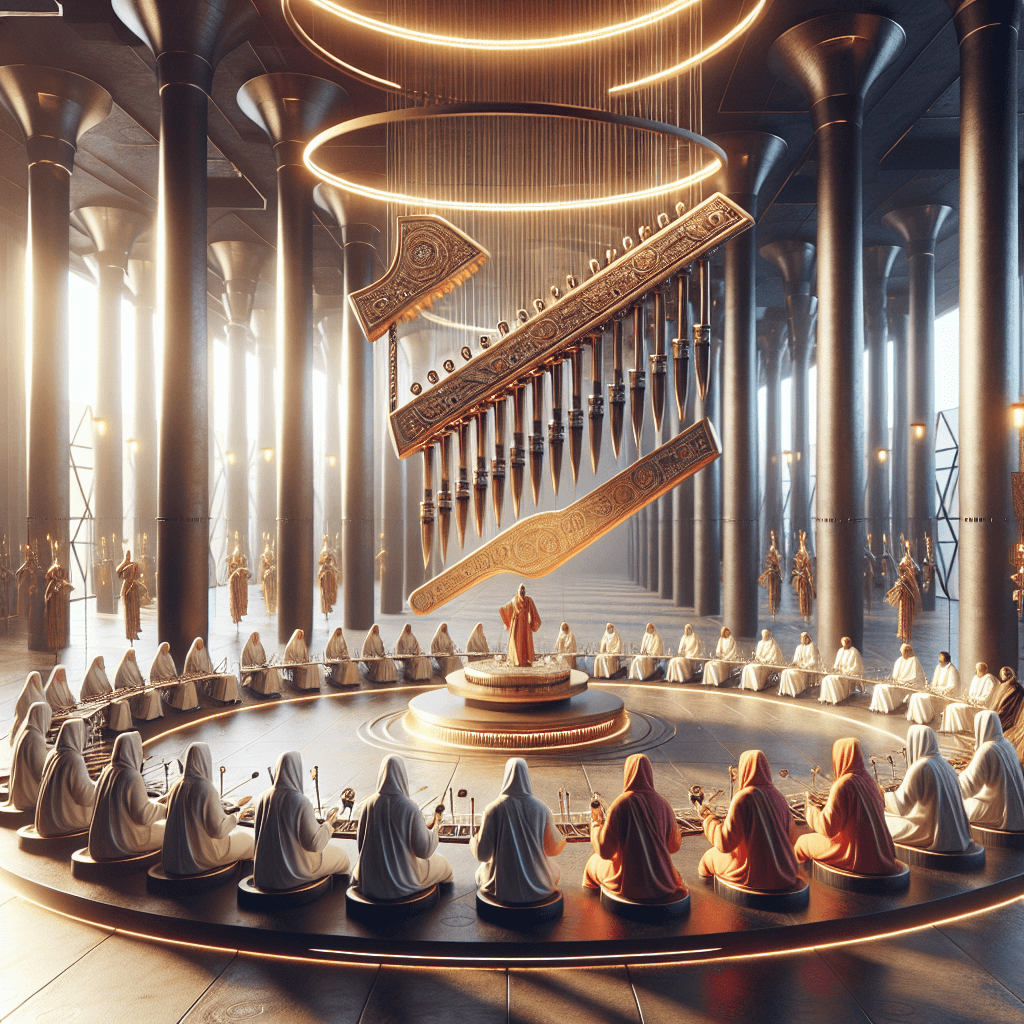
How are Celtic bells used in modern pagan ritual ceremonies and spiritual practices?
Celtic Bell Ritual Practices serve multiple sacred functions in contemporary spirituality, from marking ritual transitions to cleansing spaces of negative energy. Modern practitioners incorporate bells into circle casting, seasonal celebrations, and purification ceremonies, drawing from both historical Irish traditions and broader pagan symbolism. The sound vibrations create sacred boundaries, invite protective spirits, and shift consciousness from mundane to spiritual awareness. Practitioners ring bells to call upon elemental forces, particularly air and water spirits, while the reverberations help banish unwanted energies or entities from ritual spaces. Wedding ceremonies often feature Celtic bells as symbols of unity and harmony, echoing ancient Irish customs where couples received blessed bells to resolve conflicts in their marriages. The practice extends to house blessings, seasonal festivals, and personal meditation, where bell tones create acoustic bridges between physical and spiritual realms. These modern applications blend archaeological evidence with reconstructed traditions, creating meaningful spiritual practices that honor Celtic heritage while meeting contemporary pagan needs.
Ancient Celtic Bell Origins
The historical record of Celtic bell usage presents fascinating glimpses into pre-Christian and early medieval traditions, though archaeological evidence remains somewhat limited compared to other Celtic artifacts. Irish wedding customs provide the clearest examples of traditional Celtic bell practices, particularly through Claddagh bells that featured the iconic symbols of hands representing loyalty, heart symbolizing love, and crown denoting friendship. These ornate bells served practical spiritual purposes in married life, as couples would ring them during disputes to restore harmony and invite peaceful resolution into their relationship. The practice reflects deeper Celtic understanding of sound as a spiritual tool, where vibrations could literally reshape emotional and energetic atmospheres within households.
Folklore traditions throughout Celtic lands describe bells as protective devices that warned communities of approaching danger, supernatural threats, or natural disasters, suggesting their integration into communal safety and spiritual defense systems. Archaeological finds from monastic sites reveal bronze and iron bells used in early Christian Celtic communities, though these likely adapted pre-existing pagan bell traditions rather than introducing entirely new practices. The symbolic connections between bells and Celtic concepts of eternity appear in decorative motifs featuring endless knots, triskeles, and spiral patterns that adorned ceremonial bells. These eternal symbols suggest that bells amplified important community rituals, particularly seasonal celebrations like Beltane where sacred fires were extinguished and relit to mark agricultural and spiritual cycles. Regional variations existed across Celtic territories, with Irish, Welsh, and Scottish communities developing distinct bell blessing traditions that reflected local spiritual practices and cultural values.
Modern Celtic Bell Ceremonies
Contemporary Celtic paganism has embraced bell ceremonies as essential components of ritual practice, adapting historical traditions to meet modern spiritual needs and creating new applications that honor ancient wisdom. Circle casting represents one of the most widespread modern uses, where practitioners ring bells at cardinal directions to establish sacred space, invite elemental guardians, and create acoustic boundaries that separate ordinary time from ritual time. The transition from mundane to sacred consciousness becomes marked by specific bell tones, with many practitioners developing personal associations between different bell sounds and various spiritual states or intentions.
Seasonal celebrations incorporate bells extensively, particularly during Imbolc when practitioners combine bell ringing with house cleansing rituals that involve sweeping, burning purification herbs, and sprinkling blessed salt water throughout living spaces. Wedding ceremonies have experienced renewed interest in Celtic bell traditions, with couples exchanging bells instead of rings, ringing unity bells during handfasting ceremonies, and incorporating ancestral bells that have been passed down through families or spiritual lineages. Faerie magic practices often feature small, high-pitched bells that practitioners believe attract beneficial nature spirits while deterring harmful entities, reflecting ancient Celtic beliefs about the otherworld and its inhabitants.
Group rituals use bells to coordinate collective energy raising, with synchronized ringing creating harmonic resonances that participants report enhance their connection to Celtic deities, ancestors, and land spirits. Modern practitioners have also developed bell meditation techniques that combine Celtic symbolism with mindfulness practices, using repetitive bell tones to induce trance states for divination, spirit communication, and personal healing work. Urban practitioners adapt traditional Celtic bell ceremonies for apartment living and public spaces, using smaller bells and modified techniques that respect both ancient practices and contemporary social constraints.
Celtic Bell Spiritual Meanings
The spiritual significance of bells in Celtic tradition encompasses multiple layers of meaning that connect practitioners to divine forces, natural cycles, and ancestral wisdom through the medium of sacred sound vibrations. Celtic cosmology recognizes sound as a fundamental creative force that bridges the three realms of land, sea, and sky, making bells powerful tools for accessing wisdom and protection from all levels of existence. The triskele symbol, representing birth-death-rebirth cycles and the triple nature of Celtic deities, finds expression in bell ceremonies through three-strike patterns that honor past, present, and future or maiden, mother, and crone aspects of the divine feminine.
Tree of life symbolism connects bells to the Celtic understanding of interconnected realms, where sound travels through roots, trunk, and branches to carry messages between the underworld, middle world, and celestial sphere. Protective interwoven patterns that traditionally decorated Celtic bells serve spiritual as well as artistic functions, as practitioners believe these complex designs confuse negative energies and prevent harmful forces from following bell sounds back to their source. The concept of divine invitation appears central to Celtic bell spirituality, where specific tones and rhythms attract beneficial spirits, Celtic deities, and ancestral guidance while creating welcoming acoustic environments for spiritual communication.
Infinity motifs carved into traditional Celtic bells reflect beliefs about eternal cycles, continuous spiritual growth, and the timeless nature of divine consciousness that practitioners access through bell meditation and ritual work. Elemental associations link different bell tones and materials to earth, air, fire, and water energies, allowing practitioners to call specific elemental forces or balance elemental influences within their spiritual practice. Modern Celtic practitioners often develop personal relationships with their ritual bells, believing these instruments become spiritually charged through repeated use and develop individual personalities that enhance their effectiveness in ceremony and magic.
Celtic Bell Cleansing Techniques
Effective Celtic bell cleansing requires understanding both the acoustic properties of different bell types and the spiritual principles that govern energy transformation within Celtic magical tradition. The four-ring technique represents the most fundamental Celtic bell cleansing method, where practitioners ring bells four times in each room while maintaining open windows and doors to allow stagnant energies to escape and fresh spiritual currents to enter the space. Room progression typically follows a clockwise pattern that honors the Celtic understanding of deosil movement for banishing negativity, with practitioners starting at the easternmost room and moving through the space in harmony with solar energy flow.
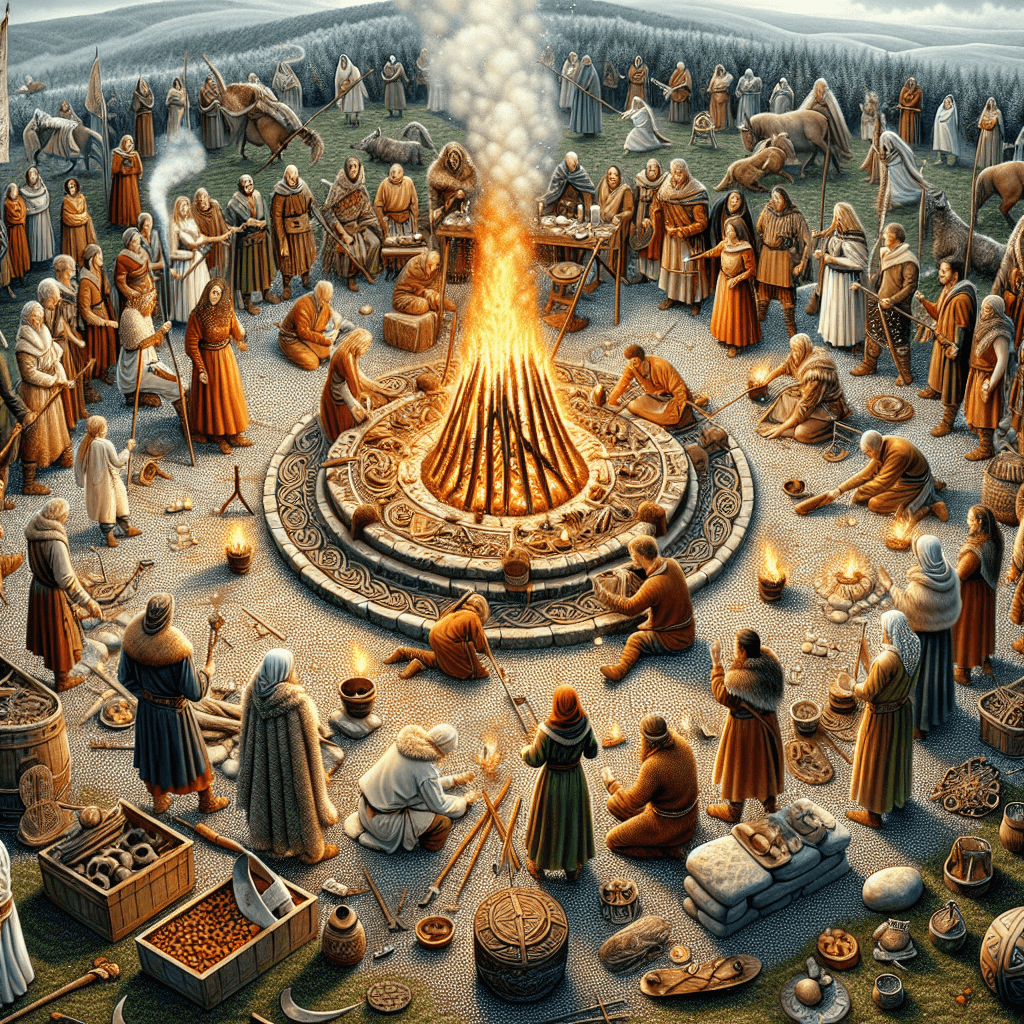


Bell selection affects cleansing outcomes, as high-pitched bells work better for dispersing subtle negative energies and calling protective spirits, while larger, deeper-toned bells provide more forceful banishing power for serious spiritual disturbances or stubborn energetic blockages. Combining bells with other Celtic purification tools enhances cleansing effectiveness, particularly when practitioners use blessed salt water sprinkled during bell ringing, followed by besom sweeping to physically remove energetic residue from floors and corners. Irish saining practices offer smoke-free alternatives to smudging that incorporate bells with native Irish plants like rowan, juniper, or birch burned over charcoal while bells ring to carry purification smoke throughout the space.
Tingsha bells provide precise vibrational adjustments for practitioners who need subtle energy clearing in shared spaces like offices or apartments where traditional Celtic cleansing methods might prove impractical or culturally inappropriate. Timing considerations include lunar phases, with waxing moons supporting protective bell cleansing and waning moons enhancing banishing work, plus seasonal alignments where Celtic cross-quarter days offer particularly powerful opportunities for comprehensive space clearing. Office and public space adaptations allow modern practitioners to maintain Celtic cleansing traditions through silent bell visualization, pocket-sized bells rung discretely, or recorded bell sounds played through headphones while mentally directing cleansing energy throughout the environment.
Sacred Bell Ceremonies
Traditional Bell Blessing Rituals
Celtic bell blessing rituals create sacred relationships between practitioners and their ceremonial instruments while establishing the spiritual authority necessary for effective ritual work and magical practice. Preparation begins with ritual purification of both bell and practitioner through hand washing with blessed water, followed by meditation or prayer that establishes clear intentions for the bell’s future spiritual service and magical applications. Opening invocations call upon Celtic deities, ancestral spirits, or elemental guardians to witness the blessing ceremony and infuse the bell with divine energy that will enhance its effectiveness in future ritual work.
Salt water consecration involves sprinkling the bell with water blessed by moonlight or gathered from sacred wells, springs, or Celtic holy sites, while practitioners speak blessings that dedicate the instrument to positive spiritual purposes and protection of sacred space. Besom sweeping follows the water blessing, with practitioners using traditional birch brooms to sweep around the bell in deosil circles that remove any lingering negative influences and prepare the acoustic environment for divine blessing energy. Invitational ringing tests the bell’s spiritual readiness by calling beneficial spirits, nature devas, or Celtic deities to examine the instrument and add their blessings to its spiritual charge and magical potency.
Fire blessing completes the elemental consecration as practitioners pass the bell through incense smoke or hold it near candle flames while visualizing divine light filling the metal and awakening its spiritual consciousness. Claddagh bell ceremonies honor Irish marriage traditions through special blessings that invoke loyalty, love, and friendship energies into wedding bells, creating powerful talismans for marital harmony and conflict resolution. Storage and care instructions conclude blessing rituals, as practitioners learn proper methods for maintaining their bell’s spiritual charge through regular cleansing, respectful handling, and periodic re-blessing during Celtic seasonal celebrations.
Your journey into Celtic Bell Ritual Practices opens doorways to ancient wisdom that continues resonating through modern spiritual practice. Will you answer the call of these sacred sounds and discover how Celtic bells might transform your own spiritual path?
Related Items:

Lilly Dupres
Owner & AuthorLilly Dupres, a lifelong practitioner of paganism, established Define Pagan to offer a clear definition of paganism and challenge misconceptions surrounding modern pagan lifestyles.