How do you perform traditional cauldron brewing rituals for beginners at home?
Getting Started with Cauldron Ritual Brewing
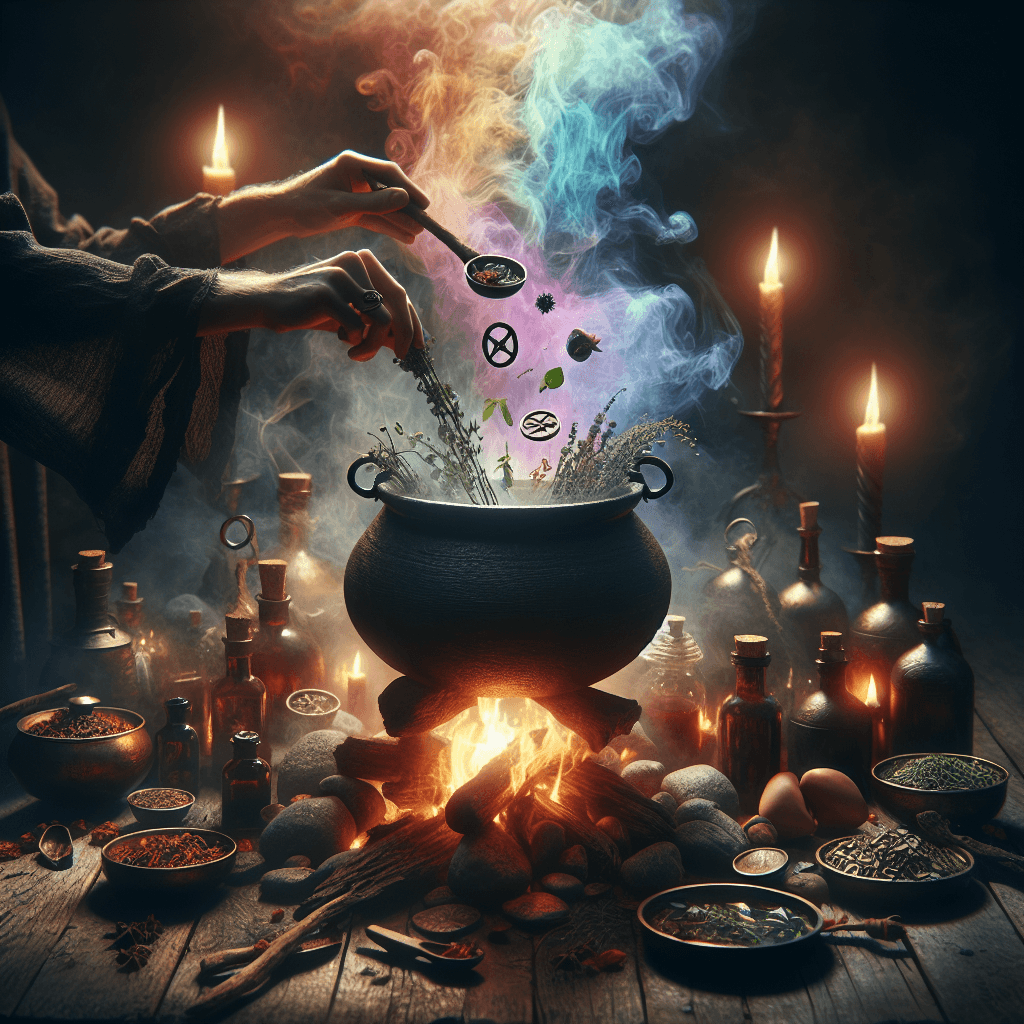
Cauldron ritual brewing methods offer a perfect entry point for new practitioners seeking to connect with ancient wisdom. Start by cleansing your cauldron with sage smoke or sacred incense to remove negative energies and establish positive intent. Fill the vessel with water or create a simple herbal infusion using mugwort and wormwood for divination work. Heat the mixture gently on your stove while chanting phrases like “one thing becomes another, in the mother” to invoke transformation. Stir clockwise to build energy and direct your intentions toward goals like protection or enhanced psychic awareness.
Safety Guidelines for Home Practice
Safety forms the foundation of successful home practice. Use only non-toxic herbs at low concentrations, typically one to three grams per liter for gentle herbs like yarrow or chamomile during simmering. Always strain your brew before consumption and consider pouring it as an offering or using it to anoint yourself. Ground your energy before beginning any work and ensure proper ventilation in your ritual space. Keep a separate cauldron dedicated solely to magical practice to avoid contamination with food preparation tools. The cauldron serves as a vessel for mixing herbs, burning incense, holding offerings, and brewing transformative potions while representing the divine feminine, womb, and elements of water and fire.
Working with Natural Rhythms
Work with the natural rhythms of your practice by timing your brewing with lunar phases or seasonal celebrations. Full moons amplify the potency of divination brews, while new moons support cleansing and banishing work. Create different blends for specific purposes by researching herb correspondences and their magical properties. Document your results in a grimoire or book of shadows to track which combinations produce the strongest effects for your personal practice. Remember that intention matters more than perfect technique when you begin exploring cauldron ritual brewing methods.
Essential Cauldron Brewing Equipment
Choosing the right cauldron sets the stage for successful ritual work. Cast iron cauldrons remain the preferred choice among experienced practitioners for their superior grounding properties, excellent heat retention, and connection to traditional practices. Season new cast iron properly before first use by coating with oil and heating gradually to create a protective barrier. Larger sizes work better for brewing potions and herbal preparations, while smaller versions suit incense burning and offering rituals. The material itself carries significance as iron provides grounding energy and connects you to the earth element during your magical work.
Your herb selection determines the effectiveness of your brews. Stock your ritual pantry with versatile plants like mugwort for divination and dream work, wormwood for spirit communication, yarrow for protection and courage, meadowsweet as a natural sweetener and love herb, and chamomile for peace and healing. Follow proper proportions when brewing: use one to three grams per liter for gentle boiling, seven grams per liter for strong extractions, and limit wormwood to 0.05 to 0.08 grams per liter at flame-out due to its potency. Store herbs in airtight containers away from direct sunlight to maintain their magical and physical properties.
Supporting tools enhance both safety and effectiveness in your practice. High-quality charcoal enables clean burning for incense work, while sturdy candles provide safe flame sources for heating and ambiance. Keep ample water supplies for scrying work and liquid offerings to deities or spirits. Invest in stable stands or hooks to secure your cauldron during heating and prevent accidents. Heat-resistant trivets protect your altar surfaces and allow safe placement of hot cauldrons during and after ritual work.
Safety equipment protects both you and your sacred space. Always use heat-resistant materials and avoid fragile glass items near open flames or hot surfaces. Maintain separate cauldrons for magical work and food preparation to prevent cross-contamination and preserve the sacred nature of your ritual tools. Ensure adequate ventilation when burning herbs or incense to prevent smoke buildup and respiratory irritation. Keep fire extinguishing materials nearby and never leave burning materials unattended. These cauldron ritual brewing methods require respect for both magical traditions and practical safety considerations.
Traditional Herbal Brewing Techniques
Ancient brewing techniques center on transformation through the marriage of heat and focused intention. Begin by combining your chosen herbs in the cauldron with pure water or another suitable base liquid. Yarrow provides bitter notes and protective properties, meadowsweet adds natural sweetness and enhances love magic, while chamomile brings healing and peaceful energy to your brew. Heat the mixture slowly to allow gradual extraction of both physical compounds and spiritual essences. The typical ratio of one to three grams per liter works well for most gentle herbs during the boiling process.
Chanting amplifies the magical properties of your brew while the herbs simmer and release their essences. Traditional chants focus on transformation, healing, creativity, and connection to divine forces. The vibrations from your voice infuse the liquid with your intentions and create a bridge between the physical and spiritual realms. Maintain steady, rhythmic chanting throughout the brewing process to build and direct energy toward your specific goals. The combination of heat, herbs, intention, and vocal magic creates a powerful synergy that transforms simple plant materials into potent magical tools.
Timing your brewing process connects your work to natural cycles and enhances effectiveness. Simmer gently to extract maximum benefit without destroying delicate compounds or overwhelming the mixture with bitter elements. Watch for gentle bubbling rather than vigorous boiling, which indicates proper temperature control. Allow steam to rise and carry your intentions outward while keeping enough liquid for your intended use. The visual element of steam rising from your cauldron creates a powerful symbolic representation of transformation and the movement of energy between realms.
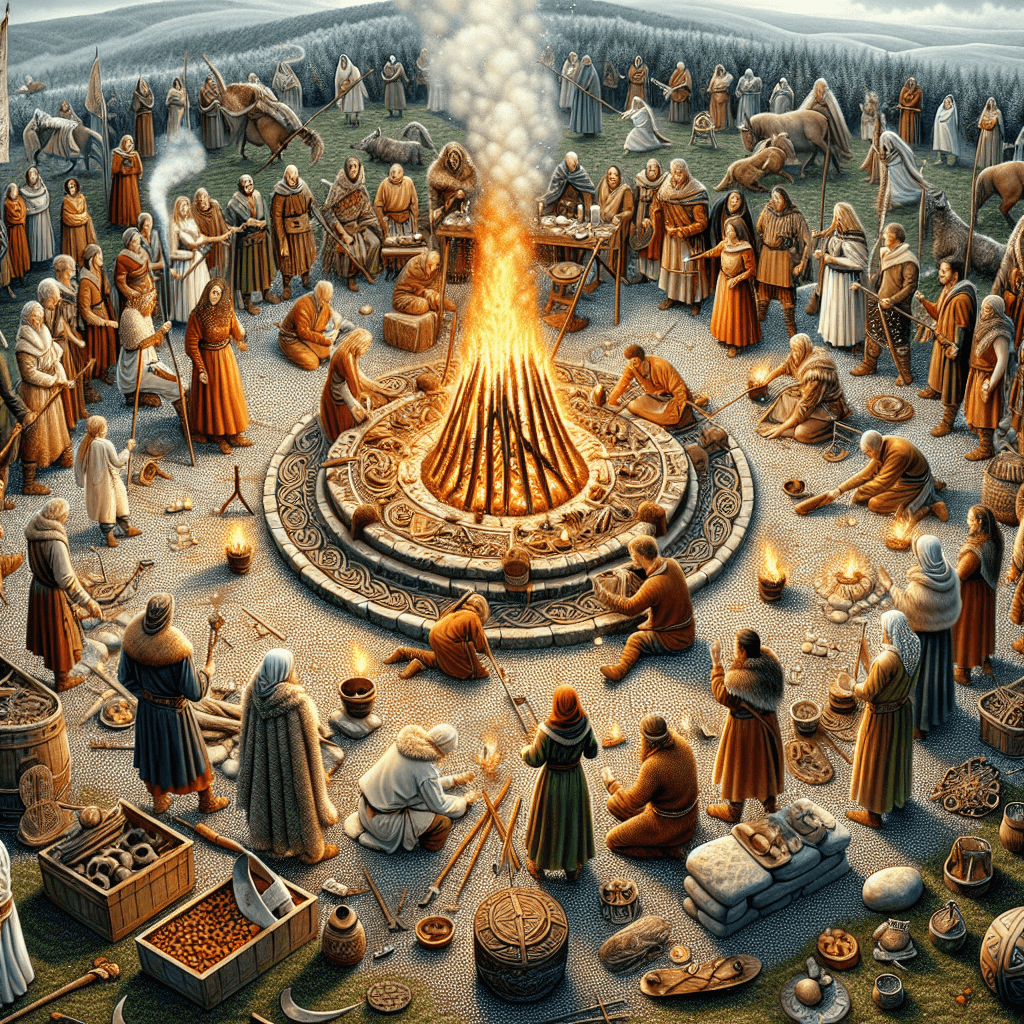
Historical brewing methods provide inspiration for modern practitioners seeking authentic techniques. Baltic pagan traditions included honey-based meads enhanced with pollen and heather, processed through multiple stages without modern additives like hops. These ancient recipes emphasize natural fermentation and the magical properties of wild plants gathered at specific times. Create your own historical connections by researching the plant allies native to your region and incorporating them into traditional brewing frameworks. Stir your mixtures to create gentle movement that mimics natural water flow and activates the magical properties within your cauldron ritual brewing methods.
Altar Cauldron Uses Across Different Spiritual Traditions: Wiccan
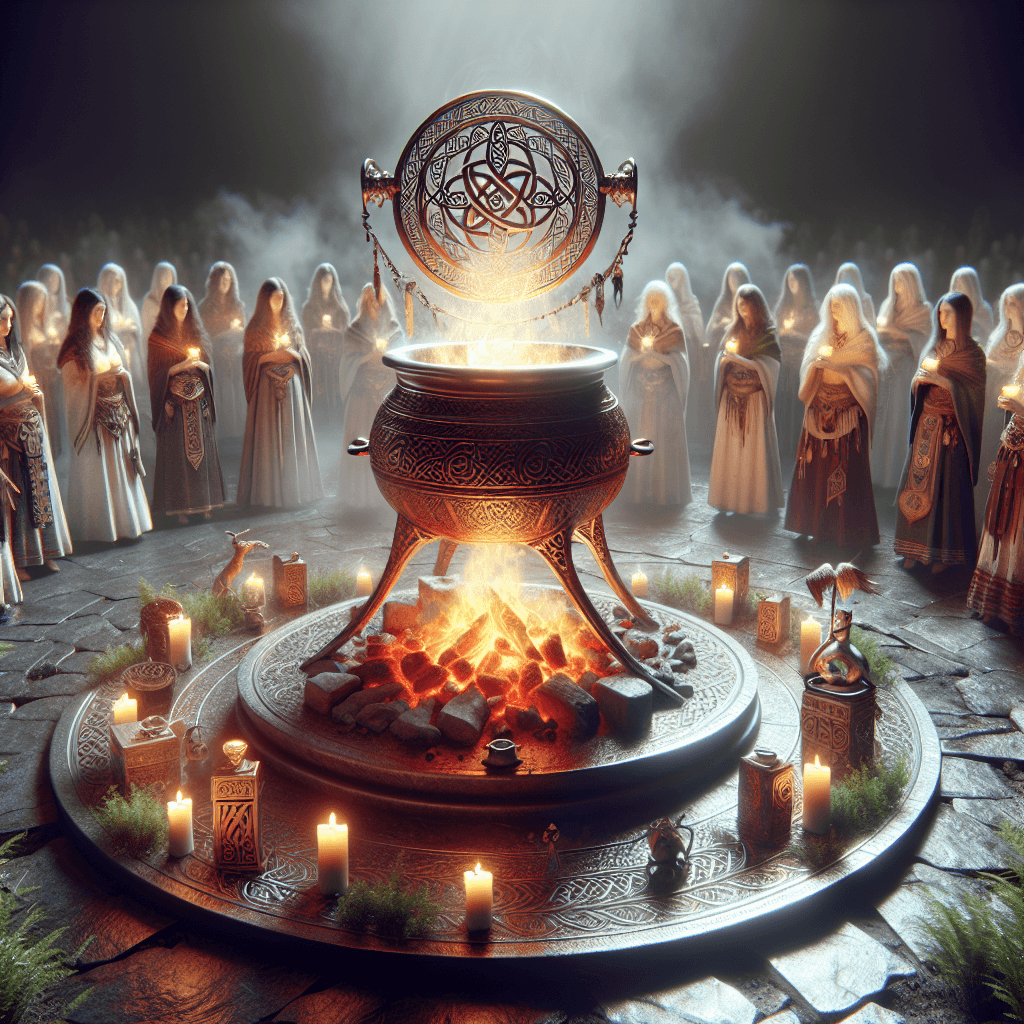
Wiccan traditions place the cauldron at the heart of Goddess worship and feminine divine energy. The vessel embodies Cerridwen’s cauldron of knowledge and inspiration, serving as a direct link to the transformative power of the Great Mother. Practitioners honor the cauldron as a symbol of the cosmic womb where all creation begins and returns for renewal. This sacred container represents the water element in its receptive, nurturing aspect while also connecting to fire through the transformative heating process. The combination creates a powerful magical tool that bridges multiple elements and spiritual concepts within Wiccan cosmology.
Modern Wiccan practitioners adapt traditional cauldron work for contemporary altar setups and ritual needs. Position your cauldron centrally on your altar to serve as the focal point for magical workings and energy direction. Surround it with crystals that complement your intentions, herbs that enhance your magical goals, and candles that provide both illumination and fire element representation. The cauldron holds offerings of food, drink, flowers, or personal items meant for deities, spirits, or magical purposes. Pour libations into the vessel during ritual work, then transfer them to outdoor spaces as gifts to the earth and its inhabitants.
Potion brewing within Wiccan practice focuses on transformation and manifestation of desired changes. Fill your cauldron with water and add herbs aligned with your magical intentions, heating gently while visualizing your goals coming to fruition. The brewing process itself becomes a meditation on change and the power of will to influence reality through natural means. Create scrying liquids by preparing clear herbal teas that provide a reflective surface for divination work. The steam rising from heated brews carries prayers and intentions to the spirit realm while creating atmospheric conditions conducive to psychic work.
Seasonal celebrations incorporate cauldron work as central ritual elements throughout the Wiccan wheel of the year. At Samhain, use your cauldron for scrying and ancestor communication through specially prepared herbal waters. During Imbolc, focus on purification brews that cleanse both body and spirit for the coming spring season. Beltane celebrations feature love and fertility potions that celebrate the union of God and Goddess energies. Summer solstice work emphasizes solar herbs and fire magic performed within the protective bounds of your cauldron. These cyclical practices maintain connection to natural rhythms while honoring the deep symbolism embedded in cauldron ritual brewing methods throughout Wiccan spiritual tradition.
Your journey with cauldron magic begins with understanding these foundational techniques and adapting them to your personal practice and spiritual path. What transformations will you manifest through the ancient art of ritual brewing in your own sacred space?
Related Items:

Lilly Dupres
Owner & AuthorLilly Dupres, a lifelong practitioner of paganism, established Define Pagan to offer a clear definition of paganism and challenge misconceptions surrounding modern pagan lifestyles.