How Do You Use Palo Santo Sticks for Smudging the Right Way?
You bought a bundle of palo santo sticks, or you are about to. Now you want to know what to do with them. Maybe you are opening a ritual space, clearing out bad energy after an argument, or getting ready for a new moon working. The wood sits in your hand and you want to light it correctly, respectfully, and safely. Here is what you need to know.
What Palo Santo Sticks Are and Where They Come From

Palo santo is the fragrant heartwood of Bursera graveolens, a tree that grows in the dry forests of Ecuador, Peru, and other parts of South America. People have used its wood, oil, and resin for generations in folk healing, home blessing, spiritual cleansing, and even as an insect repellent. When you burn the wood, it gives off a sweet, citrus-like smoke. That smoke carries the main reason people use palo santo sticks for smudging-style practices today: clearing a space, settling the energy in a room, or marking a shift from one phase of life to the next.
The wood only works this way because of how it is harvested. Good palo santo comes from branches that fell on their own, or from trees that died naturally and were never cut down. After that, the wood needs time to cure before it burns well. A supplier who respects the tradition can tell you where the wood came from and how it was collected. If a seller just says "wild harvested" and stops there, that tells you nothing useful. Walk away from sticks that smell like perfume, cost too little to be real, feel damp, show mold, or come with vague claims about being "100% authentic." Demand for palo santo has grown fast, and that growth puts pressure on the dry forests where the tree grows. The species is not endangered right now, but careless buying habits could change that.
Using Palo Santo Sticks for Smudging in Ritual Work
Treat palo santo as one tool among many, not a replacement for every cleansing herb you own. It fits certain jobs well: opening a working, clearing stagnant energy after a conflict, blessing a new altar, or centering yourself before divination.

Here is how to do it step by step:
- Set out a heatproof dish made of ceramic, stone, or metal. Place it on a surface that will not tip.
- State your intention out loud or in your head before you light anything.
- Hold a flame to one end of the stick for about thirty seconds.
- Let the flame catch and burn briefly.
- Blow it out so the stick smolders instead of burns.
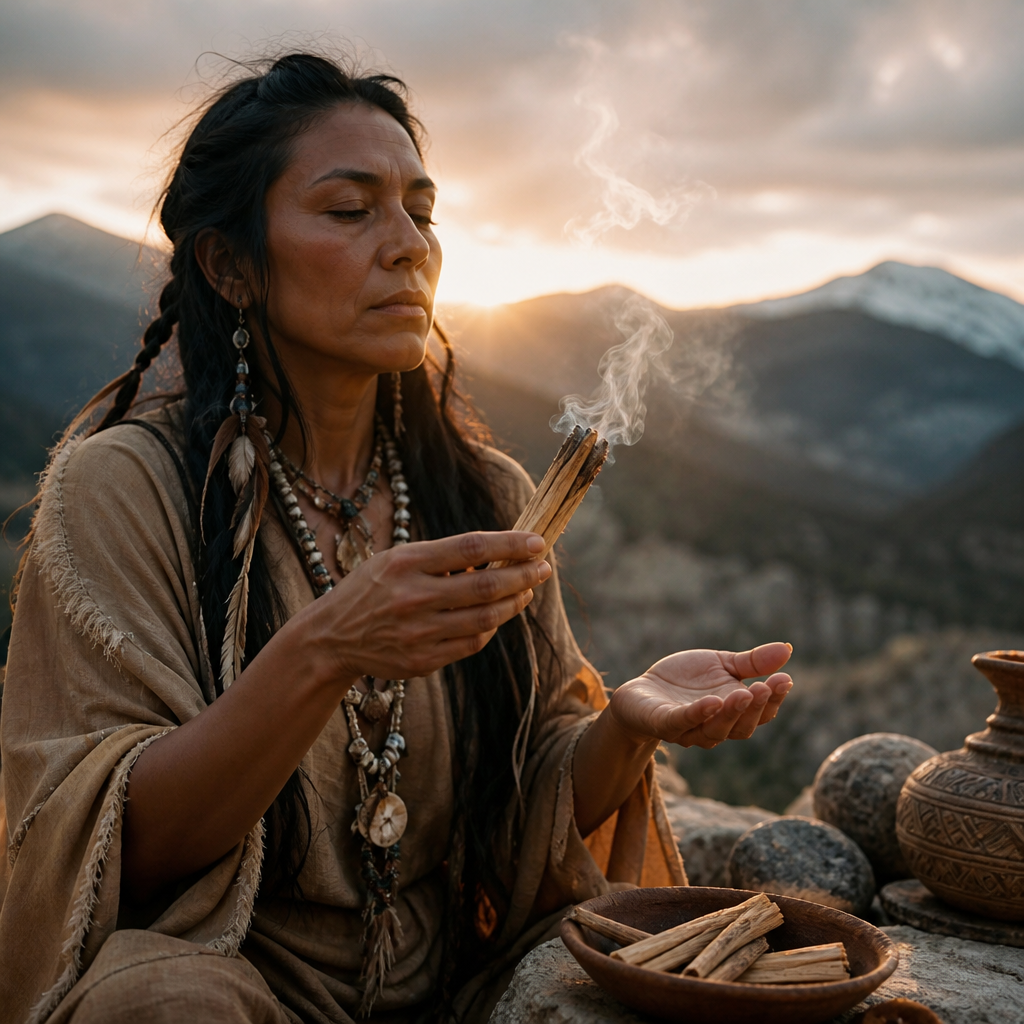
- Carry the smoke around the room, over your tools, or around your own body. Keep it away from anyone's face.
If you are inviting good energy or blessing something, move clockwise. If you are doing banishing work, use whatever directional method your own practice already follows. You do not need a complicated routine. A thin line of smoke does the job. A room full of haze does not make the ritual stronger. It just makes the room harder to breathe in.
Safety Rules for Burning Palo Santo Sticks
Palo santo is natural wood, but the smoke it produces is still smoke, and smoke affects lungs. Open a window or door before you light anything. Keep the burning end away from curtains, papers, and anything else that catches fire easily. When you are done, put the stick out completely by pressing it into sand or a heatproof dish. Never walk away from a lit stick.
Skip the palo santo entirely around birds, since their respiratory systems are sensitive to smoke. Use caution around young children, pets, and anyone with asthma or a sensitivity to smoke. If smoke is not an option in your space, you still have ways to work with palo santo. Place an unlit stick on your altar as a symbol. Try a hydrosol made from the wood. Or cleanse through sound, breath, water, or visualization instead.
Why the Word "Smudging" Does Not Quite Fit
Many people use the word "smudging" to describe any kind of smoke cleansing. That habit blurs a real distinction. Smudging refers to specific ceremonial practices from Indigenous North American traditions. Palo santo comes out of South American cultural contexts instead. The two are not interchangeable.
If you are not practicing within a tradition that uses the term "smudging," call your practice something more accurate. "Smoke cleansing" works. "Palo santo cleansing ritual" works too. This is not a minor wording issue. Lumping separate traditions under one label erases the specific history and meaning behind each one.
Getting the Most from Palo Santo Sticks for Smudging-Style Rituals

Authentic Palo Santo 7 Wood Sticks - Natural Smudging Incense for Meditation, Yoga, and Home Energy Cleansing - Sourced Ethically - Choose Your Pack Size
View ProductYou do not need a dozen sticks or a complicated setup. One good stick, a clear intention, and a little restraint will take you further than a pile of smoke and no plan. What matters most is where that stick came from. A supplier who understands ritual use and respects the source of the wood makes the entire practice work the way it should, for you and for the forests the tree comes from.
Palo santo gives you a direct, simple way to clear a space and mark a transition, but only when the wood is sourced with care and used with attention. Buying from a seller who can speak honestly about origin and harvesting method protects both your ritual and the tree itself. If you are ready to find palo santo sticks for smudging and other ritual tools sourced the right way, take a look at our shop at definepagan.com/pagan-shop.

Lilly Dupres
Owner & AuthorLilly Dupres, a lifelong practitioner of paganism, established Define Pagan to offer a clear definition of paganism and challenge misconceptions surrounding modern pagan lifestyles.