What’s the Difference Between Frankincense and Myrrh for Witchcraft?
You want to buy resin incense for ritual work, and you keep seeing frankincense and myrrh paired together. Are they the same thing? Do you need both? Which one fits your specific working? These are fair questions, and the answer matters more than most sellers explain.
Why Frankincense and Myrrh Resin Incense Belong in Your Practice

Frankincense and Myrrh Resin – Loose Resin Tears for Incense Burner, 4OZ
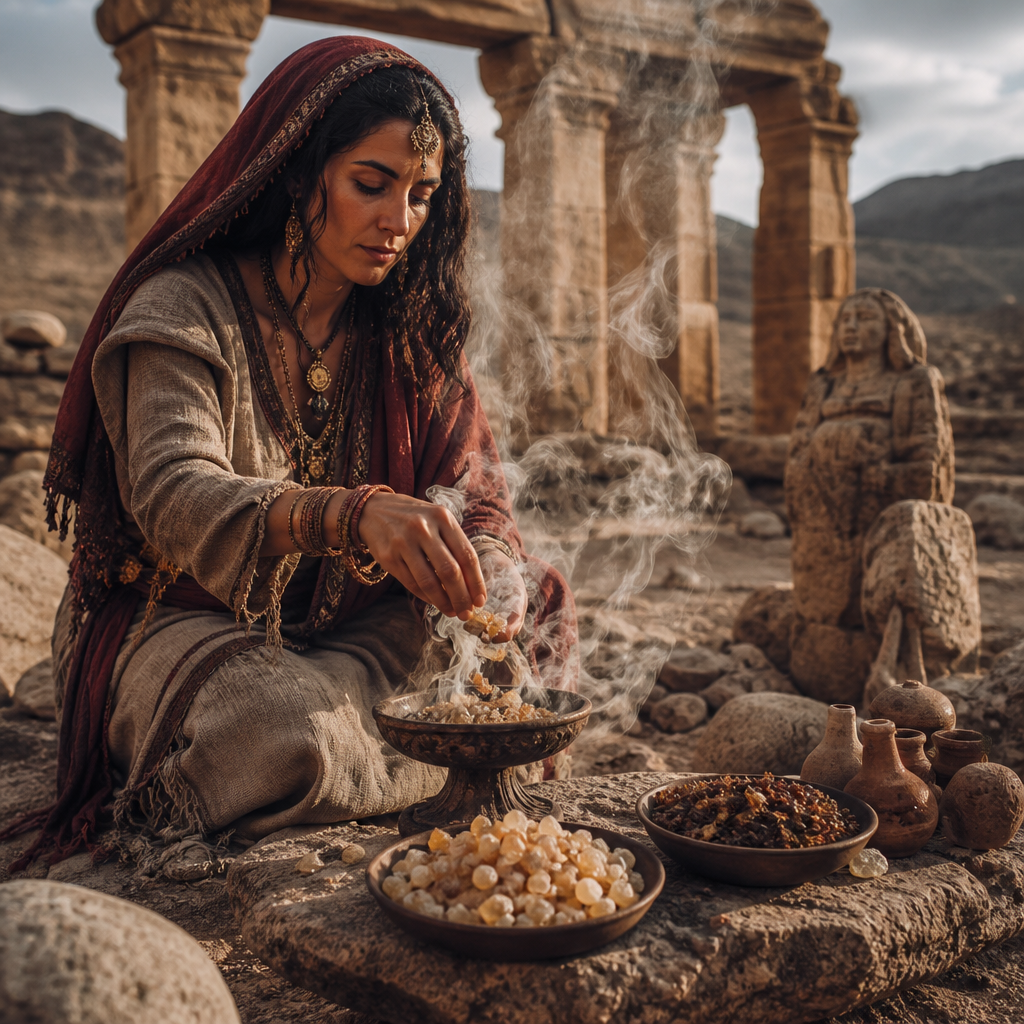
View ProductFrankincense and myrrh have shown up in religious ceremony across ancient Egypt, Greece, and Rome. That long history gives both resins weight in modern ritual work. But history alone does not tell you how to use them. Frankincense smells bright, pine-like, citrusy, and slightly sweet. It suits purification, consecration, prayer, divination, and any working that marks a shift into sacred space. Myrrh smells darker, warmer, balsamic, and a little bitter. It carries old associations with embalming and funeral rites, which makes it a strong fit for ancestor work, mourning, protection, and banishing.
These are not interchangeable resins. Each one changes the feel of a room differently. Learning that difference is the real starting point.
How to Test Frankincense and Myrrh Resin Incense Before You Combine Them
Burn each resin alone before you blend them. Light a small piece of frankincense first. Notice how the scent moves through your space and how it affects your mood. Then clear the air and burn a small piece of myrrh on its own. Pay attention to how it settles the room instead of lifting it.
Once you know how each one behaves, you can combine them with intention. Frankincense lifts and clarifies. Myrrh grounds and deepens. Equal parts create a balanced, temple-style blend, good for general ritual use. For protection or underworld-focused work, use more myrrh. For blessing or purification, use more frankincense. The ratio should match your purpose, not just tradition for its own sake.
What Quality Frankincense and Myrrh Resin Incense Should Look and Smell Like

Premium Myrrh Resin Tears, Natural Resin Incense for Meditation, Aromatherapy & Spiritual Rituals, Home Fragrance, 30g / 130g / Frankincense50g + Myrrh50g (Myrrh 50g + Frankincense 50g)
View ProductPackaging tells you nothing useful. The resin itself tells you everything. Look for whole, irregular tears, not fine powder or dust. Pellets that all look the same size and smell identical often signal a processed or diluted product.
Good resin has a clear, natural scent even before you burn it. If it smells like perfume, solvent, or anything artificial, put it back. Ask the seller where the resin was harvested. True frankincense comes from Boswellia trees. True myrrh comes from Commiphora species. A seller who cannot name the plant or region is often selling a blend they cannot fully explain.
Burning Frankincense and Myrrh Resin Incense Safely
Use a heatproof burner filled with sand or ash. If you burn resin on charcoal, wait until the disc turns fully gray before adding your resin. Add one or two small pieces at a time. A tealight resin burner works gently and tends to preserve the scent better than direct charcoal heat.
Never leave burning incense unattended. Keep the room ventilated. Smoke that irritates your lungs, your pets, or the people you live with is not doing cleansing work. It is just smoke.
Mistakes to Avoid With Frankincense and Myrrh Resin Incense
Do not treat one historical use as a fixed rule for all magical work. Frankincense and myrrh sit inside several religious traditions, and modern witchcraft often blends documented history with personal correspondence. Know which is which in your own practice. Keep a mental note of what comes from research and what comes from your own experience with the resin.

Premium Myrrh Resin Tears, Natural Resin Incense for Meditation, Aromatherapy & Spiritual Rituals, Home Fragrance, 30g / 130g / Frankincense50g + Myrrh50g (Myrrh 30g)
View ProductAvoid eating raw resin or putting it on your skin just because it comes from a plant. Natural does not mean safe for every use.
Start small. Burn one piece at a time. Write down how each resin smells and how it changes your space. Save your best pieces for the workings that matter most to you.
Sourcing matters as much as technique. A supplier who understands ritual use will sell you resin with the plant source and harvest region stated plainly, not hidden behind vague labels. That one detail protects your ritual work from guesswork, and it is exactly what separates a basic purchase from a working relationship with your incense.
Explore our collection of ritual-grade frankincense and myrrh at the Define Pagan shop and build an incense kit you can trust on your altar.

Lilly Dupres
Owner & AuthorLilly Dupres, a lifelong practitioner of paganism, established Define Pagan to offer a clear definition of paganism and challenge misconceptions surrounding modern pagan lifestyles.