How Do I Know if an Online Herb Seller is Selling Real Quality Plants?
Shopping for herbs online means sifting through countless listings that all promise the same thing: authentic plants for your spiritual practice. The problem is that many sellers either don’t know what they’re actually selling or don’t care enough to tell you properly. Learning how to read an herb listing online and know you’re getting the real thing protects both your practice and your wallet.
The Plant Name Tells You Everything About How to Read an Herb Listing Online and Know You’re Getting the Real Thing
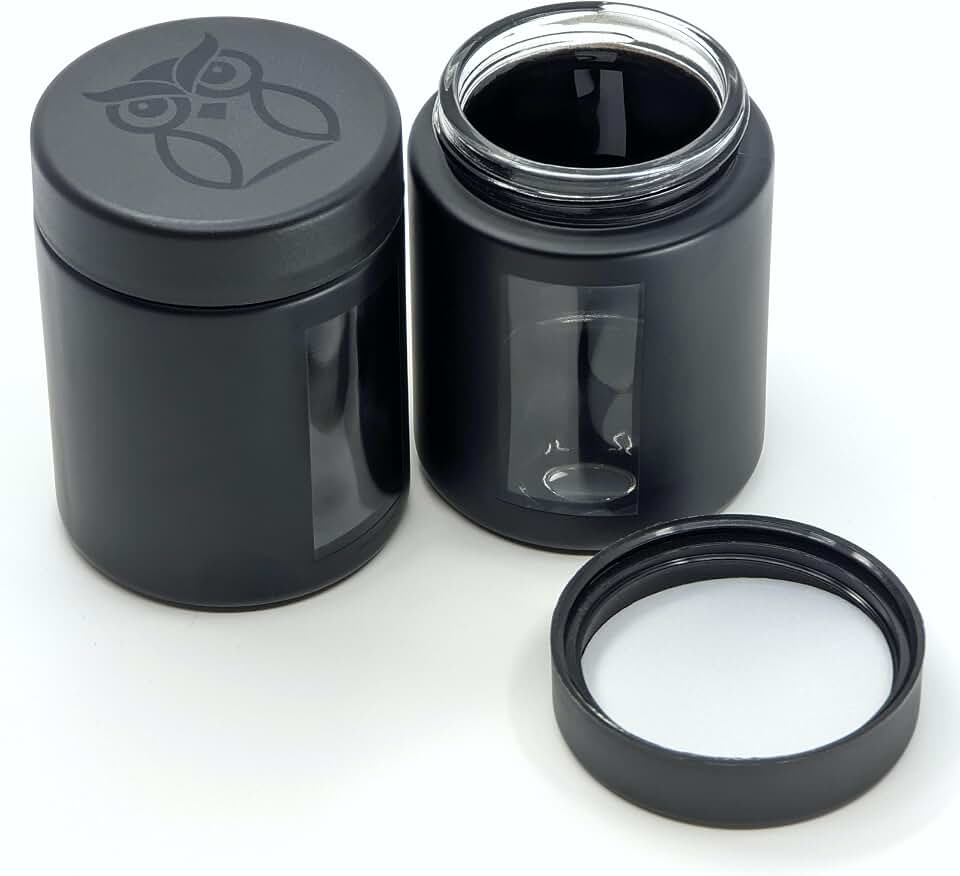
Treehouse Smell Proof Containers (120mL), Jars with Airtight Lids for Herbs, Spices, Coffee and Tea, Air Tight Glass Storage Jars with UV Protection Glass, (Set of 2) (Matte Black)
View ProductStart with the name section of any herb listing. A legitimate seller provides both the common name and the botanical name. You’ll see something like “White Sage (*Salvia apiana*)” instead of just “sage” or “cleansing herb.”
Botanical names matter because common names get used loosely in commerce. “Hyssop” might refer to true hyssop (*Hyssopus officinalis*), anise hyssop (*Agastache foeniculum*), or water hyssop (*Bacopa monnieri*). These plants have different properties and different traditional uses. Your ritual work depends on getting the actual species you intended.
If the herb comes from Traditional Chinese Medicine or another naming system, the listing should include that traditional name too. This shows the seller understands the plant’s complete identity across different herbal traditions.
Avoid listings that only say “herbal blend,” “magical mix,” or “witching herbs.” These vague terms hide what you’re actually buying.
Real Herb Listings Include Traceability Information
Professional herb suppliers track their inventory with lot numbers, batch codes, or harvest dates. Look for these details in the product description or on the packaging photos. This documentation proves the seller knows exactly which batch of herbs they’re sending you.
Some suppliers provide certificates of analysis that show identity testing and contamination screening. The certificate should match the product name and include a recent testing date. This level of documentation separates serious suppliers from drop-shippers who never handle the actual plants.
Generic claims like “premium quality,” “pure,” or “high vibrational energy” tell you nothing about the herb’s identity or handling. These marketing terms often fill the space where specific information should go.
Plant Form Affects Your Practice Results

Tightvac 1 to 6 oz Patented Vacuum Sealed Airtight Storage Container, Black
View ProductThe herb’s physical form changes how it behaves in ritual work. Whole leaves keep their aromatic compounds longer and let you inspect the plant’s actual appearance. Cut herbs balance convenience with quality. Powdered herbs are easy to use but harder to verify and more likely to be adulterated.
For incense work, you want to see the actual plant structure. For bath blends, you need to know if you’re getting powder that will turn your tub water muddy or cut herbs that will strain out cleanly. For charm bags, whole herbs often work better because they hold their energy and scent longer.
Check if the listing specifies which part of the plant you’re getting. Root, leaf, bark, flower, and seed all have different properties from the same plant. A listing that just says “echinacea” without specifying root or aerial parts shows the seller doesn’t understand herbalism.
How to Read an Herb Listing Online and Know You’re Getting the Real Thing From Professional Suppliers
Professional herb suppliers write their listings like inventory records, not marketing copy. You should find the species name, plant part, processing method, origin information, and storage recommendations. The description focuses on factual details rather than mystical promises.
Look for suppliers who can answer direct questions about their herbs. Ask about the specific species, which part of the plant, the batch information, and any test results. Reputable sellers respond with specific information rather than sales language.
Many online herb shops target the supplement market rather than ritual use. Food-grade and supplement-grade herbs work fine for spiritual practice, but you still need clear identification and proper handling information.
Packaging Details Show Professional Handling Standards
Professional suppliers use sealed packaging and include storage instructions. They tell you where the herbs originated and how to maintain their quality. These details don’t make herbs more magical, but they show the seller treats plants as valuable materials rather than bulk filler.
Fresh herbs have stronger aromatic compounds and better energy for ritual work. Look for harvest dates or packaging dates that show you’re getting recently processed material. Herbs lose potency over time, especially when stored improperly.
Some suppliers include handling information that helps you maintain the herbs’ quality once they arrive. This guidance shows they understand how environmental factors affect plant materials.
Species Accuracy Determines Ritual Effectiveness

ComSaf Square Small Glass Spice Jars with Airtight Lids 4 oz 12 Pack Pantry
View ProductTraditional correspondences only work when you’re using the correct plant species. A substitute might look similar or share a folk name, but still behave differently when you burn it, steep it, or include it in charm work. Getting the wrong species weakens your practice before you begin.
Many plants share common names across different families. “Cedar” might refer to true cedars (*Cedrus* species), eastern red cedar (*Juniperus virginiana*), or white cedar (*Thuja occidentalis*). Each has different traditional uses and different aromatic profiles.
When you work with established magical correspondences, you’re drawing on generations of experience with specific plants. Substitutions break that connection and force you to guess at properties and behaviors.
Understanding how to read an herb listing online and know you’re getting the real thing means evaluating the seller’s knowledge, traceability systems, and commitment to accurate identification. Professional suppliers make this information easy to find because they understand that serious practitioners need reliable materials.
At Define Pagan, we provide detailed botanical information, batch tracking, and species verification for every herb we stock because your practice deserves materials you can trust completely. Browse our verified herb collection at https://www.definepagan.com/pagan-shop/ to experience the difference proper identification and professional handling make in your ritual work.

Lilly Dupres
Owner & AuthorLilly Dupres, a lifelong practitioner of paganism, established Define Pagan to offer a clear definition of paganism and challenge misconceptions surrounding modern pagan lifestyles.