What are the 7 essential pagan altar tools every beginner witch needs to start their spiritual practice?
The seven core altar tools form the foundation of most pagan and Wiccan practices: the athame for directing energy, the wand for focusing power, the chalice for water and libations, the pentacle for earth energy and protection, the cauldron for burning offerings, candles for fire and illumination, and incense for air element work. These essential pagan altar tools represent the classical elements of earth, air, fire, water, and spirit while supporting fundamental ritual work like circle casting and spellwork. You do not need expensive versions when starting your practice. Simple, affordable tools work perfectly as you learn and grow in your spiritual journey.
Traditional Sacred Tool Overview

Cast Iron Incense Burner 4" L 2" H, Ideal for smudging, Incense Burning, Ritual Purpose, Decoration etc. (4" L)
View Product →Traditional sacred tools trace their origins to ancient European ceremonial magic practices, drawing influences from biblical texts, Kabbalistic traditions, Greek mysteries, and Roman religious rites. The athame serves as your primary energy-directing tool, typically a double-edged knife used for cutting spiritual barriers and channeling your will rather than physical cutting work. Your wand acts as an extension of your personal energy, whether crafted from wood, crystal, or metal, allowing you to focus and direct power during ritual work. The chalice holds water for cleansing and libations while symbolizing the feminine divine and receptive energies within your practice.
Your pentacle displays the five-pointed star within a circle, representing earth energy and protection, traditionally made from wood, clay, or metal materials. The cauldron serves as your burning vessel for incense, herbs, and offerings while paradoxically representing the water element in many traditions. Candles provide the fire element and sacred light necessary for most ritual work, creating atmosphere and serving as focal points for meditation and spellcasting. Incense completes your elemental toolkit by representing air, carrying your prayers and intentions to higher realms while cleansing your sacred space. These seven tools work together to create a complete system for energy work, allowing you to honor all elements while maintaining balance in your spiritual practice.
Beginning Witch Equipment Guide
Starting your pagan practice requires only basic items rather than a complete collection of expensive ritual tools. You need just a candle, some incense, and perhaps a few crystals to begin meaningful spiritual work and connect with divine energies. Your core tool collection grows naturally as you add an athame, wand, chalice, and pentacle to provide structure for more formal ritual work. Altar cloths protect your surfaces while adding personal symbolism through designs featuring pentacles, moons, seasonal imagery, or deity representations that speak to your path.
The most important aspect of your tools involves making them truly personal through cleansing and consecration rituals using methods like smudging with sage, blessing with moon water, or charging through energy-raising chants and meditation. You do not need to purchase a complete matching set to practice effectively. Many practitioners adapt household items like kitchen knives for athames or wooden spoons for wands when budget constraints exist. Your intention and personal connection to each tool matters far more than its monetary value or aesthetic perfection. Focus on acquiring tools gradually as your practice develops and your understanding of their uses deepens. Many experienced practitioners still use their first simple tools decades after beginning their spiritual journey because of the personal power and memories these items hold.
Ancient Ritual Implement History

Ancient ceremonial magic traditions established the foundation for modern pagan altar tools through centuries of refined spiritual practice across multiple cultures. Historical athames evolved from ritual daggers used in temple ceremonies, serving as symbolic weapons against negative energies rather than physical cutting implements. Wands became universal symbols of magical authority and power direction, appearing in Egyptian, Celtic, and Mediterranean traditions as tools for channeling divine will. Pentacles developed from ancient protective symbols combining elemental representation with spiritual geometry, creating powerful talismans for grounding and protection work.
Chalices and cauldrons both originated from sacred vessels used in temple rites, representing the feminine divine and transformative powers of water and rebirth. Historical besoms or ritual brooms served cleansing functions in sacred spaces, sweeping away negative energies before important ceremonies began. Traditional blessing rituals involved consecrating tools on personal altars using combinations of earth or salt for grounding, smudge or incense for purification, sacred water for cleansing, and deosil or clockwise movement for energy raising. Ancient practitioners raised power through drumming, chanting, or ecstatic dance while blessing their ritual implements under moonlight or during significant seasonal celebrations. These historical practices created the framework for modern tool consecration and use, maintaining the essential energetic principles while adapting to contemporary spiritual needs and living situations.
Modern Pagan Tool Adaptations
Contemporary practitioners adapt traditional tools to fit modern lifestyles while maintaining their spiritual effectiveness and symbolic meaning. Modern athames include ceramic knives, stone blades, bamboo letter openers, or even decorative swords for practitioners who prefer larger implements for energy work. Wands take countless creative forms including carved pencils, decorated chopsticks, crystal points mounted on handles, or even whimsical items like unicorn horns for practitioners who embrace humor in their spiritual work. Cauldrons serve double duty in many modern homes, functioning for both ritual burning and cooking, though experienced practitioners maintain separate vessels for each purpose to preserve spiritual energy.
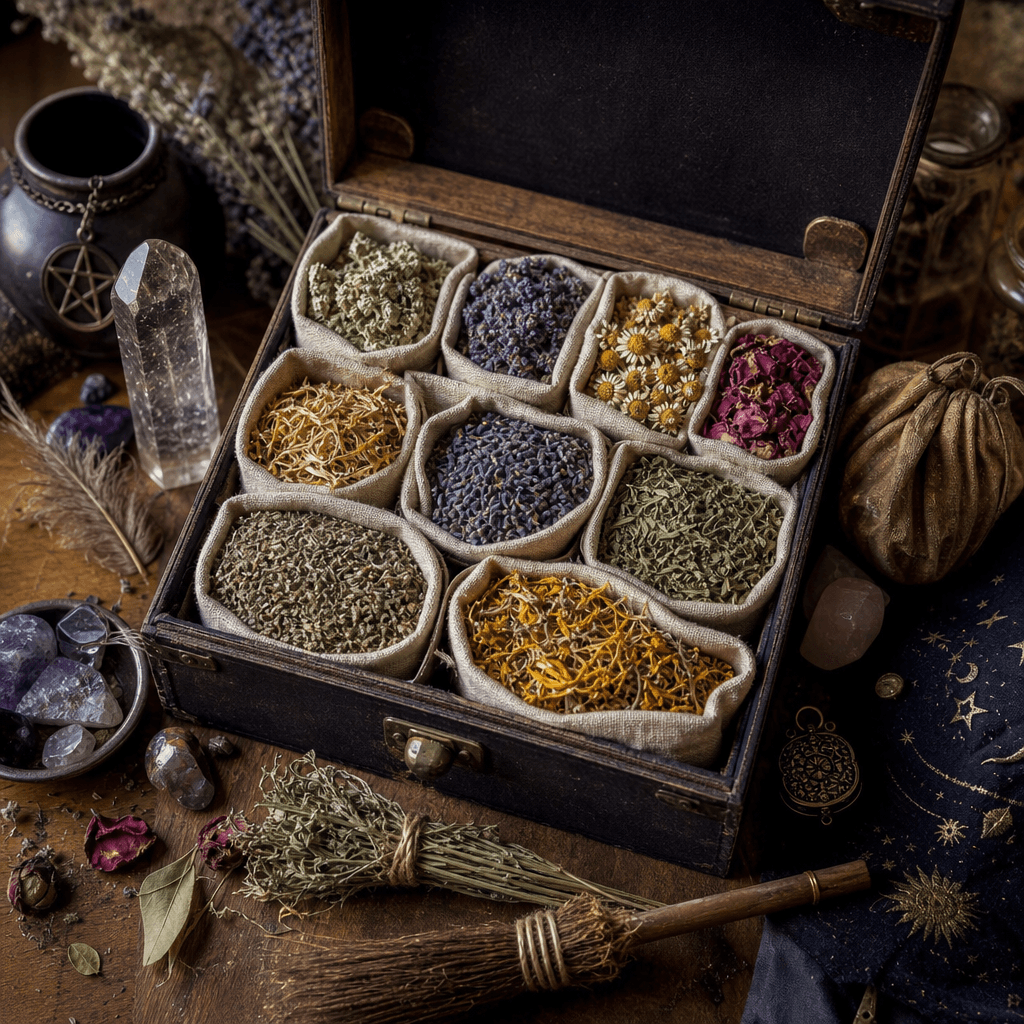
Today’s altars incorporate divination tools like tarot decks and rune sets, healing crystals, dried herbs for spellwork, brass bells for energy clearing, and offering bowls for deity work. Modern practitioners create portable altar setups for apartment living, travel, or outdoor rituals, using compact containers that hold essential items for practice anywhere. Vintage items from antique shops, inherited family pieces, or handmade tools from local artisans add personal meaning and unique energy to contemporary altar setups. The key principle remains focusing on symbolic meaning and personal connection rather than adherence to rigid traditional forms. Your altar should reflect your individual path, practical needs, and spiritual goals rather than copying someone else’s setup or following prescribed rules that do not resonate with your practice.
Altar Table Fundamentals
Your altar serves as the sacred centerpiece and practical workspace for all your pagan spiritual activities including ritual work, spellcasting, meditation, and divine communion. This personal sacred space reflects your beliefs through careful arrangement of ritual tools, deity statues or representations, seasonal offerings, and symbolic items that connect you to your chosen spiritual path. Your altar design ranges from elaborate permanent installations to simple portable setups, adapting to indoor spaces, outdoor locations, or travel situations as your life requires.
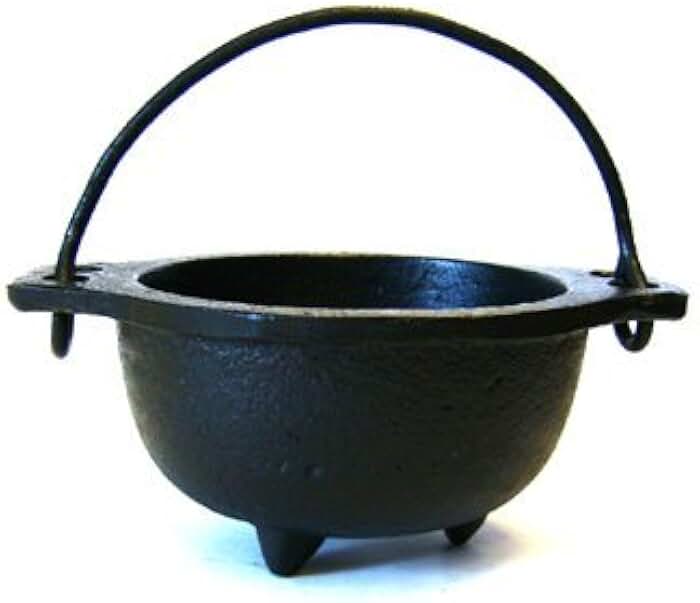
Cast Iron Cauldron w/Handle, Ideal for smudging, Incense Burning, Ritual Purpose, Decoration, Candle Holder, etc. (4" Diameter Handle to Handle, 2.5" Inside Diameter)
View Product →Altar cloths provide both practical surface protection and symbolic meaning through colors, patterns, and imagery that represent your current spiritual focus or seasonal celebrations. Traditional placement often favors central locations or specific cardinal directions like west for water energy or north for earth grounding, though personal preference and available space ultimately determine the best location. Your altar evolves constantly, changing with seasons, moon phases, personal spiritual development, and specific magical workings you undertake. The seven essential pagan altar tools find their home on this sacred surface, creating a complete workspace for energy manipulation and spiritual communion with divine forces. Consider how your altar setup will grow and change as you deepen your practice and add new tools to support your expanding spiritual work.
Which of these essential pagan altar tools calls to you most strongly, and how will you begin building your personal sacred space?
Related Items:

Lilly Dupres
Owner & AuthorLilly Dupres, a lifelong practitioner of paganism, established Define Pagan to offer a clear definition of paganism and challenge misconceptions surrounding modern pagan lifestyles.