What Materials Are Best for Cauldrons That Will Last Longest for Cooking and Brewing?
Understanding Cauldron Materials and Durability

Cast Iron Cauldron with Lid & Handle, Small Triple Moon Cast Iron Cauldron Pot, Incense Burner Witchcraft Ideal for Cooking, Smudging, Ritual Purpose, Sage, Halloween Decoration
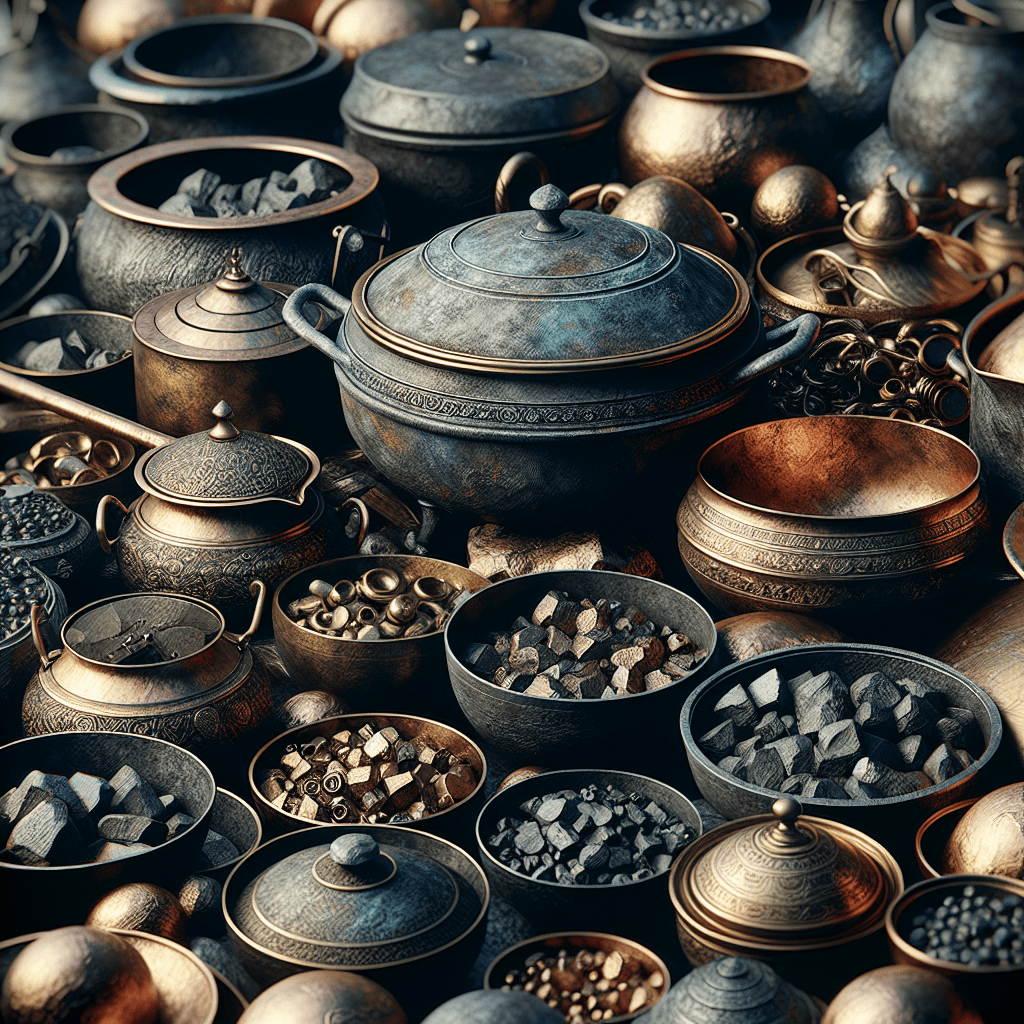
View ProductCauldron materials and durability depend heavily on your intended use and maintenance commitment. Cast iron stands as the clear winner for longevity, with properly maintained pieces lasting generations. Solid cast iron vessels endure 20 years or more, while enameled cast iron typically serves faithfully for 10 to 15 years. Stainless steel offers impressive durability for 15 years with minimal upkeep. Ceramic options last only 5 to 8 years and work best for decorative purposes. Resin and plastic materials provide the shortest lifespan at 1 to 3 years and offer limited functionality for serious practitioners.
The secret to exceptional longevity lies in understanding material composition. Bare cast iron contains a high-carbon alloy of iron and carbon that has proven its worth for over a thousand years. This material develops strength through proper seasoning and regular use. Enameled cast iron combines cast iron’s superior heat retention with a protective glass coating that prevents rust without requiring seasoning. The enamel coating creates a barrier against moisture while maintaining excellent thermal properties. Stainless steel resists corrosion naturally but lacks the thermal mass needed for extended heat retention. Understanding these fundamental differences helps you choose the right material for your specific needs.
Cast Iron Cauldron Benefits
Cast iron cauldrons excel at heat retention and even heat distribution, making them perfect for slow-cooking applications. Once heated thoroughly, a solid cast iron cauldron stays hot for extended periods, even when moved away from direct heat sources. This characteristic makes cast iron particularly suited for simmering soups, stews, and sauces. Tougher meats like brisket, beef chunks, lamb, and goat benefit from the prolonged cooking times that cast iron enables. The material’s thermal mass creates consistent cooking temperatures that penetrate food evenly.
Cast iron offers exceptional durability with proper care, serving for decades or generations. The material develops a naturally non-stick surface when seasoned correctly, without requiring chemical coatings. This authentic cooking surface improves with age and use. Cast iron brings traditional, historical quality to your cooking practice that connects you with centuries of culinary tradition. The versatility of cast iron shines in multiple cooking environments. You use it for open-flame cooking, stovetop applications, outdoor grilling, baking, and even roasting with coals. Plain cast iron typically costs between 40 and 120 dollars, offering excellent long-term value.
Weight presents the primary drawback, with cast iron cauldrons weighing 10 to 30 pounds depending on size. Bare cast iron requires seasoning before first use and careful maintenance to prevent rust. You must hand-wash cast iron and dry it thoroughly after each use. Dishwashers damage the seasoning and promote rust formation. The maintenance requirements increase with frequency of use, but the investment pays dividends in cooking performance. Heat management becomes crucial with cast iron since it heats slowly but retains heat longer than other materials. You need patience when heating cast iron, but the results justify the extra time investment.
Ceramic vs Metal Cauldrons
Metal cauldrons, particularly cast iron and stainless steel, significantly outperform ceramic for cooking and brewing purposes. Ceramic cauldrons face serious limitations in heat safety and practical lifespan, lasting only 5 to 8 years. Their heat rating restricts them to limited applications, making them best suited for decorative purposes or dry storage. Ceramic lacks the thermal properties needed for sustained cooking or brewing work. The material conducts heat poorly and distributes it unevenly across the cooking surface.
Cast iron and enameled cast iron provide superior heat safety and exceptional heat retention for applications requiring sustained or even heat distribution. Stainless steel cauldrons offer full heat safety and dishwasher compatibility, though they lack cast iron’s heat retention capabilities. For practitioners who need functional cauldrons for cooking, brewing potions, or simmering ingredients, metal proves the clear choice. Cast iron specifically excels in these applications due to its thermal properties.
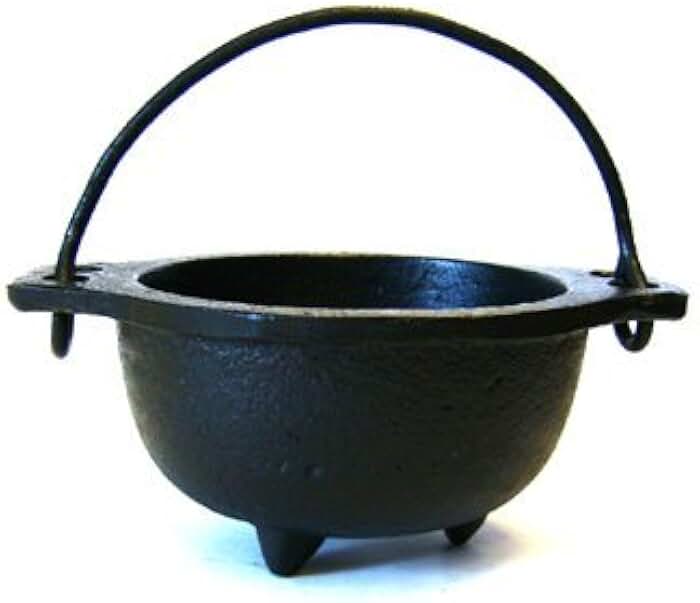
Cast Iron Cauldron w/Handle, Ideal for smudging, Incense Burning, Ritual Purpose, Decoration, Candle Holder, etc. (4" Diameter Handle to Handle, 2.5" Inside Diameter)
View ProductCeramic cauldrons serve decorative or ritualistic purposes but fall short for practical cooking and brewing applications requiring reliable heat management. The material chips easily under thermal stress and shows poor resistance to temperature changes. Sudden temperature shifts cause ceramic to crack or shatter. Metal cauldrons handle thermal shock much better and maintain structural integrity under demanding cooking conditions. The cost difference between ceramic and metal cauldrons narrows when you factor in replacement frequency. Metal cauldrons cost more initially but provide better long-term value through extended service life.
Your choice between ceramic and metal depends on your primary use case. Decorative applications favor ceramic for visual appeal and lighter weight. Functional cooking and brewing applications demand metal construction for reliability and performance. Consider your heat source intensity, cooking frequency, and durability requirements when making this decision.
Stainless Steel Cauldron Care
Stainless steel cauldrons require minimal maintenance compared to cast iron, offering natural corrosion resistance and dishwasher safety. You need no seasoning or special oiling, making stainless steel attractive for practitioners seeking low-maintenance cookware. The material resists staining and maintains its appearance with basic cleaning. Food acids and alkaline solutions rarely affect stainless steel surfaces. This chemical resistance makes stainless steel suitable for brewing applications involving various pH levels.
Stainless steel faces significant limitations for serious cooking and brewing work. Poor heat retention means stainless steel loses heat quickly when removed from heat sources. Hot spots develop unless the construction includes an aluminum or copper core for better heat distribution. The material heats and cools unevenly, creating temperature variations across the cooking surface. Less traditional appearance lacks the aesthetic appeal of cast iron for ritual or historical cooking practices.
Lower responsiveness to temperature changes creates cooking challenges. While cast iron struggles to cool down quickly, stainless steel heats and cools unevenly throughout the vessel. This uneven thermal response makes temperature control more difficult during delicate brewing or cooking processes. Stainless steel works best for applications requiring quick heating and cooling cycles rather than sustained cooking temperatures.
Stainless steel cauldrons suit institutional kitchens, catering, or temporary setups requiring large-volume liquid preparation. The material handles high-volume food service well due to easy cleaning and maintenance. For pagan practitioners focused on brewing, simmering, and cooking applications where heat control and retention matter, cast iron remains superior despite higher maintenance demands. Your decision should weigh convenience against cooking performance based on your specific needs and usage patterns.
Small vs Large Cauldrons
Cauldron sizes vary considerably, with typical capacities ranging from small decorative pieces to large cooking vessels. Plain cast iron cauldrons typically range from 12 to 16 quarts, while enameled cast iron spans 9 to 13 quarts. Stainless steel options start at 20 quarts or larger for most cooking applications. Smaller cast iron cauldrons measuring 4 inches by 4.75 inches work excellently for simmering individual soups, sauces, and stews. Larger cauldrons accommodate substantial batch cooking and group meal preparation.

Cast Iron Cauldron with Lid, Tree of Life, Triple Moon Pentagram, 5.5 in
View ProductSmall cauldrons offer several practical advantages. They weigh less, require less storage space, and heat more quickly than larger vessels. Small cauldrons work perfectly for personal use, small family cooking, or focused ritual work. Transportation becomes easier with smaller, lighter cauldrons. Storage limitations often favor smaller sizes in modern kitchens and ritual spaces. Heat sources also influence size selection, as smaller burners work better with appropriately sized cauldrons.
Large cauldrons accommodate batch cooking, group rituals, and substantial quantities of brewed or simmered ingredients. They prove invaluable for community gatherings, seasonal celebrations, and extensive food preservation projects. Large cauldrons cost more initially and weigh significantly more than smaller options. The increased thermal mass of large cauldrons provides better heat retention but requires more energy to reach cooking temperatures.
Your choice between small and large cauldrons depends on practical needs and physical constraints. Consider your intended use frequency, typical cooking quantities, available storage space, and transportation requirements. Heat source capacity limits your maximum effective cauldron size. Group cooking needs favor larger sizes, while individual practice works well with smaller vessels. Multiple smaller cauldrons sometimes provide more flexibility than one large vessel. Balance your cooking ambitions against practical limitations when selecting cauldron size. Understanding cauldron materials and durability helps you make informed decisions that serve your practice for years to come.
Which specific cooking and brewing applications matter most for your pagan practice, and how will you balance durability against convenience in your cauldron selection?
Related Items:

Lilly Dupres
Owner & AuthorLilly Dupres, a lifelong practitioner of paganism, established Define Pagan to offer a clear definition of paganism and challenge misconceptions surrounding modern pagan lifestyles.