What Materials Are Best for Making a Cleansing Ritual Bowl at Home?
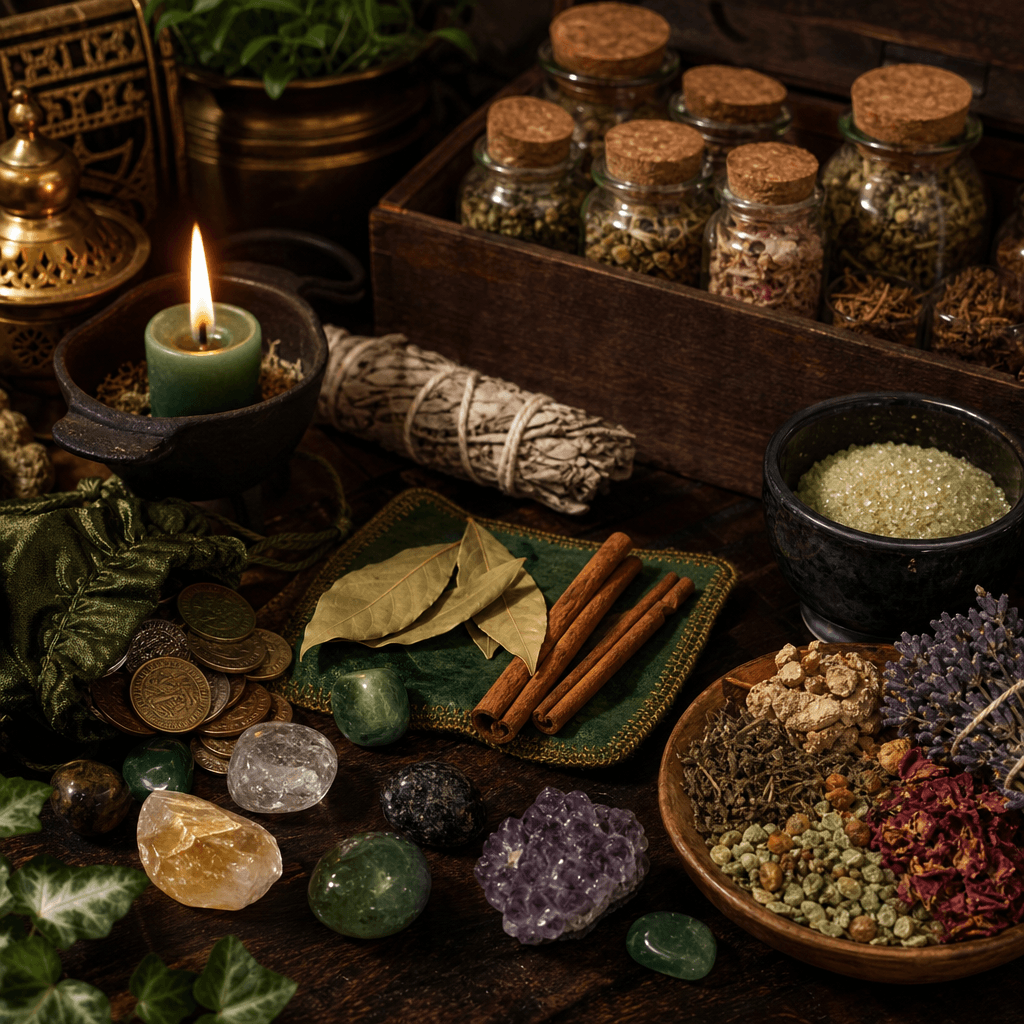
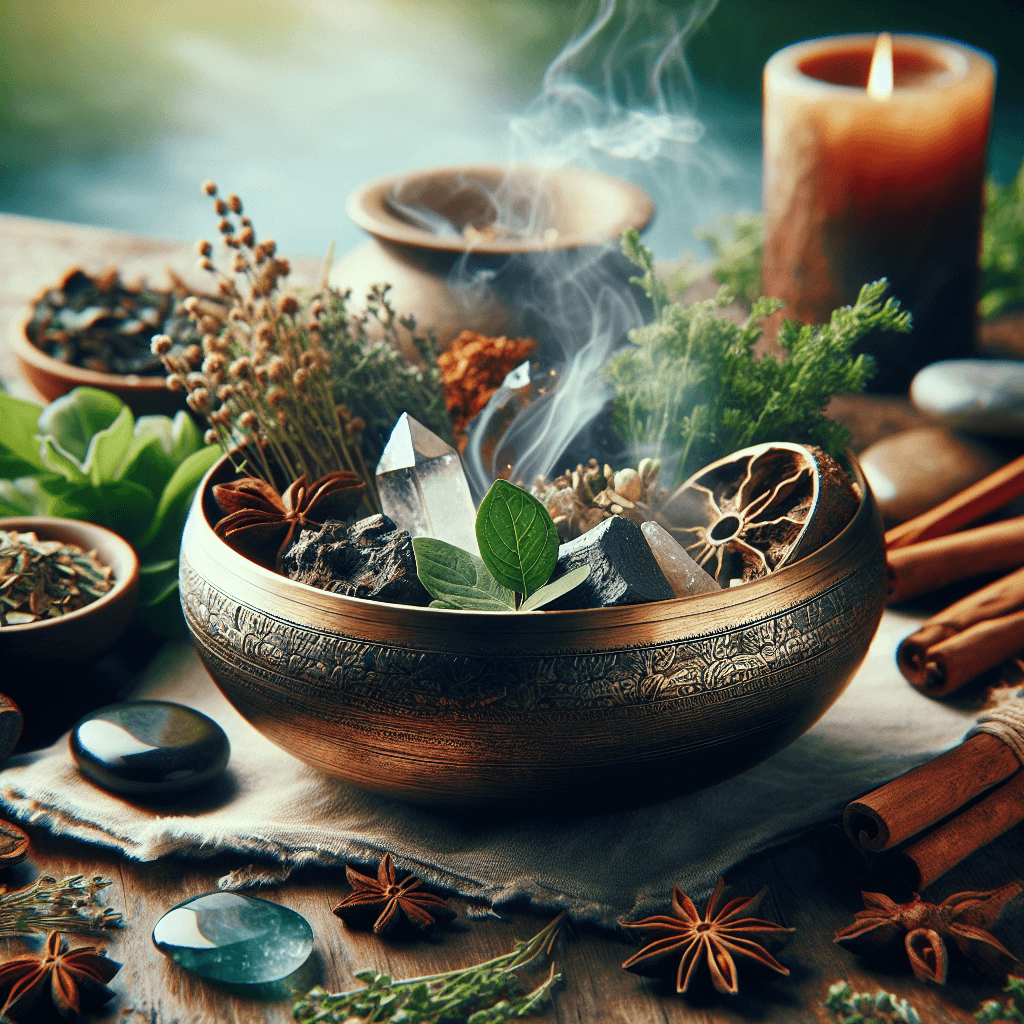
The finest cleansing ritual bowl materials include stone, ceramic, wood, and metal. These natural options provide energetic resonance and practical durability for your sacred work. Food-safe ceramic and wooden bowls top the list for home practitioners because they hold water, salt, herbs, and offerings safely without toxic reactions. Your bowl becomes a vessel for transformation, so choosing the right material matters for both safety and spiritual effectiveness.
Traditional Sacred Bowl Materials

Protect Your Energy: 20 Sacred Rituals for Protection, Aura Cleansing & Inner Peace (The Sacred Whisperer Collection)
View Product →Ancient pagan traditions have long favored earth-connected materials for sacred vessels. Silver bowls channel lunar energy and enhance scrying work while holding moon water and spirit offerings with reflective power. Stone bowls crafted from marble, obsidian, soapstone, or agate connect directly to earth energies and serve perfectly for mortar-style sacred work. These materials ground your practice in natural forces.
Ceramic bowls and blue glass vessels excel in healing magic, holding floral essences and gem elixirs while supporting herb-based aspersing rituals. The blue coloration adds water element connections that amplify cleansing intentions. Norse-inspired wooden bowls offer multi-purpose functionality, storing smudge sticks and incense while serving as offering vessels during consecration ceremonies. Wood provides warmth and accessibility that makes it ideal for daily practice.
Each traditional material carries specific energetic signatures that practitioners have recognized for centuries. Stone grounds and protects. Metal reflects and conducts. Wood nurtures and holds. Ceramic bridges earth and water elements seamlessly. Your choice of traditional cleansing ritual bowl materials should align with your primary magical focus and the deities or elements you work with most frequently. Consider how each material feels in your hands and responds to your energy before making your selection.
Metal, Wood, Stone, Ceramic Comparing
Metal bowls, particularly silver ones, bring lunar energy and reflective properties perfect for scrying and water magic. They hold holy water, moon water, and angelic waters while conducting energy efficiently during spirit work and fancy spells. The downside involves cost and the fact that acidic contents corrode metal surfaces over time.
Wood provides earthy, multi-purpose functionality with food-safe properties ideal for offerings and ritual storage. Wooden bowls store smudge materials and incense perfectly while serving Norse-style rituals beautifully. Wood absorbs moisture and requires proper seasoning to prevent cracking and warping.

SOUL STICKS Cleansing Water 7.5 oz. Bottle for Rituals, Clearing Negative Energy and Purifying Home Spiritual Florida Water, Area Deodorizer (Aura Cleanse)
View Product →Stone materials like marble, obsidian, and soapstone offer grounding and protective qualities that absorb dense energies during earth rituals and aura sweeping work. Stone bowls work excellently as mortars for grinding herbs and resins. The weight makes them difficult to move, and porous stones stain easily from colored liquids and oils.
Ceramic and blue glass options provide versatility for water magic with strong earthy connections that support healing sigil work, essence preparation, and cleansing aspersions. These materials break easily and cannot handle extreme temperature changes without cracking. Silver and stone deliver superior energetic conductivity for advanced ritual work, while wood and ceramic offer practical alternatives for everyday pagan practice. Your cleansing ritual bowl materials should match your experience level and ritual frequency.
DIY Ritual Bowl Creation
Creating your own ritual bowl starts with repurposing household items like wooden salad bowls, ceramic dishes, or stone mortars that you then cleanse and consecrate for sacred use. Begin the transformation by washing your chosen vessel with salted water, either sea salt infusion or hyssop tea, to remove previous energies and mundane associations. Pass the bowl through incense smoke using sage or Palo Santo to purify the energetic matrix and prepare it for sacred work. Charge your bowl under moonlight or with focused intention to align it with your spiritual practice and desired outcomes.
Enhancement techniques include placing protective crystals like selenite or amethyst inside the bowl or engraving protective sigils on the base using appropriate tools for your chosen material. Speak invocations during the consecration process, addressing the guardians of each direction and requesting that they cleanse your tool with their respective elements to serve your sacred magic.
The burial technique works powerfully for final purification. Bury your bowl overnight in salt to banish any remaining unwanted energies, then rinse it clean the following day. This complete process prepares your DIY creation for holding offerings, blessing water, or storing smudging materials safely. Your consecrated bowl now holds the energy signature of your intention and becomes a personalized tool for your spiritual work. The cleansing ritual bowl materials you choose for DIY projects should resonate with your energy and support your specific magical practices.
Best Cleansing Bowl Selection
Selecting your ideal bowl depends entirely on your ritual intentions and magical focus. Quartz crystal singing bowls excel for vibrational clearing and high-frequency healing work because they conduct energy like pure crystal formations and emit powerful healing tones. Stone or silver bowls work best for grounding and protection rituals, while ceramic vessels support water-based magical work beautifully. Prioritize ethically sourced materials that meet food-safety standards and resonate with your personal energy signature. Test potential bowls by holding them and sensing how energy flows between your hands and the material. Your body will tell you which cleansing ritual bowl materials align with your spiritual frequency.

Sacred Elements Ritual Cleansing Bath Salt with Herbs – 6 oz (170 g) | Natural Ritual Bath Soak for Renewal, Clarity, Grounding & Relaxation, Meditation & Self-Care.
View Product →Avoid synthetic plastics entirely because they cannot conduct or hold energy effectively for magical purposes. Natural materials amplify your intentions whether you work with smoke cleansing, sound healing, or water-based purification methods. Consider the size requirements for your practice space and storage capabilities. Large bowls hold more materials but require more storage space and become difficult to handle during rituals. Small bowls offer portability and discrete storage but limit the amount of materials you work with during ceremonies.
The weight of stone bowls provides grounding energy but makes them impractical for travel or outdoor rituals. Lighter materials like wood or ceramic offer flexibility for different ritual locations while maintaining spiritual effectiveness. Your selection should balance practical considerations with energetic requirements to create the most useful tool for your magical practice.
Ready to transform your spiritual practice with the perfect ritual vessel? Explore advanced techniques for consecrating your cleansing ritual bowl materials and discover which ancient methods will amplify your magical work most powerfully.
Related Items:

Lilly Dupres
Owner & AuthorLilly Dupres, a lifelong practitioner of paganism, established Define Pagan to offer a clear definition of paganism and challenge misconceptions surrounding modern pagan lifestyles.