
What Pagan Women Actually Wear to Outdoor Rituals in Cold or Changing Weather
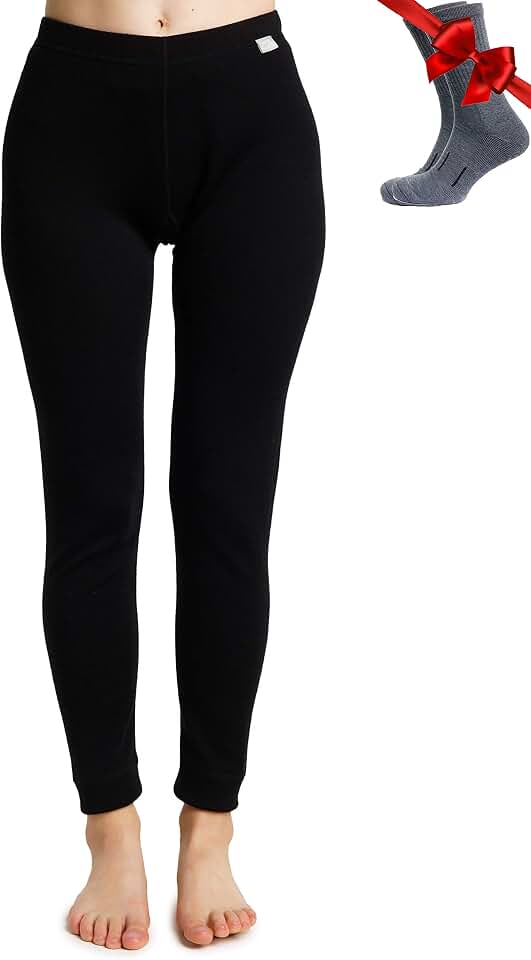
100% Merino Wool Base Layer Women Pants - Thermal Leggings Underwear
View Product →You have a rite coming up. Maybe it is a seasonal celebration, maybe a solitary spell under the moon, maybe a group circle in the woods. You stand in front of your closet and think: what will keep me warm, let me move, and still feel right for the work ahead? That question matters more than any costume detail. What Pagan women actually wear to outdoor rituals depends on the weather, the tradition, the privacy of the space, and the task at hand. Here is how to figure out what works for you.
Outdoor rituals rarely happen in controlled conditions. Temperatures drop once the sun goes down. Wind picks up near open fields or clifftops. Standing still for a long invocation feels very different from walking a mile to reach the site.
The answer is layers, not a single outfit. Start with a base layer that moves moisture away from your skin. Add a middle layer for warmth, like wool or fleece. Finish with an outer layer that blocks wind and rain. This system beats one dramatic robe every time, because you can add or remove layers as conditions change.
Pack extra items even when the forecast looks fine. Bring dry socks, gloves, a hat, and a spare warm layer. Cold hits harder when your body stays still during a rite. Wet clothing turns a meaningful night into a miserable one, or worse, a safety risk.
What Pagan Women Actually Wear to Outdoor Rituals Depending on the Work
The clothing you choose should match the physical demands of the ritual.
If you are walking through brush, kneeling on wet ground, or working near a fire pit, wear trousers or leggings. They protect your skin and let you move without worry.

If the rite calls for flowing movement, a long skirt or dress works well. Choose a fabric that moves easily and wear shorts or leggings underneath for warmth and coverage. Keep hems well away from candles and flame.
Before you commit to any outfit, test it. Squat down. Kneel. Raise both arms over your head. Walk uphill. If the garment restricts you in your living room, it will restrict you at the altar too.
What Pagan Women Actually Wear to Outdoor Rituals When Choosing Fabric
Natural fibers like wool and linen carry a long history in ceremonial dress. Linen feels light and cool in warm weather, but it wrinkles fast and holds onto moisture. Wool insulates even when damp and resists odor over a long night. Synthetic technical fabrics often dry fastest and handle rain or cold better than anything traditional.
None of these fabrics is more “correct” than another. Choose based on performance, not appearance. A fabric that keeps you dry and warm serves the rite better than one that merely looks the part.
Look for reinforced seams, closures that stay shut, and pockets that hold small tools without swinging around while you move. These small construction details separate a garment built for real use from one built only for a photo.
Robes, Symbolism, and Personal Meaning
Robes show up often in Wiccan and Pagan group ritual, especially formal ceremonies. They are common, not required. A robe does not need to look like it came from a medieval film set. A simple hooded layer, a wrap, or a loose tunic gives you the same sense of ritual distinction while staying practical around fire or altar tools.

100% Merino Wool Base Layer Women Set - Thermal Underwear Women Top, Bottom
View Product →You do not need an entire costume to mark a rite as sacred. One intentional piece does the job: a colored cord, a shawl, a piece of jewelry, a head covering. Choose something with meaning to you and let the rest of your outfit stay functional.
Skyclad practice, meaning ritual performed nude, belongs to specific traditions within Wicca, often traced to Gardnerian lineages. It is not a universal Pagan practice and never a requirement. No tradition, group, or person should pressure you into nudity or discomfort for any rite. Privacy, consent, and weather judgment come first, always.
Building Your Outfit Step by Step
- Choose a moisture-wicking base layer.
- Add an insulating middle layer, wool or fleece.
- Top with a wind and water-resistant outer layer.
- Pick bottoms based on the physical work: trousers for brush and kneeling, a skirt or dress for flowing movement, with leggings underneath.
- Add one symbolic piece: a cord, shawl, jewelry, or head covering.
- Test the full outfit at home. Kneel, squat, raise your arms, walk uphill.
- Pack a backup layer, dry socks, gloves, and a hat, regardless of the forecast.
This approach gives you an outfit that works for nearly any outdoor rite, in nearly any weather, without needing a different costume for every occasion.
Once you know what you need, finding it should not be hard. A reliable outdoor ritual outfit protects your body from cold, keeps you moving freely through physical work, and still carries the meaning you want in your practice. That combination is exactly what this guide points you toward, and sourcing it from a supplier who understands ritual use removes the guesswork. Visit our Pagan shop to find the layers, fabrics, and ritual pieces built for exactly what you have just read.

Lilly Dupres
Owner & AuthorLilly Dupres, a lifelong practitioner of paganism, established Define Pagan to offer a clear definition of paganism and challenge misconceptions surrounding modern pagan lifestyles.