
Ancient Decan Ritual Practices
Ancient decan ritual practices formed the cornerstone of Egyptian spiritual and astronomical traditions, shaping how ancient civilizations understood their connection to the cosmos.
Historical Decan Star Practices
The 36 decan star groups marked precise 10-day segments throughout the Egyptian year, creating a sophisticated system of celestial timekeeping. Temple priests meticulously observed these star clusters, using their heliacal risings to establish a divine connection between earth and sky. These observations went beyond mere timekeeping – they were integral to maintaining cosmic order, known as Ma’at. Priests conducted elaborate ceremonies at specific hours of the night, determined by which decan star group was visible. The practice required extensive training, with knowledge passed down through generations of temple astronomers who maintained detailed star charts and celestial maps.
Ancient Egyptian Decan Ceremonies
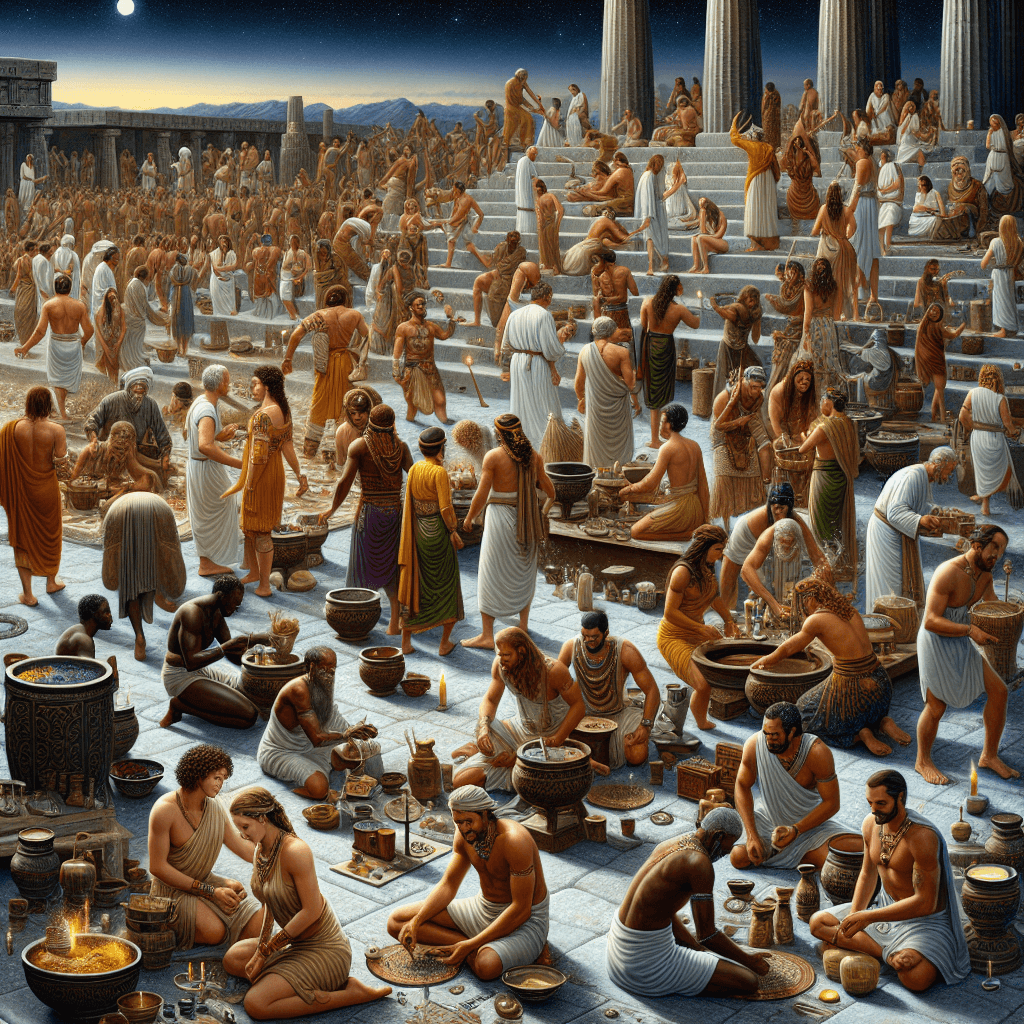
Temple rituals began with strict purification rites, as priests prepared themselves to commune with celestial powers. Wearing pure linen garments, they would conduct ceremonies timed precisely to stellar movements. The rising of Sirius held particular significance, marking the annual Nile flood and the Egyptian New Year. Priests led processions through temple complexes, offering incense and libations while reciting sacred texts that honored each decan’s divine essence. These ceremonies linked agricultural cycles, religious observances, and stellar movements into a unified system of spiritual practice.
Pagan Decan Worship Guide
Each decan embodied unique divine forces, believed to influence different aspects of earthly life. Worshippers sought guidance through these celestial guardians for matters ranging from health to harvest timing. The priests developed intricate systems of correspondence, linking specific decans to body parts, plants, and minerals. This knowledge formed the basis of early astrological medicine and timing of ritual practices. Communities would gather for major festivals when significant decans rose, creating a shared rhythm of spiritual life aligned with the stars.
Decan Ritual Tools and Supplies
Precision instruments called merkhets allowed priests to track stellar movements with remarkable accuracy. These tools, combined with water clocks and sighting rods, enabled exact timing of religious ceremonies. Temple complexes featured specialized observation chambers where priests could track the night sky. Star charts decorated temple ceilings and coffin lids, serving both as practical guides and spiritual maps for the soul’s journey through the afterlife. The sophisticated tools and architectural features demonstrate how deeply ancient decan ritual practices were embedded in Egyptian culture.
Ready to explore the mysteries of ancient star worship? Discover how these celestial practices continue to influence spiritual traditions by diving deeper into ancient decan ritual practices.
Related Items:

Lilly Dupres
Owner & AuthorLilly Dupres, a lifelong practitioner of paganism, established Define Pagan to offer a clear definition of paganism and challenge misconceptions surrounding modern pagan lifestyles.


