What herbs are best for making homemade cleansing smoke ritual blends for beginners?
Best Beginner Herbs for Cleansing Smoke Rituals
Starting your journey with cleansing smoke ritual blends requires selecting herbs that burn well and produce pleasant aromas while delivering potent purification properties. White sage remains the most recognized ceremonial herb across traditions, though its strong scent overwhelms some new practitioners. Sweetgrass and palo santo offer gentler alternatives with milder fragrances that welcome beginners into smoke cleansing practices.
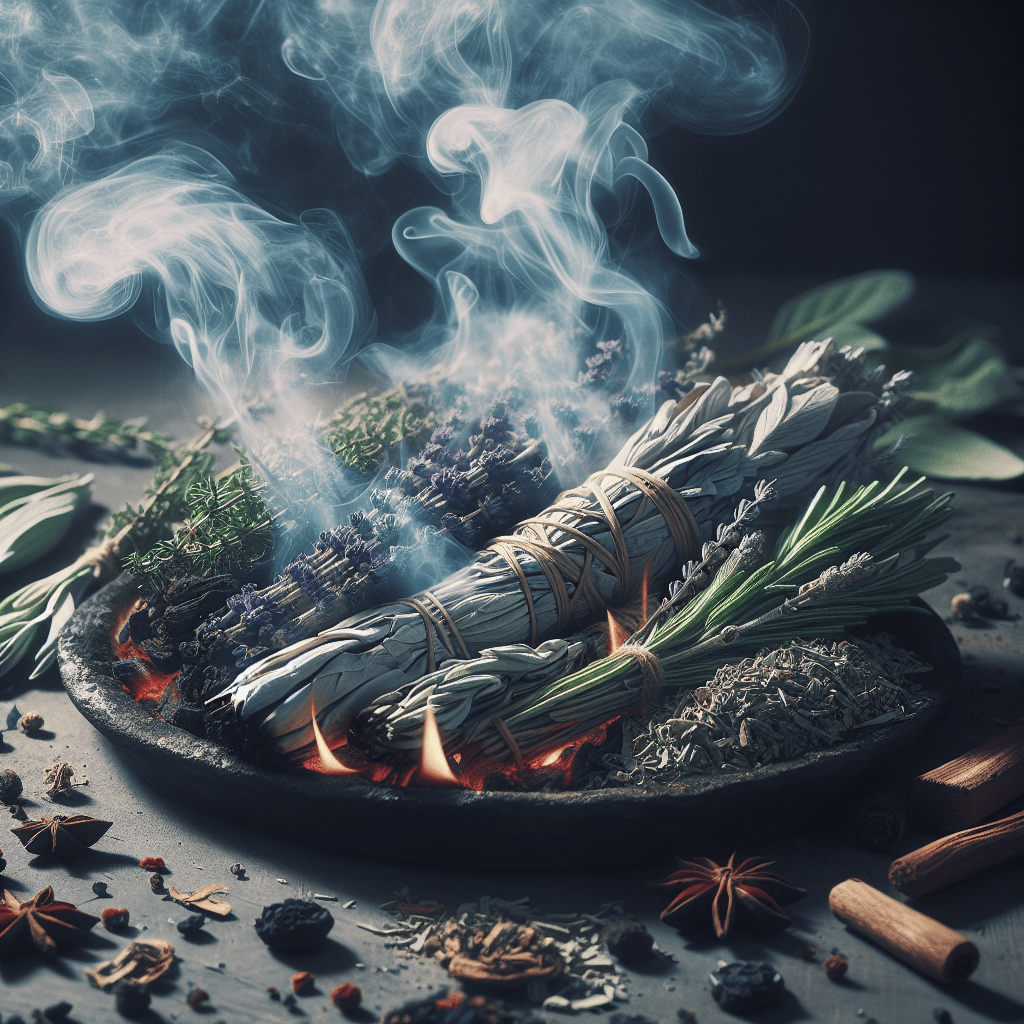
Lavender, rosemary, and cedar provide accessible starting points because they dry easily and burn consistently while producing steady streams of aromatic smoke. These foundational herbs grow in many climates and you obtain them through local gardens or trusted suppliers. Cedar brings earthy, grounding energy that creates protective barriers around your sacred space. Lavender delivers calming properties that soothe both mind and spirit during cleansing rituals. Rosemary stimulates mental clarity while providing potent purification qualities that clear stagnant energies.
When beginning your practice with cleansing smoke ritual blends, focus on single herbs first before combining multiple botanicals. This approach helps you understand each plant’s unique energetic signature and aromatic profile. Start with small amounts to test your sensitivity to different smoke densities and scents. Dried herbs work better than fresh ones for consistent burning and longer storage periods. Store your herbs in airtight containers away from direct sunlight to preserve their potency and aromatic qualities. Quality matters more than quantity when selecting herbs for your blends, so choose organically grown plants whenever possible to avoid chemical residues that interfere with purification work.
Sacred Herb Blend Recipes
Creating custom cleansing smoke ritual blends allows you to combine multiple herbs for specific intentions while producing complex aromatic profiles that enhance your spiritual practice. The lavender and rosemary combination creates one of the most beloved beginner blends, merging lavender’s peace-promoting qualities with rosemary’s mental clarity and cleansing properties. This pairing produces a floral yet invigorating smoke that clears negative thoughts while promoting emotional balance.
Cedar and sweetgrass form another powerful combination, pairing cedar’s protective purification with sweetgrass’s sacred blessing qualities to create an earthy, grounding blend perfect for space clearing and spiritual preparation. White sage serves as an excellent base herb that you enhance with complementary additions like lavender for calming energy, rosemary for protection work, or cedar for deeper grounding during ritual work.
Advanced practitioners incorporate mugwort for dream work and psychic enhancement, juniper for purification and healing, thyme for courage and strength, yarrow for emotional protection and boundary setting, eucalyptus for respiratory clearing and antimicrobial properties, rose petals for love and heart healing, chamomile for peace and gentle cleansing, bay leaves for success and manifestation work, basil for prosperity and positive energy, and lemongrass for mental stimulation and clarity. When blending herbs, start with equal parts of each ingredient and adjust ratios based on your aromatic preferences and intended spiritual outcomes. Document your recipes in a dedicated journal so you repeat successful combinations and track which blends work best for different types of cleansing work. Test small batches before making larger quantities, as some herb combinations produce unexpected scents or burning characteristics that might not suit your practice.
Traditional Smudging Plant Combinations
Cleansing smoke ritual blends carry deep cultural significance across multiple traditions, with specific plant combinations holding sacred meaning developed over thousands of years. Native American traditions primarily use sage, sweetgrass, and cedar in their ceremonies, with each plant serving distinct spiritual purposes within the cleansing process. Sweetgrass traditionally follows sage burning, as sage clears negative energies while sweetgrass invites positive spirits and blessings into the cleansed space. This sequential approach creates a complete energetic transformation that both purifies and sanctifies ritual areas. Cedar provides protection and grounding energy that shields practitioners from unwanted influences during spiritual work.
African cultures utilize Imphepo, also known as African sage, as their primary cleansing tool for ancestral communication and spiritual purification. Hindu traditions incorporate frankincense and various regional herbs for temple purification and meditation enhancement, while Chinese practices include specific botanical combinations for feng shui and energy balancing. European folk traditions developed their own cleansing smoke ritual blends using native plants like juniper, pine, and various aromatic herbs available in local ecosystems.
Each cultural tradition emphasizes working with plants that grow naturally in their geographic region, creating strong connections between land, people, and spiritual practice. Mediterranean cultures use olive leaves, rosemary, and lavender for cleansing rituals, while Northern European traditions favor pine, birch, and juniper combinations. These regional variations demonstrate how cleansing smoke ritual blends adapt to local plant availability while maintaining consistent purification principles across cultures. Practitioners honor these traditions by researching their own cultural heritage and learning about indigenous plants from their ancestral regions. This approach respects traditional knowledge while creating authentic connections to ancient cleansing practices.
Purification Smoke Ingredient Mixing
Proper preparation of cleansing smoke ritual blends requires understanding both physical bundling techniques and energetic considerations that affect your ritual outcomes. Fresh herb stems work best for creating smudge sticks, with ideal lengths ranging from five to eight inches and cut ends aligned for even burning. Gather herbs during dry weather conditions when plants contain lower moisture content, as wet herbs create problems during the drying process.
Hemp cord, cotton string, or natural twine provide the best binding materials because synthetic threads melt or produce toxic fumes when exposed to heat. Wrap binding material around your herb bundle while keeping leaves pointed in the same direction and flattened against the stems to create compact, evenly shaped sticks. Begin wrapping at the cut end and work toward the leaf tips, creating overlapping spirals that secure all plant material within the bundle. Tie off your cord securely and trim any excess binding material to prevent unwanted burning during use.

Drying requires placing your bundles in cool, dark locations with good air circulation for several days until leaves become brittle and aromatic. Proper drying prevents mold growth while concentrating essential oils that produce the aromatic smoke central to cleansing work. Test your bundles by gently squeezing them; properly dried sticks feel firm and produce rustling sounds when handled. Storage in breathable containers like paper bags or wooden boxes prevents moisture accumulation while allowing continued air circulation. Avoid plastic containers that trap moisture and compromise your dried herbs. Label your bundles with creation dates and ingredient lists to track aging and potency over time. Well-prepared cleansing smoke ritual blends maintain their effectiveness for months when stored properly in appropriate conditions.
Energy Clearing Botanical Formulas
Understanding the distinct energetic properties of different herbs helps you create cleansing smoke ritual blends tailored to specific purification needs and spiritual intentions. Sage produces earthy, strong smoke that delivers healing and mood elevation while providing the most comprehensive cleansing action available from botanical sources. Cedar creates earthy, woodsy, grounding smoke that specializes in protection work and negativity warding, making it essential for establishing sacred boundaries around ritual spaces.
Lavender generates floral, sweet, calming smoke that promotes relaxation, peace, emotional balance, and sleep support, perfect for evening cleansing rituals or stress relief work. Rosemary produces sharp, clean, invigorating smoke that enhances mental clarity, memory retention, and potent cleansing action that cuts through dense negative energies. Sweetgrass creates sweet, light smoke that specializes in sacred blessing work and positive energy invitation after initial cleansing with stronger herbs.
Yarrow generates slightly sweet, earthy, floral smoke that provides protection, emotional healing, and energetic boundary setting for sensitive practitioners. Eucalyptus produces sharp, medicinal, refreshing smoke that excels at negativity clearing while providing respiratory support and antimicrobial effects that benefit both spiritual and physical health. Frankincense creates resinous smoke that enhances meditation practices, promotes healing, and provides soul protection during deep spiritual work. Rose petals generate floral smoke that opens heart energy, promotes love and romance, supports meditation practices, and creates peaceful atmospheres.
Scientific research supports the antimicrobial properties of many traditional cleansing herbs, with studies showing that burning certain botanicals reduces airborne pathogens and bacteria by up to 94 percent. This dual nature combines traditional spiritual significance with measurable health benefits, explaining why cleansing smoke ritual blends have sustained their popularity across cultures for thousands of years. Practitioners achieve best results by working within their own cultural heritage and traditions while respecting the sacred knowledge preserved by indigenous communities worldwide.
Which cleansing smoke ritual blends will you create first to transform your spiritual practice and living space?
Related Items:

Lilly Dupres
Owner & AuthorLilly Dupres, a lifelong practitioner of paganism, established Define Pagan to offer a clear definition of paganism and challenge misconceptions surrounding modern pagan lifestyles.