
Traditional Steps to Perform Sacred Bowl Blessing Ritual for Beginners
Essential Elements and Consecration Process
Sacred Bowl Blessing Rituals begin with gathering four elemental representatives: salt for earth, pure water for the western quarter, incense or herbs for air, and a lit candle for fire. You consecrate each element individually by holding your hands over them while stating your intention to purify and bless. Start with salt, move to water, then incense, and finally the candle flame.
Next, recite a formal invocation to bind your intention to the physical object. A traditional example states: In the names of the Lord and the Lady, I bless and consecrate this bowl that it be cleansed of all negative energy. Let it be fit for use in my ritual. So mote can be.
You then apply elemental purification by sprinkling your bowl with consecrated salt water while visualizing unwanted energy dissolving completely. Pass the bowl through incense smoke to cleanse every surface, then expose it carefully to candlelight, allowing the flame’s transformative power to complete the elemental purification. Finally, place your bowl on your altar and bless it each day until the consecration feels complete, speaking blessing words over it during daily practice to gradually build its sacred charge through repeated intention.
Ancient Bowl Consecration Methods
Ancient traditions across cultures developed sophisticated methods for consecrating sacred vessels that modern practitioners still adapt today. Chinese Feng Shui traditions showcase elaborate bowl consecration through the Imperial Harvest Consecration Ceremony, which uses a pristine crystal bowl called the Imperial Harvest Crystal Vessel of Sacred Rituals to hold incense made from Qinan Agarwood and Sandalwood during ceremonial blessings. Master practitioners perform nine bows before the vessel, a sequence rooted in ancient Chinese tradition for invoking blessings from ancestral deities and the heavens. This practice demonstrates how ancient cultures understood the importance of formal recognition and respect when dedicating objects to sacred use. The number nine holds particular significance in Chinese numerology, representing completeness and divine connection. Modern practitioners adapt this approach by incorporating multiple bows or prostrations into their own consecration ceremonies, recognizing that physical gestures of reverence enhance the spiritual transformation of ordinary objects.
Celtic traditions emphasized the connection between natural elements and sacred vessels, often consecrating bowls near sacred springs or stone circles where earth energy concentrated most strongly. Druids would leave newly crafted bowls exposed to moonlight for three full lunar cycles, believing this process aligned the vessel with natural rhythms and lunar energies. They incorporated seasonal herbs gathered at specific times, such as vervain collected at summer solstice or oak leaves gathered during autumn equinox, into their consecration ceremonies. The Celtic approach recognized that timing and natural cycles played essential roles in successful consecration. Norse traditions involved exposing bowls to the elements during specific weather patterns, with thunderstorms being particularly favored for their cleansing electrical energy. Germanic tribes would bury bowls in earth for prescribed periods, allowing natural earth energies to permeate the vessel before formal consecration ceremonies. These practices demonstrate how ancient peoples understood that effective consecration required time, patience, and alignment with natural forces rather than rushed ceremony.
The Role of Altar Bowls in Ancestral Veneration and Devotional Practices
Sacred bowls serve multiple essential functions within altar work and ancestral veneration practices across various pagan traditions. Offering bowls represent fundamental altar tools because practitioners commonly offer food and drink during rituals, and having a dedicated bowl allows for indoor offerings when direct earth contact isn’t possible. These vessels become focal points for communicating with ancestors and deities, holding everything from fresh fruit and bread to wine and mead depending on the specific tradition and the entities being honored. The bowl itself becomes a bridge between the physical and spiritual realms, transforming ordinary substances into sacred offerings through intention and ritual context. Celtic practitioners often use wooden bowls carved from specific trees associated with particular ancestors or deities, while Norse practitioners favor horn bowls that connect them to their warrior heritage. Mediterranean traditions emphasize ceramic bowls glazed in colors corresponding to specific deities or seasonal celebrations.
In Norse Asatru practice, bowls collect libations poured during ritual ceremonies, particularly during the Blót ceremony where participants pour beverages as libations into a bowl during rounds honoring the Gods, Goddesses, and Heroes. This collected sacred liquid is then poured onto a sacred outdoor spot, connecting the ritual space to the earth and completing the cycle of offering. The bowl serves as a temporary holding vessel that allows the community to participate in group libation before the final earth offering. This practice demonstrates how bowls facilitate community participation in sacred acts while maintaining the connection to natural elements. Kemetic practitioners use bowls filled with natron water for purification rites honoring Egyptian deities, while Roman reconstructionists employ specific bowl shapes dictated by historical sources for offerings to household gods.
Daily devotional practices incorporate blessing bowls to maintain continuous connection with divine presence throughout ordinary activities. Practitioners place water reserved from full moon rituals, sea salt flakes, and essential oils into altar bowls, creating consecrated mixtures for morning blessing ceremonies. After completing morning routines, you stand before your altar and anoint yourself with the water while speaking salutations to your chosen deity, then proceed with your day carrying that sacred connection. This daily practice strengthens the relationship between spiritual work and mundane activities, ensuring that every action becomes an extension of ritual consciousness. The bowl serves as a constant reminder of your dedication to walking with divine presence, grounding you in the sacred nature of all activities from work responsibilities to family interactions.
DIY Sacred Bowl Cleansing
Modern practitioners create powerful consecrated bowls at home using accessible materials adapted from ancient traditions, making Sacred Bowl Blessing Rituals available to anyone regardless of budget or location. Your simple blessing bowl setup includes water reserved from a full moon ritual, sea salt flakes, and a few drops of essential oil such as lavender for peace or rosemary for protection placed in any bowl on your altar space. The specific bowl material matters less than your intention and consistency in practice. Kitchen bowls work perfectly well when consecrated with proper intention and regular use. Glass bowls allow you to see the water clearly and observe any changes in clarity or energy, while wooden bowls connect you more directly to earth elements. Ceramic bowls hold temperature well and feel substantial in your hands during ritual work. Metal bowls, particularly copper or silver, conduct energy effectively and add their own metaphysical properties to your practice. The key lies in choosing a bowl that feels right to you and dedicating it exclusively to sacred use rather than alternating between mundane and ritual purposes.

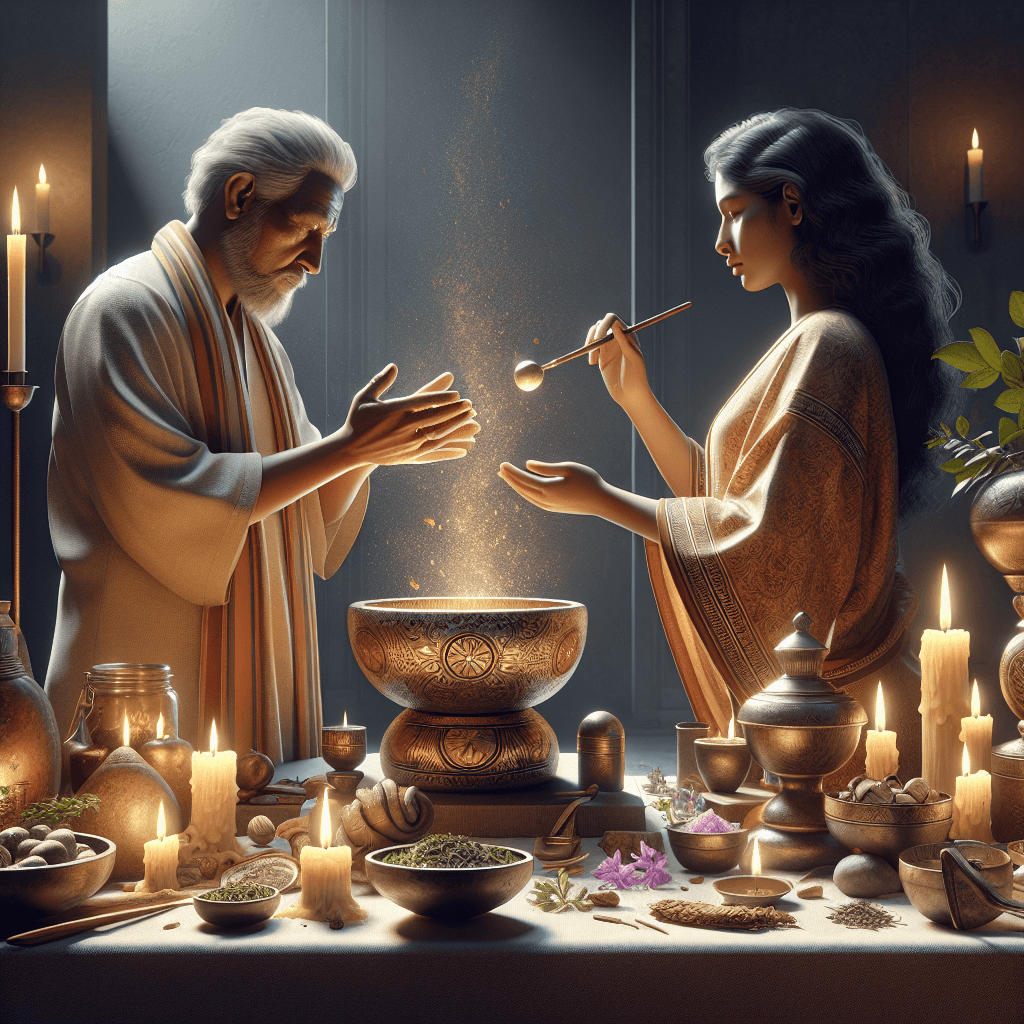
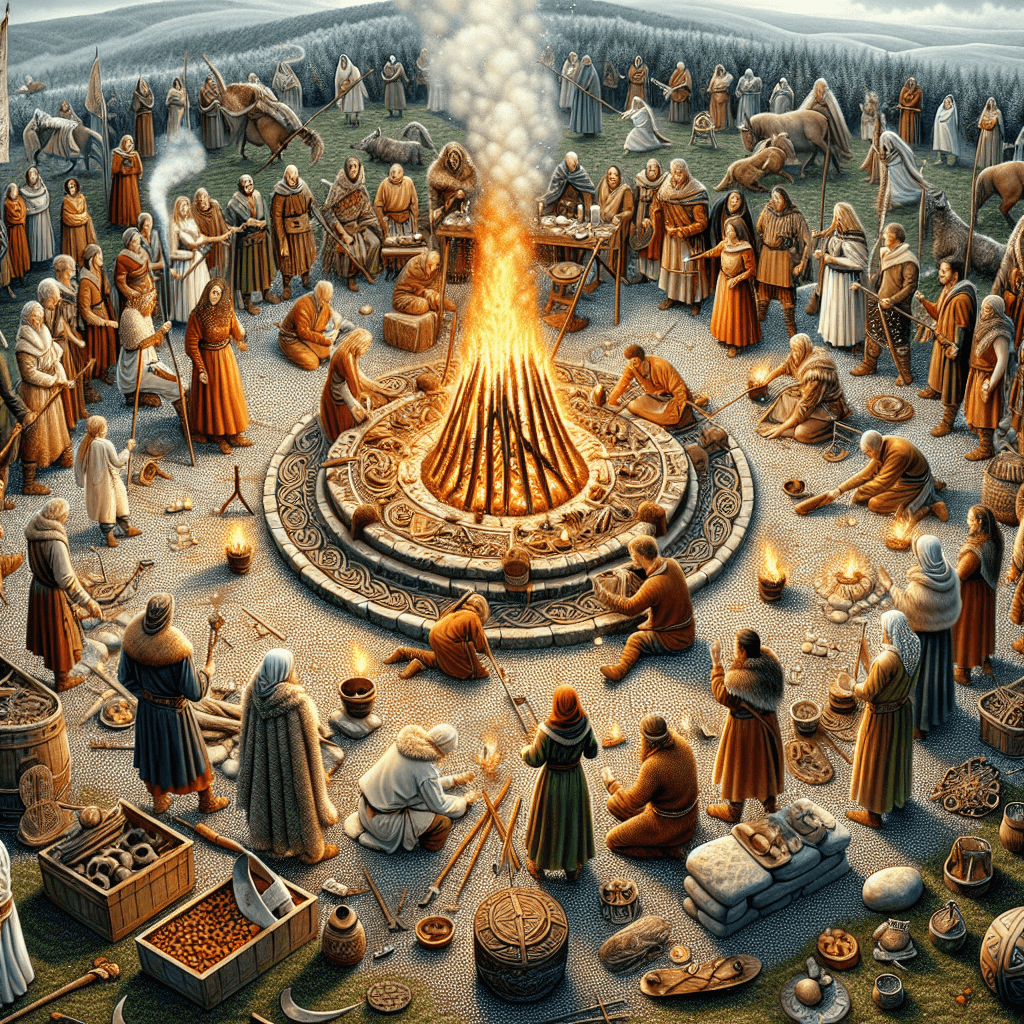
Energetic cleansing methods for existing bowls require attention to both physical and spiritual aspects of purification. Intention-based cleansing involves placing your hands on the bowl, closing your eyes, and repeating a cleansing prayer such as: I free any stagnant or heavy energy from this bowl. I cleanse and reset it to its highest frequency, ready to support healing, clarity, and love. This method works particularly well for practitioners who prefer gentle approaches or live in spaces where smoke cleansing isn’t practical. You visualize white or golden light flowing through your hands into the bowl, dissolving any accumulated negative energy and filling the vessel with fresh, positive vibration. Some practitioners add specific breathing techniques, inhaling cleansing energy and exhaling any stagnant forces while maintaining physical contact with the bowl.
Smoke cleansing using Palo Santo or ethically sourced sage provides particularly effective cleansing for crystal bowls, as quartz responds well to vibrational frequencies carried by sacred smoke. You light a stick of Palo Santo or white sage, then gently waft the smoke around your bowls in counterclockwise motion with slow, circular movements, paying special attention to the underneath and rim areas where energy accumulates most readily. While smudging, repeat your intention: As this sacred smoke clears the space, I invite all heavy energy to dissipate. Other herbs work equally well depending on your tradition and personal preferences. Frankincense connects to solar energies and divine masculine qualities, while cedar provides grounding and protection. Mugwort enhances psychic abilities and dream work when you plan to use your bowl for divination or meditation practices. Rose petals add love and healing vibrations, making them perfect for bowls dedicated to self-care or relationship healing work.
Bowl Selection and Material Considerations
Choosing the right bowl for your Sacred Bowl Blessing Rituals depends on your specific practice, living situation, and personal energy preferences. Natural materials like wood, stone, and clay connect you directly to earth energies and work well for grounding rituals, ancestor work, and seasonal celebrations. Wooden bowls carved from oak carry strength and endurance, while willow bowls enhance intuition and lunar magic. Apple wood bowls support love magic and healing work, particularly when you’re focusing on heart chakra opening or relationship healing. Stone bowls, especially those made from local stones, connect you to the land and regional spiritual energies. Granite bowls provide stability and protection, while marble bowls enhance purity and spiritual cleansing practices. Clay bowls shaped by hand carry the energy of their maker and work particularly well for earth-based traditions or agricultural blessing ceremonies.
Glass and crystal bowls offer different energetic properties and practical advantages for various ritual applications. Clear quartz bowls amplify intention and work well for any type of ritual, while amethyst bowls enhance spiritual connection and meditation practices. Rose quartz bowls support heart healing and self-love work, making them perfect for blessing rituals focused on emotional healing or relationship magic. Glass bowls allow you to observe your ritual mixtures clearly and notice any changes in color, clarity, or energy during extended ceremonies. They also clean easily and don’t retain odors from previous rituals, making them practical for practitioners who use different herb and oil combinations regularly. Colored glass bowls correspond to different magical intentions: blue glass supports communication and truth magic, green glass enhances prosperity and healing work, while red glass amplifies passion and courage spells.
Metal bowls bring their own unique energetic signatures to blessing rituals and work particularly well for practitioners drawn to ceremonial magic or formal ritual structures. Copper bowls connect to Venus energy and enhance love magic, beauty spells, and artistic inspiration rituals. Silver bowls align with lunar energies and work excellently for moon magic, divination practices, and goddess devotion ceremonies. Brass bowls combine copper and zinc energies, creating balance between earthly and spiritual concerns while supporting prosperity magic and business blessing rituals. Pewter bowls provide gentle, steady energy that works well for healing rituals and daily blessing practices. When selecting metal bowls, consider how different metals feel in your hands and whether they complement or clash with other tools on your altar space.
Your Sacred Bowl Blessing Rituals will evolve as your practice deepens and your spiritual needs change throughout different life phases. Which type of blessing bowl calls to your spirit right now, and what intention will you set for your first consecration ceremony?
Related Items:

Lilly Dupres
Owner & AuthorLilly Dupres, a lifelong practitioner of paganism, established Define Pagan to offer a clear definition of paganism and challenge misconceptions surrounding modern pagan lifestyles.