
What Do You Actually Wear for a Fairycore Pagan Ritual?
You want to look the part without feeling like you’re wearing a costume to a ritual that means something to you. That’s a fair goal. Fairycore pagan outfits work best when every piece has a job to do, not just a look to sell. Below is a clear path to building one, piece by piece.
The Foundation of Fairycore Pagan Outfits
Start with one flowing base layer. A linen or cotton maxi dress works well. So does a tiered midi skirt or a pair of wide-leg linen trousers. Pick colors from the woodland palette: cream, moss, sage, dusty rose, lavender, brown, or muted blue. These colors read as natural, not costumed.
If you’re dressing for cooler weather, add a long-sleeved cotton blouse or peasant top under a pinafore dress or lace-up bodice. This gives you warmth without losing the soft, natural shape that defines fairycore pagan outfits.
Adding Structure to Fairycore Pagan Outfits
Loose fabric needs something to hold its shape. Buy one structured layer: a fitted waistcoat, a corded bodice, a cropped wool cardigan, or a lace-up vest. This piece does two things. It shapes the outfit, and it adds warmth you’ll need during outdoor rituals.
Linen and cotton breathe well, which matters if you’re moving around outside. Wool holds heat, which matters during cold-season rites. Silk looks beautiful as a slip, scarf, or ritual sash, but save it for moments away from open flame. Silk near a fire pit is a fast way to ruin a good scarf.
The Outer Layer Every Fairycore Pagan Outfit Needs
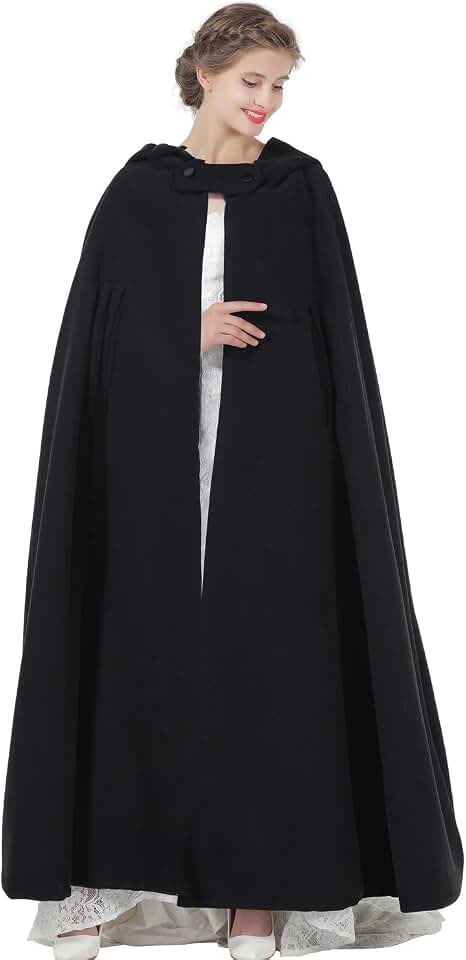
A shawl, cloak, or long knitted wrap finishes the look, but it’s not just decoration. This layer lets you adjust to changing weather mid-ritual. It also gives you coverage if your practice happens in public or semi-public spaces.
Choose a simple clasp over long trailing ties. Ties catch on branches, candles, and altar tools. A clasp keeps the cloak secure without the risk.
Pair this with a woven basket or small crossbody pouch. Skip the purely decorative bag. You need something that can actually hold matches, written intentions, herbs, or protective objects.
What Fairy Folklore Actually Says About Color

There’s no single uniform for fairycore pagan outfits, and folklore doesn’t hand you one either. Green has a long history in British fairy lore, but that history isn’t all positive. In parts of Britain and Ireland, green also carried warnings and bad luck associations.
Treat this as background, not a rule you have to follow. Your own tradition, your relationship to the land, and the purpose of your ritual should decide whether green, black, white, red, or another color holds meaning for you.
Fabric Choices That Hold Up During Ritual Use
Check the fabric before you buy anything. Linen should feel firm and breathable, not flimsy. Cotton shouldn’t tear at the first snag on a branch or thorn. Wool should feel dense enough to keep you warm without shedding everywhere.
Rayon, polyester chiffon, and synthetic lace can create a pretty silhouette, but they melt and snag easily, and they trap heat near flames. Save these fabrics for rituals without fire, or swap in natural-fiber versions for anything you plan to wear regularly.
Accessories Worth Buying for Fairycore Pagan Outfits
Footwear comes before jewelry. Buy sturdy lace-up boots, Mary Janes, or flat leather shoes with secure soles first. Wet grass, uneven ground, and woodland paths are not forgiving, and good shoes matter more than any pendant.
Once your footwear is sorted, add small symbolic pieces: a ribbon, a floral hair comb, a pressed-flower locket, an acorn pendant, or a mushroom motif. Keep these intentional rather than decorative for decoration’s sake. A flower crown works beautifully for a seasonal rite, but it becomes a problem fast if it blocks your vision or sheds petals across your altar.
Mistakes to Avoid in Fairycore Pagan Outfits
Don’t buy a full matching set from one listing. Fairycore pagan outfits look more convincing when textures contrast: linen against lace, cotton against wool, a soft skirt against a weathered boot. Matching sets tend to read as costume, not practice.

Watch trailing fabric around candles. Loose sleeves and long hems are a fire risk you don’t need.
Keep your symbols honest, too. Fairies, elves, land spirits, and ancestors are different things. Don’t let your clothing imply a relationship with any of them that your actual practice doesn’t hold.
Building Fairycore Pagan Outfits in the Right Order
Work in stages. Start with your foundation piece. Add a warm structured layer. Choose practical footwear next. Finish with symbolic accessories that mean something to you specifically.
Sourcing from a supplier who understands ritual use makes a real difference, especially for cloaks, pouches, jewelry, and altar-safe materials. Quality here isn’t about looking expensive. It’s about pieces that hold up to fire, weather, and movement.
Every piece in a fairycore pagan outfit should earn its place, from the fabric you choose to the clasp on your cloak. That’s exactly what you’ll find in our shop: natural-fiber layers, practical pouches, and ritual-ready accessories built for real practice, not just photos. Take a look at the full collection here.

Lilly Dupres
Owner & AuthorLilly Dupres, a lifelong practitioner of paganism, established Define Pagan to offer a clear definition of paganism and challenge misconceptions surrounding modern pagan lifestyles.