How to Properly Clean and Maintain a Pewter Chalice Without Damaging the Metal Finish
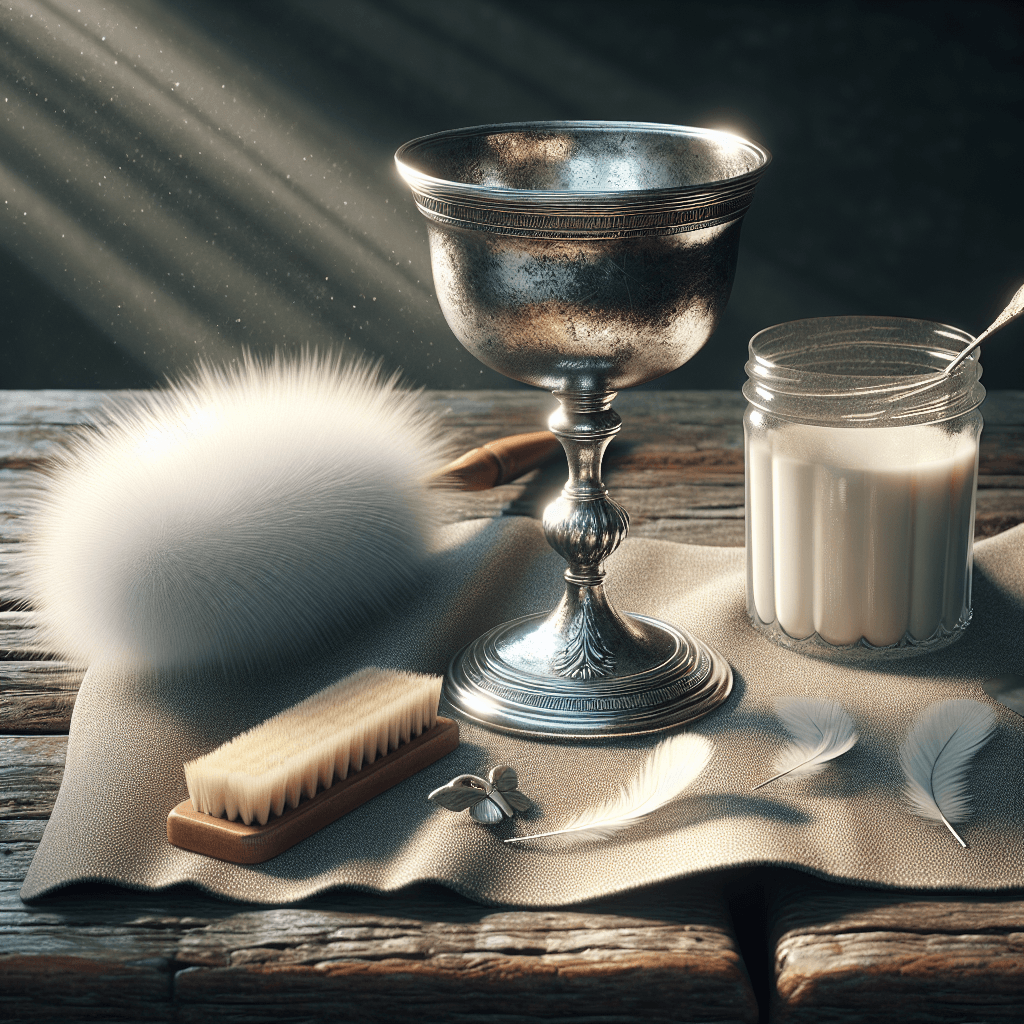
This question matters deeply to Pagan practitioners who understand that these sacred vessels require specialized care to preserve both their physical beauty and spiritual potency. Proper pewter chalice care begins with immediate action after each ritual use. Hand wash your chalice with warm water and mild dish soap using only soft cotton or microfiber cloths. The gentle approach protects the metal from scratches while removing wine, juice, or other ritual residues. Avoid abrasive pads, nylon cloths, alcohol, or commercial polishes. These harsh materials damage pewter’s soft surface more easily than silver or gold-plated alternatives. Rinse thoroughly under running water and pat completely dry with a cotton towel to prevent water spots and oxidation. Handle your chalice with cotton gloves when possible to minimize fingerprints and oils from your skin. Physical cleaning represents only half of proper maintenance for ritual vessels. Energetic cleansing follows each use through smoke cleansing with sage or incense, salt water soaks, moonlight exposure, or sound clearing with bells or singing bowls. Your pewter chalice absorbs energetic residue during ceremonies, particularly during intense emotional workings or group rituals. Regular energetic maintenance keeps your sacred vessel clear and ready for the next ceremony. Store your chalice wrapped in silk or soft cloth on your altar, always covered when not in use. Never use your ritual chalice for mundane purposes, as this dilutes its sacred energy and exposes it to unnecessary wear.
Daily Pewter Chalice Maintenance
Daily maintenance of your pewter chalice involves simple yet crucial steps that preserve both its physical condition and spiritual integrity. After each ritual, wipe your chalice gently with a soft cloth dampened in warm water mixed with baking soda or mild soap. This immediate cleaning neutralizes acidic liquids from wine, fruit juices, or herbal infusions that would otherwise etch the pewter surface over time. Acidic substances pose the greatest threat to pewter’s soft composition, creating permanent stains or pitting if left uncleaned. Dry your chalice thoroughly after each cleaning, paying special attention to the base and any decorative elements where moisture tends to collect. Water trapped in these areas creates tarnish and oxidation that damages the metal’s appearance and energetic properties. Between major rituals, perform quick energetic clearings by passing your chalice through incense smoke or placing it under moonlight overnight. Heavy emotional workings, healing rituals, or group ceremonies require more intensive energetic cleansing to remove accumulated psychic residue. Consider the lunar cycle when planning deeper cleanings, as the waning moon provides optimal energy for releasing and purification work.
Your storage method affects daily maintenance needs significantly. Keep your chalice wrapped in natural fibers like silk, cotton, or linen rather than synthetic materials that trap moisture or create static. Position it on your altar where it remains easily accessible for regular use while protected from dust, direct sunlight, and temperature fluctuations. Room temperature stability prevents expansion and contraction that stresses the metal over time. Weekly energy maintenance involves more thorough cleansing with salt water soaks, sound clearing with singing bowls, or overnight placement in a crystal grid for recharging. Document your chalice’s condition in your grimoire or Book of Shadows, noting any changes in appearance, energy, or performance during rituals.
Removing Tarnish From Pewter
Tarnish removal from pewter requires patience and gentle techniques that preserve the metal’s natural patina while restoring its sacred luster. Light tarnish responds well to a paste made from baking soda and water applied with a soft cloth in circular motions. Work the paste gently across the surface, focusing on areas where tarnish appears heaviest around the rim, base, or decorative elements. Rinse immediately after treatment and dry completely with a cotton towel to prevent water spots. Over-rubbing damages pewter’s soft surface and removes the natural patina that develops through regular ritual use. This patina often enhances the chalice’s sacred appearance and connects it more deeply to your practice’s history. Heavy tarnish requires professional attention rather than aggressive home remedies that pit or scratch the metal permanently. Pewter’s tin-based composition makes it more vulnerable to damage than harder metals, so professional refinishing preserves your investment while maintaining the vessel’s ritual integrity.


Some practitioners choose to embrace natural patina development as part of their chalice’s spiritual evolution. This approach honors the tool’s journey through countless rituals while reducing maintenance requirements. Polish only when necessary for specific ceremonial needs or when tarnish interferes with the chalice’s energetic properties. Prevention works better than correction when managing pewter tarnish. Regular cleaning after each use, proper storage, and controlled environmental conditions minimize tarnish formation. Humidity control in your ritual space helps significantly, as excess moisture accelerates tarnish development in all metals, especially soft alloys like pewter. Consider using moisture-absorbing packets in your storage area or investing in a dehumidifier for your ritual room. Temperature stability also matters, as rapid changes stress the metal and promote oxidation. When tarnish removal becomes necessary, choose timing that aligns with your magical practice. Perform cleaning during the waning moon for releasing old energy or during the new moon for fresh beginnings with your ritual tools.
Best Pewter Cleaning Products
Selecting appropriate cleaning products for your pewter chalice ensures effective maintenance without compromising the metal’s integrity or your ritual safety. Mild dish soap designed for delicate surfaces provides the foundation for regular cleaning, effectively removing ritual residues while remaining gentle enough for frequent use. Choose soap without harsh detergents, artificial fragrances, or antibacterial additives that leave residues or interfere with your chalice’s energetic properties. Baking soda solutions offer versatile cleaning power for both light tarnish and general maintenance, neutralizing acids from wine or fruit juices while providing gentle abrasive action for stubborn spots. Mix baking soda with water to create pastes for tarnish removal or dissolve it in warm water for routine cleaning. This food-grade approach ensures safety when your chalice contains liquids for consumption during rituals. Specialized metalware cleaning products exist, though finding pewter-specific formulations proves challenging in the marketplace. Brightening soaps and fingerprint removers designed for delicate metals work well when applied with soft cloths, providing shine without harsh chemicals. Look for oil-free formulas that won’t leave residues affecting taste or spiritual energy. Avoid products containing ammonia, bleach, or acidic compounds that damage pewter’s soft surface.
Your cleaning cloth selection impacts results as much as your chosen products. Soft cotton cloths, microfiber towels, and cotton gloves form essential tools for safe pewter maintenance. Never use paper towels, rough fabrics, or synthetic materials that scratch the surface. Invest in dedicated cleaning cloths used only for ritual tools to avoid contamination from household cleaning products or mundane use. Natural cleaning alternatives align well with Pagan values while providing effective results. White vinegar diluted with water removes light tarnish, though use it sparingly and rinse thoroughly to prevent acid damage. Lemon juice works similarly but requires immediate neutralization with baking soda and thorough rinsing. Essential oil-infused cleaning solutions add energetic benefits while maintaining your chalice, though ensure oils won’t interfere with future ritual liquids. Food-grade cleaning products take priority when selecting maintenance supplies, as your chalice holds consumable liquids during ceremonies.
Pewter Altar Chalices: Why
Pewter altar chalices hold special significance for Pagan practitioners seeking affordable yet meaningful ritual vessels that embody the sacred feminine without the cost barriers of precious metals. This tin-based alloy offers durability superior to brass or copper alternatives while maintaining the subtle metallic luster that reflects candlelight beautifully during ceremonies. The metal’s soft gray appearance evokes lunar energy and connects practitioners to the moon’s cycles, making it particularly appropriate for Goddess-centered traditions and water element workings. Unlike silver chalices that require expensive maintenance or gold-plated options that wear thin over time, pewter develops character through use while remaining accessible to practitioners at all economic levels. The symbolic associations of pewter chalices run deep within Pagan cosmology and ritual practice. These vessels represent the Goddess’s womb, the source of all creation and the container for life-giving waters. During unity ceremonies, the athame’s ritual insertion into the chalice symbolizes the sacred marriage of masculine and feminine energies, with pewter providing an appropriate receptacle for this profound symbolism. Water scrying becomes more effective with pewter’s reflective surface, which provides enough reflection for divination work without the distracting brilliance of highly polished metals. The chalice holds ritual wine, blessed water, herbal infusions, or other sacred liquids shared during group ceremonies or offered to deities during personal practice. Pewter’s food-grade composition ensures safety when consuming ritual beverages, while its substantial weight provides the gravitas appropriate for sacred work.
Practical considerations make pewter chalices excellent choices for regular ritual use and outdoor ceremonies. The metal withstands temperature changes better than glass or ceramic alternatives, reducing breakage risks during transport or seasonal rituals. Pewter’s natural patina development creates an authentic aged appearance that connects modern practitioners to historical magical traditions without requiring artificially aged reproductions. The metal’s relative softness allows for easier engraving of personal symbols, deity names, or magical alphabets that personalize each vessel for its owner. Maintenance requirements remain manageable compared to precious metals, allowing practitioners to focus on spiritual development rather than constant polishing and care. Group practices benefit from pewter’s durability during shared use, while its moderate cost enables covens or study groups to provide matching chalices for all members.
Proper pewter chalice care guide principles ensure your sacred vessel serves faithfully through countless rituals while maintaining both physical beauty and spiritual potency. Your commitment to gentle cleaning, appropriate storage, and regular energetic maintenance honors the divine feminine energy these vessels represent while preserving your investment in meaningful ritual tools. Will you implement these pewter chalice care techniques to deepen your connection with this sacred vessel and enhance your magical practice?
Related Items:

Lilly Dupres
Owner & AuthorLilly Dupres, a lifelong practitioner of paganism, established Define Pagan to offer a clear definition of paganism and challenge misconceptions surrounding modern pagan lifestyles.