What are the 7 Essential Tools Every Beginner Needs for Their First Pagan Altar Setup?
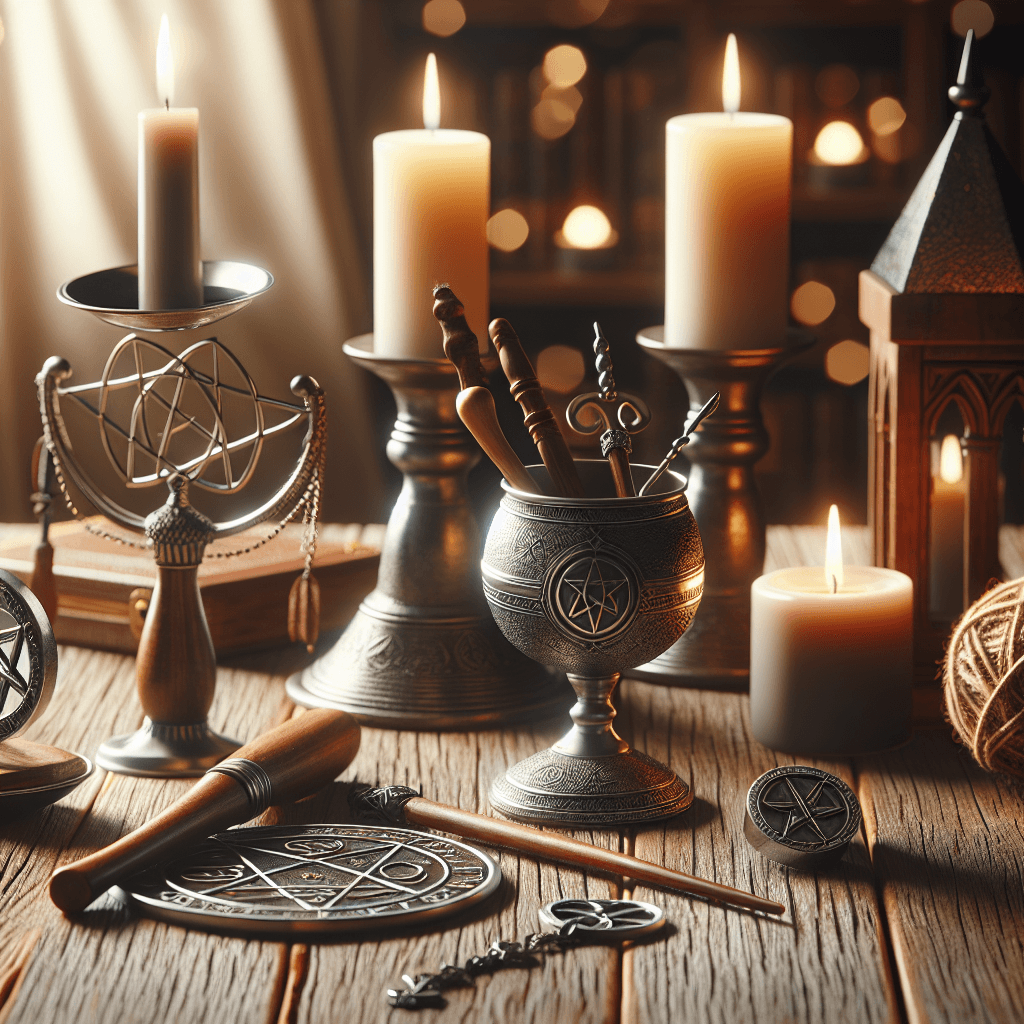
The seven fundamental tools for a beginner’s first pagan altar are the athame, wand, chalice, pentacle, cauldron, candles, and incense or herbs. These tools represent the elements and core ritual functions while keeping your setup simple and meaningful. The athame directs energy and connects to Fire or Air depending on your tradition. The wand focuses your will and intention during spellwork. The chalice holds water and represents the Water element. The pentacle symbolizes Earth and spirit while offering protection and balance. Your cauldron serves as a vessel for transformation and burning incense. Candles provide Fire energy and illumination for invocations. Incense or herbs purify your space and represent the Air element. These seven Pagan Altar Essential Tools form the foundation of your sacred practice and give you everything needed to begin meaningful ritual work.
Pagan Altar Essential Tools: Basic Altar Tool Requirements
Building your first altar requires understanding how each tool serves your practice and represents elemental energies. Your athame serves as a sacred blade for directing energy during ritual work, not for physical cutting. This double-edged knife traditionally has a black handle and represents your will made manifest. The blade cuts through negative energy and creates sacred boundaries around your working space. Your wand focuses and channels your personal energy outward during spellcasting and invocations. Choose wood that resonates with your practice, such as oak for strength, willow for intuition, or hazel for wisdom. The chalice holds water for cleansing rituals, wine for celebrations, or other sacred liquids during ceremonies. This cup represents the feminine divine, receptivity, and the Water element’s flowing nature. Your pentacle displays the five-pointed star within a circle, symbolizing the four elements plus spirit unified in perfect balance. This disc provides a foundation for blessing objects and represents Earth’s grounding energy.
The cauldron serves multiple functions as a vessel for burning incense, mixing herbs, or holding water during full moon rituals. This three-legged pot connects you to the transformative power of Fire and the wisdom of ancient practitioners. Candles illuminate your sacred space and represent Fire’s purifying energy during invocations and meditation. Different colors serve specific magical purposes: white for purification, red for passion, green for abundance, blue for healing, and black for protection. Your incense carries prayers upward and cleanses your altar area before ritual work begins. Frankincense opens spiritual channels, sage purifies negative energy, and lavender promotes peace and healing. Each tool holds symbolic meaning while serving practical functions during your spiritual work. Arrange these items on any flat surface covered with cloth to create your personal sacred space. Start with these seven foundation tools and add other items as your practice develops and your needs become clearer.
Pagan Altar Essential Tools: Advanced Ritual Implement Guide
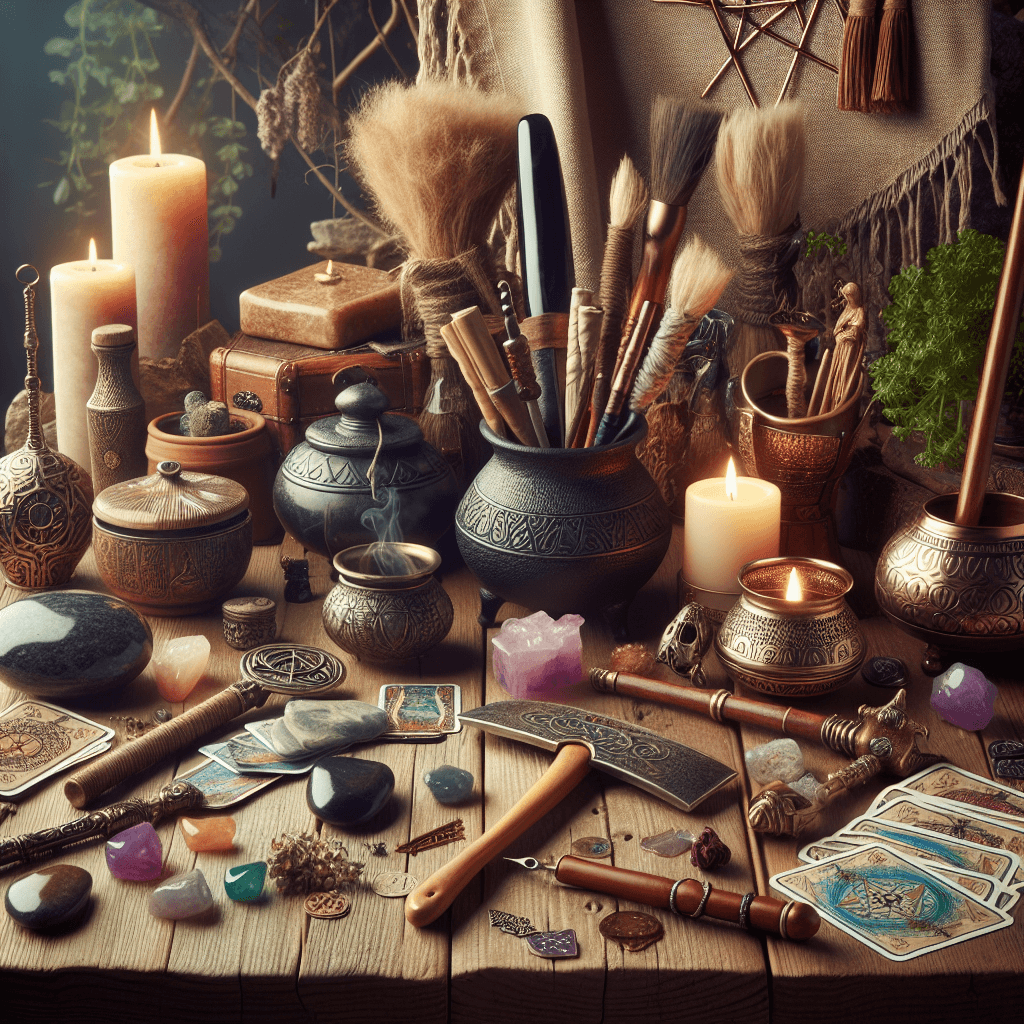
Advanced practitioners expand their tool collection to support more complex rituals and deeper spiritual work. The boline serves as your practical working knife with a white handle for cutting herbs, carving candles, and preparing ritual materials. Unlike the ceremonial athame, this blade performs physical tasks and connects you directly to your craft’s practical aspects. A ritual besom or broom cleanses your sacred space by sweeping away negative energies before important ceremonies. This tool represents Air element properties and prepares your area for positive energy flow. Your bell signals the beginning and end of ritual work while purifying the atmosphere with sound vibrations. Ring it nine times to cleanse your space or three times to mark ritual transitions. A mortar and pestle allows you to grind herbs and create your own incense blends for specific magical purposes. This pairing represents the union of masculine and feminine energies working together.
Consider adding a staff or sword for group rituals where you need to amplify and direct energy across larger spaces. These tools extend your personal energy field and command attention during public ceremonies. Offering bowls provide dedicated spaces for gifts to deities, ancestors, or nature spirits during devotional work. Use separate bowls for different types of offerings: one for food, another for flowers, and a third for libations. Crystal spheres, mirrors, or tarot decks support divination work and help you receive guidance from spiritual sources. Choose divination tools that resonate with your intuition and learning style. A ritual cord measures sacred circles and binds energy during specific spells requiring containment or focus. Traditionally nine feet long, this cord creates physical boundaries that hold magical energy within your working space.
Advanced tools should match your practice’s specific needs rather than following someone else’s requirements. Some traditions favor crystal wands for their amplification properties, while others prefer natural wood for its earth connection. Your athame might be ornate and decorative for ceremonial work or simple and functional for daily practice. The key lies in choosing implements that support your spiritual goals and feel comfortable in your hands. Each advanced tool builds upon the seven essential items and enhances your ability to work detailed rituals with precision and power.
Pagan Altar Essential Tools: Budget-Friendly Sacred Item Alternatives
Creating your sacred space need not drain your finances when household items serve symbolic functions effectively. Your kitchen provides numerous altar tool alternatives that maintain proper elemental correspondences and spiritual meaning. A butter knife or letter opener substitutes perfectly for an athame since you direct energy rather than cut physical materials during ritual work. These common items hold edges and points necessary for energy direction while costing significantly less than ceremonial blades. A wooden spoon, pencil, or stick from your yard becomes an effective wand for focusing your intentions and channeling personal energy. The natural materials connect you to earth energies while the length provides proper reach for directing power around your sacred space. Any cup, mug, or glass bowl serves as your chalice for holding water, wine, or other ritual liquids during ceremonies.
Your pentacle alternatives include drawing the five-pointed star on paper, carving it into wood, or arranging five stones in the proper pattern on your altar surface. A small bowl filled with salt or earth also represents the Earth element and provides grounding energy for your practice. Replace an expensive cauldron with any heat-safe bowl, mug, or small pot for burning incense or holding ritual fires. Ensure your substitute vessel sits stable and handles heat without cracking or melting during use. Tea lights and birthday candles provide Fire energy at fraction of specialty candle costs while burning just as effectively during short rituals. Save money on incense by using kitchen herbs like rosemary for purification, cinnamon for prosperity, or dried orange peel for joy and success.
Craft stores offer inexpensive materials for creating personalized tools that hold more meaning than mass-produced items. Polymer clay shapes into custom pentacles, athame handles, or goddess figures when baked according to package directions. Paint plain candles with magical symbols using acrylic paints to match specific ritual purposes or seasonal celebrations. Collect smooth stones from beaches, rivers, or hiking trails to represent Earth energy and mark directional points around your altar space. The most powerful magical tools are those you create yourself or find through personal discovery rather than expensive purchases.
Your intention and spiritual connection matter more than your tool’s price tag or origin. A handmade wand from your favorite tree holds more personal power than an expensive crystal version someone else consecrated. Focus your resources on learning and practice rather than accumulating costly implements that add little to your actual spiritual development.
Pagan Altar Essential Tools: Seasonal Tool Rotation Methods
The Wheel of the Year provides natural timing for refreshing your altar tools and connecting with seasonal energies throughout the annual cycle. Imbolc in early February calls for white candles, Brigid’s crosses made from wheat or rushes, and early spring flowers like snowdrops or crocuses to honor returning light. Your incense choices shift to frankincense or myrrh for purification as winter’s hold loosens and new growth begins stirring underground. Ostara at the spring equinox brings pastel colors, decorated eggs, rabbit symbols, and fresh green herbs to celebrate fertility and balance returning to the land. Replace heavy winter oils with lighter floral scents like violet, daffodil, or fresh grass clippings if available. Your altar cloth changes from deep winter blues or blacks to soft greens, yellows, or lavender shades that reflect spring’s awakening energy.
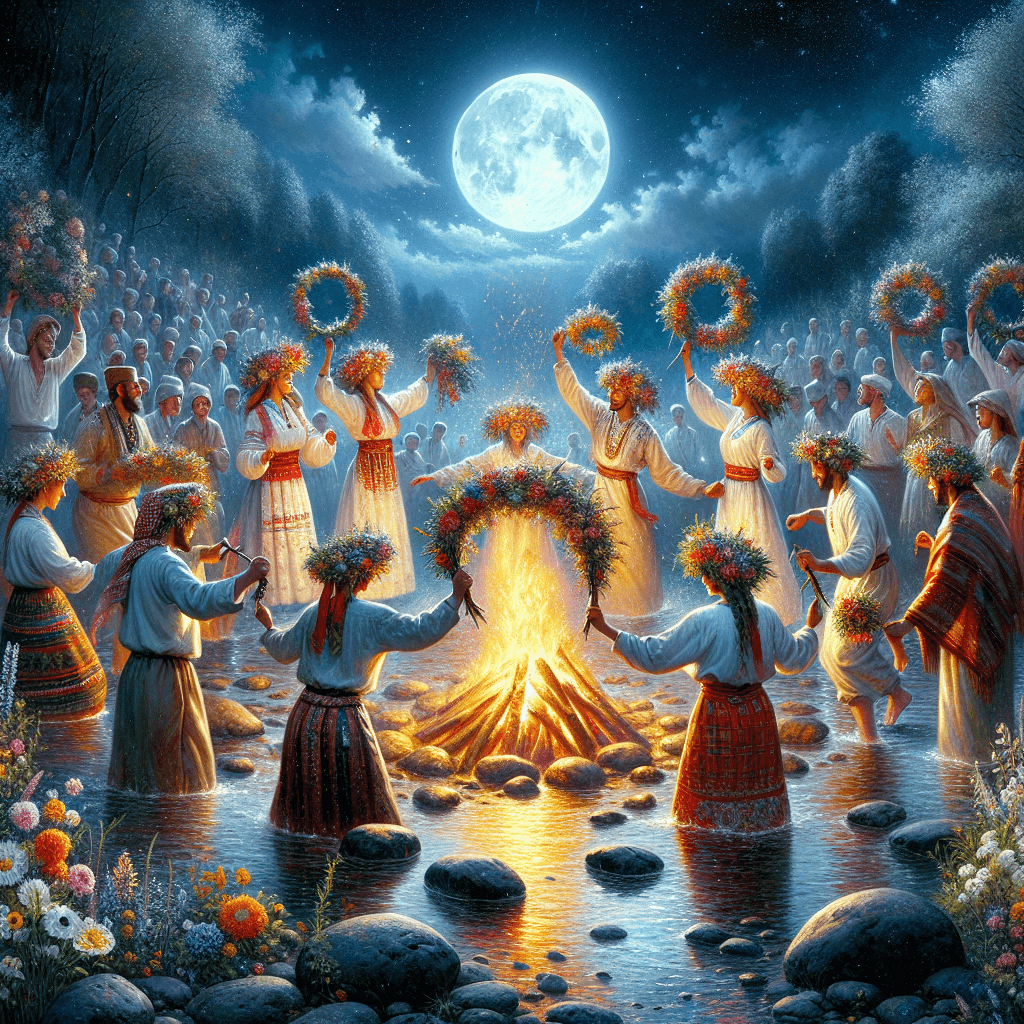
Beltane fires demand red ribbons, fresh flowers, and green candles to honor the full flowering of spring’s creative force and the sacred marriage between earth and sky. Summer solstice at Litha calls for sun symbols, bright yellow and gold colors, and solar herbs like St. John’s wort or chamomile. Your cauldron might hold a small bonfire or gold-colored candles to represent the sun’s peak power during the year’s longest day. Lughnasadh brings the first harvest with wheat sheaves, corn dollies, bread offerings, and warm orange or golden yellow decorations. Replace spring flowers with grain stalks, sunflowers, or early autumn leaves to mark summer’s transition toward harvest time.
Autumn equinox at Mabon requires apple symbols, acorns, colored leaves, and orange or brown candles to celebrate the second harvest and prepare for winter’s approach. Your incense shifts to warming scents like cinnamon, clove, or pine as temperatures drop and darkness increases. Samhain opens the veil between worlds with black candles, ancestor photos, protective herbs like sage or mugwort, and symbols honoring those who passed beyond the physical realm. Winter solstice at Yule brings evergreen boughs, red and green colors, and symbols of the returning sun child born from longest night’s darkness.

Seasonal rotation keeps your practice aligned with natural cycles and prevents spiritual stagnation from using identical tools year-round. Change your altar setup at each sabbat to maintain fresh energy and mark time’s sacred passage through the annual wheel. This practice deepens your connection to earth’s rhythms while providing regular opportunities to reassess your spiritual needs and goals.
Sacred Altar Setup Fundamentals: How to Arrange Your Tools
Setting up your altar follows straightforward steps that create sacred space for meaningful spiritual work and daily devotional practice. Choose your location first by finding a stable surface like a shelf, table, small box, or even a tree stump if you prefer outdoor practice. Your altar needs enough space for your seven essential tools while remaining accessible for regular use and maintenance. Cover your chosen surface with cloth to protect it and add beauty to your sacred space. Color choices carry magical significance: white for purification, red for power, green for prosperity, blue for healing, or black for protection and banishing negative influences. Some practitioners use different colored cloths for seasonal celebrations or specific magical workings throughout the year.
Gather your core tools and place them according to elemental correspondences and directional associations that align with your tradition’s teachings. The pentacle typically sits in your altar’s center as the foundation representing Earth and spirit unified in perfect balance. Place your chalice in the western quarter to represent Water’s flowing energy and emotional healing properties. Your athame or wand goes in the eastern section for Air energy and new beginnings, though some traditions assign these tools to Fire energy in the south. Candles belong in the southern quarter for Fire’s transformative power and illuminating wisdom. Your cauldron and incense represent different elements depending on your specific practice and current magical needs.
Personalize your space with meaningful additions like crystals for amplifying energy, photos of loved ones for ancestor connection, or deity statues representing divine forces you honor in your practice. Small offering bowls provide spaces for gifts like flowers, food, or libations during devotional work or sabbat celebrations. Arrange items according to divine gender associations if your tradition includes this practice: masculine divine symbols on the right side and feminine divine symbols on the left side of your altar space.
Consecrate your completed altar by cleansing each tool with salt water, incense smoke, or bell ringing to remove any negative energy and dedicate items to sacred purpose. Maintain your altar through regular cleaning, seasonal updates, and daily or weekly meditation sessions that keep energy flowing and connections strong. Trust your intuition when arranging tools since personal meaning and spiritual resonance matter more than rigid rules or someone else’s prescribed methods.
Your altar serves as a focal point for spiritual practice and daily connection with divine energies that guide your path. These Pagan Altar Essential Tools support your journey toward deeper understanding and magical skill development. What seasonal energy calls to your spirit right now, and how will you honor that calling through your personal altar setup?
Related Items:

Lilly Dupres
Owner & AuthorLilly Dupres, a lifelong practitioner of paganism, established Define Pagan to offer a clear definition of paganism and challenge misconceptions surrounding modern pagan lifestyles.